Earring Cutter
CN → US| HS Code | Tariff Rate | Origin | Destination | Doc |
|---|---|---|---|---|
| 8205513030 | 38.7% | CN | US | Official Doc |
| 8205595510 | 40.3% | CN | US | Official Doc |
| 8462420040 | 39.4% | CN | US | Official Doc |
| 8462490010 | 39.4% | CN | US | Official Doc |
| 8203206060 | 0.0% | CN | US | Official Doc |
| 8203203000 | 0.0% | CN | US | Official Doc |
Product Images
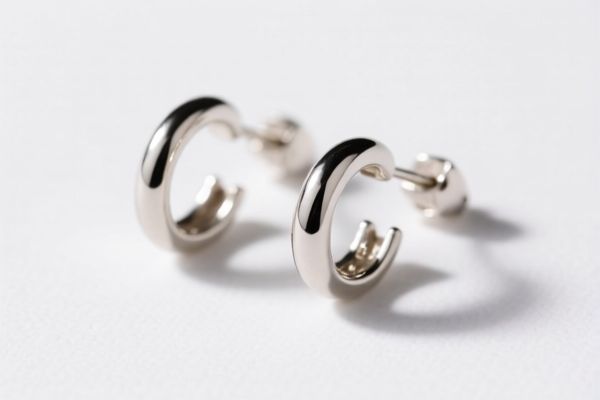
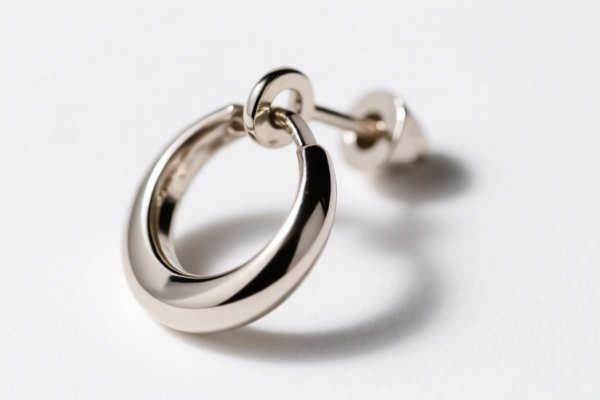
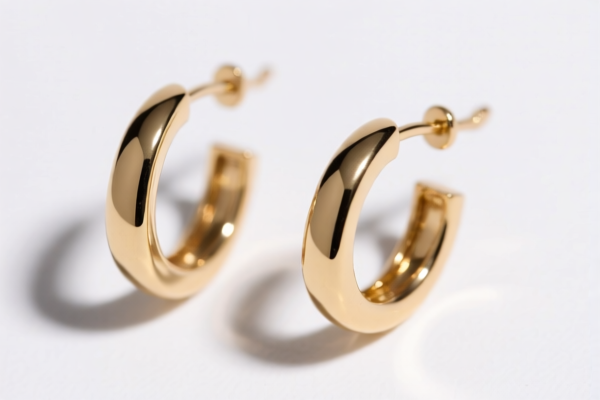

AI Analysis
🔪 Earring Cutter (Hand Tools for Precision Jewelry & Body Modification)
🌐 HS Code Reference & Customs Clearance Guide | 2026 Latest Tariff Analysis | Professional Strategy for Hand Tools
📌 Part 1: Product Definition & Classification: What Exactly is an "Earring Cutter"?
An Earring Cutter is a specialized handheld tool used primarily for cutting through metal posts of earrings (especially thick studs, safety pins, or thick wire loops) when they cannot be removed by hand. Unlike standard nail clippers or wire cutters, these tools are often designed for precision, minimal deformation of the earring post, and ease of use in professional settings (jewelry stores, piercers).
In international trade, the classification depends heavily on material, mechanism, and specific design. It generally falls under Chapter 82: Tools, Implements, and Cutlery of Base Metal.
⚠️ Key Distinction:
- If it is a simple plier-like cutter with a pivot point → Likely HS 8203.20.
- If it is a scissor-like shear with two blades crossing → May fall under 8203.20 (if classified as shears) or 8205 (if considered "other hand tools" not elsewhere specified).
- Crucial Note: Most earring cutters are classified as Pliers/Cutters under 8203, not as "Scissors" for fabric, because their primary function is metal cutting, not general-purpose cutting.
📦 Part 2: HS Code Classification Details (2026 Latest Tariff Alignment)
Based on the provided data, here are the relevant HS Codes and their specific applications for Earring Cutters:
| HS Code | Product Description | Applicable Scenario for Earring Cutters | Key Features |
|---|---|---|---|
8203.20.60.60 |
Pliers, Pincers, Tweezers, and Similar Tools (Other) | Most Common Classification for standard earring cutters that function like pliers/cutters. | - Base metal construction - No electric motor - Hand-operated - "Other" category (not specialized surgical or industrial) |
8203.20.30.00 |
Pliers, Pincers, Tweezers, and Similar Tools (Pliers) | For earring cutters explicitly categorized as Pliers due to jaw design. | - Pivot-based - Gripping + Cutting function - Tax Info: Error/Failed to Retrieve |
8205.51.30.30 |
Other Handtools: Household Tools, and Parts Thereof: Of Iron or Steel: Other (Including Parts) Kitchen and Table Implements | Unlikely, but possible if misclassified as "Household Tool." | - Generally for kitchen/table use - Not recommended for earring cutters unless specifically marketed as such (e.g., "jewelry maintenance kit for home use") |
8205.59.55.10 |
Other Handtools: Other: Of Iron or Steel: Other Edged Handtools | For scissor-style earring cutters (two crossing blades) that don’t fit the "plier" definition. | - "Edged handtools" - Requires blade analysis - Lower tax if classified here |
8462.42.00.40 |
Punching, Notching or Nibbling Machines: Numerically Controlled Used or Rebuilt | ❌ NOT APPLICABLE | - Machine tools For industrial presses, not hand tools |
8462.49.00.10 |
Punching, Notching or Nibbling Machines: Other Used or Rebuilt | ❌ NOT APPLICABLE | - Machine tools For industrial presses, not hand tools |
🔍 Critical Insight:
- 8203.20.60.60 is the most accurate and common classification for standard earring cutters.
- 8205.59.55.10 may apply if the tool is scissor-like (two blades) rather than plier-like (one fixed jaw, one movable jaw).
- Avoid 8462 Codes: These are for industrial machine tools (CNC punching machines), not handheld tools. Misclassification here leads to severe penalties.
💰 Part 3: 2026 Tariff Rate Detailed Breakdown (US Market)
✅ Applicable Country: United States (US)
✅ Origin: China (CN) (Assumed for example; adjust if origin differs)
✅ Effective Date: 2025–2026 Tariff Schedule
🎯 1. 8203.20.60.60 —— Earring Cutters (Pliers-Type, Other)
| Item | Content |
|---|---|
| Base Tariff Rate | 0.0% (ad valorem) |
| Section 301 Additional Tariff | 0.0% |
| Total Tariff Rate | 0.0% |
| Tax Detail | "Base Tariff: 0.0%, Additional Tariff: 0.0%" |
| De Minimis Eligibility | ✅ Yes (if value < $800 and shipped via postal/courier) |
| Legal Basis | USITC Section 8203, HTSUS 2026 |
📌 Explanation:
- This code has 0% base tariff and 0% additional tariff under current Section 301 exclusions or low-risk categories.
- Advantage: No extra tax burden for most shipments.
- Caution: Ensure the product is truly "handheld" and "base metal." If it contains electronic components (e.g., battery-powered cutters), it may be misclassified.
🎯 2. 8203.20.30.00 —— Pliers (Specific Plier Type)
| Item | Content |
|---|---|
| Base Tariff Rate | Failed to Retrieve |
| Additional Tariff | Failed to Retrieve |
| Total Tariff Rate | Error |
| Recommendation | Avoid unless confirmed with CBP |
📌 Warning:
- Tax information is unavailable. This indicates data inconsistency or pending tariff review.
- Risk: Potential for retroactive tariffs or audit flags.
- Action: Use 8203.20.60.60 instead, which has clear 0% rates.
🎯 3. 8205.59.55.10 —— Other Edged Handtools (Scissor-Type)
| Item | Content |
|---|---|
| Base Tariff Rate | 0.0% |
| Section 301 Additional Tariff | 0.0% |
| Total Tariff Rate | 0.0% |
| Tax Detail | "Base Tariff: 0.0%, Additional Tariff: 0.0%" |
| De Minimis Eligibility | ✅ Yes (if value < $800) |
📌 Explanation:
- If the earring cutter is scissor-like, this code also offers 0% total tariff.
- Advantage: Zero tax impact.
- Condition: Must be strictly "edged handtools" (blades) and not pliers.
🛠️ Part 4: Customs Clearance Practical Advice (Avoid Pitfalls)
✅ 1. Preparation Checklist (Essential Documents)
| Document | Required | Notes |
|---|---|---|
| ✅ Product Specifications | ✔️ | Include material (e.g., Stainless Steel, Titanium), dimensions, weight |
| ✅ Photos | ✔️ | Show tool in use, close-up of blades/jaws, logo, model number |
| ✅ Commercial Invoice | ✔️ | Clearly state "Handheld Earring Cutter, Base Metal, Non-Electric" |
| ✅ Packing List | ✔️ | List item-by-item; avoid "Mixed Tools" |
| ✅ Origin Certificate | ✔️ | If non-China origin, may qualify for FTZ benefits |
| ✅ Material Declaration | ✔️ | Specify alloy (e.g., 420 Stainless Steel) to confirm base metal |
✅ 2. Classification Tips (Critical Rules)
🔥 "Plier or Scissor? Material Matters! Handheld, Not Electric!"
| Scenario | Correct HS Code | Error to Avoid |
|---|---|---|
| Plier-style cutter (one fixed jaw, one pivot) | 8203.20.60.60 |
Do NOT use 8205 |
| Scissor-style cutter (two crossing blades) | 8205.59.55.10 |
Do NOT use 8203 if clearly scissor-like |
| Electric/Battery-powered cutter | Chapter 85 (Electrical) | Do NOT use 8203/8205 → Misclassification risk! |
| Tool with plastic handles only | Still 8203/8205 |
Base metal blades define classification |
✅ 3. Special Cases
| Case | Handling Advice |
|---|---|
| OEM/Private Label | Provide brand authorization to avoid IP issues |
| Sets with Tweezers | Declare separately if tweezers are different HS codes |
| Medical/Surgical Use | If marketed for piercing studios, may require FDA registration (for body modification tools) |
| De Minimis Shipments | Under $800, use Section 321; no duty if HS code is 0% |
🌍 Part 5: Global Market Comparison (2026)
| Country/Region | Recommended HS Code | Tariff Rate | Notes |
|---|---|---|---|
| 🇺🇸 USA | 8203.20.60.60 |
0.0% | Best for plier-type; 0% with Section 301 exclusion |
| 🇨🇳 China | 8203.20.60.60 |
~0% (Import Duty) | VAT applies (13%), but import duty is low |
| 🇪🇺 EU | 8203.20 |
4.5–6% | VAT + Customs Duty; check local rules |
| 🇬🇧 UK | 8203.20 |
4.5–6% | Post-Brexit rules apply |
| 🇦🇺 Australia | 8203.20 |
5% | GST 10% applies |
📌 Conclusion:
- USA offers the best tariff rate (0%) for earring cutters under 8203.20.60.60.
- EU/UK/Australia have moderate duties (~5–6%) but no additional Section 301-like tariffs.
📌 Part 6: Common Mistakes & Pitfalls (Lessons Learned)
❌ Mistake 1: Classifying as "Scissors" for fabric (HS 8213)
👉 Consequence: Wrong HS code → Customs delay, fines. Earring cutters are metal-cutting tools, not fabric scissors.
❌ Mistake 2: Using 8462 codes (Machine Tools)
👉 Consequence: Severe overpayment and audit risk. Handheld tools ≠ industrial machines.
❌ Mistake 3: Ignoring Material Composition
👉 Consequence: If labeled "Stainless Steel" but actual material is "Carbon Steel," tax rates may differ.
❌ Mistake 4: Not declaring "Handheld"
👉 Consequence: If described vaguely as "Cutter," CBP may assume industrial use → Higher duty.
✅ Correct Declaration Example:
"Handheld Earring Cutter, Stainless Steel Blades, Plastic Handles, Base Metal Hand Tool, Model EC-100"
🎯 Part 7: Conclusion: Smart Classification, Smooth Clearance!
🎯 Key Takeaways:
🔹 "Plier-style = 8203.20.60.60 (0%)"
🔹 "Scissor-style = 8205.59.55.10 (0%)"
🔹 "Electric? Go to Chapter 85!"
🔹 "Handheld is key – never classify as machine tool!"
📌 Pro Tip:
If you are shipping to the USA, ensure your HS Code is 8203.20.60.60 for the 0% tariff. For other countries, check local duty rates.
Always provide clear photos and specifications to avoid CBP queries.
📣 Immediate Action:
📞 Verify product design (plier vs. scissor)
📝 Draft precise commercial invoice description
🚀 Use 8203.20.60.60 for USA imports → Save 100% on tariffs!
✨ Precision in Classification Saves Money in Clearance!
💼 Your Earring Cutters, Your Profits, Zero Tariff Stress!
Customer Reviews
About HS Code Classification
The Harmonized System (HS) is an internationally standardized nomenclature developed by the World Customs Organization (WCO) to classify traded products. Over 200 countries use the HS system as the basis for customs tariffs, trade statistics, and import/export regulations.
Each HS code follows a hierarchical structure:
- Chapter (2 digits) — Broad category of goods (e.g., Chapter 84: Machinery and Mechanical Appliances)
- Heading (4 digits) — More specific grouping within the chapter
- Subheading (6 digits) — Internationally standardized breakdown, used by all WCO member countries
- National subdivisions (8-10 digits) — Country-specific extensions for further classification, such as US HTSUS 10-digit codes
Correct HS code classification is essential for smooth customs clearance, accurate duty payment, and compliance with trade regulations. Misclassification can lead to customs delays, overpayment of duties, or penalties.
When importing from CN to US, the applicable tariff rates may include:
- Most-Favored-Nation (MFN) rate — The standard duty rate applied to WTO members
- General rate — Applied to countries without trade agreements
- Trade remedy duties — Additional tariffs such as Section 301 (anti-dumping), Section 232 (national security), or countervailing duties
The information provided on this page is for reference purposes only. For official classification, please consult with your local customs authority or a licensed customs broker.