Earring Storage Book
CN → US| HS Code | Tariff Rate | Origin | Destination | Doc |
|---|---|---|---|---|
| 3926400090 | 15.3% | CN | US | Official Doc |
| 3926909989 | 22.8% | CN | US | Official Doc |
| 7616995175 | 37.5% | CN | US | Official Doc |
| 7326200020 | 88.9% | CN | US | Official Doc |
| 7326908688 | 87.9% | CN | US | Official Doc |
Product Images
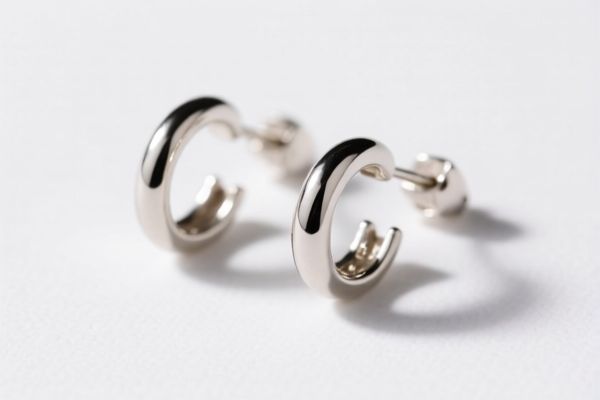
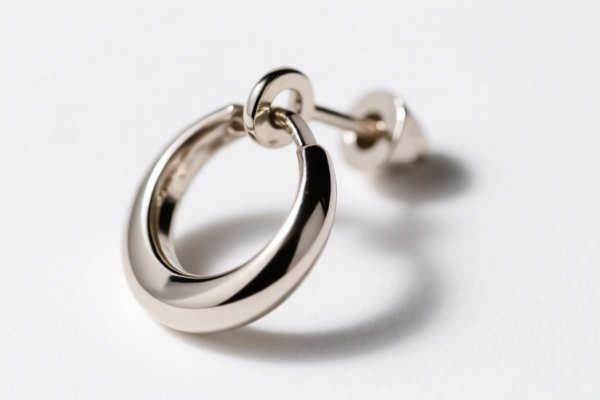
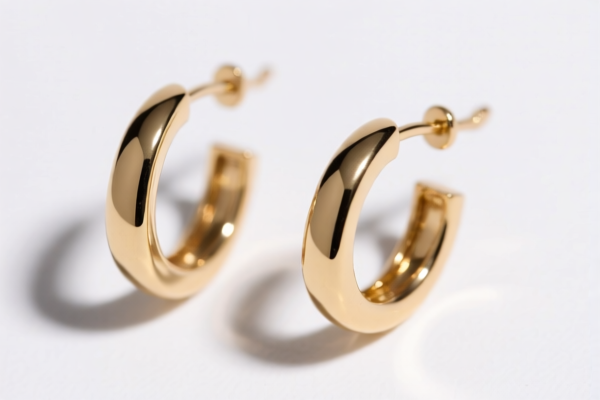

AI Analysis
📖 Earring Storage Book (Jewelry Organizer Book)
🌐 HS Code Reference & Customs Clearance Guide | 2026 Latest Tariff Analysis | Professional Clearance Strategy
📌 I. Product Definition & Classification: Do You Really Understand "Earring Storage Book"?
The Earring Storage Book is a specialized jewelry organizer designed to hold earrings, typically featuring a book-like structure with multiple pages or compartments. In international trade, its classification depends heavily on material and function. It is generally categorized as either:
Plastic/Synthetic Material Organizer: The most common type, featuring plastic pages, PVC pockets, or synthetic leather covers, used for storing and displaying earrings.
Metal (Aluminum/Steel) Organizer: Less common but exists, featuring metal frames or metal-coated pages for durability and aesthetic appeal.
⚠️ Key Distinction:
- If the primary material is plastic/synthetic and it serves as a general storage/display item → Classified under Chapter 39 (Plastics).
- If the primary material is aluminum → Classified under Chapter 76 (Aluminum).
- If the primary material is iron/steel → Classified under Chapter 73 (Articles of Iron or Steel).
- Critical Point: The function is "storage/display," not a technical device or tool. Misclassification can lead to massive duty differences (e.g., 15.3% vs. 88.9%).
📦 II. HS Code Classification Details (2026 Latest Tariff Authority Comparison)
Based on the provided data, here are the possible HS Codes and their corresponding tax implications for an Earring Storage Book imported into the US from China.
| HS Code | Product Description | Material Inference | Application Scenario | Total Tax Rate (China Origin) |
|---|---|---|---|---|
3926.40.00.90 |
Other articles of plastic: Ornaments, decorations, etc. | Plastic / Synthetic | Most common earring books with plastic/PVC pages and decorative covers. | 15.3% |
3926.90.99.89 |
Other articles of plastic: Other, other, other (Catch-all) | Plastic / Synthetic | Plastic storage items not specifically listed elsewhere (e.g., plain plastic boxes without decorative function). | 22.8% |
7616.99.51.75 |
Other articles of aluminum: Other, other, other | Aluminum | Metal-framed earring books with aluminum components or entirely aluminum construction. | 37.5% |
7326.20.00.20 |
Articles of iron or steel: Stands and support structures | Iron / Steel | Metal storage racks or frames (if considered a "stand" rather than a container). | 88.9% |
7326.90.86.88 |
Other articles of iron or steel: Other, other, other | Iron / Steel | General iron/steel containers or organizers not specifically listed. | 87.9% |
🔍 Key Takeaway:
- Plastic (3926.40) is the most favorable classification for typical earring books, with the lowest total tax rate of 15.3%.
- Steel/Iron (7326) carries a penalty-level tariff (87.9% - 88.9%) due to Section 301 and Section 232 tariffs.
- Aluminum (7616) is in the middle at 37.5%.
- Avoid Steel/Iron unless the product is explicitly a heavy-duty metal rack, not a "book."
💰 III. 2026 Latest Tariff Rate Breakdown (Including Additional Taxes, Policy Surcharges)
✅ Applicable Country: United States (US)
✅ Country of Origin: China (CN)
✅ Effective Time: From November 10, 2025 (for subsequent imports)
🎯 1. 3926.40.00.90 —— Plastic Decorative Storage Items (Recommended)
| Item | Content |
|---|---|
| Base Tariff | 5.3% (ad valorem) |
| Section 301 Additional Tariff | 0.0% (No additional 7.5% under this specific subheading for some categories, but check current updates) |
| Section 122 Tariff | +10% (Specific to certain plastic goods) |
| Total Tax Rate | 15.3% |
| Tax Calculation | CIF Value × 15.3% |
| De Minimis Exemption | ❌ Not Eligible (Deny de minimis for Chinese plastic goods under Section 301/122) |
| Legal Basis Path | Section 122 → USITC:3926.40.00.90 |
📌 Explanation:
- This is the most cost-effective classification for earring books made of plastic.
- The Section 122 Tariff (10%) is a specific surcharge on certain plastic articles from China.
- Total 15.3% is significantly lower than metal alternatives.
🎯 2. 3926.90.99.89 —— Other Plastic Articles (Fallback)
| Item | Content |
|---|---|
| Base Tariff | 5.3% |
| Section 301 Additional Tariff | +7.5% |
| Section 122 Tariff | +10% |
| Total Tax Rate | 22.8% |
| Tax Calculation | CIF Value × 22.8% |
| De Minimis Exemption | ❌ Not Eligible |
| Legal Basis Path | Section 301 → Section 122 → USITC:3926.90.99.89 |
📌 Note:
- If customs determines the item does not qualify as "decorative" (under 3926.40), it may fall into this "catch-all" category.
- The additional 7.5% Section 301 tariff pushes the total to 22.8%.
- Still cheaper than metal options.
🎯 3. 7616.99.51.75 —— Aluminum Articles
| Item | Content |
|---|---|
| Base Tariff | 2.5% |
| Section 232 Additional Tariff | +25.0% (Steel/Aluminum tariffs) |
| Section 301 Additional Tariff | +10% (Section 122 or similar) |
| Total Tax Rate | 37.5% |
| Tax Calculation | CIF Value × 37.5% |
| Legal Basis Path | Section 232 → Section 301 → USITC:7616.99.51.75 |
📌 Note:
- Aluminum is subject to Section 232 Tariffs (25%) for national security reasons.
- Total 37.5% is moderate but much higher than plastic.
🎯 4. 7326.20.00.20 & 7326.90.86.88 —— Iron/Steel Articles (High Risk)
| Item | Content |
|---|---|
| Base Tariff | 2.9% - 3.9% |
| Section 232 Additional Tariff | +25.0% |
| Section 301 Additional Tariff | +10% (Section 122) |
| Section 301 Steel/Aluminum Surcharge | +50.0% (Specific surcharge for steel products) |
| Total Tax Rate | 87.9% - 88.9% |
| Legal Basis Path | Section 232 → Section 301 → Steel/Aluminum Surcharge → USITC:7326.xxxx.xxxx |
📌 Warning:
- Extremely High Tariffs!
- The 50% additional surcharge on steel products combined with Section 232 and Section 301 tariffs results in nearly 90% duty.
- Avoid this classification unless the product is undeniably a steel rack and not a decorative storage book.
🛠️ IV. Customs Clearance Practical Advice (Real-World Pitfall Avoidance Guide)
✅ 1. Preparation Checklist (Must-Have Documents)
| Document | Required | Explanation |
|---|---|---|
| ✅ Product Photos | ✔️ | Clear images showing the material (plastic vs. metal), structure, and how earrings are stored. |
| ✅ Material Composition Statement | ✔️ | Explicitly state: "90% PVC/Plastic, 10% Metal Spine" or "100% Plastic." |
| ✅ Function Description | ✔️ | Describe as "Jewelry Organizer Book," "Earring Storage Display," not "Metal Rack." |
| ✅ Commercial Invoice | ✔️ | Clearly state "Plastic Earring Storage Book" to align with HS Code 3926. |
| ✅ Packing List | ✔️ | Ensure no metal accessories are overemphasized if the main body is plastic. |
| ✅ Third-Party Test Report | ✔️ | If claiming plastic, include material test reports (e.g., PVC, ABS) to support classification. |
✅ 2. Declaration Tips (Key Mantra)
🔥 "Plastic First, Metal Last, Name Precise, Duty Low!"
| Scenario | Correct Declaration | Wrong Practice |
|---|---|---|
| Plastic Earring Book | 3926.40.00.90 (Plastic Decorative Item) |
Misdeclaring as "Metal Rack" → 88.9% |
| Metal-Spine Plastic Pages | 3926.40.00.90 (Primary material is plastic) |
Splitting declaration → Higher risk |
| All-Aluminum Book | 7616.99.51.75 |
Declaring as plastic → Penalties |
| Steel Frame Only | 7326.90.86.88 (But expect high duty) |
Trying to hide steel content → Customs seizure |
📌 Critical Advice:
- Emphasize the "Plastic" component in your product description if the book is primarily plastic.
- Avoid words like "Steel Storage Rack" in your invoice or marketing materials. Use "Decorative Earring Organizer."
- If the product has a metal spine but plastic pages, argue that the principal function and material volume are plastic, supporting 3926.40.
✅ 3. Special Cases Handling
| Situation | Handling Advice |
|---|---|
| Mixed Material (Plastic + Metal) | Provide a material breakdown by weight/volume. If plastic >50%, argue for Chapter 39. |
| OEM Custom Design | Provide design sketches showing material usage. Avoid metal-heavy designs if cost is a concern. |
| Sample Imports | Even samples from China are subject to these tariffs if declared properly. No de minimis exemption. |
| Multiple SKUs | If you have both plastic and metal versions, declare them separately with correct HS Codes. |
🌍 V. Global Market Comparison (2026 Latest)
| Country/Region | Recommended HS Code | Tariff (China Origin) | Certification | Notes |
|---|---|---|---|---|
| 🇺🇸 United States | 3926.40.00.90 |
15.3% | None | Highest risk of misclassification leading to 88% duty. |
| 🇨🇳 China | 3926.40.00.90 |
5% | None | Low export tax. |
| 🇪🇺 European Union | 3924.90.00 |
6% | CE (if applicable) | Lower tariffs than US. |
| 🇬🇧 United Kingdom | 3924.90.00 |
6% | UKCA | Post-Brexit alignment with EU. |
| 🇯🇵 Japan | 3924.90.00 |
6% | PSE (if electrical, not applicable here) | Stable tariff. |
📌 Conclusion:
- US is the most challenging market due to Section 301, Section 232, and Section 122 tariffs.
- Plastic classification (15.3%) is crucial for profitability.
- Steel classification (88.9%) is prohibitive for most businesses.
📌 VI. Common Mistakes & Pitfall Guide (Lessons from Experience)
❌ Mistake 1: Declaring a plastic earring book as "Metal Storage Rack"
👉 Consequence: 88.9% duty → Massive cost increase!
❌ Mistake 2: Not disclosing the metal spine in a plastic book
👉 Consequence: Customs audit → Fine + Back Duty + Delay.
❌ Mistake 3: Using vague terms like "Jewelry Box" without material specification
👉 Consequence: Customs may default to the highest tariff category (Steel) → 88.9%.
❌ Mistake 4: Assuming de minimis exemption applies
👉 Consequence: No exemption for Chinese plastic/metal goods under Section 301/122.
✅ Correct Approach:
"Plastic Earring Storage Book, with Decorative PVC Pages, Metal Binding, Model XYZ, 100% New"
🎯 VII. Conclusion: Precision Classification Saves Money!
🎯 Remember the Mantra:
🔹 "Plastic Decorative = 15.3% | Plastic Catch-all = 22.8% | Aluminum = 37.5% | Steel = 88.9%"
🔹 "Don't let a metal spine cost you 73% more in duty!"
📌 Tips:
- If possible, design the earring book with 100% plastic or minimize metal content to stay under Chapter 39.
- Pre-clearance Ruling: Apply for an Advance Ruling from US Customs (CBP) if the product has mixed materials.
- Supplier Communication: Ensure your supplier provides accurate material test reports to support the 3926.40 classification.
📣 Immediate Action:
📞 Contact a professional customs broker + Provide material specs + Declare as Plastic Decorative Item
🚀 Save up to 73% in duties by getting the HS Code right!
✨ Professional Customs Clearance Starts with Precise Classification!
💼 Every Percent Matters in International Trade!
Customer Reviews
About HS Code Classification
The Harmonized System (HS) is an internationally standardized nomenclature developed by the World Customs Organization (WCO) to classify traded products. Over 200 countries use the HS system as the basis for customs tariffs, trade statistics, and import/export regulations.
Each HS code follows a hierarchical structure:
- Chapter (2 digits) — Broad category of goods (e.g., Chapter 84: Machinery and Mechanical Appliances)
- Heading (4 digits) — More specific grouping within the chapter
- Subheading (6 digits) — Internationally standardized breakdown, used by all WCO member countries
- National subdivisions (8-10 digits) — Country-specific extensions for further classification, such as US HTSUS 10-digit codes
Correct HS code classification is essential for smooth customs clearance, accurate duty payment, and compliance with trade regulations. Misclassification can lead to customs delays, overpayment of duties, or penalties.
When importing from CN to US, the applicable tariff rates may include:
- Most-Favored-Nation (MFN) rate — The standard duty rate applied to WTO members
- General rate — Applied to countries without trade agreements
- Trade remedy duties — Additional tariffs such as Section 301 (anti-dumping), Section 232 (national security), or countervailing duties
The information provided on this page is for reference purposes only. For official classification, please consult with your local customs authority or a licensed customs broker.