Easter Bag
CN → US| HS Code | Tariff Rate | Origin | Destination | Doc |
|---|---|---|---|---|
| 9505105020 | 10.0% | CN | US | Official Doc |
| 4202929700 | 52.6% | CN | US | Official Doc |
| 6305900000 | 23.7% | CN | US | Official Doc |
| 6305200000 | 23.7% | CN | US | Official Doc |
| 4202926091 | 41.3% | CN | US | Official Doc |
| 9505906000 | 10.0% | CN | US | Official Doc |
Product Images
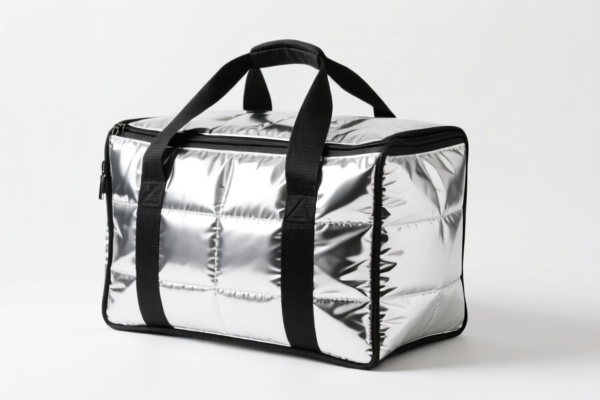
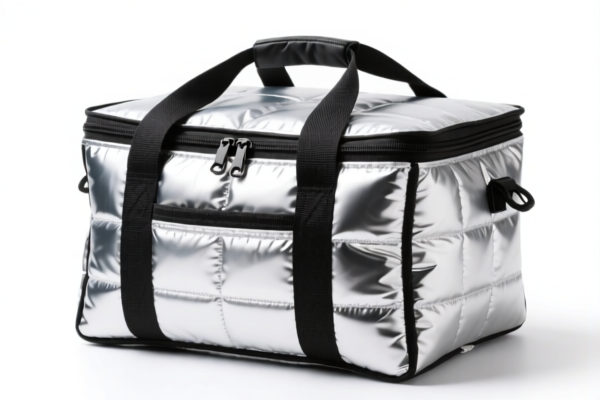
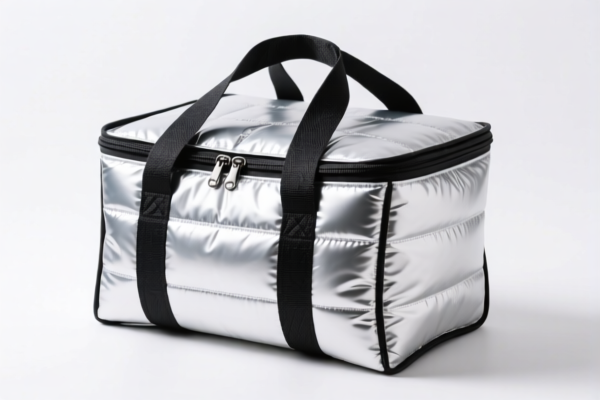

AI Analysis
🐰🥚 Easter Bags (Festival Sacks & Gift Pouches)
🌐 HS Code Reference & Customs Clearance Guide | 2026 Latest Tariff Analysis | Professional Customs Strategy
📌 I. Product Definition & Classification: Do You Really Understand "Easter Bags"?
Easter Bags, also known as Easter Baskets, Easter Sacks, or Candy Pouches, are festive containers primarily used during Easter celebrations to hold eggs, candies, small toys, and gifts. In international trade, these items are often misclassified due to their dual nature: they are both textile products (materials) and festival entertainment items (function).
Depending on the material composition, specific design features, and declared purpose, customs authorities may classify them into different categories, leading to significantly different tariff rates.
⚠️ Key Classification Distinction:
- If the bag is primarily seen as a festival/celebratory accessory with no specific functional utility beyond carrying festive items → It may fall under Chapter 95 (Toys/Festive Articles). - If the bag is viewed as a general-purpose textile container (like a drawstring pouch, tote, or sack) → It falls under Chapter 42 (Leather/Textile Articles) or Chapter 63 (Other Textile Articles).
📦 II. HS Code Classification Details (Based on Provided Data)
| HS Code | Summary of Classification Reasoning | Total Tax Rate | Tax Detail Breakdown |
|---|---|---|---|
| 9505.10.50.20 | Festival Celebration Item: Classified as a "Festival/Sporting Good." The bag is treated as a general celebratory accessory rather than a standard container. | 10.0% | Base Duty: 0.0% Section 301 Duty: 0.0% Section 122 Duty: 10% |
| 4202.92.97.00 | Textile Container: Classified as an article of travel, vanity, or similar container made of textile materials. Focuses on the material and container shape. | 52.6% | Base Duty: 17.6% Section 301 Duty: 25.0% Section 122 Duty: 10% |
| 6305.90.00.00 | Other Textile Packaging Sacks: Classified as a sack or bag used for packaging or carrying goods, made of other textile materials (non-cotton/non-jute). | 23.7% | Base Duty: 6.2% Section 301 Duty: 7.5% Section 122 Duty: 10% |
| 6305.20.00.00 | Cotton Textile Sacks: Specifically classified if the bag is made primarily of cotton. It is viewed as a sack for packaging or holding items. | 23.7% | Base Duty: 6.2% Section 301 Duty: 7.5% Section 122 Duty: 10% |
| 4202.92.60.91 | Other Textile Containers: Another classification under Chapter 42 for textile containers that do not fit specific sub-categories (e.g., handbags). | 41.3% | Base Duty: 6.3% Section 301 Duty: 25.0% Section 122 Duty: 10% |
| 9505.90.60.00 | Festival Entertainment Goods: Classified as a general festival article for entertainment. The material (fabric/textile) is secondary to its festive purpose. | 10.0% | Base Duty: 0.0% Section 301 Duty: 0.0% Section 122 Duty: 10% |
🔍 Critical Observation:
- Cheapest Tariff Option: 10.0% (HS Codes 9505.10.50.20 or 9505.90.60.00). This requires proving the item is primarily a "Festival Good" and not a standard commercial bag.
- Most Expensive Option: 52.6% (HS Code 4202.92.97.00). This applies if customs views it as a standard textile container with high base duties.
- Mid-Range Option: 23.7% - 41.3%. Applies if classified under textile sack/charpter 63 or other textile containers.
💰 III. 2026 Latest Tariff Rate Explanation (Detailed Breakdown)
✅ Applicable Country: United States (US)
✅ Origin: China (CN)
✅ Effective Date: November 10, 2025 onwards (including subsequent imports)
🎯 1. The "Festival Good" Strategy (Lowest Tax: 10%)
HS Codes: 9505.10.50.20 or 9505.90.60.00
| Item | Content |
|---|---|
| Base Duty | 0% |
| USITC/S301 Duty | 0% |
| Section 122 Duty | +10% |
| Total Rate | 10% |
| Legal Basis | Classified under Chapter 95 (Festive, Carnival, or Other Entertainment Articles). |
📌 Explanation:
- Section 122 refers to specific duties imposed on certain goods from China, often applied to consumer goods not covered by Section 301.
- Why 10%? If customs accepts the argument that the "Easter Bag" is inherently a festive item (like an Easter basket liner or a themed party favor) rather than a generic pouch, it escapes the heavy Section 301 tariffs (25%).
- Requirement: Must be clearly marketed and packaged as "Easter Festival Decor/Accessory."
🎯 2. The "Textile Container" Strategy (High Tax: 52.6%)
HS Code: 4202.92.97.00
| Item | Content |
|---|---|
| Base Duty | 17.6% |
| USITC/S301 Duty | +25% |
| Section 122 Duty | +10% |
| Total Rate | 52.6% |
| Legal Basis | Classified as "Articles of travel, vanity bag, or similar container, with outer surface of textile materials." |
📌 Warning:
- This is the highest risk classification.
- Customs may argue that an Easter bag is functionally identical to a generic drawstring bag or tote, thus falling under Chapter 42 (which has higher base duties for textiles from China).
- Result: The 25% Section 301 duty is added on top, making it very expensive.
🎯 3. The "Textile Sack" Strategy (Mid Tax: 23.7%)
HS Codes: 6305.90.00.00 or 6305.20.00.00
| Item | Content |
|---|---|
| Base Duty | 6.2% |
| USITC/S301 Duty | +7.5% |
| Section 122 Duty | +10% |
| Total Rate | 23.7% |
| Legal Basis | Chapter 63 (Other Made-Up Textile Articles), specifically sacks and bags for packaging. |
📌 Explanation:
- Chapter 63 has lower base duties (6.2%) compared to Chapter 42 (17.6%).
- However, it still incurs a 7.5% Section 301 duty (instead of 25%).
- Condition: The bag must be described as a "sack" or "packaging bag" rather than a "fashion bag" or "travel bag."
🛠️ IV. Customs Clearance Practical Advice (Pitfall Avoidance Guide)
✅ 1. Preparation Checklist (Mandatory Documents)
| Document | Required? | Notes |
|---|---|---|
| ✅ Product Photos | ✔️ | Show festive elements (e.g., bunny prints, pastel colors, "Happy Easter" text). This supports Chapter 95 classification. |
| ✅ Commercial Invoice | ✔️ | Description must be specific: "Easter Festival Gift Bag, Textile, Themed for Holiday Celebration." Avoid generic terms like "Cotton Pouch." |
| ✅ Material Composition Statement | ✔️ | Confirm if it is 100% Cotton (fits 6305.20) or other textile (fits 6305.90 or 4202.92). |
| ✅ Usage Declaration | ✔️ | State clearly: "For holding Easter eggs and candies during the Easter holiday." |
✅ 2. Classification Strategy (Key Tips)
🔥 "Festive Theme First, Material Second!"
| Scenario | Recommended HS Code | Tax Rate | Strategy |
|---|---|---|---|
| Highly Themed Bag (Bunny ears, specific Easter graphics, sold in Easter context) | 9505.10.50.20 or 9505.90.60.00 | 10% | Argue that the bag's primary value is its festive appearance, not its container function. |
| Generic Bag with Minor Easter Print | 6305.90.00.00 or 6305.20.00.00 | 23.7% | If the festive element is weak, fall back to "Textile Sack" to avoid the 52.6% rate. |
| High-End Fashion Tote/Luxury Bag | 4202.92.97.00 or 4202.92.60.91 | 41.3%-52.6% | Avoid this unless the product is a high-value fashion item. |
📌 Critical Note:
- Do NOT declare as "Plastic Bag" or "Paper Bag" if it is textile.
- Do NOT use vague terms like "Gift Bag" without context. Be specific about the Easter/Festival purpose.
✅ 3. Special Cases Handling
| Situation | Handling Advice |
|---|---|
| Mixed Materials (e.g., Cotton body + Leather handles) | Likely falls under Chapter 42 (4202.xxxx). Higher tax. Try to minimize leather content or declare main material as textile. |
| Empty Bag vs. Filled Bag | If sold with eggs/candies, the bag may be considered "packaging" (Chapter 63) or "set" (Chapter 95 if the set is for Easter). If empty, focus on the bag's festive design. |
| Customs Audit Risk | If audited, provide photos showing the bag being used for Easter baskets. Emphasize that standard bags do not have Easter-themed prints. |
🌍 V. Global Market Comparison (2026 Update)
| Country/Region | Recommended HS Code | Estimated Tax (China Origin) | Notes |
|---|---|---|---|
| 🇺🇸 USA | 9505.10.50.20 | 10% | Best rate if "Festival Good" is accepted. Avoid 4202 if possible. |
| 🇺🇸 USA | 4202.92.97.00 | 52.6% | Highest risk. Only use if 9505 is rejected. |
| 🇪🇺 EU | 6305.90.00.00 | ~3-5% (Check specific duty) | No Section 301/122 equivalents. Standard textile duty applies. |
| 🇨🇳 China | 6305.90.00.00 | ~0-10% | Domestic import/export may have different rules. |
📌 Conclusion:
- For US Imports, the goal is to classify under Chapter 95 (9505.xx) to achieve the 10% rate.
- This requires strong evidence that the product is a Festival Item, not just a generic bag.
📌 VI. Common Mistakes & Pitfalls (Lessons Learned)
❌ Mistake 1: Declaring as "Textile Bag" without mentioning "Easter"
👉 Consequence: Customs defaults to Chapter 42 or 63, resulting in 23.7% - 52.6% tax.
❌ Mistake 2: Declaring as "Plastic Sack" when it is Textile
👉 Consequence: Misdeclaration, penalties, and potential seizure.
❌ Mistake 3: Using generic description "Bag for Gifts"
👉 Consequence: Customs may interpret it as a general-purpose item, triggering higher textile duties.
✅ Correct Approach:
"Easter Festival Gift Sack, Textile Material, Themed with Easter Graphics, for Holiday Use Only. HS Code: 9505.10.50.20"
🎯 VII. Conclusion: Smart Classification Saves Money!
🎯 Key Takeaway:
🔹 Easter Bags are Festival Items, not just Bags!
🔹 Target HS Code: 9505.10.50.20 or 9505.90.60.00 for the lowest 10% tax.
🔹 Avoid HS Code 4202.92.97.00 unless necessary, as it incurs 52.6% tax.
🔹 Support your claim with festive photos and clear descriptions.
📌 Pro Tip:
If your product is highly generic (no specific Easter design), consider falling back to 6305.90.00.00 (23.7%) as a safer mid-range option. Do not risk the 52.6% rate.
📣 Action Item:
📞 Consult your customs broker with product photos showing the Easter theme.
📝 Prepare a "Festival Use" declaration to support Chapter 95 classification.
🚀 Save up to 42.6% in taxes by choosing the right HS Code!
✨ Accurate Classification Starts with Clear Product Identity!
💼 Maximize Your Profit with Strategic Customs Planning!
Customer Reviews
About HS Code Classification
The Harmonized System (HS) is an internationally standardized nomenclature developed by the World Customs Organization (WCO) to classify traded products. Over 200 countries use the HS system as the basis for customs tariffs, trade statistics, and import/export regulations.
Each HS code follows a hierarchical structure:
- Chapter (2 digits) — Broad category of goods (e.g., Chapter 84: Machinery and Mechanical Appliances)
- Heading (4 digits) — More specific grouping within the chapter
- Subheading (6 digits) — Internationally standardized breakdown, used by all WCO member countries
- National subdivisions (8-10 digits) — Country-specific extensions for further classification, such as US HTSUS 10-digit codes
Correct HS code classification is essential for smooth customs clearance, accurate duty payment, and compliance with trade regulations. Misclassification can lead to customs delays, overpayment of duties, or penalties.
When importing from CN to US, the applicable tariff rates may include:
- Most-Favored-Nation (MFN) rate — The standard duty rate applied to WTO members
- General rate — Applied to countries without trade agreements
- Trade remedy duties — Additional tariffs such as Section 301 (anti-dumping), Section 232 (national security), or countervailing duties
The information provided on this page is for reference purposes only. For official classification, please consult with your local customs authority or a licensed customs broker.