Eco Friendly Polyethylene Bags
CN → US| HS Code | Tariff Rate | Origin | Destination | Doc |
|---|---|---|---|---|
| 3923210080 | 38.0% | CN | US | Official Doc |
| 3923210011 | 38.0% | CN | US | Official Doc |
| 3923210030 | 38.0% | CN | US | Official Doc |
| 4202929700 | 52.6% | CN | US | Official Doc |
| 4202221500 | 51.0% | CN | US | Official Doc |
Product Images
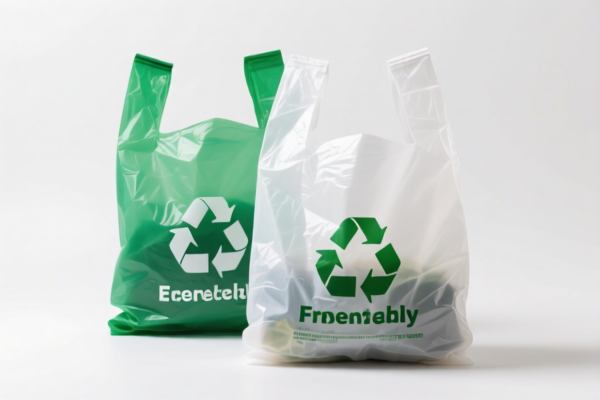
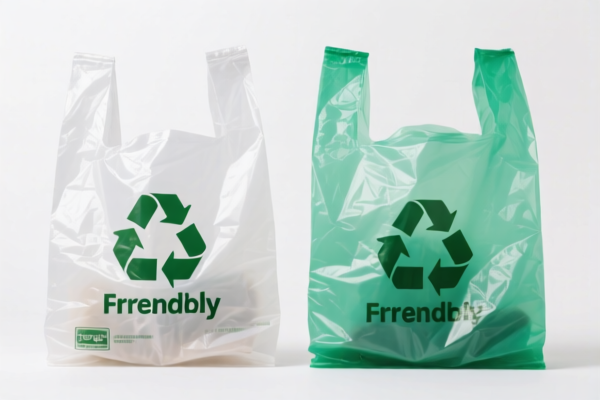
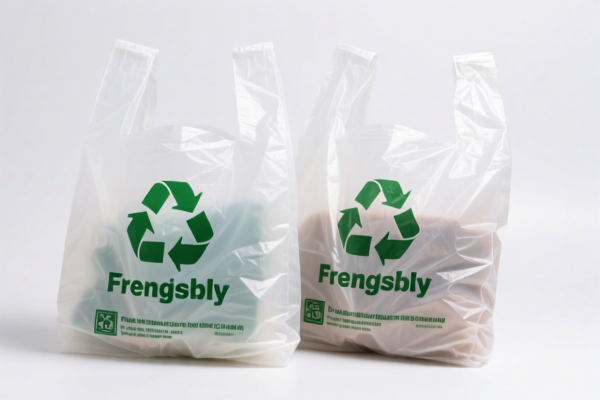
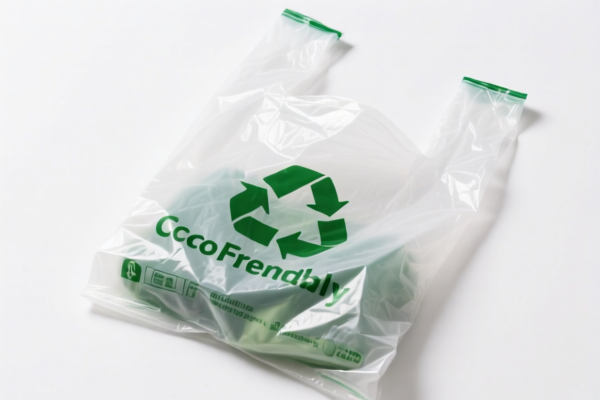
AI Analysis
🛍️ Eco-Friendly Polyethylene Bags: The Ultimate HS Code & Tariff Guide (2026 Update)
🌐 HS Code Reference & Customs Clearance Guide | 2026 Latest Tariff Analysis | Professional Clearance Strategy
📌 1. Product Definition & Classification: Do You Really Understand "Polyethylene Bags"?
Polyethylene (PE) bags are ubiquitous in global trade, serving as packaging, storage, and retail containers. However, the term "Eco-Friendly" is a marketing term, not a customs classification term. Under the Harmonized System (HS), classification depends strictly on material composition (PE vs. other plastics) and specific usage (generic bag vs. shopping handbag).
Misclassification is the #1 cause of customs delays and unexpected tariff hikes for these goods.
⚠️ Key Distinction Point:
- If the bag is made of Polyethylene (PE) and is a generic packaging container → It falls under Heading 3923.
- If the bag is made of Plastic (generic term) but designed specifically as a Shopping Bag/Handbag with handles/branding → It may fall under Heading 4202.
📦 2. HS Code Classification Details (Based on Provided Data)
| HS Code | Product Description | Application Scenario | Key Classification Criteria |
|---|---|---|---|
3923.21.00.80 |
Plastic Sacks & Bags, of Polymers of Ethylene (PE) | Generic packaging, industrial sacks, bulk bags | ✅ Material: Polyethylene (PE) ✅ Form: Bag |
3923.21.00.11 |
Plastic Sacks & Bags, of Polymers of Ethylene (PE) | Generic packaging, retail poly bags | ✅ Material: Polyethylene (PE) ✅ Form: Bag |
3923.21.00.30 |
Plastic Sacks & Bags, of Plastics (Generic) | Bags classified under "Other" plastic categories | ✅ Material: Plastic (General) ✅ Form: Bag ⚠️ Note: Based on other category determination |
4202.92.97.00 |
Articles of Plastics, Other (e.g., Shopping Bags) | Fashionable shopping bags, branded retail bags | ✅ Material: Plastic ✅ Form: Bag (Shopping/Container Use) ✅ Purpose: Shopping Bag |
4202.22.15.00 |
Handbags with Outer Surface of Plastics | Branded handbags, tote bags with specific handles | ✅ Material: Plastic ✅ Form: Bag (Handbag Use) ✅ Purpose: Handbag |
🔍 Critical Reminder:
- "Eco-Friendly" does not change the HS Code. Even if the PE bag is biodegradable or recycled, if the base material is Polyethylene, it typically remains in 3923.21.00 unless it meets specific legal definitions of other materials (rare for standard PE).
- Shape & Function Matter: A plain PE bag is3923. A PE bag with sturdy handles, branding, and a specific "shopping" aesthetic might be classified as4202, which carries a much higher tax rate.
💰 3. 2026 Latest Tariff Rate Breakdown (Including Additional Duties & Policy Surcharges)
✅ Applicable Country: United States (US)
✅ Origin: China (CN)
✅ Effective Date: 2025/2026 Current Rates
🎯 1. 3923.21.00.80 / 3923.21.00.11 / 3923.21.00.30
Category: Generic Polyethylene/Plastic Bags
| Item | Detail |
|---|---|
| Base Tariff | 3.0% |
| Section 301 Additional Tariff | 25.0% |
| Section 122 Tariff | 10.0% |
| Total Effective Rate | 38.0% |
| Tax Calculation | CIF Value × 38.0% |
| Legal Basis Path | Base Rate → USITC Footnote (301) → IEEPA (Section 122) |
📌 Explanation:
- These codes represent standard packaging bags.
- The 38% total rate is extremely high. It is composed of a low base (3%) plus significant geopolitical surcharges (25% + 10%).
- De Minimis Exemption? ❌ No. Goods classified under 3923.21.00 generally cannot use the $800 de minimis exemption if they are subject to Section 301/122 duties, depending on current enforcement strictness. Always declare fully.
🎯 2. 4202.92.97.00
Category: Other Plastic Articles (Shopping Bags/Containers)
| Item | Detail |
|---|---|
| Base Tariff | 17.6% |
| Section 301 Additional Tariff | 25.0% |
| Section 122 Tariff | 10.0% |
| Total Effective Rate | 52.6% |
| Tax Calculation | CIF Value × 52.6% |
| Legal Basis Path | Base Rate (4202) → USITC (301) → IEEPA (122) |
📌 Warning:
- This rate is significantly higher (52.6%) than generic bags (38.0%).
- Customs may classify a "poly bag" as4202if it has handles, branding, or specific shopping bag features. This mistake can cost you an extra 14.6% on the CIF value.
🎯 3. 4202.22.15.00
Category: Handbags (Plastic Outer Surface)
| Item | Detail |
|---|---|
| Base Tariff | 16.0% |
| Section 301 Additional Tariff | 25.0% |
| Section 122 Tariff | 10.0% |
| Total Effective Rate | 51.0% |
| Tax Calculation | CIF Value × 51.0% |
| Legal Basis Path | Base Rate (4202.22) → USITC (301) → IEEPA (122) |
📌 Note:
- Slightly lower than4202.92.97.00but still very high.
- Applies to branded handbags/totes made of plastic/PE. If your "eco-friendly bag" is sold as a fashion accessory, this code applies.
🛠️ 4. Customs Clearance Practical Advice (Real-World Pitfall Guide)
✅ 1. Preparation Checklist (Non-Negotiable)
| Document | Required? | Explanation |
|---|---|---|
| ✅ Product Specification Sheet | ✔️ | Must clearly state: "Material: Polyethylene (PE)". Do not just say "Plastic." |
| ✅ Photos (Front/Back/Bottom) | ✔️ | Show handles, gussets, and any branding. Helps distinguish between 3923 (simple bag) and 4202 (shopping bag). |
| ✅ Commercial Invoice | ✔️ | Description must match HS Code. E.g., "PE Sack for Packaging" vs. "Branded Shopping Bag." |
| ✅ Origin Certificate | ✔️ | Proof of Chinese origin triggers the 38%-52% rates. |
| ✅ Composition Test Report | ✔️ | If challenged, prove it is 100% PE (for 3923) vs. mixed materials. |
✅ 2. Declaration Strategy (Key Mantras)
🔥 "Material First, Usage Second. 3923 is Cheaper, 4202 is Risky."
| Scenario | Correct Declaration | Wrong Approach | Consequence |
|---|---|---|---|
| Plain PE sacks with no handles | 3923.21.00.80 or 11 |
Calling it "Shopping Bag" | Risk of audit, potential 52.6% rate if misclassified |
| Branded tote with handles | 4202.92.97.00 or 22.15 |
Calling it "PE Sack" | Penalty for misclassification, back taxes + interest |
| "Eco-Friendly" claim | State "Recycled PE" or "Biodegradable PE" | Using "Eco-Friendly" as HS basis | Customs ignores "Eco" label; looks at material (PE) |
✅ 3. Special Cases
| Situation | Handling Advice |
|---|---|
| OEM/Custom Bags | Provide design files. If handles are integrated into the plastic film, argue for 3923. If they are attached straps, argue for 4202. |
| Bulk vs. Retail | Bulk rolls of PE bags → Definitely 3923. Pre-made individual bags → Ambiguous, check handles. |
| Mixed Shipments | Declare 3923 and 4202 items on separate lines. Do not average the rates. |
🌍 5. Global Market Comparison (2026)
| Country/Region | Recommended HS Code | Tariff Rate (China Origin) | Key Certifications | Notes |
|---|---|---|---|---|
| 🇺🇸 USA | 3923.21.00.80 |
38.0% | No specific FDA req. for simple bags | High Section 122 & 301 duties |
| 🇺🇸 USA | 4202.92.97.00 |
52.6% | None | Avoid unless necessary |
| 🇨🇳 China | 3923.21.00.80 |
~9% - 12% | GB Standard | Import duty lower, VAT applies |
| 🇪🇺 EU | 3923.21.00.00 |
6.5% | REACH Compliance | No Section 301/122 equivalent |
| 🇨🇦 Canada | 3923.21.00.00 |
5% - 6.5% | PFAS Regulations | Watch for chemical restrictions |
📌 Conclusion:
- The USA is the most expensive market for PE bags due to the 38%-52.6% tariff stack.
- EU and Canada have standard WTO rates (6-9%), which is a massive difference.
- Strategy: For the US market, ensure your bags are classified under 3923 (not 4202) to save 14-15% in taxes.
📌 6. Common Errors & Pitfalls (Lessons Learned)
❌ Error 1: Calling the product "Eco-Friendly Bag" on the Invoice
👉 Result: Customs ignores "Eco." They look at material. If it's PE, it's 3923. No tax benefit for "Eco" unless it meets specific legal definitions (very rare).
❌ Error 2: Classifying Handle-Bags as 3923
👉 Result: If the bag has a distinct handle for carrying (like a grocery bag), Customs may reclassify to 4202.
👉 Cost Impact: Tax jumps from 38% to 52.6%.
❌ Error 3: Using De Minimis ($800) for PE Bags
👉 Result: Many PE bags (HS 3923) are subject to Section 301/122 tariffs, which waive the de minimis exemption.
👉 Risk: Package held, taxes assessed retroactively + storage fees.
✅ Correct Approach:
"Polyethylene (PE) Sacks, Blank, No Brand, For Industrial Packaging Use, 3923.21.00.80"
🎯 7. Conclusion: Precision in Classification Saves Money!
🎯 Remember the Mantra:
🔹 "Material Defines Code, Usage Defines Duty."
🔹 "3923 is 38%, 4202 is 52%+ – Don't let handles cost you 15%!"
🔹 "Eco-Friendly is Marketing, Polyethylene is Customs Reality."
📌 Pro Tip:
If you are importing large volumes to the US:
1. Request a Binding Ruling (CBP Ruling) from US Customs before shipping.
2. Ensure your product photos clearly show if handles are part of the film (3923) or attached (4202).
3. Consider supply chain diversification if the 38-52% tariff erodes your margin, as the US market is currently the most expensive for these goods.
📣 Immediate Action:
📞 Audit your current invoices. Are you using "Shopping Bag" or "Poly Sack"?
🚀 Optimize your HS Code to the lowest legitimate rate (likely 3923.21.00.80/11).
💼 Your profit margin depends on accurate classification!
✨ Professional Clearance Starts with Accurate Classification!
💼 Every percentage point of tax is a point of profit lost!
Customer Reviews
About HS Code Classification
The Harmonized System (HS) is an internationally standardized nomenclature developed by the World Customs Organization (WCO) to classify traded products. Over 200 countries use the HS system as the basis for customs tariffs, trade statistics, and import/export regulations.
Each HS code follows a hierarchical structure:
- Chapter (2 digits) — Broad category of goods (e.g., Chapter 84: Machinery and Mechanical Appliances)
- Heading (4 digits) — More specific grouping within the chapter
- Subheading (6 digits) — Internationally standardized breakdown, used by all WCO member countries
- National subdivisions (8-10 digits) — Country-specific extensions for further classification, such as US HTSUS 10-digit codes
Correct HS code classification is essential for smooth customs clearance, accurate duty payment, and compliance with trade regulations. Misclassification can lead to customs delays, overpayment of duties, or penalties.
When importing from CN to US, the applicable tariff rates may include:
- Most-Favored-Nation (MFN) rate — The standard duty rate applied to WTO members
- General rate — Applied to countries without trade agreements
- Trade remedy duties — Additional tariffs such as Section 301 (anti-dumping), Section 232 (national security), or countervailing duties
The information provided on this page is for reference purposes only. For official classification, please consult with your local customs authority or a licensed customs broker.