Eco friendly Paper Packaging Box
CN → US| HS Code | Tariff Rate | Origin | Destination | Doc |
|---|---|---|---|---|
| 4819100020 | 35.0% | CN | US | Official Doc |
| 4819200020 | 35.0% | CN | US | Official Doc |
| 4823908000 | 35.0% | CN | US | Official Doc |
| 4811412100 | 35.0% | CN | US | Official Doc |
| 4823902000 | 35.0% | CN | US | Official Doc |
Product Images
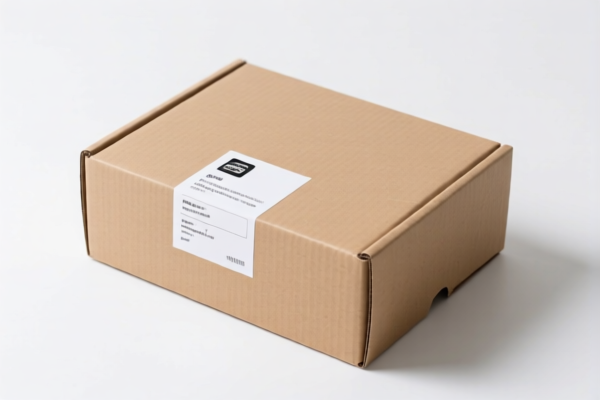
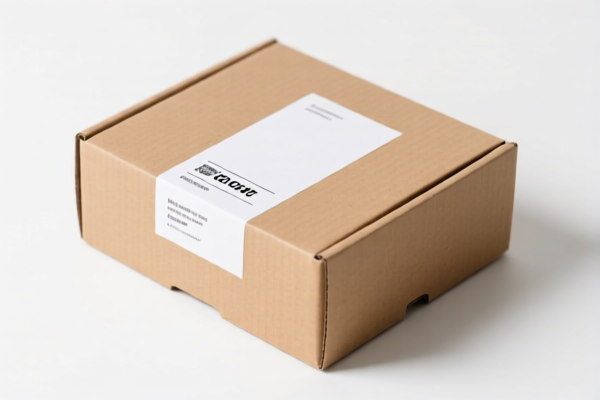

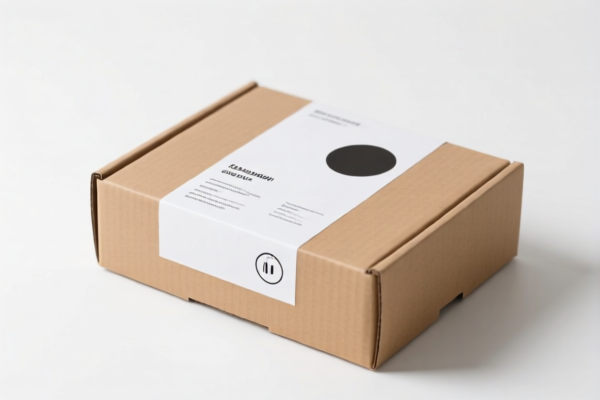
AI Analysis
📦 Eco-Friendly Paper Packaging Box
🌐 HS Code Reference & Customs Clearance Guide | 2026 Latest Tariff Breakdown | Professional Clearance Strategy
📌 Part 1: Product Definition & Classification: What Exactly is "Eco-Friendly Paper Packaging"?
Eco-friendly paper packaging refers to a broad category of paper-based containers and labels designed for sustainability. In international trade, these goods are not classified under a single code but are split based on their form factor (box vs. label) and structural characteristics (corrugated vs. folded vs. adhesive).
The key distinction lies in the physical state of the product: * Boxes/Containers: Rigid or semi-rigid structures (Corrugated boxes, Folding cartons). * Labels/Tags: Flat, adhesive, or die-cut paper items used for identification or branding.
⚠️ Critical Distinction:
- If the item is a box (rigid, foldable, or corrugated) → It falls under Chapter 48, Headings 4819.
- If the item is a label (adhesive, die-cut, or paper tag) → It falls under Chapter 48, Headings 4811 or 4823.
📊 Part 2: HS Code Classification Matrix (2026 Latest Tariff Authority)
| HS Code | Product Description | Key Characteristics | Applicable Scenario |
|---|---|---|---|
4819.10.00.20 |
Corrugated Paper Board Boxes | Made of corrugated paper or paperboard; rigid structure. | Standard shipping boxes, heavy-duty packaging, corrugated mailers. |
4819.20.00.20 |
Folding Paper Boxes/Cartons | Folded boxes or箱类 (box-like structures) made of paper. | Cosmetic boxes, food cartons, retail packaging, folded cartons. |
4823.90.80.00 |
Other Paper Articles (Labels/Tags) | Die-cut shapes, tags, or labels not elsewhere specified. | Hang tags, die-cut stickers, non-adhesive paper labels, custom-shaped paper items. |
4811.41.21.00 |
Adhesive Paper Labels | Paper with adhesive backing; used for labeling. | Self-adhesive product labels, barcode stickers, brand labels with glue. |
4823.90.20.00 |
Other Paper Articles (Pulp-based) | Made of paper pulp; generic "other" classification. | Paper-based tags, simple paper labels, items fitting a "catch-all" logical deduction for pulp products. |
🔍 Key Insight:
- "Eco-friendly" is a marketing term, not a customs classification term. Customs will classify based on the physical material and structure, not the environmental impact.
- If your "box" is actually a thin, folded carton (not corrugated), use4819.20.00.20.
- If your "box" is thick and rigid (corrugated), use4819.10.00.20.
- If it is a sticker or label, do NOT use the box codes; use4811or4823.
💰 Part 3: 2026 Latest Tariff Rate Breakdown (Detailed Tax Clauses)
✅ Applicable Country: United States (US)
✅ Country of Origin: China (CN)
✅ Effective Time: 2025/2026 Import Period
⚠️ Unified Tax Structure for All Codes Listed Below:
All five HS codes provided in the data share the same tariff structure due to current trade policies.
| Tax Component | Rate | Legal Basis & Explanation |
|---|---|---|
| Base Tariff | 0.0% | Standard Most Favored Nation (MFN) rate for many paper products. |
| Section 301 Additional Duty | 25.0% | Applied to specific Chinese-origin goods under US Trade Act Section 301. |
| Section 122 Additional Duty | 10.0% | Specific additional tariff clause (often referred to as "122 clause" in trade data) applicable to Chinese paper/packaging imports. |
| TOTAL EFFECTIVE RATE | 35.0% | Sum of 0% + 25% + 10% |
📌 Detailed Tax Explanation:
- Base Tariff (0.0%): The standard duty rate for these paper articles under normal trade conditions is zero.
- Section 301 Duty (25.0%): This is the primary punitive tariff for Chinese manufacturing goods. It applies broadly to industrial and consumer products, including packaging materials.
- Section 122 Duty (10.0%): This is a specific additional levy. In the context of this data, it is explicitly listed as an add-on for these HS codes, bringing the total burden from 25% to 35%.
💡 Cost Calculation Example:
If you import $10,000 worth of Eco-Friendly Paper Boxes:
- Base Duty: $0
- Section 301 Duty: $10,000 × 25% = $2,500
- Section 122 Duty: $10,000 × 10% = $1,000
- Total Tax Due: $3,500 (35%)
🛠️ Part 4: Customs Clearance Practical Advice (Avoid Pitfalls)
✅ 1. Documentation Checklist (Mandatory)
| Document | Required? | Purpose |
|---|---|---|
| Commercial Invoice | ✔️ | Must clearly state "Paper Packaging Box" or "Paper Label," not just "Gift Box." |
| Packing List | ✔️ | Must detail weight and volume. Paper is bulky; volume weight matters. |
| Product Description | ✔️ | Specifics: "Corrugated" vs. "Folding" vs. "Adhesive Label." Misclassification leads to penalties. |
| Material Certificate | ⚠️ Optional | If claiming "Eco-friendly" for marketing, keep this. For customs, it's not required unless specific environmental certs are requested. |
| Brand Authorization | ⚠️ If Branded | If the box has a logo, ensure IP rights are cleared to avoid seizure. |
✅ 2. Classification Strategy (Do's and Don'ts)
| Scenario | Correct HS Code | Incorrect HS Code | Risk |
|---|---|---|---|
| Thick Shipping Box | 4819.10.00.20 |
4819.20.00.20 |
If declared as "Folding Box" but is "Corrugated," CBP may reclassify and audit. |
| Retail Cosmetic Box | 4819.20.00.20 |
4819.10.00.20 |
Thin folded cartons are NOT corrugated. Misclassification causes delays. |
| Sticker Label | 4811.41.21.00 |
4823.90.80.00 |
Adhesive labels belong in 4811. Using 4823 is a "catch-all" error that attracts scrutiny. |
| Paper Hang Tag | 4823.90.80.00 |
4819.xxxxx |
Tags are not "boxes." Using box codes for tags is a clear error. |
✅ 3. Special Clearance Tips
- Moisture Content: Paper products are sensitive to humidity. Ensure packaging is palletized and wrapped in plastic to prevent damage during ocean transit. Damaged goods may be rejected.
- Fumigation: While paper itself doesn't require fumigation like wood, if your paper boxes are shipped on wooden pallets, those pallets MUST be ISPM-15 compliant (heat-treated). Wooden pallets without stamps will cause massive delays.
- Valuation: Since the tax rate is high (35%), ensure your declared value is accurate. Under-declaration is risky; over-declaration increases cost.
- De Minimis: NO de minimis exemption. Unlike some electronics or low-value items, commercial shipments of paper packaging are fully subject to duty. Do not try to split shipments into small parcels to avoid duty; CBP scrutinizes this aggressively.
🌍 Part 5: Global Market Comparison (2026 Update)
| Market | Recommended HS Code | Estimated Duty (China Origin) | Key Requirement |
|---|---|---|---|
| 🇺🇸 USA | 4819.10 / 4819.20 / 4823 |
35% (0% Base + 25% Sec 301 + 10% Sec 122) | High scrutiny on "Eco-friendly" claims; strict IP checks. |
| 🇪🇺 EU | Similar Codes (e.g., 4819) | 0% - 4.5% (General MFN) | CE Marking not required for paper, but REACH compliance for inks/coatings may apply. |
| 🇨🇳 China | Same Codes | 0% - 5% (Import Duty) | VAT 13% applies. Low entry barrier. |
| 🇨🇦 Canada | Similar Codes | 5% - 10% | May benefit from CUSMA if originating in US/Mexico. |
📌 Conclusion:
The USA is the most expensive market for Chinese paper packaging due to the cumulative 35% tariff.
Strategic Advice: If shipping to the US, calculate if the cost of tariffs outweighs the margin. Consider sourcing packaging locally or from countries with FTAs (Free Trade Agreements) if volume is high.
📌 Part 6: Common Mistakes & Pitfalls (Lessons Learned)
❌ Mistake 1: Labeling all paper items as "Gift Box."
👉 Consequence: CBP may reject "Gift Box" as a generic term. Must specify "Corrugated Box" or "Folding Carton."
❌ Mistake 2: Confusing "Labels" with "Boxes."
👉 Consequence: Using 4819 for a roll of stickers is a classification error. Labels go to 4811 or 4823. Wrong code = Wrong duty calculation = Audit.
❌ Mistake 3: Ignoring Wooden Pallets.
👉 Consequence: If the paper boxes are on untreated wood, the entire shipment is held for fumigation or destroyed.
✅ Correct Practice:
"100% Recycled Corrugated Shipping Boxes, Double Wall, No Wooden Pallets, Plastic Wrapped."
🎯 Part 7: Final Takeaway: Precision Pays Off
🎯 Key Mnemonic:
🔹 "Corrugated is 4819.10, Folded is 4819.20."
🔹 "Adhesive Labels are 4811, Other Tags are 4823."
🔹 "35% Tax is the Truth for US Imports from China."
📌 Pro Tip:
Since the tariff is high, pre-classification rulings are recommended for large volume importers. Contact a US Customs broker before shipping to confirm if your specific product fits the "Eco-friendly" narrative in a way that might qualify for any potential (though rare) exemptions or if the structural definition strictly matches the code.
📣 Immediate Action:
📞 Verify Structure: Is it Corrugated or Folded?
📞 Verify Material: Is it Adhesive or Non-Adhesive?
📞 Calculate Cost: Budget for 35% duty + freight + insurance.
🚀 Clear Compliance: Ensure no wooden pallets without ISPM-15 stamps.
✨ Professional Clearance Starts with Accurate Classification!
💼 Every dollar of duty saved is pure profit!
Customer Reviews
About HS Code Classification
The Harmonized System (HS) is an internationally standardized nomenclature developed by the World Customs Organization (WCO) to classify traded products. Over 200 countries use the HS system as the basis for customs tariffs, trade statistics, and import/export regulations.
Each HS code follows a hierarchical structure:
- Chapter (2 digits) — Broad category of goods (e.g., Chapter 84: Machinery and Mechanical Appliances)
- Heading (4 digits) — More specific grouping within the chapter
- Subheading (6 digits) — Internationally standardized breakdown, used by all WCO member countries
- National subdivisions (8-10 digits) — Country-specific extensions for further classification, such as US HTSUS 10-digit codes
Correct HS code classification is essential for smooth customs clearance, accurate duty payment, and compliance with trade regulations. Misclassification can lead to customs delays, overpayment of duties, or penalties.
When importing from CN to US, the applicable tariff rates may include:
- Most-Favored-Nation (MFN) rate — The standard duty rate applied to WTO members
- General rate — Applied to countries without trade agreements
- Trade remedy duties — Additional tariffs such as Section 301 (anti-dumping), Section 232 (national security), or countervailing duties
The information provided on this page is for reference purposes only. For official classification, please consult with your local customs authority or a licensed customs broker.