Elastic Acrylic Polymer Injection Molding Grade Raw Material
CN → US| HS Code | Tariff Rate | Origin | Destination | Doc |
|---|---|---|---|---|
| 3208200000 | 38.6% | CN | US | Official Doc |
| 3208900000 | 38.2% | CN | US | Official Doc |
| 3906902000 | 41.3% | CN | US | Official Doc |
| 3906901000 | 35.0% | CN | US | Official Doc |
| 3906902000 | 41.3% | CN | US | Official Doc |
Product Images
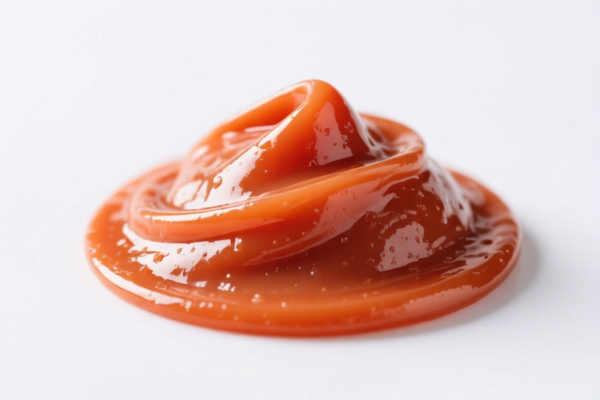

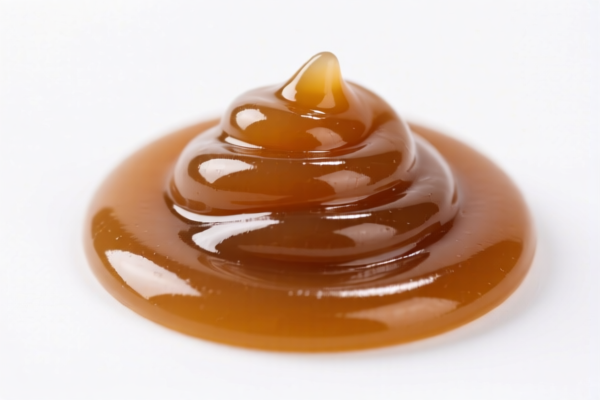
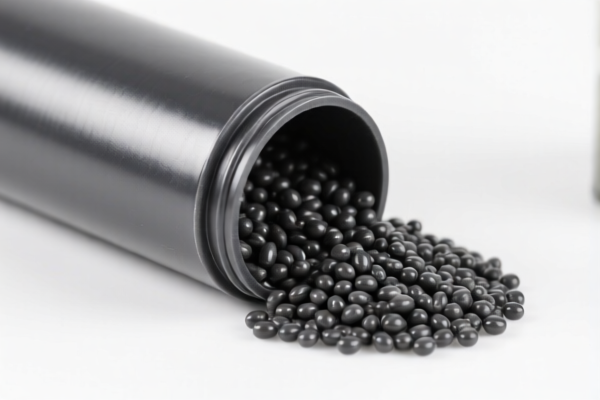
AI Analysis
🏭 Elastic Acrylic Polymer Injection Molding Grade Raw Material
🌐 HS Code Reference & Customs Clearance Guide | 2026 Latest Tariff Analysis | Professional Entry Strategy
📌 I. Product Definition & Classification: What Exactly is "Elastic Acrylic Polymer"?
Elastic Acrylic Polymers are advanced thermoplastic materials derived from acrylic acid esters, modified to provide superior flexibility, impact resistance, and weatherability compared to standard PMMA (Polymethyl Methacrylate). In international trade, they are primarily classified based on their physical form (solid resin vs. liquid precursor) and chemical composition (homopolymer vs. copolymer mixture).
1. Acrylic Polymer Resins (Primary Forms):
* Description: Solid pellets, beads, or granules used directly for injection molding or extrusion.
* Key Characteristic: These are the final polymerization products. If the material is described as an "elastic" elastomer or a specific copolymer mixture designed for flexibility, it often falls under Heading 3906.
* Sub-category:
* Solid Elastomers: If classified strictly as an elastomer (rubber-like plastic), it may fall under 3906.90.10.00.
* Other Acrylic Polymers in Primary Forms: If not strictly classified as an elastomer but as a generic acrylic copolymer/terpolymer in solid form, it falls under 3906.90.20.00.
2. Acrylic Polymer Preparations (Liquid/Paste Forms): * Description: Liquid resins, pastes, or solutions used as raw materials for paints, varnishes, or coating formulations. * Key Characteristic: These are often "predissolved" or mixed with solvents/plasticizers to create a ready-to-use coating base. They are not yet the final solid molded part. * Sub-category: These fall under Heading 3208 (Paints and varnishes; preparations based on synthetic polymers).
⚠️ Key Distinction Point:
- If the product is a solid pellet/granule used for injection molding → Look at HS 3906.
- If the product is a liquid/paste used for paints/coatings/primers → Look at HS 3208/3209.
- "Elastic" Property: If the elasticity is inherent to the polymer structure (elastomeric), try to argue for3906.90.10.00. If it's a standard copolymer with good weatherability but not a true elastomer, use3906.90.20.00.
📦 II. HS Code Classification Matrix (2026 Latest Tariff Mapping)
Based on the provided data, here are the precise classifications for "Elastic Acrylic Polymer" raw materials:
| HS Code | Product Description Summary | Applicable Scenario | Tax Rate (Total) |
|---|---|---|---|
3906.90.10.00 |
Elastic Acrylic Polymer Raw Material; matches acrylic polymer material and elastomer category | Solid elastomeric acrylics, flexible injection molding resins | 35.0% |
3906.90.20.00 |
Elastic Acrylic Polymer Filming Material; matches acrylic polymer material and primary form state | Solid acrylic copolymers in beads/powders/pellets used for film formation | 41.3% |
3208.20.00.00 |
Elastic Acrylic Polymer Weather-Resistant Raw Material; matches acrylic polymer material & raw material characteristics | Liquid acrylics for paints/varnishes; weather-resistant coatings | 38.6% |
3208.90.00.00 |
Elastic Acrylic Polymer Weather-Resistant Raw Material; matches synthetic polymer & varnish/precursor nature | Liquid acrylic preparations for paints/primers (non-specified) | 38.2% |
🔍 Critical Note on "Injection Molding":
The term "Injection Molding Grade" strongly suggests a solid primary form (HS 3906). If your material is sold as a liquid for spray-coating or brushing, it falls under HS 3208. However, if it is a solid resin meant to be melted and injected, you must choose between3906.90.10.00(Elastomer) and3906.90.20.00(Other Primary Form).
💰 III. 2026 Latest Tariff Rate Breakdown (Including Surtaxes & Policy Add-ons)
✅ Applicable Country: United States (US)
✅ Country of Origin: China (CN)
✅ Effective Time: From November 10, 2025 (for subsequent imports)
🎯 1. 3906.90.10.00 —— Elastic Acrylic Polymers (Elastomer Category)
| Item | Content |
|---|---|
| Base Rate | 0.0% (ad valorem) |
| USITC Surcharge | +25.0% (Section 301 Duty) |
| 122 Section Duty | +10.0% (Specific provision for certain synthetic polymers) |
| Total Rate | 35.0% |
| Tax Calculation | CIF Value × 35.0% |
| De Minimis Eligibility | ❌ Not Eligible (deny_de_minimis) |
| Legal Basis Path | 122 Section → USITC:3906.90.10.00 → Section 301 Footnote |
📌 Explanation:
- Base Rate 0%: Acrylic polymers in primary forms often enjoy low base tariffs under GATT.
- 25% Section 301: Applies to "Other plastics and articles thereof" from China.
- 10% 122 Section: A specific additional tariff applied to certain chemical precursors or polymers under Section 122 of the Trade Act.
- Total 35%: This is the most favorable rate among solid acrylic options. Argument Tip: Emphasize the "Elastomer" nature to qualify for3906.90.10.00instead of3906.90.20.00to save 6.3%.
🎯 2. 3906.90.20.00 —— Acrylic Polymers in Primary Forms (Other)
| Item | Content |
|---|---|
| Base Rate | 6.3% (ad valorem) |
| USITC Surcharge | +25.0% (Section 301 Duty) |
| 122 Section Duty | +10.0% (Specific provision) |
| Total Rate | 41.3% |
| Tax Calculation | CIF Value × 41.3% |
| De Minimis Eligibility | ❌ Not Eligible (deny_de_minimis) |
| Legal Basis Path | 122 Section → USITC:3906.90.20.00 → Section 301 Footnote |
📌 Explanation:
- Base Rate 6.3%: Higher base tariff because it is not classified as an elastomer but as a generic acrylic polymer.
- Total 41.3%: Higher total tax than the elastomer category.
- Risk: If the customs officer disagrees with the "Elastomer" classification, they may reclassify to this code, increasing costs by 6.3%.
🎯 3. 3208.20.00.00 & 3208.90.00.00 —— Liquid Acrylic Preparations (Paints/Varnishes)
| Item | Content |
|---|---|
| Base Rate | 3.6% (3208.20) / 3.2% (3208.90) |
| USITC Surcharge | +25.0% (Section 301 Duty) |
| 122 Section Duty | +10.0% (Specific provision) |
| Total Rate | 38.6% (3208.20) / 38.2% (3208.90) |
| Tax Calculation | CIF Value × Total Rate |
| De Minimis Eligibility | ❌ Not Eligible (deny_de_minimis) |
📌 Explanation:
- If your "injection molding grade" material is actually a liquid resin (rare for injection molding, common for coatings), these codes apply.
-3208.20is for paints/varnishes based on acrylic polymers.
-3208.90is for other preparations based on synthetic polymers.
- Note: Injection molding typically uses solids. If you import liquids for molding, ensure the usage description matches HS 3208 to avoid misclassification penalties.
🛠️ IV. Customs Clearance Practical Advice (Real-World Pitfall Guide)
✅ 1. Required Documentation Checklist (Non-Negotiable)
| Document | Mandatory? | Description |
|---|---|---|
| ✅ Technical Data Sheet (TDS) | ✔️ | Must explicitly state: "Acrylic Polymer," "Primary Form," "Elastomeric Properties (if claiming 3906.90.10.00)," "Melt Flow Index." |
| ✅ Structure Diagram / Formula | ✔️ | Chemical structure proving it is an acrylic copolymer. |
| ✅ Product Photos | ✔️ | Show physical state: Solid Pellets/Beads (for HS 3906) or Liquid/Paste (for HS 3208). |
| ✅ Commercial Invoice | ✔️ | Must clearly describe: "Elastic Acrylic Polymer Resin for Injection Molding." Avoid vague terms like "Plastic Material." |
| ✅ Certificate of Origin (CO) | ✔️ | Required for Section 301 duty assessment. |
| ✅ Supply Chain Declaration | ✔️ | Declare all manufacturing steps to prove origin. |
✅ 2. Declaration Strategy (Key Mnemonic)
🔥 "State Defines Code: Solid Pellet = 3906, Liquid Paint = 3208. Claim Elastomer to Save 6.3%!"
| Scenario | Correct HS Code | Wrong Practice | Consequence |
|---|---|---|---|
| Solid Pellets (Injection Grade) | 3906.90.10.00 (if Elastomer) OR 3906.90.20.00 |
Declare as 3906.90.20.00 without justification |
Pay 41.3% instead of 35.0% |
| Solid Pellets (Not Elastomer) | 3906.90.20.00 |
Declare as 3208.90.00.00 |
Misclassification penalty + 38.2% vs 41.3% risk |
| Liquid Resin (For Coating) | 3208.20.00.00 or 3208.90.00.00 |
Declare as Solid 3906 |
Rejection at border; material state mismatch |
| Mixture (Acrylic + Other Polymers) | Check dominant character | Split shipment | Complex valuation and origin rules |
✅ 3. Special Situation Handling
| Situation | Handling Advice |
|---|---|
| OEM Custom Acrylic Resin | Provide the TDS highlighting "Elasticity" and "Weather Resistance." If it behaves like rubber, push for 3906.90.10.00. |
| "Injection Molding Grade" but Liquid | Ensure the invoice says "Liquid Acrylic Resin for Casting/Molding." If solid, it must be melted first. Misleading description leads to delays. |
| Mixed Shipments | Do not combine solids and liquids in one Bill of Lading without clear separation. Customs may audit the entire shipment. |
| Origin Dispute | If the acrylic monomer is imported from Vietnam but polymerization occurs in China → Origin is China. Section 301 applies. |
🌍 V. Global Market Comparison (2026 Latest)
| Country/Region | Recommended HS Code | Tariff (CN Origin) | Certification Requirements | Notes |
|---|---|---|---|---|
| 🇺🇸 USA | 3906.90.10.00 |
35.0% (if Elastomer) | FCC (if embedded), RoHS | Highest Cost. 122 Section + 301 Duty apply. |
| 🇨🇳 China | 3906.90.10.00 |
0% - 5% | N/A | No Section 301. Low entry cost. |
| 🇪🇺 EU | 3906.90.10.00 |
5.3% | REACH Registration | No surcharges. REACH compliance is critical. |
| 🇯🇵 Japan | 3906.90.10.00 |
6.0% | PSE (if consumer good) | Stable tariff. No political surcharges. |
| 🇻🇳 Vietnam | 3906.90.10.00 |
0% | N/A | Optimal for Export to US if processed/transformed there. |
📌 Conclusion:
- USA imposes a 35%–41.3% tariff on Chinese acrylic polymers.
- EU & Japan have stable, low tariffs (5–6%).
- Vietnam/Malaysia offer 0% tariffs if substantial transformation occurs.
📌 VI. Common Errors & Pitfalls (Lessons Learned)
❌ Error 1: Calling "Solid Pellets" "Acrylic Liquid" in the invoice to avoid high duties
👉 Consequence: Customs inspection reveals solid pellets → Retrospective Tax + Penalty!
❌ Error 2: Ignoring the "122 Section" tariff
👉 Consequence: Underpayment of 10% → Debt Collection + Interest.
❌ Error 3: Claiming "Elastomer" status without technical proof
👉 Consequence: Customs reclassifies to 3906.90.20.00 → Pay 41.3% instead of 35.0%.
❌ Error 4: Mixing HS 3208 (Paints) and HS 3906 (Resins) in one declaration
👉 Consequence: Customs delays the shipment for detailed classification review.
✅ Correct Practice:
"Elastic Acrylic Copolymer Resin, Solid Pellets, MFI 15g/10min, Weather-Resistant, For Injection Molding, Model XYZ, TDS Available, Origin: China."
🎯 VII. Conclusion: Precision Classification Saves 6.3%!
🎯 Remember the Mantra:
🔹 "Solid Pellet = HS 3906, Liquid = HS 3208."
🔹 "Claim Elastomer (10.10) to Save 6.3% over Generic (20.20)."
🔹 "Section 301 + 122 Section = High Tax, Plan Ahead!"
📌 Pro Tip:
If you are importing 500kg+ of Elastic Acrylic Polymer, consider:
1. Advance Ruling: Apply for a binding ruling with US CBP to confirm 3906.90.10.00 classification.
2. Supply Chain Shift: Source from Vietnam or Thailand to bypass Section 301 duties entirely.
3. Duty Drawback: If you export the molded parts, you may recover part of the duty.
📣 Immediate Action:
📞 Consult a licensed customs broker with your TDS and Product Photos.
📄 Request a Pre-Arrival Ruling from CBP.
🚀 Avoid Surprises. Save 6.3%. Clear Customs Faster.
✨ Professional Customs Clearance Starts with Accurate Classification!
💼 Your Bottom Line Depends on the Decimal Point!
Customer Reviews
About HS Code Classification
The Harmonized System (HS) is an internationally standardized nomenclature developed by the World Customs Organization (WCO) to classify traded products. Over 200 countries use the HS system as the basis for customs tariffs, trade statistics, and import/export regulations.
Each HS code follows a hierarchical structure:
- Chapter (2 digits) — Broad category of goods (e.g., Chapter 84: Machinery and Mechanical Appliances)
- Heading (4 digits) — More specific grouping within the chapter
- Subheading (6 digits) — Internationally standardized breakdown, used by all WCO member countries
- National subdivisions (8-10 digits) — Country-specific extensions for further classification, such as US HTSUS 10-digit codes
Correct HS code classification is essential for smooth customs clearance, accurate duty payment, and compliance with trade regulations. Misclassification can lead to customs delays, overpayment of duties, or penalties.
When importing from CN to US, the applicable tariff rates may include:
- Most-Favored-Nation (MFN) rate — The standard duty rate applied to WTO members
- General rate — Applied to countries without trade agreements
- Trade remedy duties — Additional tariffs such as Section 301 (anti-dumping), Section 232 (national security), or countervailing duties
The information provided on this page is for reference purposes only. For official classification, please consult with your local customs authority or a licensed customs broker.