Elastic Cord
CN → US| HS Code | Tariff Rate | Origin | Destination | Doc |
|---|---|---|---|---|
| 4016996050 | 37.5% | CN | US | Official Doc |
| 5604909000 | 40.0% | CN | US | Official Doc |
| 5604100000 | 41.3% | CN | US | Official Doc |
| 9506910030 | 22.1% | CN | US | Official Doc |
| 9506996080 | 21.5% | CN | US | Official Doc |
| 4016993510 | 35.0% | CN | US | Official Doc |
Product Images
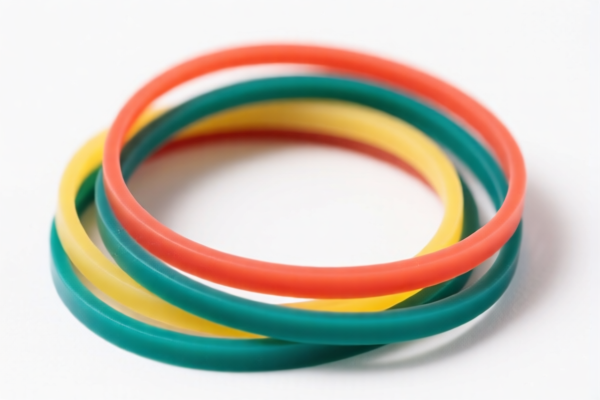
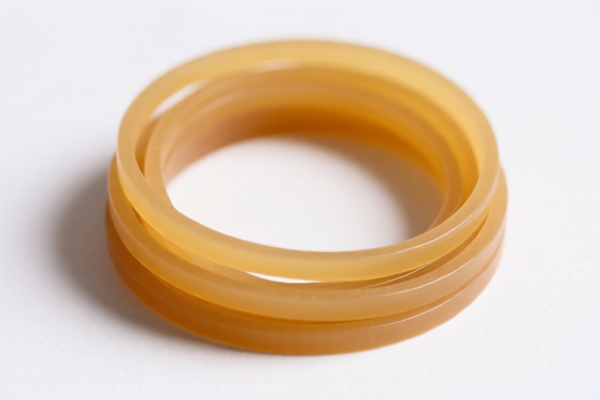

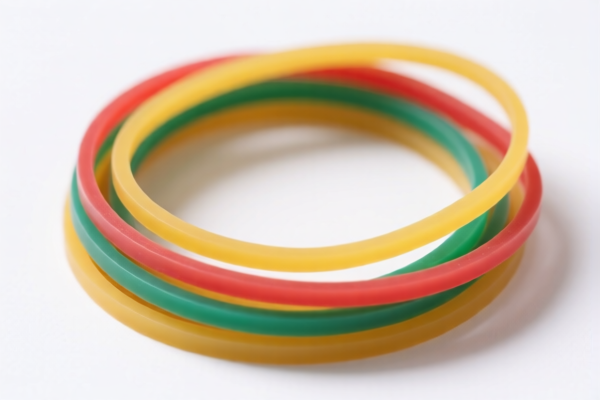
AI Analysis
🌿 Elastic Cord (Rubber Bands & Rubber-Covered Cords)
🌐 HS Code Reference & Clearance Guide | 2026 Latest Tariff Analysis | Professional Customs Strategy
📌 Part I: Product Definition & Classification: Do You Really Understand "Elastic Cord"?
"Elastic Cord" is a broad term in international trade, primarily referring to products made of rubber or elastic materials. In customs classification, the specific HS Code depends heavily on the material composition, structure, and intended use. It is generally divided into three main categories:
Rubber Elastic Bands (e.g., Rubber Bands): Purely natural or synthetic rubber products, often used for bundling. Rubber-Textile Composite Cords: Ropes or cords covered with rubber or textile material, used for industrial or general purposes. Sports/Gymnastic Elastic Bands: Specific fitness equipment made of rubber or latex, used for exercise.
⚠️ Key Distinction Points:
- If it is a simple natural rubber band with no textile reinforcement → Classified under 4016.99.35.10
- If it is a cord/rope structure with rubber or textile covering → Classified under 5604 series
- If it is specifically marketed as gym/fitness equipment → Classified under 9506 series
📦 Part II: HS Code Classification Details (2026 Latest Tariff Authority Comparison)
Based on the provided data, here are the precise classifications for "Elastic Cord" variants:
| HS Code | Product Description | Application Scenario | Material/Structure |
|---|---|---|---|
4016.99.35.10 |
Natural Rubber Rubber Bands | Bundling office supplies, packages, etc. | Pure natural/synthetic rubber, high elasticity |
5604.90.90.00 |
Rubber/Textile Covered Cord | General industrial use, non-specific ropes | Rubber or textile covered cord/rope structure |
5604.10.00.00 |
Rubber Line/Cord | Industrial ropes, specific rubber cords | Cord form with rubber/textile covering |
9506.91.00.30 |
General Sports/Gym Equipment | Fitness centers, home gyms, sports stores | Rubber/plastic materials, sports utility |
9506.99.60.80 |
Sports Training Apparatus | Specific gymnastic exercises, resistance training | Elastic materials like rubber or latex |
4016.99.60.50 |
General Rubber Products | Non-specific rubber items, miscellaneous | Vulcanized or elastic rubber, non-specific use |
🔍 Important Reminder:
- Do not confuse "Rubber Bands" with "Elastic Sports Bands": The former is a simple bundling item (4016...or5604...), while the latter is classified as sports equipment (9506...). - "Covered Cord" vs. "Pure Rubber": If the cord has a textile core covered by rubber, it falls under Chapter 56 (5604). If it is purely rubber, it falls under Chapter 40 (4016).
💰 Part III: 2026 Latest Tariff Rate Details (Including Surtaxes, Policy Add-ons)
✅ Applicable Country: United States (US)
✅ Origin: China (CN)
✅ Effective Date: From Nov 10, 2025 onwards (including subsequent imports)
🎯 1. 4016.99.35.10 —— Natural Rubber Rubber Bands
| Item | Content |
|---|---|
| Base Tariff | 0.0% (ad valorem) |
| Section 301 Surtax | +25.0% |
| Section 122 Surtax | +10.0% |
| Total Rate | 35.0% |
| Tax Calculation | CIF Value × 35.0% |
| De Minimis Eligibility | ❌ Not Applicable (High tariff threshold) |
| Legal Basis Path | Section 301: 25% → Section 122: 10% → USITC:4016.99.35.10 |
📌 Explanation:
- Although the base tariff is 0%, the Section 301 surcharge of 25% and Section 122 surcharge of 10% result in a significant 35% total duty. - This category is subject to strict scrutiny as it is a common consumer good with high volume.
🎯 2. 5604.90.90.00 —— Rubber/Textile Covered Cord (General)
| Item | Content |
|---|---|
| Base Tariff | 5.0% (ad valorem) |
| Section 301 Surtax | +25.0% |
| Section 122 Surtax | +10.0% |
| Total Rate | 40.0% |
| Tax Calculation | CIF Value × 40.0% |
| De Minimis Eligibility | ❌ Not Applicable |
| Legal Basis Path | Section 301: 25% → Section 122: 10% → USITC:5604.90.90.00 |
📌 Note:
- This category applies to rope-like structures covered in rubber. The base rate is higher (5%) than pure rubber bands. - Ensure the product is truly a "cord/rope" and not just a simple band. If misclassified, penalties may apply.
🎯 3. 5604.10.00.00 —— Rubber Line/Cord (Specific)
| Item | Content |
|---|---|
| Base Tariff | 6.3% (ad valorem) |
| Section 301 Surtax | +25.0% |
| Section 122 Surtax | +10.0% |
| Total Rate | 41.3% |
| Tax Calculation | CIF Value × 41.3% |
| De Minimis Eligibility | ❌ Not Applicable |
| Legal Basis Path | Section 301: 25% → Section 122: 10% → USITC:5604.10.00.00 |
📌 Note:
- This is a higher tariff category due to the specific nature of the rubber-covered cord. - Differentiate carefully from5604.90.90.00. The key is whether it fits the specific definition of "rubber line/cord" under subheading 10.
🎯 4. 9506.91.00.30 —— General Sports/Gym Equipment
| Item | Content |
|---|---|
| Base Tariff | 4.6% (ad valorem) |
| Section 301 Surtax | +7.5% |
| Section 122 Surtax | +10.0% |
| Steel/Aluminum/Copper Surtax | +50.0% (if applicable, e.g., metal parts) |
| Total Rate (Non-Metal) | 22.1% |
| Tax Calculation | CIF Value × 22.1% |
| De Minimis Eligibility | ❌ Not Applicable |
| Legal Basis Path | Section 301: 7.5% → Section 122: 10% → USITC:9506.91.00.30 |
📌 Crucial Distinction:
- If the elastic cord is sold as sports equipment (e.g., resistance bands for gyms), it benefits from a lower Section 301 rate (7.5%) instead of 25%. - Total rate drops to 22.1%, which is significantly lower than industrial rubber products. - Warning: If the product contains steel, aluminum, or copper components (e.g., metal clips), an additional 50% surcharge may apply.
🎯 5. 9506.99.60.80 —— Sports Training Apparatus (Elastic/Latex)
| Item | Content |
|---|---|
| Base Tariff | 4.0% (ad valorem) |
| Section 301 Surtax | +7.5% |
| Section 122 Surtax | +10.0% |
| Steel/Aluminum/Copper Surtax | +50.0% (if applicable) |
| Total Rate (Non-Metal) | 21.5% |
| Tax Calculation | CIF Value × 21.5% |
| De Minimis Eligibility | ❌ Not Applicable |
| Legal Basis Path | Section 301: 7.5% → Section 122: 10% → USITC:9506.99.60.80 |
📌 Note:
- This is the lowest tariff category for elastic products if correctly classified as sports equipment. - Applies to items like latex bands, resistance loops, and gymnastic equipment. - Must be clearly marketed and packaged as sports gear.
🎯 6. 4016.99.60.50 —— General Vulcanized Rubber Products
| Item | Content |
|---|---|
| Base Tariff | 2.5% (ad valorem) |
| Section 301 Surtax | +25.0% |
| Section 122 Surtax | +10.0% |
| Total Rate | 37.5% |
| Tax Calculation | CIF Value × 37.5% |
| De Minimis Eligibility | ❌ Not Applicable |
| Legal Basis Path | Section 301: 25% → Section 122: 10% → USITC:4016.99.60.50 |
📌 Note:
- This is a catch-all category for rubber products not specified elsewhere. - Higher base rate (2.5%) and full Section 301/122 surcharges apply. - Avoid using this if a more specific code (like sports equipment) is applicable, as it results in a higher tax burden.
🛠️ Part IV: Customs Clearance Practical Advice (Real-World Pitfall Avoidance Guide)
✅ 1. Preparation Checklist (All Required)
| Document | Mandatory? | Description |
|---|---|---|
| ✅ Product Specification Sheet | ✔️ | Must include material composition (rubber type, textile ratio), dimensions, elasticity level |
| ✅ Product Photos | ✔️ | Clear images showing the item in use (e.g., being used for sports vs. bundling) |
| ✅ Commercial Invoice | ✔️ | Clearly state "Elastic Cord for Sports" or "Natural Rubber Band" to match HS Code |
| ✅ Packaging Label | ✔️ | Label should indicate intended use (e.g., "Gym Equipment" for 9506 codes) |
| ✅ Origin Certificate | ✔️ | To prove China origin and apply relevant surcharges correctly |
✅ 2. Declaration Tips (Key Mnemonics)
🔥 "Sports Use = Low Tax, Industrial Use = High Tax! Be Specific in Description!"
| Scenario | Correct Declaration | Error to Avoid |
|---|---|---|
| Resistance Bands for Gym | 9506.99.60.80 (21.5%) |
Declaring as "Rubber Cord" → 40%+ |
| Office Rubber Bands | 4016.99.35.10 (35.0%) |
Declaring as "Sports Equipment" → Audit Risk |
| Industrial Rubber Rope | 5604.10.00.00 (41.3%) |
Declaring as "General Rubber" → 37.5% (might be fine, but be accurate) |
| Mixed Metal Clips | Check for +50% surcharge | Ignoring metal components in sports gear |
✅ 3. Special Case Handling
| Situation | Handling Advice |
|---|---|
| OEM Sports Bands | Provide client contract and design drawings to prove sports intent |
| Packaged as Gift Set | Ensure the main item's purpose dictates the HS Code (e.g., if included with dumbbells, still sports) |
| Unmarked Generic Cords | Risk of being classified under 5604 or 4016 (Higher Tax) → Add labels to clarify use |
| Metal-Attached Bands | If clips are steel, declare separately or risk 50% surcharge on the whole item |
🌍 Part V: Global Market Comparison (2026 Latest)
| Country/Region | Recommended HS Code | Tariff Rate | Certification Required | Notes |
|---|---|---|---|---|
| 🇺🇸 USA | 9506.99.60.80 |
21.5% (Sports) / 41.3% (Industrial) | None specific | High surcharges for Chinese origin |
| 🇨🇳 China | 4016.99.35.10 |
0-6% | CCC (if applicable) | Low import duty |
| 🇪🇺 EU | 4016.99.95 |
0-6% | REACH | No Section 301/122 equivalents |
| 🇬🇧 UK | 4016.99.95 |
0-6% | UKCA | Post-Brexit rules apply |
| 🇦🇺 Australia | 4016.99.95 |
5% | ACMA (if electronic parts) | Standard MFN rates |
📌 Conclusion:
- USA is the most challenging market due to Section 301 and 122 surcharges. - Correct Classification is Critical: Misclassifying sports bands as industrial rubber can lead to double-digit percentage increases in duty costs.
📌 Part VI: Common Errors & Pitfall Guide (Lessons Learned)
❌ Error 1: Declaring "Elastic Bands" as 9506 (Sports) when they are office supplies
👉 Consequence: Customs audit, potential reclassification to 4016 or 5604 → Higher Tax + Penalties
❌ Error 2: Ignoring metal components in resistance bands
👉 Consequence: Unexpected 50% surcharge on steel/aluminum parts → Cost Spikes
❌ Error 3: Using vague terms like "Rubber Cord" without specifying use
👉 Consequence: Customs may choose the highest applicable tariff → Unnecessary Cost
✅ Correct Practice:
"Latex Resistance Band for Home Gym Use, No Metal Parts, HS Code: 9506.99.60.80"
🎯 Part VII: Conclusion: Precise Classification Saves Money!
🎯 Remember the Mnemonic:
🔹 "Sports First, Low Tax; Industrial Second, High Tax; Be Specific to Save Cash!"
🔹 "HS Code Defines Destiny; Tax Difference is Huge; Wrong Declaration Means Big Fine!"
📌 Pro Tip:
If your elastic cords are originating from Vietnam, Mexico, or Thailand, you may be eligible for IEEPA Exemptions, reducing rates to 0-5%.
Recommend Applying for Advance Ruling to avoid clearance risks.
📣 Take Action Now:
📞 Contact Professional Customs Broker + Provide Product Images + Apply for HS Code Advance Ruling
🚀 Let Your Elastic Cords Clear Customs Smoothly, Boost Profits, and Expand Markets!
✨ Professional Clearance Starts with Accurate Classification!
💼 Every Cent of Cost Deserves Precise Calculation!
Customer Reviews
About HS Code Classification
The Harmonized System (HS) is an internationally standardized nomenclature developed by the World Customs Organization (WCO) to classify traded products. Over 200 countries use the HS system as the basis for customs tariffs, trade statistics, and import/export regulations.
Each HS code follows a hierarchical structure:
- Chapter (2 digits) — Broad category of goods (e.g., Chapter 84: Machinery and Mechanical Appliances)
- Heading (4 digits) — More specific grouping within the chapter
- Subheading (6 digits) — Internationally standardized breakdown, used by all WCO member countries
- National subdivisions (8-10 digits) — Country-specific extensions for further classification, such as US HTSUS 10-digit codes
Correct HS code classification is essential for smooth customs clearance, accurate duty payment, and compliance with trade regulations. Misclassification can lead to customs delays, overpayment of duties, or penalties.
When importing from CN to US, the applicable tariff rates may include:
- Most-Favored-Nation (MFN) rate — The standard duty rate applied to WTO members
- General rate — Applied to countries without trade agreements
- Trade remedy duties — Additional tariffs such as Section 301 (anti-dumping), Section 232 (national security), or countervailing duties
The information provided on this page is for reference purposes only. For official classification, please consult with your local customs authority or a licensed customs broker.