Elbow Eye Needle
CN → US| HS Code | Tariff Rate | Origin | Destination | Doc |
|---|---|---|---|---|
| 7319901000 | 67.5% | CN | US | Official Doc |
| 7319909000 | 70.4% | CN | US | Official Doc |
| 9608994000 | 17.5% | CN | US | Official Doc |
Product Images
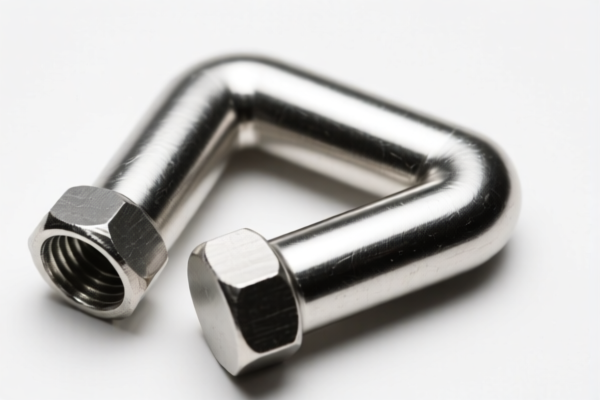
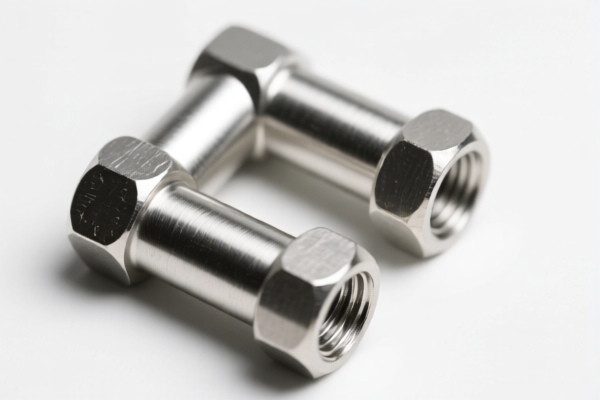
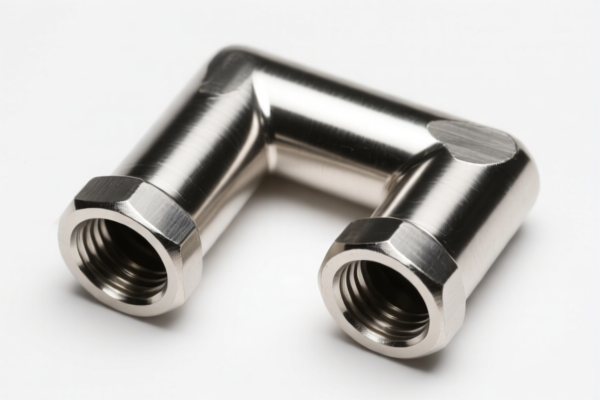
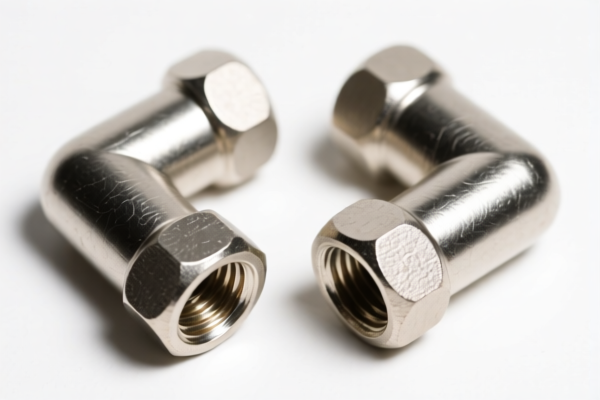
AI Analysis
🪡 Elbow Eye Needle (Bent Needle)
🌐 HS Code Reference & Customs Clearance Guide | 2026 Latest Tariff Analysis | Professional Strategy for Metal Needles
📌 1. Product Definition & Classification: What Exactly is an "Elbow Eye Needle"?
An Elbow Eye Needle (also known as a Bent Needle or L-shaped Needle) is a specialized metal needle with a curved shaft and an eye (hole for thread) located at the tip or near the bend. Unlike standard straight sewing needles, the "elbow" shape allows for unique stitching angles, often used in: * Industrial Embroidery/Machine Sewing: For accessing tight corners or specific fabric layers. * Leatherwork & Saddle Stitching: Where angled entry is required. * Medical/Surgical Suturing: Specific techniques requiring bent insertion paths.
In international trade, these are primarily classified under Chapter 73 (Articles of Iron or Steel) as "Needles of all kinds," unless they are strictly integral parts of a specific writing instrument (e.g., a specialized pen tip).
⚠️ Key Distinction Point:
- If the needle is standalone (for sewing, embroidery, or industrial use) and made of iron/steel → It falls under Chapter 73 (7319.90.x).
- If the needle is a component of a pen/pencil (e.g., a ballpoint tip mechanism, though "eye" suggests sewing) → It might fall under Chapter 96 (9608.99.x).
- Most "Elbow Eye Needles" for sewing/industrial use are classified as Iron/Steel Needles (7319).
📦 2. HS Code Classification Details (2026 Latest Tariff Authority对照)
Based on the provided data, here are the three potential classifications for Elbow Eye Needles:
| HS Code | Product Description | Application Scenario | Material |
|---|---|---|---|
7319.90.10.00 |
Bent Needle (L-shaped/Elbow) | Specific shape classification for sewing/embroidery needles | Iron or Steel |
7319.90.90.00 |
Other Needles (Iron/Steel) | General category for metal needles not specified elsewhere | Iron or Steel |
9608.99.40.00 |
Pen/Pencil Parts (Needle-like Tip) | If the needle is a non-ballpoint tip or fine needle part for writing instruments | Metal (likely steel) |
🔍 Key Reminder:
-7319.90.10.00is the most precise match for "Elbow/Bent" shape in sewing/industrial contexts.
-7319.90.90.00is the fallback if the "bent" feature isn't separately listed in your local tariff schedule (though 10.00 usually covers it).
-9608.99.40.00is only applicable if the product is explicitly a part of a pen/pencil. Misclassification here leads to significant duty differences.
💰 3. 2026 Latest Tariff Rate Breakdown (Including Surcharges & Policy Add-ons)
✅ Applicable Country: United States (US)
✅ Origin: China (CN)
✅ Effective Time: 2025–2026 (Subject to ongoing trade policies)
🎯 1. 7319.90.10.00 —— Bent Needle (Specific Shape)
| Item | Content |
|---|---|
| Base Tariff | 0.0% (ad valorem) |
| Additional Tariff (Section 301) | +7.5% |
| Section 122 Tariff (Steel/Aluminum/Copper Products) | +10% |
| Section 232 Tariff (Steel/Aluminum/Copper) | +50% |
| Total Tax Rate | 67.5% |
| Tax Calculation | CIF Value × 67.5% |
| De Minimis Exemption | ❌ Not Eligible (High duty rates usually trigger scrutiny) |
| Legal Basis Path | Section 301: 7.5% → Section 122: 10% → Section 232: 50% → HS: 7319.90.10.00 |
📌 Explanation:
- This high rate is due to Section 232 (National Security/Steel & Aluminum) and Section 122 (Specific metal products).
- Even though it’s a small needle, it’s made of steel, triggering the heavy 232 tariff.
- Total burden: 67.5% makes this product very expensive to import unless valued very low or exempted.
🎯 2. 7319.90.90.00 —— Other Iron/Steel Needles
| Item | Content |
|---|---|
| Base Tariff | 2.9% |
| Additional Tariff (Section 301) | +7.5% |
| Section 122 Tariff | +10% |
| Section 232 Tariff (Steel/Aluminum/Copper) | +50% |
| Total Tax Rate | 70.4% |
| Tax Calculation | CIF Value × 70.4% |
| De Minimis Exemption | ❌ Not Eligible |
| Legal Basis Path | Base: 2.9% → Section 301: 7.5% → Section 122: 10% → Section 232: 50% → HS: 7319.90.90.00 |
📌 Note:
- Slightly higher than7319.90.10.00because the base rate is 2.9% instead of 0.0%.
- Still subject to all steel-related surcharges.
🎯 3. 9608.99.40.00 —— Pen Parts (Needle Tip)
| Item | Content |
|---|---|
| Base Tariff | 0.0% |
| Additional Tariff (Section 301) | +7.5% |
| Section 122 Tariff | +10% |
| Total Tax Rate | 17.5% |
| Tax Calculation | CIF Value × 17.5% |
| De Minimis Exemption | ❌ Not Eligible (Section 301/122 still apply) |
| Legal Basis Path | Section 301: 7.5% → Section 122: 10% → HS: 9608.99.40.00 |
📌 Critical Warning:
- This rate (17.5%) is significantly lower than the steel needle rates (67.5%-70.4%).
- However, it is ONLY valid if the product is legally a "pen part."
- If customs inspectors determine it’s a sewing needle (not a pen part), you will be reclassified to7319, leading to back taxes + penalties.
- Do not misclassify a sewing needle as a pen part to avoid taxes.
🛠️ 4. Customs Clearance Practical Advice (Real-World Pitfall Guide)
✅ 1. Documentation Checklist (Mandatory)
| Document | Required | Description |
|---|---|---|
| ✅ Product Specification Sheet | ✔️ | Clearly state: "Elbow Eye Needle," material (Steel/Iron), length, diameter, intended use (Sewing/Embroidery). |
| ✅ Product Photos | ✔️ | Show the bend angle, the eye, and the material texture. |
| ✅ Intended Use Statement | ✔️ | Explicitly state: "Used for industrial embroidery/surgical suturing/leatherwork." NOT for writing. |
| ✅ Commercial Invoice | ✔️ | Describe as "Steel Elbow Needle for Sewing" – avoid vague terms like "metal pin." |
| ✅ Material Certificate | ✔️ | Confirm steel composition to verify if it falls under Section 232 (steel/aluminum). |
✅ 2. Declaration Tips (Key Phrases to Use)
🔥 "Be Specific: Material + Shape + Use"
| Scenario | Correct Declaration | Wrong Declaration |
|---|---|---|
| Sewing/Industrial Needle | "Steel Elbow Eye Needle, for Embroidery Machine" | "Metal Needle" (Too vague) |
| Part of a Pen | "Stylus Tip Component for Electronic Pen" | "Elbow Needle" (Confusing) |
| Raw Steel Wire | "Cut Steel Wire, not yet shaped" | "Needle" (If not yet formed into needle shape) |
✅ 3. Special Cases & Strategies
| Case | Handling Advice |
|---|---|
| High-Value Medical Needles | Ensure compliance with FDA regulations if intended for medical use. Additional certifications may be required. |
| Small Quantities (De Minimis) | ❌ Not Eligible: Due to Section 301/232/122 tariffs, even small packages are subject to full duty. No $800 de minimis exemption. |
| Misclassification Risk | If you declare 9608.99.40.00 to save 50% in duty, but it’s a sewing needle, expect 200% penalty upon inspection. |
| Origin Tracing | Ensure steel origin is documented. If from a Section 232 exempt country, provide proof of country of manufacture of the steel, not just the final needle. |
🌍 5. Global Market Comparison (2026 Latest)
| Country/Region | Recommended HS Code | Estimated Duty | Notes |
|---|---|---|---|
| 🇺🇸 USA | 7319.90.10.00 |
67.5% | High steel tariffs apply. |
| 🇨🇳 China | 7319.90.10.00 |
~5-13% | Import duty on steel needles. |
| 🇪🇺 EU | 7319.90.10.00 |
~3.5% | No Section 232 equivalent, but anti-dumping may apply. |
| 🇯🇵 Japan | 7319.90.10.00 |
~3.2% | Standard MFN rate. |
| 🇬🇧 UK | 7319.90.10.00 |
~5% | Post-Brexit tariffs. |
📌 Conclusion:
- USA is the most expensive market for Elbow Eye Needles due to Section 232 (50%) and Section 122 (10%) on steel products.
- No de minimis exemption applies due to these specific tariffs.
- Consider alternative materials (e.g., non-ferrous metals) if possible, but verify if they still meet the "needle" functional requirements.
📌 6. Common Errors & Pitfall Guide (Lessons Learned)
❌ Error 1: Declaring "Needles" under 9608.99.40.00 to save taxes.
👉 Consequence: Customs rejects it as "Sewing Needle," reclassifies to 7319, and charges 67.5% instead of 17.5%, plus penalties.
❌ Error 2: Ignoring Section 232 Tariff for steel products.
👉 Consequence: The 50% steel tariff is automatically applied to almost all steel products unless specifically exempted. You cannot avoid it by under-declaring value.
❌ Error 3: Using vague descriptions like "Metal Parts."
👉 Consequence: Customs may assess a higher default duty rate or delay shipment for further inspection.
❌ Error 4: Assuming "Small Quantity" means "Tax-Free."
👉 Consequence: Section 301, 122, and 232 tariffs override de minimis exemptions for China-origin goods.
✅ Correct Approach:
"Steel Elbow Eye Needle, for Industrial Embroidery, Made in China. HS Code: 7319.90.10.00. Declare accurately and budget for 67.5% duty."
🎯 7. Conclusion: Professional Clearance, Cost Control, Efficiency!
🎯 Remember This Mantra:
🔹 "Steel Needles = Steel Tariffs (50% Section 232)."
🔹 "Do Not Misclassify Sewing Needles as Pen Parts."
🔹 "No De Minimis for China-Origin Steel Products."
🔹 "Clear Description, Correct HS Code, Avoid Penalties."
📌 Pro Tip:
If your Elbow Eye Needles are for medical/surgical use, ensure they comply with FDA 510(k) requirements. If for industrial use, ensure they meet ISO/ANSI standards for needle strength.
Pre-clearance ruling is highly recommended due to the high duty rates and complexity of steel tariffs.
📣 Immediate Action:
📞 Contact a licensed customs broker + Provide product specs + Calculate landed cost including 67.5% duty.
🚀 Plan your pricing strategy to absorb or pass on the high tariff costs.
✨ Professional Clearance Starts with Accurate Classification!
💼 Every Percent Matters in Global Trade!
Customer Reviews
About HS Code Classification
The Harmonized System (HS) is an internationally standardized nomenclature developed by the World Customs Organization (WCO) to classify traded products. Over 200 countries use the HS system as the basis for customs tariffs, trade statistics, and import/export regulations.
Each HS code follows a hierarchical structure:
- Chapter (2 digits) — Broad category of goods (e.g., Chapter 84: Machinery and Mechanical Appliances)
- Heading (4 digits) — More specific grouping within the chapter
- Subheading (6 digits) — Internationally standardized breakdown, used by all WCO member countries
- National subdivisions (8-10 digits) — Country-specific extensions for further classification, such as US HTSUS 10-digit codes
Correct HS code classification is essential for smooth customs clearance, accurate duty payment, and compliance with trade regulations. Misclassification can lead to customs delays, overpayment of duties, or penalties.
When importing from CN to US, the applicable tariff rates may include:
- Most-Favored-Nation (MFN) rate — The standard duty rate applied to WTO members
- General rate — Applied to countries without trade agreements
- Trade remedy duties — Additional tariffs such as Section 301 (anti-dumping), Section 232 (national security), or countervailing duties
The information provided on this page is for reference purposes only. For official classification, please consult with your local customs authority or a licensed customs broker.