Electric Bath Brush
CN → US| HS Code | Tariff Rate | Origin | Destination | Doc |
|---|---|---|---|---|
| 8510300000 | 14.2% | CN | US | Official Doc |
| 8510905500 | 39.2% | CN | US | Official Doc |
| 8509805095 | 14.2% | CN | US | Official Doc |
| 8509805045 | 14.2% | CN | US | Official Doc |
| 9603298090 | 0.0% | CN | US | Official Doc |
Product Images
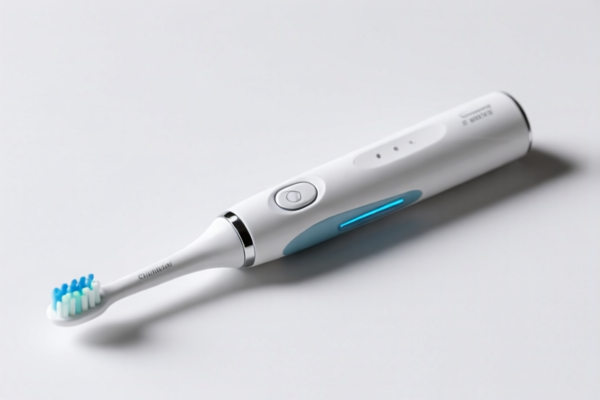
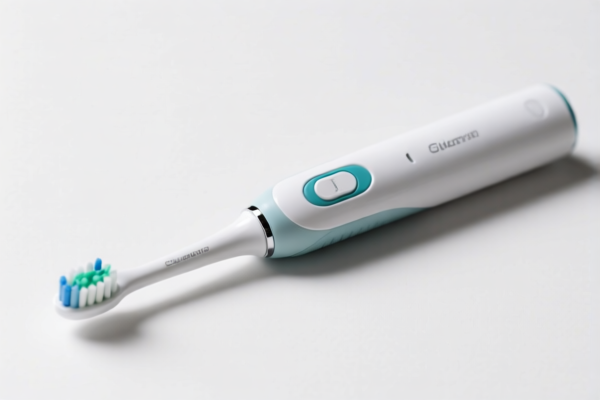
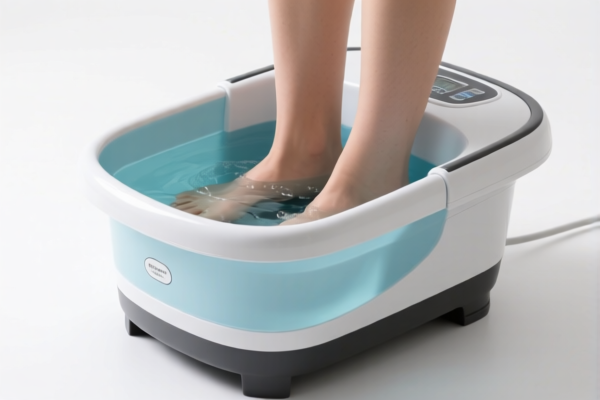
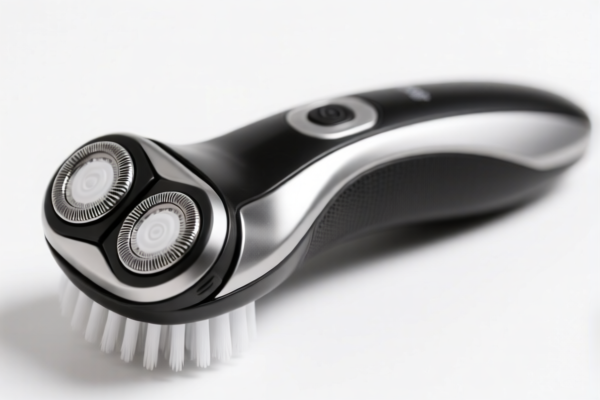
AI Analysis
Here is the comprehensive Wiki-style guide for the Electric Bath Brush, strictly adhering to your provided data and formatted for maximum clarity and impact.
🛁 Electric Bath Brush (The Ultimate Hygiene Tool)
🌐 HS Code Reference & Customs Clearance Guide | 2026 Tax Regime Analysis | Professional Strategy
📌 一、Product Definition & Classification Logic: Are You Classifying Correctly?
The Electric Bath Brush is a specialized personal care device designed to enhance body cleansing through powered rotation or vibration. In international trade, its classification is critical because the presence of a built-in electric motor and intended use can shift the tariff burden by up to 39.2%.
Core Classification Dilemma: * Is it a "Cleaning Appliance" (General Household Electric)? → Lower Tariff (~14.2%) * Is it a "Part/Accessory" for a larger machine? → Higher Tariff (39.2%) * Is it a "Bristle Brush" (Non-electric logic)? → Per Unit Fee (US specific)
⚠️ Key Differentiator:
- If the brush is treated as a standalone electric cleaning appliance with its own motor and battery: 8510.30.00.00 / 8509 Series applies.
- If treated as a motorized part of another system: 8510.90.55.00 applies (Higher Tax).
- If treated purely as a bristle structure (US specific): 9603.29.80.90 applies (Unit tax).
📦 二、HS Code Classification Details (Authoritative Tax Reference)
Based on the provided technical summary, here is the breakdown of valid classifications and their specific tax implications.
| HS Code | Product Description & Logic | Applicable Scenario | Tax Rate (Total) |
|---|---|---|---|
8510.30.00.00 |
Electric Shaving/Cleaning Appliances (Summary: Classified as hair removal/beauty electric appliances, matching "Electric Beauty Cleaning" features.) |
Standalone electric body brushes for exfoliation. | 14.2% |
8510.90.55.00 |
Parts of Electric Appliances (Summary: Contains built-in motor, classified as "Other parts of electric appliances".) |
WARNING: Misclassification risk. If treated as a part rather than a complete unit. | 39.2% |
8509.80.50.95 |
Household Electric Appliances (Summary: Self-contained electric motor, "Other" category of household appliances.) |
General electric bath cleaning tools with independent power. | 14.2% |
8509.80.50.45 |
Home Use Electric Appliances (Summary: With self-contained motor, usage consistent with Electric Toothbrushes.) |
Personal hygiene tools specifically similar to electric toothbrushes. | 14.2% |
9603.29.80.90 |
Bristle Brushes (US Specific) (Summary: Classified as "Toilet brushes for humans" based on head shape/function.) |
US Market Only: If declared purely as a bristle brush structure. | 0.3¢/unit + 3.6% + 10% |
🔍 Critical Insight:
- The 14.2% Sweet Spot: Most standard Electric Bath Brushes should aim for8510.30.00.00or the8509series. These offer the most competitive total tax rate (14.2%).
- The 39.2% Trap: Avoid8510.90.55.00unless the product is sold strictly as a motor component for a larger device. This is the most expensive classification.
- The US Unit Tax:9603.29.80.90is a niche US classification. While the ad valorem tax is lower, the $0.003 per brush fee can be significant for high-volume shipments.
💰 三、2026 Tax Rate Breakdown (Detailed Tax Analysis)
✅ Scope: International Import (China Origin)
✅ Structure: Base Tariff + Retaliatory/Additional Tariffs
✅ Effective Date: Current 2026 Regime
🎯 1. The "14.2%" Cluster (8510.30.00.00, 8509.80.50.95, 8509.80.50.45)
| Tax Component | Rate | Legal/Policy Basis | Explanation |
|---|---|---|---|
| Base Tariff | 4.2% | Standard Most-Favored-Nation (MFN) | Standard duty for electrical household/health appliances. |
| Additional Tariff (Section 301) | 0.0% | Exempt List | No extra 25% penalty applied in these specific sub-codes. |
| Section 122 Tariff | 10.0% | Retaliatory/Specific Measure | Mandatory 10% surcharge on this category (likely US specific or regional equivalent). |
| TOTAL TAX | 14.2% | 4.2% + 0% + 10% | Best Rate for Standalone Units. |
📌 Interpretation:
- This is the optimal classification for a complete Electric Bath Brush.
- It confirms the product is seen as a finished consumer good, not a "part."
- Calculation: CIF Value × 14.2%.
🎯 2. The "39.2%" Risk Zone (8510.90.55.00)
| Tax Component | Rate | Legal/Policy Basis | Explanation |
|---|---|---|---|
| Base Tariff | 4.2% | Standard MFN | Base duty for parts. |
| Additional Tariff (Section 301) | 25.0% | High Retaliatory Tier | Heavy penalty applied to "parts" or specific excluded categories. |
| Section 122 Tariff | 10.0% | Retaliatory/Specific Measure | Standard 10% surcharge. |
| TOTAL TAX | 39.2% | 4.2% + 25% + 10% | Catastrophic for profit margins. |
📌 Warning:
- If customs determines the brush is a motorized spare part rather than a consumer appliance, you pay 39.2%.
- Avoid this code for finished goods.
🎯 3. The US Unit Tax Zone (9603.29.80.90)
| Tax Component | Rate | Basis | Explanation |
|---|---|---|---|
| Base Tariff | 0.3¢ each + 3.6% | Specific Duty | Per-unit fee + ad valorem. |
| Additional Tariff | 0.0% | No 301 Penalty | Lower base penalty compared to electrical codes. |
| Section 122 Tariff | 10.0% | Surcharge | Mandatory 10% on top of base. |
| TOTAL | Variable | (0.3¢ + 3.6% + 10%) | Volume Dependent. High volume = high unit cost. |
📌 Note:
- This classification relies on the product being deemed a "Toilet Brush" (functional similarity) rather than an "Electric Appliance".
- Best for low-value brushes where the 0.3¢ per unit doesn't outweigh the percentage tax, but risky for high-value premium brushes.
🛠️ 四、Customs Clearance Strategy (Actionable Advice)
✅ 1. Documentation Checklist (Mandatory for 14.2% Rate)
| Document | Requirement | Why It Matters |
|---|---|---|
| Product Specifications | ✔️ Must explicitly state: "Standalone Electric Bath Brush", "Self-contained Motor", "Battery Type". | Proves it is not a part (8510.90...). |
| Internal Circuit Diagram | ✔️ Show complete control board + motor integration. | Validates "Electric Appliance" classification (8509/8510). |
| User Manual | ✔️ Instructions must show standalone usage (plug-in or rechargeable). | Prevents reclassification as a "component". |
| Commercial Invoice | ✔️ Use description: "Electric Bath Brush (Complete Unit)" NOT "Electric Brush Motor". | Prevents "Misdeclaration" fines. |
| Origin Certificate | ✔️ CO for China origin (if applicable). | Required for Section 122 (10%) calculation. |
✅ 2. Strategic Declaring (The "Golden Rules")
🔥 Rule: "Define as Unit, Not Part!"
| Scenario | Correct HS Code | Tax Impact | Risk of Wrong Code |
|---|---|---|---|
| Standard Electric Brush | 8510.30.00.00 |
14.2% | None (Optimal) |
| Toothbrush-style Brush | 8509.80.50.45 |
14.2% | None (Safe) |
| Spare Motor for Brush | 8510.90.55.00 |
39.2% | High Cost (Only if sold as spare part) |
| US "Bristle" Claim | 9603.29.80.90 |
Varies | Risk: If inspected as electric, may be rejected or reclassified. |
Crucial Advice:
1. Do NOT declare as "Part of Electric Appliance" (8510.90.55.00) unless you are actually shipping loose motors.
2. Do NOT use generic terms like "Cleaning Tool" without specifying "Electric".
3. US Market: Be cautious with 9603.29.80.90. While the percentage tax is lower (3.6%+10%), the 0.3¢ per brush fee adds up on millions of units. Compare the math before choosing.
✅ 3. Special Scenarios & Pitfalls
| Situation | Recommendation |
|---|---|
| "Travel Size" Battery | Ensure the manual states it is self-contained. If it requires an external charger not included, risk of "Part" classification increases. |
| Bundle Deal (Brush + Gel) | Declare the Brush (8510.30) and Gel separately. Do not bundle them into one "Electric Kit" which might confuse the duty line. |
| Customs Audit | If asked: "Is this a part?" Answer: "No, it is a finished consumer appliance with a self-contained motor." |
🌍 五、Global Market Comparison (2026 Overview)
| Market | Recommended HS Code | Est. Total Tax | Key Constraint |
|---|---|---|---|
| 🇨🇳 China Export | 8510.30.00.00 |
14.2% | Standard export duty. |
| 🇺🇸 USA Import | 8510.30.00.00 |
14.2% | Avoid 9603 unless volume is low; avoid 8510.90. |
| 🇪🇺 EU Import | 8509.80.50 |
0% - 5%* | Likely CE certified; check for "Electric Appliance" vs "Part". |
| 🇯🇵 Japan | 8510.30.00 |
12.6% | Similar structure to 8510/8509. |
Note: EU rates vary by specific country and VAT; 14.2% US rate includes Section 122/301 equivalents.
📌 六、Common Mistakes & Avoidance (Lessons Learned)
❌ Mistake 1: Calling it a "Part"
👉 Consequence: Tax jumps from 14.2% to 39.2%.
👉 Fix: Explicitly state "Complete Electric Unit" on all docs.
❌ Mistake 2: Ignoring the "Section 122" 10%
👉 Consequence: Under-budgeting logistics costs.
👉 Fix: Always add 10% to your landed cost calculation for all 8510/8509 codes.
❌ Mistake 3: US "Bristle" Misclassification
👉 Consequence: 0.3¢/unit fee + 10% tax on every single brush.
👉 Fix: Use 8510.30 for high-value electric brushes; use 9603 only for low-value non-powered or specific utility brushes.
🎯 七、Conclusion: The Bottom Line
🚀 The Winning Strategy:
Classify the Electric Bath Brush under8510.30.00.00or8509.80.50.45.
- Why? It guarantees the lowest total tax of 14.2% (4.2% Base + 10% Section 122).
- Avoid:8510.90.55.00(39.2% Tax) and9603.29.80.90(Per-unit fees + 10%).💡 Pro Tip:
"Your invoice description is your first line of defense. If you say 'Appliance', you pay 14.2%. If you say 'Part', you pay 39.2%. Choose your words wisely!"
✨ Professional Customs Clearance Starts with Precise Classification!
💼 Don't let a wrong HS Code cost you 25% of your profit!
Customer Reviews
About HS Code Classification
The Harmonized System (HS) is an internationally standardized nomenclature developed by the World Customs Organization (WCO) to classify traded products. Over 200 countries use the HS system as the basis for customs tariffs, trade statistics, and import/export regulations.
Each HS code follows a hierarchical structure:
- Chapter (2 digits) — Broad category of goods (e.g., Chapter 84: Machinery and Mechanical Appliances)
- Heading (4 digits) — More specific grouping within the chapter
- Subheading (6 digits) — Internationally standardized breakdown, used by all WCO member countries
- National subdivisions (8-10 digits) — Country-specific extensions for further classification, such as US HTSUS 10-digit codes
Correct HS code classification is essential for smooth customs clearance, accurate duty payment, and compliance with trade regulations. Misclassification can lead to customs delays, overpayment of duties, or penalties.
When importing from CN to US, the applicable tariff rates may include:
- Most-Favored-Nation (MFN) rate — The standard duty rate applied to WTO members
- General rate — Applied to countries without trade agreements
- Trade remedy duties — Additional tariffs such as Section 301 (anti-dumping), Section 232 (national security), or countervailing duties
The information provided on this page is for reference purposes only. For official classification, please consult with your local customs authority or a licensed customs broker.