Electric Blanket
CN → US| HS Code | Tariff Rate | Origin | Destination | Doc |
|---|---|---|---|---|
| 8516290090 | 38.7% | CN | US | Official Doc |
| 6301100000 | 21.4% | CN | US | Official Doc |
| 8516290060 | 38.7% | CN | US | Official Doc |
Product Images
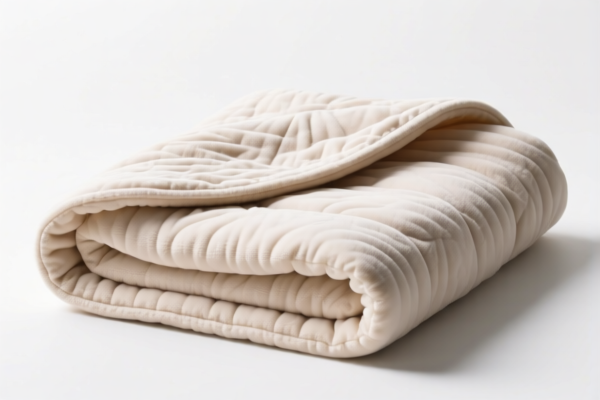
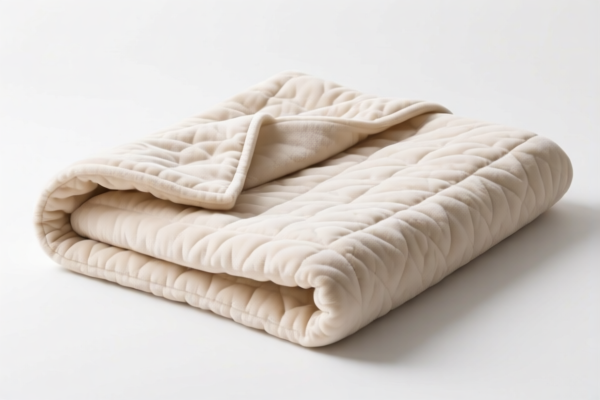
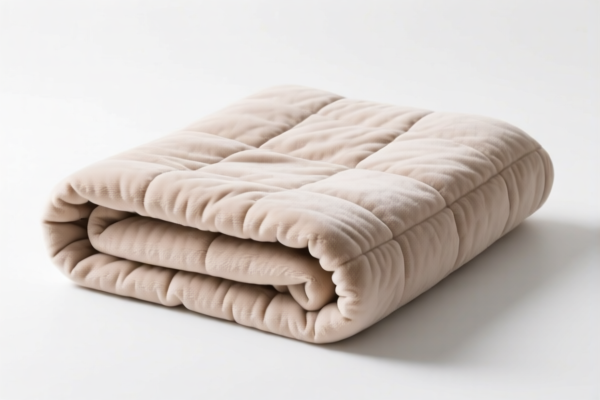
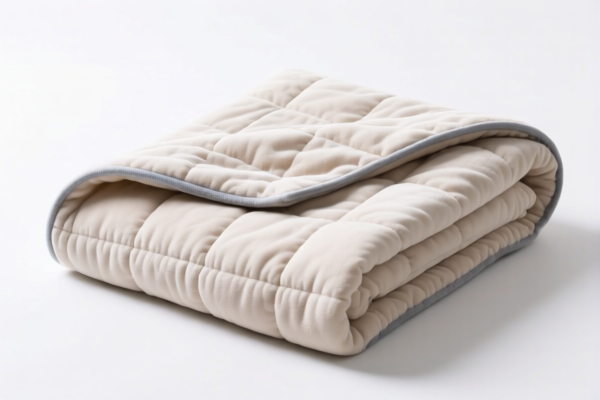
AI Analysis
🔥 Electric Blankets (Heated Blankets)
🌐 HS Code Reference & Customs Clearance Guide | 2026 Latest Tariff Analysis | Professional Clearance Strategy
📌 One, Product Definition & Classification: Do You Really Understand "Heated Blankets"?
Electric blankets, also known as heated blankets, are portable electrical heating devices designed for personal comfort. In international trade, they fall into a complex classification area where functional attributes (heating element) and material usage (textile) create divergent tariff outcomes.
Electrical Heating Appliances (Chapter 85): Classified based on their primary function as "space heaters" or "electrical heating apparatuses." Textile Products (Chapter 63): Classified based on their material composition as "bedding" or "textile articles."
⚠️ Key Distinction Point:
- If the customs authority views the heating element as the essential character → It falls under Chapter 85 (Electrical Machinery).
- If the customs authority views the fabric/blanket as the essential character → It falls under Chapter 63 (Textiles).
- Note: This distinction directly impacts the tax burden, with Chapter 85 items often facing higher "Section 301" additional tariffs due to their electrical nature.
📦 Two, HS Code Classification Details (2026 Latest Tariff Authority Comparison)
Based on the provided data, here are the specific HS codes and their logical justifications:
| HS Code | Product Description | Justification for Classification |
|---|---|---|
8516.29.00.90 |
Other electrical space heating apparatuses | Functional Attribute: The blanket is primarily viewed as an "electrical space heater" that does not fit other specific heater categories. |
6301.10.00.00 |
Electric blankets | Material/Usage Definition: The item fully conforms to the definition of an "electric blanket" in textile categories, emphasizing its bedding nature. |
8516.29.00.60 |
Other electrical heating apparatuses | Portable Logic: Viewed as an "electrical heating device" with logic similar to "portable space heaters." |
🔍 Critical Reminder:
- The same physical product can be classified differently based on how it is described and emphasized (Function vs. Material).
-6301.10.00.00is generally the most direct and specific classification for "Electric Blankets" in many jurisdictions, often resulting in lower overall taxes.
-8516.29.x0.xxcodes are broader "catch-all" categories for electrical heaters, which often attract higher punitive tariffs.
💰 Three, 2026 Latest Tariff Rate Detailed Breakdown (Including Surcharges & Policy Add-ons)
✅ Applicable Country: United States (US)
✅ Origin: China (CN)
✅ Effective Time: Current rates apply (Includes Section 301 and IEEPA implications)
🎯 1. 8516.29.00.90 —— Other Electrical Space Heating Apparatus
| Item | Content |
|---|---|
| Base Tariff | 3.7% |
| Additional Tariff (Section 301) | +25.0% |
| 122 Clause Tariff | +10.0% |
| Total Tax Rate | 38.7% |
| Tax Calculation | CIF Value × 38.7% |
| De Minimis Exemption | ❌ Not Applicable (Denied due to high tariff rate and electrical classification) |
| Legal Basis Path | Base: 3.7% → Sec 301: 25.0% → 122 Clause: 10.0% |
📌 Explanation:
- This classification treats the blanket as a generic electrical heater.
- The 38.7% rate is significantly higher due to the cumulative effect of the 25% Section 301 tariff and the 10% Section 122 tariff.
- Risk: High probability of customs scrutiny regarding the "electrical" nature.
🎯 2. 6301.10.00.00 —— Electric Blankets
| Item | Content |
|---|---|
| Base Tariff | 11.4% |
| Additional Tariff (Section 301) | 0.0% |
| 122 Clause Tariff | +10.0% |
| Total Tax Rate | 21.4% |
| Tax Calculation | CIF Value × 21.4% |
| De Minimis Exemption | ❌ Not Applicable (Though rate is lower, textile electrical items may still be scrutinized, but base tax is much cheaper) |
| Legal Basis Path | Base: 11.4% → Sec 301: 0.0% → 122 Clause: 10.0% |
📌 Note:
- This is the most cost-effective classification for electric blankets.
- Why 0% Section 301? Often, specific textile categories under 6301 are exempt from the broad Section 301 electrical machinery tariffs, though they still face the 10% 122 Clause tariff.
- Savings: Compared to the 38.7% rate, this saves 17.3% on the CIF value.
🎯 3. 8516.29.00.60 —— Other Electrical Heating Apparatus
| Item | Content |
|---|---|
| Base Tariff | 3.7% |
| Additional Tariff (Section 301) | +25.0% |
| 122 Clause Tariff | +10.0% |
| Total Tax Rate | 38.7% |
| Tax Calculation | CIF Value × 38.7% |
| De Minimis Exemption | ❌ Not Applicable |
| Legal Basis Path | Base: 3.7% → Sec 301: 25.0% → 122 Clause: 10.0% |
📌 Note:
- Similar to8516.29.00.90, this code views the product as a "portable space heater."
- The tax burden is identical to the first electrical code due to the same surcharge structure.
- Difference: Minor administrative distinction in subheadings, but financially equivalent to8516.29.00.90.
🛠️ Four, Customs Clearance Practical Advice (Battle-Tested Pitfall Avoidance)
✅ 1. Documentation Checklist (Must-Haves)
| Document | Required | Explanation |
|---|---|---|
| ✅ Product Specifications | ✔️ | Must clearly state "Electric Blanket," voltage, wattage, and material. |
| ✅ Technical Diagram | ✔️ | Show the wiring and heating element integration to support "Textile" or "Appliance" classification. |
| ✅ Product Photos | ✔️ | Clear images of the blanket, controls, and labels (UL/ETL certification marks). |
| ✅ Safety Certificates | ✔️ | UL, ETL, or CSA certification is mandatory for electrical products in the US. |
| ✅ Commercial Invoice | ✔️ | Clearly describe as "Electric Blanket" (avoid vague terms like "Heating Mat" if possible). |
| ✅ Packing List | ✔️ | Confirm contents are only the blanket and controller (no separate large appliances). |
✅ 2. Declaration Tips (Key Mantra)
🔥 “Textile Route Saves Money, Electrical Route Saves Time!”
| Scenario | Correct Declaration | Error to Avoid |
|---|---|---|
| Standard Home Blanket | 6301.10.00.00 (21.4%) |
Misdeclare as 8516 (38.7%) → Lose 17.3% profit! |
| Heating Pad / Mat | 6301.10.00.00 or 8516.29.00.xx |
Use vague terms like "Heater" → Triggers electrical scrutiny. |
| Commercial Industrial Blanket | 8516.29.00.xx |
Try to force 6301 for heavy-duty industrial use → May be rejected. |
✅ 3. Special Case Handling
| Situation | Handling Advice |
|---|---|
| Combined Shipment | If shipping with other electrical goods, consider declaring the blanket under 6301 to separate it from high-tariff electrical categories. |
| Certification Issues | Without UL/ETL marks, customs may detain the shipment for safety inspection, causing delays regardless of HS code. |
| Brand New Models | Provide detailed function descriptions. If it has "smart" features, still emphasize the "blanket" aspect to aim for 6301. |
🌍 Five, Global Market Comparison (2026 Latest)
| Country/Region | Recommended HS Code | Tariff Rate | Certification Required | Remarks |
|---|---|---|---|---|
| 🇺🇸 USA | 6301.10.00.00 |
21.4% | UL/ETL + CE | Lowest total tax. Avoid 8516 unless necessary. |
| 🇨🇳 China | 6301.10.00.00 |
Low | CCC | Domestic consumption uses standard textile codes. |
| 🇪🇺 EU | 6301.10.00 |
Low | CE | EU generally classifies electric blankets as textiles if the fabric is dominant. |
| 🇬🇧 UK | 6301.10.00 |
Low | UKCA | Similar to EU, post-Brexit standards apply. |
📌 Conclusion:
- USA is the most critical market for tariff optimization.
- Choosing6301.10.00.00over8516can save nearly 18% in taxes.
- Always ensure safety certifications are prominent, as customs will inspect for fire hazards.
📌 Six, Common Errors & Pitfall Guide (Lessons Learned)
❌ Error 1: Declaring as "Heating Appliance" without specifying "Blanket"
👉 Result: Customs defaults to 8516 → 38.7% Tax instead of 21.4%.
❌ Error 2: Missing UL/ETL Certification
👉 Result: Shipment held at port for safety inspection → Delays + Storage Fees.
❌ Error 3: Vague Description "Heated Textile"
👉 Result: Customs cannot classify → Manual review required → Delays.
❌ Error 4: Ignoring the 10% 122 Clause Tariff
👉 Result: Even under 6301, the 10% tariff applies. Don't assume 0% total tax.
✅ Correct Practice:
“Electric Blanket, 100% Polyester, with Controller, UL Certified, Model XYZ”
🎯 Seven, Conclusion: Precise Classification, Higher Profit!
🎯 Remember the Mantra:
🔹 “Textile Code Saves Cash, Electrical Code Costs Cash!”
🔹 “21.4% vs 38.7%: The 17.3% Difference is Pure Profit!”
📌 Tips:
- If your electric blanket is exported to the US, always try to classify under 6301.10.00.00 first.
- Ensure all products have UL or ETL certification to avoid safety-related seizures.
- For large shipments, consider Customs Ruling Pre-declaration to lock in the 6301 classification.
📣 Immediate Action:
📞 Consult your customs broker with the product specs.
🚀 Declare as "Electric Blanket" under HS Code6301.10.00.00to maximize profit!
✨ Professional Clearance Starts with Accurate Classification!
💼 Every Cent Saved is a Cent Earned!
Customer Reviews
About HS Code Classification
The Harmonized System (HS) is an internationally standardized nomenclature developed by the World Customs Organization (WCO) to classify traded products. Over 200 countries use the HS system as the basis for customs tariffs, trade statistics, and import/export regulations.
Each HS code follows a hierarchical structure:
- Chapter (2 digits) — Broad category of goods (e.g., Chapter 84: Machinery and Mechanical Appliances)
- Heading (4 digits) — More specific grouping within the chapter
- Subheading (6 digits) — Internationally standardized breakdown, used by all WCO member countries
- National subdivisions (8-10 digits) — Country-specific extensions for further classification, such as US HTSUS 10-digit codes
Correct HS code classification is essential for smooth customs clearance, accurate duty payment, and compliance with trade regulations. Misclassification can lead to customs delays, overpayment of duties, or penalties.
When importing from CN to US, the applicable tariff rates may include:
- Most-Favored-Nation (MFN) rate — The standard duty rate applied to WTO members
- General rate — Applied to countries without trade agreements
- Trade remedy duties — Additional tariffs such as Section 301 (anti-dumping), Section 232 (national security), or countervailing duties
The information provided on this page is for reference purposes only. For official classification, please consult with your local customs authority or a licensed customs broker.