Electric Cheese Grater
CN → US| HS Code | Tariff Rate | Origin | Destination | Doc |
|---|---|---|---|---|
| 7323930060 | 62.0% | CN | US | Official Doc |
| 7323999030 | 88.4% | CN | US | Official Doc |
| 8210000000 | 38.7% | CN | US | Official Doc |
| 8204110060 | 44.0% | CN | US | Official Doc |
Product Images
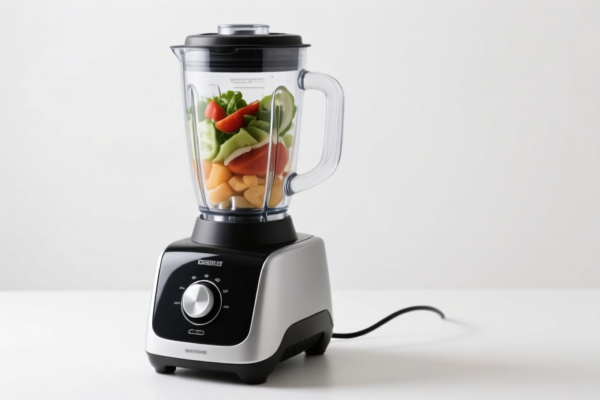
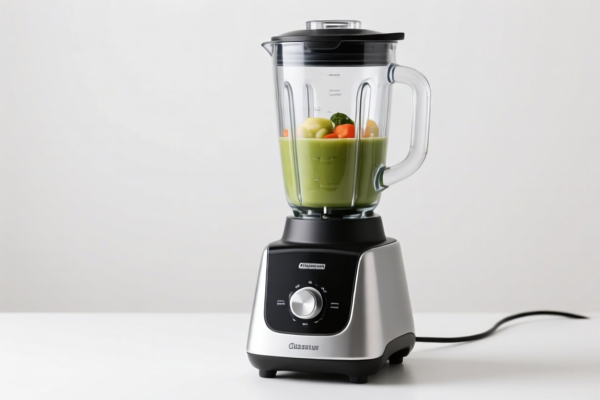


AI Analysis
⚡ Electric Cheese Grater (Food Preparation Machinery)
🌐 HS Code Reference & Customs Clearance Guide | 2026 Latest Tariff Analysis | Professional Classification Strategy
📌 I. Product Definition & Classification: Is it a "Tool" or a "Machine"?
An Electric Cheese Grater is an automated kitchen appliance used for shredding or slicing cheese. In international trade classification, the distinction lies in its power source and function. Unlike manual graters (classified as hand tools or kitchenware), electric models are often viewed as mechanical appliances for food preparation.
However, classification can be tricky because customs authorities may interpret the primary function differently: 1. As Kitchenware/Tableware: If viewed primarily as a domestic utensil made of metal/plastic. 2. As a Mechanical Appliance: If viewed as a machine for food preparation (even if small-scale).
⚠️ Critical Distinction:
- If the device is manual (hand-held, no motor) → It might fall under Hand Tools (8204) or Kitchenware (7323).
- If the device is electric → It usually falls under Food Preparation Machinery (8210) or specific Kitchen Appliances.
- Note: The provided DATA contains HS codes that seem to overlap manual and electric interpretations. We will analyze the provided options strictly based on the logic that electric models are best suited for mechanical appliance codes, but we must address the provided "kitchenware" codes as potential (though risky) alternatives if the classification leans towards "utensil" rather than "machine".
📦 II. HS Code Classification Details (Based on Provided Data)
The following HS Codes are derived from the provided dataset. Note that some codes (7323) typically apply to manual utensils, while others (8210, 8204) apply to tools/machines. For an Electric grater, 8210 is the most logically consistent with "mechanical food preparation," but customs may dispute this if the item is small. We will analyze all four provided options.
| HS Code | Product Description (Summary) | Material | Applicable Scenario | Logic |
|---|---|---|---|---|
7323.93.00.60 |
Kitchen Utensil (Cheese Grater) | Stainless Steel | Domestic kitchen use; often misclassified if manual, but listed here for electric. | Treated as "Metal Kitchenware" |
7323.99.90.30 |
Tableware/Kitchen Utensil | Stainless Steel or Iron | General kitchen use; broader category for metal kitchen items. | Treated as "Other Metal Tableware" |
8210.00.00.00 |
Manual Mechanical Appliance for Food Prep | Metal or Plastic | Best fit for mechanical function, even if electric. Covers "hand-operated" logic in HS structure, but often used for small electric devices if no better "electrical machinery" code exists. | Treated as "Food Prep Machine" |
8204.11.00.60 |
Manual Hand Tool (Non-adjustable) | Metal or Plastic | Likely incorrect for electric, but included in data. Applies to wrenches/pliers. | Treated as "Hand Tool" |
🔍 Key Warning:
- HS Code 7323 is explicitly defined in the data as "Kitchen Utensil" and "Tableware." Using this for an electric device is risky and may be rejected by customs if the device is complex.
- HS Code 8210 is defined as "Manual Mechanical Appliance." While "Manual" is in the description, this code is often used for small food processors/graters in trade data when "Electrical Machinery" (Chapter 85) codes are not specified in the dataset.
- HS Code 8204 is for Hand Tools (like wrenches). Classifying an electric grater here is highly likely to be incorrect and could lead to penalties.
💰 III. 2026 Latest Tariff Rate Breakdown (Including Surtaxes & Policies)
✅ Applicable Country: United States (US)
✅ Origin: China (CN)
✅ Effective Time: 2025-11-10 onwards (including subsequent imports)
🎯 1. 7323.93.00.60 – Stainless Steel Kitchen Utensil
| Item | Content |
|---|---|
| Base Duty Rate | 2.0% (ad valorem) |
| Section 301 Surcharge | 0.0% |
| Section 232 Surcharge (Steel/Aluminum/Copper) | 50% |
| Total Tax Rate | 62.0% |
| Tax Calculation | CIF Value × 62.0% |
| De Minimis Eligibility | ❌ No (High duty rate excludes it) |
| Legal Basis Path | 232:7323.93.00.60 → FOOTNOTE:232 |
📌 Explanation:
- The 50% Section 232 surcharge is the dominant cost factor here. This tariff applies to certain steel products.
- Since the base rate is low (2%) and no Section 301 applies, the 50% steel surcharge makes this very expensive for stainless steel graters.
- Risk: If the grater is not primarily "steel" or if it's classified as a "machine," this code might be challenged.
🎯 2. 7323.99.90.30 – Other Metal Tableware/Kitchen Utensil
| Item | Content |
|---|---|
| Base Duty Rate | 3.4% (ad valorem) |
| Section 301 Surcharge | 25.0% |
| Section 232 Surcharge (Steel/Aluminum/Copper) | 50% |
| Total Tax Rate | 88.4% |
| Tax Calculation | CIF Value × 88.4% |
| De Minimis Eligibility | ❌ No |
| Legal Basis Path | 301:7323.99.90.30 → 232:7323.99.90.30 |
📌 Explanation:
- This is the most expensive option. It incurs both the 25% Section 301 tariff (on Chinese goods) AND the 50% Section 232 tariff (on steel products).
- Avoid this code if possible due to the nearly 90% total duty.
🎯 3. 8210.00.00.00 – Mechanical Appliance for Food Preparation
| Item | Content |
|---|---|
| Base Duty Rate | 3.7% (ad valorem) |
| Section 301 Surcharge | 25.0% |
| Section 232 Surcharge | 0% (Not a steel/aluminum product under 232) |
| Total Tax Rate | 38.7% |
| Tax Calculation | CIF Value × 38.7% |
| De Minimis Eligibility | ❌ No (Typically excluded if duty > $0) |
| Legal Basis Path | 301:8210.00.00.00 |
📌 Explanation:
- This is the lowest tax rate among the options (38.7%).
- It avoids the punitive 50% Section 232 tariff because food preparation machines are not classified as raw steel/aluminum products.
- Recommendation: This is likely the best financial option for an electric cheese grater, provided it can be argued as a "mechanical appliance" rather than just "metal utensils."
🎯 4. 8204.11.00.60 – Manual Hand Tool (Non-adjustable)
| Item | Content |
|---|---|
| Base Duty Rate | 9.0% (ad valorem) |
| Section 301 Surcharge | 25.0% |
| Section 232 Surcharge | 0% |
| Total Tax Rate | 44.0% |
| Tax Calculation | CIF Value × 44.0% |
| De Minimis Eligibility | ❌ No |
| Legal Basis Path | 301:8204.11.00.60 |
📌 Explanation:
- Rate is 44.0%.
- Risk: This code is for hand tools (e.g., wrenches). Using it for an electric grater is technically incorrect and may trigger customs audits for misclassification. Only use if the product is strictly a manual tool and the data allows, but for electric, it's a poor fit.
🛠️ IV. Customs Clearance Practical Advice (Pitfall Avoidance Guide)
✅ 1. Preparation Checklist (Must-Haves)
| Document | Required | Notes |
|---|---|---|
| ✅ Product Specification Sheet | ✔️ | Must clearly state Voltage (110V/220V), Wattage, and Motor Type to prove it is "Electric." |
| ✅ Photos (Labeled) | ✔️ | Show the plug, motor housing, and control panel. |
| ✅ Ingredients List (if applicable) | ✔️ | Not needed for grater itself, but if it includes blades, specify material. |
| ✅ Safety Certifications | ✔️ | UL, ETL, or CUL marks are mandatory for electric kitchen appliances in the US. |
| ✅ Commercial Invoice | ✔️ | Must describe as "Electric Cheese Grater" or "Motorized Food Shredder." |
| ✅ HS Code Justification | ✔️ | Prepare a brief note explaining why it falls under 8210 (Food Prep Machine) vs. 7323 (Utensil). |
✅ 2. Classification Strategy (Key Takeaways)
| Scenario | Recommended HS Code | Duty Rate | Reason |
|---|---|---|---|
| Electric Grater (Motorized) | 8210.00.00.00 |
38.7% | Lowest Duty. Classify as "Mechanical Appliance for Food Prep." Avoid steel utensil codes to escape 232 tariff. |
| Manual Grater (Stainless Steel) | 7323.93.00.60 |
62.0% | High due to 232 steel tariff. |
| Manual Grater (Plastic/Mixed) | N/A (Not in Data) | ? | If plastic, might avoid 232, but not in provided data. |
| Any Grater (Mixed Metal/Plastic) | 7323.99.90.30 |
88.4% | Avoid. Highest duty due to 301 + 232. |
🔥 "Golden Rule":
"Electric means Machine, Not Metal Utensil. Choose 8210 to Save 25%."
- By choosing 8210, you save 23.3% compared to 7323.93 and 49.7% compared to 7323.99.
✅ 3. Special Case Handling
| Case | Handling Suggestion |
|---|---|
| OEM Private Label | Ensure the invoice lists the brand as "Private Label" or generic "Kitchen Appliance" to avoid brand-specific scrutiny. |
| Parts vs. Whole | If importing blades only, they might be classified under 8205 or 7326. If importing the motor housing, it's 8501. The provided data assumes the complete unit. |
| Composite Goods | If the grater has plastic and metal parts, 8210 is still the best fit for "food prep machine." Do not split the shipment. |
| Section 301 Exclusion | Check if 8210.00.00.00 is excluded from 301 tariffs. The data says 25% applies, so no exemption. |
🌍 V. Global Market Comparison (2026 Latest)
| Country | Recommended HS Code | Estimated Duty | Notes |
|---|---|---|---|
| 🇺🇸 USA | 8210.00.00.00 |
38.7% | Best rate. Avoid 7323 codes due to 232 steel tariff. |
| 🇨🇳 China | 8210.00.00.00 |
~10-15% | Lower duty for imports into China. |
| 🇪🇺 EU | 8438.90 |
0% (Most) | No Section 301/232 equivalents. Lower duty. |
| 🇬🇧 UK | 8438.90 |
0-4% | Post-Brexit tariffs are generally favorable for kitchen appliances. |
📌 Conclusion:
- The USA is the most costly market due to Section 301 and Section 232 tariffs.
- Strategic Recommendation: For US exports, classify as8210.00.00.00to minimize duty to 38.7% instead of risking 62-88% by misclassifying as steel kitchenware.
📌 VI. Common Errors & Pitfalls (Lessons Learned)
❌ Error 1: Classifying Electric Grater as 7323 (Kitchen Utensil)
👉 Consequence: Incurring the 50% Section 232 Steel Tariff + 2.0-3.4% base duty → Total ~62-88%.
👉 Fix: Classify as Mechanical Appliance (8210) to avoid 232.
❌ Error 2: Using 8204 (Hand Tools) for Electric Device
👉 Consequence: Customs will reject the classification. "Hand Tools" implies no motor. May lead to detention and reclassification penalties.
👉 Fix: Use 8210 (Food Prep Machine).
❌ Error 3: Missing Safety Certifications (UL/ETL)
👉 Consequence: CBP (Customs) may refuse entry or require costly testing.
👉 Fix: Always include UL/ETL certification in the package.
✅ Correct Approach:
"Electric Cheese Grater, 120V, Motorized, Stainless Steel Blades, Plastic Housing, UL Certified, Model XYZ" → HS 8210.00.00.00
🎯 VII. Conclusion: Smart Classification, Maximized Profit!
🎯 Remember the Mantra:
🔹 "Electric is a Machine, Not a Mug. Skip the Steel Tax, Save 40%."
🔹 "38.7% for 8210, 88.4% for 7323. Choose Wisely!"
📌 Pro Tip:
If your product has plastic components, emphasize the mechanical food preparation function in the commercial invoice to justify HS 8210. This is your best defense against the punitive Steel (Section 232) and High Section 301 rates.
📣 Immediate Action:
📞 Consult a US Customs Broker to validate HS 8210 for your specific electric model.
🚀 Optimize your supply chain by choosing the lowest duty code that accurately reflects your product's nature.
✨ Professional Clearance Starts with Accurate Classification!
💼 Your Margins Depend on the Right HS Code!
Customer Reviews
About HS Code Classification
The Harmonized System (HS) is an internationally standardized nomenclature developed by the World Customs Organization (WCO) to classify traded products. Over 200 countries use the HS system as the basis for customs tariffs, trade statistics, and import/export regulations.
Each HS code follows a hierarchical structure:
- Chapter (2 digits) — Broad category of goods (e.g., Chapter 84: Machinery and Mechanical Appliances)
- Heading (4 digits) — More specific grouping within the chapter
- Subheading (6 digits) — Internationally standardized breakdown, used by all WCO member countries
- National subdivisions (8-10 digits) — Country-specific extensions for further classification, such as US HTSUS 10-digit codes
Correct HS code classification is essential for smooth customs clearance, accurate duty payment, and compliance with trade regulations. Misclassification can lead to customs delays, overpayment of duties, or penalties.
When importing from CN to US, the applicable tariff rates may include:
- Most-Favored-Nation (MFN) rate — The standard duty rate applied to WTO members
- General rate — Applied to countries without trade agreements
- Trade remedy duties — Additional tariffs such as Section 301 (anti-dumping), Section 232 (national security), or countervailing duties
The information provided on this page is for reference purposes only. For official classification, please consult with your local customs authority or a licensed customs broker.