Electric Cooker
CN → US| HS Code | Tariff Rate | Origin | Destination | Doc |
|---|---|---|---|---|
| 8516604070 | 35.0% | CN | US | Official Doc |
| 7418100051 | 70.5% | CN | US | Official Doc |
| 6912003550 | 19.8% | CN | US | Official Doc |
| 6912004810 | 19.8% | CN | US | Official Doc |
| 7418100053 | 70.5% | CN | US | Official Doc |
Product Images
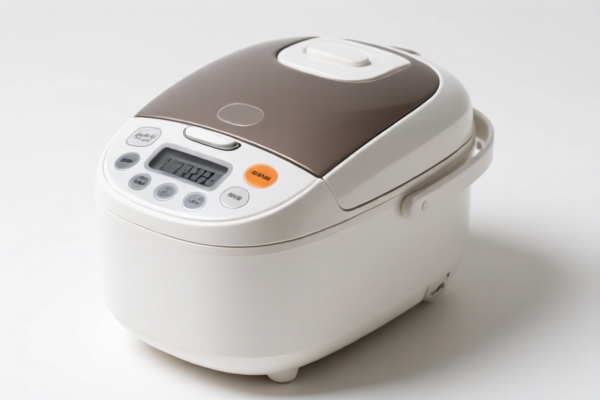
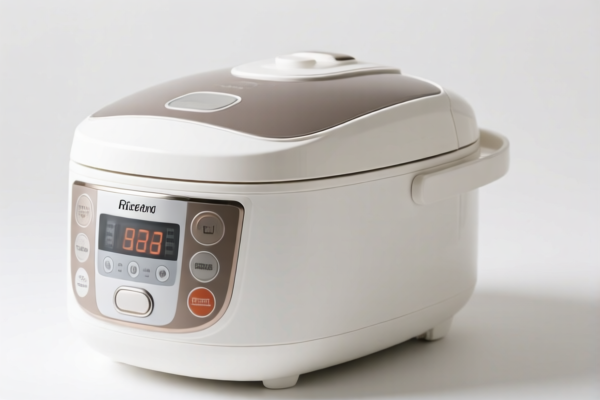
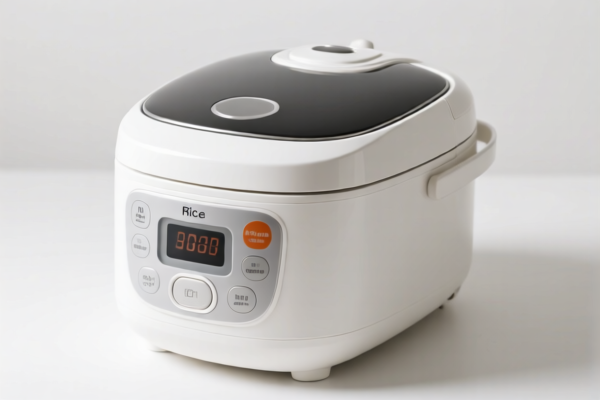
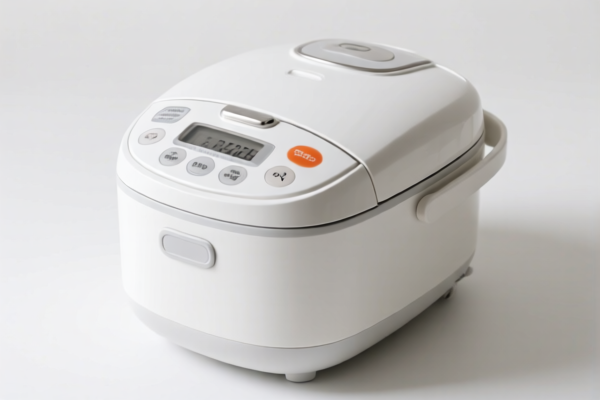
AI Analysis
🍳 Electric Cooker (Electric Hot Pots & Pressure Cookers)
🌐 HS Code Reference & Customs Clearance Guide | 2026 Latest Tariff Breakdown | Professional Clearance Strategy
📌 I. Product Definition & Classification: Do You Really Understand "Electric Cookers"?
Electric cookers encompass a broad range of home kitchen appliances that use electricity to heat food. In international trade, the classification depends heavily on the material and function of the specific item. The data provided highlights five distinct HS codes, reflecting different material compositions (electric, copper, ceramic) and functional forms.
⚠️ Key Distinction Points:
- Electric vs. Non-Electric: Items with heating elements fall under 8516, while non-electric pots (copper/ceramic) fall under 7418 or 6912.
- Material Matters: Copper items face significantly higher tariffs due to trade restrictions compared to ceramic or stainless steel alternatives.
- 122 Clauses: Certain categories attract specific "122 Clause" tariffs, adding to the base duty.
📦 II. HS Code Classification Details (Based on Provided Data)
| HS Code | Product Description | Material/Type | Total Tax Rate | Key Tax Components |
|---|---|---|---|---|
| 8516.60.40.70 | Electric Cookers & Electric Pressure Cookers | Electric Heating Appliances | 35.0% | Base: 0.0% Section 301: 25.0% 122 Clause: 10% |
| 7418.10.00.51 | Copper/Non-Copper Alloy Cookware | Copper or Copper Alloy | 70.5% | Base: 3.0% Section 301: 7.5% Steel/Aluminum/Copper Penalty: 50% 122 Clause: 10% |
| 6912.00.35.50 | Non-Porcelain/Ceramic Cookware | Metal/Composite (Non-Copper) | 19.8% | Base: 9.8% Section 301: 0.0% 122 Clause: 10% |
| 6912.00.48.10 | Ceramic Cookware | Ceramic | 19.8% | Base: 9.8% Section 301: 0.0% 122 Clause: 10% |
| 7418.10.00.53 | Copper Cookware | Pure Copper or Copper Alloy | 70.5% | Base: 3.0% Section 301: 7.5% Steel/Aluminum/Copper Penalty: 50% 122 Clause: 10% |
🔍 Critical Note:
- Copper Items (7418.10.00.51/53): Face the highest burden (70.5%) due to the explicit "Steel, Aluminum, Copper Products Penalty: 50%".
- Electric Items (8516.60.40.70): Have a 0% base tariff, making the 35% total driven entirely by punitive tariffs (25% + 10%).
- Ceramic/Composite (6912): Offers the most favorable rate (19.8%) with 0% Section 301 duty, only carrying the 122 Clause and base duty.
💰 III. 2026 Latest Tariff Rate Breakdown (Detailed Clause Explanation)
✅ Applicable Country: United States (US)
✅ Origin: China (CN)
✅ Context: Based on provided tax details including "122 Clause" and "Section 301" equivalents.
🎯 1. 8516.60.40.70 — Electric Cookers & Pressure Cookers
| Item | Content |
|---|---|
| Base Duty | 0.0% (Ad Valorem) |
| Section 301 / Additional Duty | +25.0% |
| 122 Clause Duty | +10.0% |
| Total Effective Rate | 35.0% |
| Calculation Basis | CIF Value × 35% |
| De Minimis Eligibility | ❌ Not Eligible (High value/importance category) |
| Legal Basis Path | HTSUS: 8516.60.40.70 → Section 301 Footnote → 122 Clause |
📌 Explanation:
- Although the base duty is 0%, the 25% Section 301 tariff applies broadly to Chinese electrical goods.
- The 10% 122 Clause is an additional penalty layer, pushing the total to 35%.
- This is a "high tariff" category for electrical appliances, requiring strict compliance.
🎯 2. 7418.10.00.51 & 7418.10.00.53 — Copper/Copper Alloy Cookware
| Item | Content |
|---|---|
| Base Duty | 3.0% |
| Section 301 / Additional Duty | +7.5% |
| Copper Penalty Duty | +50.0% (Specific to Steel/Aluminum/Copper products) |
| 122 Clause Duty | +10.0% |
| Total Effective Rate | 70.5% |
| Calculation Basis | CIF Value × 70.5% |
| De Minimis Eligibility | ❌ Not Eligible |
| Legal Basis Path | HTSUS: 7418.10.00 → Copper Penalty Clause → 122 Clause |
📌 Explanation:
- CRITICAL WARNING: Copper products face a massive 50% penalty under specific trade provisions.
- Even with a low base duty (3%) and lower Section 301 (7.5%), the 50% copper penalty drives the total to 70.5%.
- Recommendation: Avoid importing pure copper cookware unless the margin can absorb a 70.5% tax.
🎯 3. 6912.00.35.50 & 6912.00.48.10 — Ceramic & Non-Porcelain Cookware
| Item | Content |
|---|---|
| Base Duty | 9.8% |
| Section 301 / Additional Duty | 0.0% |
| 122 Clause Duty | +10.0% |
| Total Effective Rate | 19.8% |
| Calculation Basis | CIF Value × 19.8% |
| De Minimis Eligibility | ❌ Not Eligible (Generally) |
| Legal Basis Path | HTSUS: 6912.00.00 → 122 Clause |
📌 Explanation:
- BEST RATE OPTION: These items have 0% Section 301 duty.
- The total rate of 19.8% is composed of the standard base duty (9.8%) and the 122 Clause (10%).
- Ceramic (6912.00.48.10) and non-porcelain metal/composite (6912.00.35.50) are treated similarly in terms of duty structure here.
- Strategy: If possible, switch from copper or electric to ceramic/composite to save ~15-50% in taxes.
🛠️ IV. Customs Clearance Practical Advice (Real-World Pitfall Guide)
✅ 1. Document Checklist (Non-Negotiable)
| Document | Required? | Description |
|---|---|---|
| ✅ Product Specification Sheet | ✔️ | Must specify material (Copper/Ceramic/Electric), voltage, wattage. |
| ✅ Material Declaration | ✔️ | Crucial for Copper Items: Must explicitly state "100% Copper" or "Copper Alloy" to avoid misclassification. |
| ✅ Product Photos | ✔️ | Clear images of the product, labeling, and packaging. For electric cookers, show heating elements. |
| ✅ Commercial Invoice | ✔️ | Must accurately describe the item (e.g., "Electric Pressure Cooker" vs. "Copper Pot"). |
| ✅ Certificate of Origin (CO) | ✔️ | Required for duty calculation and potential FTA benefits (if applicable, though none shown here). |
| ✅ Compliance Certifications | ✔️ | For electric items: UL, ETL, or FCC certification may be required by CBP or retail standards. |
✅ 2. Classification Strategy (Key Rules)
🔥 "Material Defines Duty, Function Defines Code!"
| Scenario | Correct HS Code | Tax Rate | Risk if Misclassified |
|---|---|---|---|
| Electric Hot Pot | 8516.60.40.70 |
35.0% | If classified as ceramic (6912), underpayment risk (penalties + interest). |
| Copper Saucepan | 7418.10.00.53 |
70.5% | If classified as stainless steel (7323), massive penalty (70.5% vs ~2.5-5%). |
| Ceramic Rice Cooker Inner Pot | 6912.00.48.10 |
19.8% | If classified as part of electric cooker (8516), tax increases to 35%. |
| Mixed Package (Copper Pot + Electric Base) | Separate Declaration | Varies | DO NOT BUNDLE. Declare copper pot under 7418 and electric base under 8516. Bundling leads to confusion and potential audit. |
✅ 3. Special Handling Tips
| Situation | Recommendation |
|---|---|
| OEM Copper Cookware | Ensure the invoice clearly states "Copper Alloy" or "Pure Copper". Vague terms like "Metal Pot" may trigger a 100% audit. |
| Electric Cookers with Ceramic Coating | Classify as Electric (8516.60.40.70), NOT Ceramic (6912). The primary function is electric heating. |
| Non-Electric Copper Pots | Double-check for the 50% Copper Penalty. Consider sourcing from non-China countries if possible to avoid this penalty (though 122 clause may still apply). |
| Hybrid Items | If an item is both electric and has a copper body, the electric function usually dictates HS Code 8516, but consult a customs broker for binding rulings. |
🌍 V. Global Market Comparison (2026 Snapshot)
| Region | Recommended HS Code | Est. Tariff (China Origin) | Key Requirement |
|---|---|---|---|
| 🇺🇸 USA | See Table Above | 19.8% - 70.5% | High scrutiny on Copper & Electric goods. 122 Clause applies. |
| 🇨🇳 China | 8516 / 7418 / 6912 | 0% - 10% | Import duty varies. No Section 301 or 122 penalties. |
| 🇪🇺 EU | 8516 / 7418 / 6912 | 4% - 14% | No Section 301. CE Marking required for electric goods. |
| 🇬🇧 UK | 8516 / 7418 / 6912 | 4% - 14% | Post-Brexit tariffs apply. No US-style punitive tariffs. |
📌 Conclusion:
- The US market is the most challenging due to the 122 Clause and Copper Penalty.
- Ceramic/Composite goods (6912) offer the best entry point into the US with only 19.8% total duty.
- Electric goods (8516) are manageable at 35% if the base margin allows.
- Copper goods (7418) are prohibitively expensive at 70.5% for US export unless premium pricing is secured.
📌 VI. Common Errors & Pitfalls (Lessons Learned)
❌ Error 1: Declaring a "Copper Pot" as "Kitchen Utensil" (General)
👉 Consequence: Misclassification. CBP will reclassify as 7418.10.00.53 → 70.5% tax + penalties!
❌ Error 2: Declaring an Electric Cooker as "Ceramic Pot" to avoid 25% duty
👉 Consequence: Fraud risk. If inspected, the heating element will be found → Seizure, fines, and blacklisting.
❌ Error 3: Ignoring the 122 Clause
👉 Consequence: Underpayment by 10%. CBP will issue a CBP Form 29 for duty deficiency plus interest.
❌ Error 4: Combining Copper and Electric parts in one line item
👉 Consequence: Ambiguity. Customs may apply the highest duty rate of the components or demand full disclosure.
✅ Correct Practice:
"Electric Pressure Cooker, 1.5L, 120V, Model X, UL Listed" →
8516.60.40.70
"Copper Saucepan, 24cm, Pure Copper, No Handle" →7418.10.00.53
"Ceramic Rice Cooker Inner Pot, Dishwasher Safe" →6912.00.48.10
🎯 VII. Conclusion: Smart Classification Saves Money!
🎯 Remember the Rules:
🔹 "Copper is Costly: 70.5% Duty!"
🔹 "Electric is Moderate: 35.0% Duty!"
🔹 "Ceramic is Cheap: 19.8% Duty!"
🔹 "Always Declare Material and Function Precisely!"
📌 Pro Tip:
If you are exporting to the US:
1. Avoid Copper unless you have high margins.
2. Prefer Ceramic or Non-Electric Metal if the product allows.
3. Get Pre-Rulings: For complex hybrid items, request a CBP Binding Ruling before shipment to avoid surprises.
📣 Immediate Action:
📞 Consult a Licensed Customs Broker
📄 Provide Detailed Material Specs
🚀 Optimize Your HS Code Selection to Minimize Tax Liability!
✨ Professional Clearance Starts with Accurate Classification!
💼 Your Profit Margin Depends on the Right HS Code!
Customer Reviews
About HS Code Classification
The Harmonized System (HS) is an internationally standardized nomenclature developed by the World Customs Organization (WCO) to classify traded products. Over 200 countries use the HS system as the basis for customs tariffs, trade statistics, and import/export regulations.
Each HS code follows a hierarchical structure:
- Chapter (2 digits) — Broad category of goods (e.g., Chapter 84: Machinery and Mechanical Appliances)
- Heading (4 digits) — More specific grouping within the chapter
- Subheading (6 digits) — Internationally standardized breakdown, used by all WCO member countries
- National subdivisions (8-10 digits) — Country-specific extensions for further classification, such as US HTSUS 10-digit codes
Correct HS code classification is essential for smooth customs clearance, accurate duty payment, and compliance with trade regulations. Misclassification can lead to customs delays, overpayment of duties, or penalties.
When importing from CN to US, the applicable tariff rates may include:
- Most-Favored-Nation (MFN) rate — The standard duty rate applied to WTO members
- General rate — Applied to countries without trade agreements
- Trade remedy duties — Additional tariffs such as Section 301 (anti-dumping), Section 232 (national security), or countervailing duties
The information provided on this page is for reference purposes only. For official classification, please consult with your local customs authority or a licensed customs broker.