Electric Dryer
CN → US| HS Code | Tariff Rate | Origin | Destination | Doc |
|---|---|---|---|---|
| 8419390280 | 35.0% | CN | US | Official Doc |
| 8450110080 | 18.9% | CN | US | Official Doc |
| 8450120000 | 12.6% | CN | US | Official Doc |
| 8509805095 | 14.2% | CN | US | Official Doc |
| 8451210090 | 38.4% | CN | US | Official Doc |
Product Images
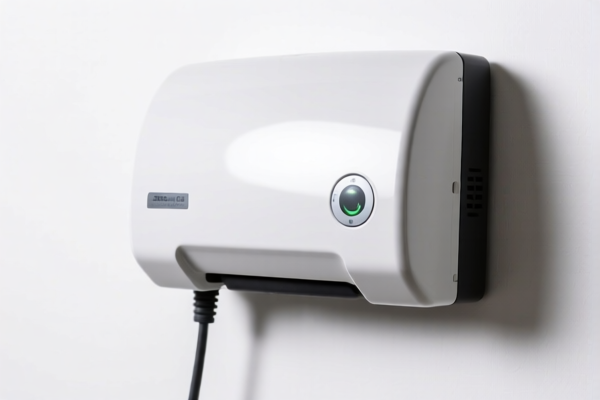
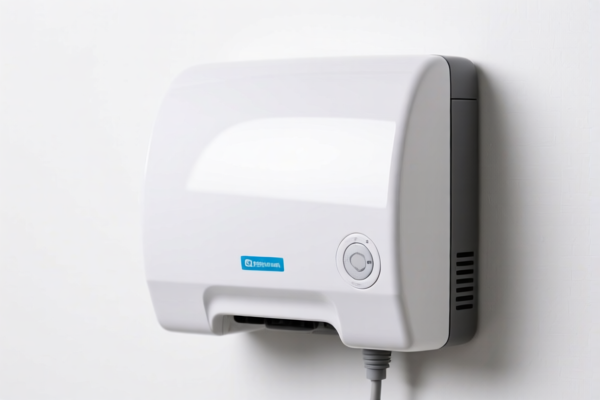
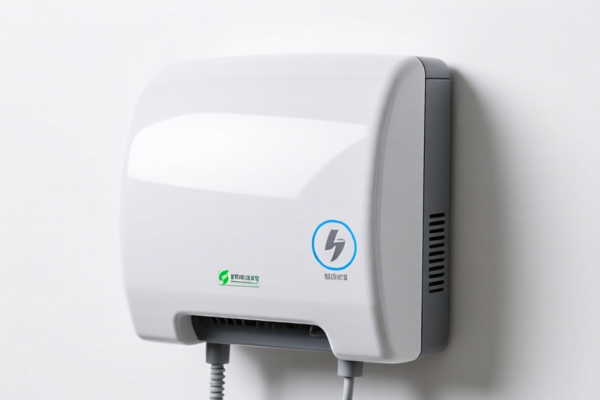
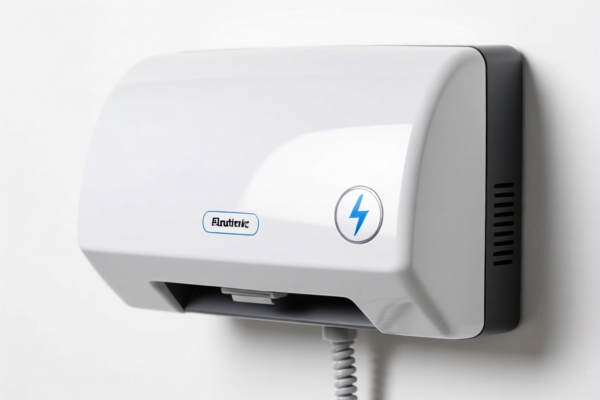
AI Analysis
🌀 Electric Dryer (Clothes Dryers)
🌐 HS Code Reference & Customs Clearance Guide | 2026 Latest Tariff Analysis | Professional Clearance Strategy
📌 Part I: Product Definition & Classification: Do You Really Understand "Electric Dryers"?
An Electric Dryer is a household or commercial appliance designed to remove moisture from clothing and other fabrics using heated air. In international trade, classification hinges on specific functional criteria, such as washing capability, drying capacity, and the presence of a built-in centrifugal dryer. Misclassification can lead to significant tariff discrepancies (from 12.6% to 38.4%) and clearance delays.
⚠️ Key Distinction Points:
- Washer-Dryer Combo: If it washes AND dries → HS 8450 (Lower base tax)
- Standalone Dryer (Other): If it ONLY dries → HS 8419 or 8451 (Higher tax)
- Small Appliance: If it fits the definition of "Other small household appliances with electric motor" → HS 8509 (Medium tax, potential loophole)
📦 Part II: HS Code Classification Details (2026 Latest Tariff Authority Cross-Reference)
Based on the provided data, here are the five potential classifications for an "Electric Dryer," ranked by suitability and risk.
| HS Code | Product Description | Applicability Summary | Tax Rate | Risk Level |
|---|---|---|---|---|
8450.12.00.00 |
Washing machines, including those capable of both washing and drying, with a dry capacity ≤ 10kg, with built-in centrifugal dryer | High Match: Fits "Washer-Dryer" description. No material/conflict. | 12.6% | ✅ Low |
8509.80.50.95 |
Other electro-mechanical domestic appliances with self-contained electric motor | Possible Match: Fits "Other appliances" definition. Excludes electric tooth openers/humidifiers. | 14.2% | ⚠️ Medium |
8450.11.00.80 |
Washing machines, including washer-dryers, dry capacity > 10kg | Possible Match: Fits "Washer-Dryer" function. "Other" category, no obvious conflict. | 18.9% | ⚠️ Medium |
8419.39.02.80 |
Dryers (not laundry) | High Match: "Dryer" matches "Dryer" purpose. "Other" category, no conflict. | 35.0% | 🔴 High |
8451.21.00.90 |
Clothes dryers (electric) | High Match: Explicitly "for drying". Household/commercial electric appliance. | 38.4% | 🔴 Highest |
🔍 Critical Note:
- HS 8450 codes are preferred if the machine has any washing function, as they carry the lowest tariff.
- HS 8419 and 8451 are standard for standalone dryers but carry significantly higher tariffs due to "Additional Duties."
- HS 8509 is a "catch-all" for small appliances; however, customs may reject it if the device is too large to be considered a "small" appliance.
💰 Part III: 2026 Latest Tariff Rate Breakdown (Including Add-ons & Policy Surcharges)
✅ Applicable Country: United States (US)
✅ Origin: China (CN)
✅ Effective Time: Post-November 10, 2025 (Including subsequent imports)
🎯 1. 8450.12.00.00 —— Washing/Drying Machines (≤10kg Dry Capacity)
| Item | Details |
|---|---|
| Base Tariff | 2.6% (ad valorem) |
| Additional Duty (Section 301) | +7.5% |
| IEEPA Surcharge | +10% (Against Chinese/HK products, effective Nov 10, 2025) |
| Total Tax Rate | 12.6% |
| Tax Calculation | CIF Value × 12.6% |
| De Minimis Exemption | ❌ Not Eligible |
| Legal Basis Path | USITC:8450.12.00.00 → Add:7.5% → IEEPA:10% |
📌 Explanation:
- This is the most favorable classification if the machine washes.
- The base tariff is low (2.6%), and while Section 301 applies (7.5%), it is significantly lower than other dryer categories.
- Crucial: Must have a built-in centrifugal dryer.
🎯 2. 8509.80.50.95 —— Other Small Household Appliances
| Item | Details |
|---|---|
| Base Tariff | 4.2% (ad valorem) |
| Additional Duty (Section 301) | 0.0% |
| IEEPA Surcharge | +10% (Against Chinese/HK products) |
| Total Tax Rate | 14.2% |
| Tax Calculation | CIF Value × 14.2% |
| De Minimis Exemption | ❌ Not Eligible |
| Legal Basis Path | USITC:8509.80.50.95 → IEEPA:10% |
📌 Note:
- This code avoids the Section 301 additional duty (0%), but the base tariff is higher (4.2%).
- Risk: Customs may argue that a full-size electric dryer is not a "small" appliance, leading to reclassification to HS 8419 or 8451.
🎯 3. 8450.11.00.80 —— Washing/Drying Machines (>10kg Dry Capacity)
| Item | Details |
|---|---|
| Base Tariff | 1.4% (ad valorem) |
| Additional Duty (Section 301) | +7.5% |
| IEEPA Surcharge | +10% (Against Chinese/HK products) |
| Total Tax Rate | 18.9% |
| Tax Calculation | CIF Value × 18.9% |
| De Minimis Exemption | ❌ Not Eligible |
| Legal Basis Path | USITC:8450.11.00.80 → Add:7.5% → IEEPA:10% |
📌 Warning:
- If your dryer has a large capacity (>10kg) and also washes, this code applies.
- The total tax is still competitive compared to standalone dryers.
🎯 4. 8419.39.02.80 —— Dryers (Other)
| Item | Details |
|---|---|
| Base Tariff | 0.0% (ad valorem) |
| Additional Duty (Section 301) | +25.0% |
| IEEPA Surcharge | +10% (Against Chinese/HK products) |
| Total Tax Rate | 35.0% |
| Tax Calculation | CIF Value × 35.0% |
| De Minimis Exemption | ❌ Not Eligible |
| Legal Basis Path | USITC:8419.39.02.80 → Add:25% → IEEPA:10% |
📌 Explanation:
- Despite a 0% base tariff, the 25% Section 301 duty makes this very expensive.
- This is a "catch-all" for dryers not specified elsewhere. Only use if no other code fits.
🎯 5. 8451.21.00.90 —— Clothes Dryers (Electric)
| Item | Details |
|---|---|
| Base Tariff | 3.4% (ad valorem) |
| Additional Duty (Section 301) | +25.0% |
| IEEPA Surcharge | +10% (Against Chinese/HK products) |
| Total Tax Rate | 38.4% |
| Tax Calculation | CIF Value × 38.4% |
| De Minimis Exemption | ❌ Not Eligible |
| Legal Basis Path | USITC:8451.21.00.90 → Add:25% → IEEPA:10% |
📌 Highest Risk:
- This is the specific code for electric clothes dryers.
- Total tax of 38.4% is the highest among all options.
- Only use this if the product is unequivocally a standalone electric dryer and no other code applies.
🛠️ Part IV: Customs Clearance Practical Advice (Avoiding Pitfalls)
✅ 1. Required Documentation Checklist (No Exceptions)
| Document | Mandatory? | Description |
|---|---|---|
| ✅ Product Spec Sheet | ✔️ | Must include: Dryer Capacity (kg), Type (Vented/Condenser/Heat Pump), Motor Type, Voltage. |
| ✅ Product Photos | ✔️ | Clear images of the unit, nameplate (Model/Serial), and control panel. |
| ✅ Commercial Invoice | ✔️ | Must clearly state "Electric Clothes Dryer" or "Washer-Dryer Combo." |
| ✅ Packing List | ✔️ | Detail components (ducts, filters, shelves) to avoid "Incomplete Set" penalties. |
| ✅ Third-Party Report | ✔️ | UL, ETL, or CE certification (highly recommended to prove safety standards). |
| ✅ Certificate of Origin | ✔️ | Proves origin (CN) for accurate tariff calculation. |
✅ 2. Declaration Strategy (Key Mantra)
🔥 "Function First, Capacity Second, Name Precise, Tax Low!"
| Scenario | Correct Declaration | Incorrect Practice |
|---|---|---|
| Washes AND Dries | 8450.12.00.00 (if ≤10kg) |
Declare as "Dryer" → 35-38% tax |
| Standalone Dryer | 8419.39.02.80 or 8451.21.00.90 |
Misdeclare as "Washing Machine" → Smuggling risk |
| Small Portable Dryer | 8509.80.50.95 |
Declare as large appliance → 35% tax |
| Dryer + Accessories | One HS Code | Split into "Dryer" + "Hose" + "Filter" → Higher total tax |
✅ 3. Special Situation Handling
| Situation | Handling Advice |
|---|---|
| OEM Custom Dryer | Provide customer order + design drawings. Ensure nameplate matches declared HS. |
| Heat Pump Dryer | Still classified under 8419 or 8451. Heat pump tech does not change HS code, but confirm specs. |
| Combination Unit (Washer/Dryer) | CRITICAL: If it washes, it MUST go to HS 8450. Do not use HS 8419/8451. The tax difference is huge (12.6% vs 35%+). |
| Commercial vs. Household | If for commercial laundry, HS 8451 is more likely. For home use, HS 8419 or 8509 may apply. |
🌍 Part V: Global Market Comparison (2026 Latest)
| Country/Region | Recommended HS Code | Tariff (China Origin) | Certification Req. | Notes |
|---|---|---|---|---|
| 🇺🇸 USA | 8450.12.00.00 |
12.6% (Best Case) | UL/ETL + FCC | If standalone, tax jumps to 35-38%. |
| 🇨🇳 China | 8450.12.00.00 |
~10-12% | CCC + RoHS | Domestic trade. |
| 🇪🇺 EU | 8450.12.00.00 |
0% (if CE marked) | CE + ErP | No anti-dumping duties for dryers. |
| 🇬🇧 UK | 8450.12.00.00 |
0% | UKCA | Post-Brexit rules apply. |
| 🇦🇺 Australia | 8450.12.00.00 |
5% | RCM | No heavy surcharges. |
📌 Conclusion:
- USA is the most expensive market due to Section 301 and IEEPA surcharges.
- EU/UK/AU have much lower tariffs, making them more competitive for Chinese exporters.
- Strategy: For US exports, maximize the use of HS 8450 (if possible) to save ~22-25% in taxes.
📌 Part VI: Common Mistakes & Pitfall Guide (Lessons Learned)
❌ Mistake 1: Declaring a Washer-Dryer as a standalone Dryer
👉 Consequence: Tax jumps from 12.6% to 35%+. You overpay significantly.
👉 Fix: Ensure the description includes "Washing" if applicable.
❌ Mistake 2: Declaring a Standalone Dryer as a Small Appliance (HS 8509)
👉 Consequence: Customs reclassifies to HS 8419/8451 and charges 35-38%. Plus, potential fines for misdeclaration.
👉 Fix: If the dryer is large (full-size), use HS 8419/8451. Do not attempt to classify it as "small."
❌ Mistake 3: Ignoring the 10% IEEPA Surcharge
👉 Consequence: Underestimating landed cost by 10% on all China-origin goods.
👉 Fix: Always add 10% to the base + Section 301 tax for China-origin products.
❌ Mistake 4: Vague Product Description ("Clothes Drying Machine")
👉 Consequence: Customs requests clarification, causing delays.
👉 Fix: Use precise terms: "Electric Clothes Dryer, Heat Pump, 8kg Capacity, Model XYZ."
✅ Correct Declaration Example:
"Electric Washer-Dryer Combo, Domestic Use, Dry Capacity 8kg, Built-in Centrifugal Dryer, Model ABC, UL Certified"
HS Code:8450.12.00.00
🎯 Part VII: Conclusion: Professional Declaration, Save Cost, Ensure Clearance!
🎯 Remember the Mantra:
🔹 "Wash+Dry = 8450 (12.6%)! Standalone = 8419/8451 (35%+)! Small = 8509 (14.2%)!"
🔹 "HS Code determines your profit margin. A 20% difference can make or break your shipment!"
📌 Pro Tip:
If your dryer is not for washing, but is a compact/portable unit, consider HS 8509.80.50.95 (14.2%) as a potential alternative, but be prepared to justify its "small appliance" status with photos and dimensions. For full-size units, stick to HS 8419 or 8451.
📣 Immediate Action:
📞 Contact a licensed customs broker + Provide product photos + Apply for an Advance Ruling if the classification is uncertain.
🚀 Ensure your electric dryers pass US customs smoothly, minimize costs, and maximize profits!
✨ Professional Customs Clearance Starts with Accurate Classification!
💼 Every penny of tax saved is pure profit!
Customer Reviews
About HS Code Classification
The Harmonized System (HS) is an internationally standardized nomenclature developed by the World Customs Organization (WCO) to classify traded products. Over 200 countries use the HS system as the basis for customs tariffs, trade statistics, and import/export regulations.
Each HS code follows a hierarchical structure:
- Chapter (2 digits) — Broad category of goods (e.g., Chapter 84: Machinery and Mechanical Appliances)
- Heading (4 digits) — More specific grouping within the chapter
- Subheading (6 digits) — Internationally standardized breakdown, used by all WCO member countries
- National subdivisions (8-10 digits) — Country-specific extensions for further classification, such as US HTSUS 10-digit codes
Correct HS code classification is essential for smooth customs clearance, accurate duty payment, and compliance with trade regulations. Misclassification can lead to customs delays, overpayment of duties, or penalties.
When importing from CN to US, the applicable tariff rates may include:
- Most-Favored-Nation (MFN) rate — The standard duty rate applied to WTO members
- General rate — Applied to countries without trade agreements
- Trade remedy duties — Additional tariffs such as Section 301 (anti-dumping), Section 232 (national security), or countervailing duties
The information provided on this page is for reference purposes only. For official classification, please consult with your local customs authority or a licensed customs broker.