Electric Foot Massager
CN → US| HS Code | Tariff Rate | Origin | Destination | Doc |
|---|---|---|---|---|
| 8509805095 | 14.2% | CN | US | Official Doc |
| 8509801000 | 10.0% | CN | US | Official Doc |
| 9019102050 | 10.0% | CN | US | Official Doc |
Product Images
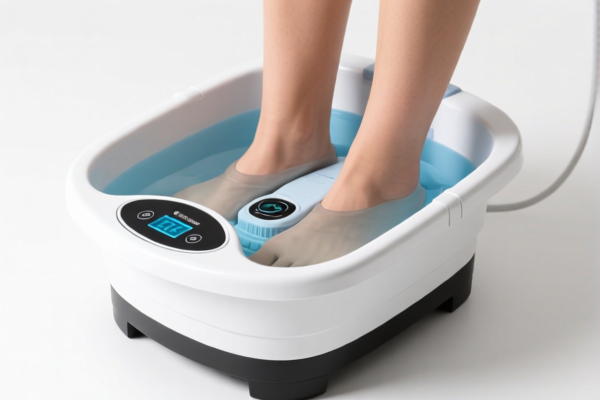
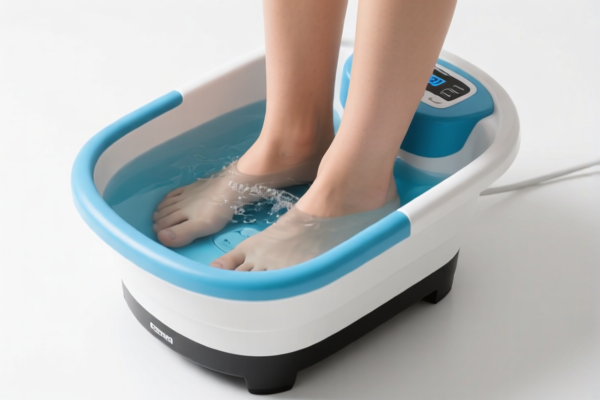
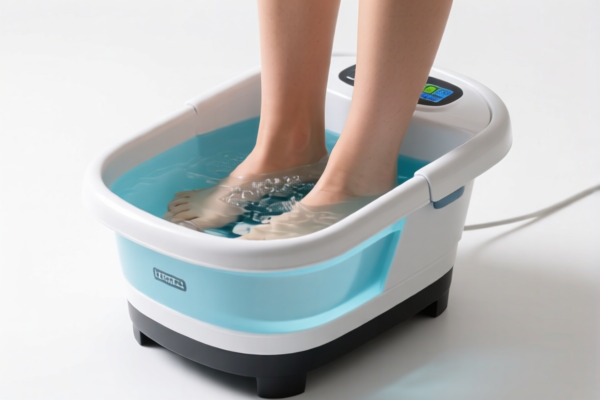
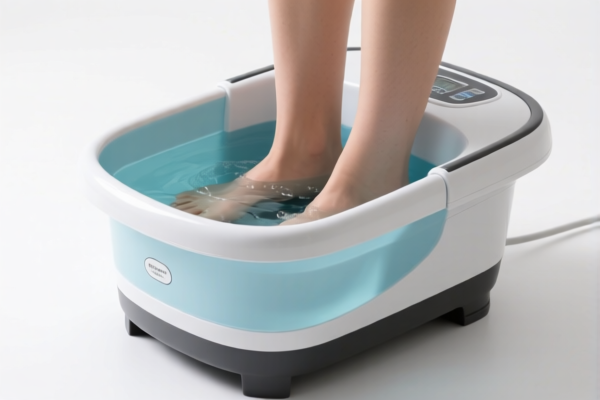
AI Analysis
🦶 Electric Foot Massager (电动足部按摩器)
🌐 HS Code Reference & Clearance Guide | 2026 Latest Tariff Analysis | Professional Clearance Strategy
📌 I. Product Definition & Classification: Do You Really Understand "Electric Foot Massagers"?
An Electric Foot Massager is a domestic appliance designed to massage, heat, or stimulate the feet. In international trade, its classification depends heavily on whether it is viewed as a general home appliance or a specialized medical/therapeutic device.
1. Electric Foot Massagers (Home Appliance Category):
- Typically equipped with self-contained electric motors (e.g., air pressure, roller, or vibrating mechanisms).
- Primary purpose: Relaxation, stress relief, and general wellness in a household setting.
- Key feature: Driven by a built-in electric motor.
2. Medical/Therapeutic Foot Massagers:
- May utilize specific therapeutic techniques (e.g., reflexology points, specialized TENS units).
- Often categorized under health/medical apparatus if marketed specifically for medical treatment rather than general comfort.
⚠️ Key Distinction Point:
- If it is a general home use device with a built-in motor (like an air-cushion massager) → Classified under Chapter 85 (Electrical Machinery).
- If it is a specialized therapeutic device targeting specific medical conditions (reflexology/orthopedic) → Classified under Chapter 90 (Medical Instruments).
📦 II. HS Code Classification Details (2026 Latest Tariff Authority Comparison)
Based on the provided data, here are the two primary classification paths for Electric Foot Massagers:
| HS Code | Product Description | Applicable Scenario | Classification Logic |
|---|---|---|---|
8509.80.50.95 |
Electric Home Appliances | General air-pressure foot massagers, vibrating foot beds, heating foot massagers | Falls under the fallback category for "Other household appliances with self-contained electric motors" not specified elsewhere in 8509. |
8509.80.10.00 |
Massage Apparatus | Specific motor-driven massage devices categorized under "Other" within the massage sub-heading | Falls under "Massage apparatus" within electric mechanical household appliances. |
9019.10.20.50 |
Mecha-no-Therapy Appliances | Foot massagers marketed as medical/reflexology devices | Falls under "Mecha-no-therapy appliances; steam-polishing and other vapor-polishing apparatus; machines using vapor jets, hot air jets or sand jets for industrial purposes" (specifically massage/therapeutic devices). |
🔍 Important Reminder:
-8509vs9019: If the device is purely for relaxation (air bags, rollers), it usually falls under8509. If it is marketed as a medical device for treating ailments (e.g., plantar fasciitis, circulatory issues) with specific therapeutic claims, customs may prefer9019.
-8509.80.10.00is specifically for "Massage apparatus," which is a precise fit for foot massagers, whereas8509.80.50.95is a broader fallback category.
💰 III. 2026 Latest Tariff Rate Breakdown (Including Additional Taxes & Policy Surcharges)
✅ Applicable Country: United States (US)
✅ Origin: China (CN)
✅ Effective Time: Current US Trade Policy (Section 301 & Section 122 Tariffs)
🎯 1. 8509.80.50.95 —— Other Electric Household Appliances (Fallback Category)
| Item | Content |
|---|---|
| Base Tariff Rate | 4.2% (Ad valorem) |
| Section 301 Surcharge | 0.0% (Specific exemption or lower bracket for this sub-heading) |
| Section 122 Tariff | +10% (Targeted surcharge on certain Chinese imports) |
| Total Effective Rate | 14.2% |
| Tax Calculation | CIF Value × 14.2% |
| De Minimis Eligibility | ❌ No (Usually excluded for Section 122/301 goods if over threshold) |
| Legal Authority Path | USITC:8509.80.50.95 → Section 122: 10% → Base: 4.2% |
📌 Explanation:
- This code attracts the highest total tax (14.2%) in the provided data.
- The 10% Section 122 tariff is a critical cost driver here. Section 122 tariffs (19 U.S.C. § 2153) are often applied to goods deemed critical or sensitive.
- No Section 301 tariff is listed for this specific sub-code, which is a slight advantage over other electronics, but the 122 tariff makes it expensive.
🎯 2. 8509.80.10.00 —— Massage Apparatus (Motor-Driven)
| Item | Content |
|---|---|
| Base Tariff Rate | 0.0% |
| Section 301 Surcharge | 0.0% |
| Section 122 Tariff | +10% |
| Total Effective Rate | 10.0% |
| Tax Calculation | CIF Value × 10.0% |
| De Minimis Eligibility | ❌ No |
| Legal Authority Path | USITC:8509.80.10.00 → Section 122: 10% → Base: 0.0% |
📌 Note:
- This code has a 0% base tariff, making it significantly cheaper than the fallback category.
- However, it still incurs the 10% Section 122 tariff.
- Why choose this? If your foot massager can be definitively classified as "Massage Apparatus" (rather than a generic appliance), you save 4.2% in base duties.
🎯 3. 9019.10.20.50 —— Mecha-no-Therapy/Massage Devices (Medical Category)
| Item | Content |
|---|---|
| Base Tariff Rate | 0.0% |
| Section 301 Surcharge | 0.0% |
| Section 122 Tariff | +10% |
| Total Effective Rate | 10.0% |
| Tax Calculation | CIF Value × 10.0% |
| De Minimis Eligibility | ❌ No |
| Legal Authority Path | USITC:9019.10.20.50 → Section 122: 10% → Base: 0.0% |
📌 Explanation:
- Classified under Chapter 90 (Medical/Health Instruments), this code also enjoys a 0% base tariff.
- It is subject to the same 10% Section 122 tariff.
- Advantage: If your product is marketed as a medical/therapeutic device (e.g., for improving circulation, treating foot pain), this is the most appropriate and cost-effective classification (10% total).
- Risk: Requires strong documentation to prove "medical/therapeutic" intent vs. "general wellness."
🛠️ IV. Customs Clearance Practical Advice (Actionable Pitfall Avoidance)
✅ 1. Documentation Checklist (Non-Negotiable)
| Document | Required? | Description |
|---|---|---|
| ✅ Product Specifications | ✔️ | Detailed list of features: Air pressure? Heat? Vibration? Motor power? |
| ✅ Marketing Materials | ✔️ | Brochures/Website screenshots showing if it’s for "relaxation" (8509) or "therapy" (9019). |
| ✅ User Manual | ✔️ | Instructions must clarify the intended use (Home use vs. Therapeutic). |
| ✅ Commercial Invoice | ✔️ | Must clearly state: "Electric Foot Massager" + HS Code + Value. |
| ✅ Proof of Origin | ✔️ | Crucial for tariff calculation. Must be China-origin to trigger Section 122. |
| ✅ FCC Certification | ✔️ | Required for any electrical device emitting electromagnetic radiation. |
| ✅ UL/ETL Report | ✔️ | Safety standard compliance for electrical appliances. |
✅ 2. Classification Strategy (Key Tips)
🔥 "Classify for Purpose: Wellness or Therapy?!"
| Scenario | Recommended HS Code | Why? |
|---|---|---|
| General Home Use (Air bags, rollers, heating) | 8509.80.10.00 |
"Massage apparatus" is more precise than generic "appliance." Saves 4.2% base duty. |
| Medical/Therapeutic Focus (Reflexology, pain relief) | 9019.10.20.50 |
Classified as medical device. 0% base duty. Requires medical marketing claims. |
| Unclear/Legacy Classification | 8509.80.50.95 |
Fallback category. Highest risk (14.2%). Avoid if possible. |
📌 Crucial Insight:
- Avoid8509.80.50.95if you can justify8509.80.10.00or9019.10.20.50. The 4.2% base duty difference adds up significantly on large volumes.
- Section 122 Tariff (10%) applies to ALL three codes. Do not expect exemptions unless the product is re-shored or from a different country.
✅ 3. Special Cases Handling
| Scenario | Handling Advice |
|---|---|
| OEM/White Label Products | Ensure the marketing materials match the declared HS Code. If selling as "Therapeutic," use 9019.10.20.50. If selling as "Relaxation," use 8509.80.10.00. |
| Combo Devices (e.g., Foot Massager + Shoe Dryer) | Classify based on essential character. If the massaging function is primary, use Foot Massager HS Code. If equal, consult a broker for "Essential Character" ruling. |
| Accessories (Replacement bags, power adapters) | Declared separately. Power adapters may have different HS Codes (e.g., 8504.40). |
| De Minimis Exemption (Section 321) | ❌ Not Applicable. Section 122 tariffs often exclude goods from de minimis exemption if they fall under specific sensitive categories. Verify with CBP. |
🌍 V. Global Market Comparison (2026 Update)
| Country/Region | Recommended HS Code | Total Tariff (China Origin) | Certification | Notes |
|---|---|---|---|---|
| 🇺🇸 USA | 9019.10.20.50 or 8509.80.10.00 |
10% (All codes have 122 tariff) | FCC + UL | 8509.80.50.95 is 14.2%. Aim for 0% base + 10% 122. |
| 🇪🇺 EU | 9019.10.90 or 8509.80 |
0% - 2.7% (Varies by precise classification) | CE + RoHS | EU has no Section 122 equivalent. Generally lower duties. |
| 🇨🇳 China | 8509.80 or 9019.10 |
0% - 6% (Import Duty) | CCC (if electrical) | China imports these too. Check bilateral agreements if applicable. |
| 🇨🇦 Canada | 9019.10.90.00 |
0% (Most FTA eligible) | Health Canada | If from eligible FTA countries, 0% duty. |
| 🇬🇧 UK | 9019.10.90 |
0% - 4.5% | UKCA | Post-Brexit rules apply. |
📌 Conclusion for USA:
- The 10% Section 122 tariff is the dominant cost factor.
- Minimizing Base Duty is key. Therefore,8509.80.10.00and9019.10.20.50are preferred over8509.80.50.95.
- Medical marketing (9019) offers the same 10% total as Massage (8509.80.10), but9019may have fewer regulatory hurdles in some contexts if properly documented.
📌 VI. Common Mistakes & Pitfalls (Lessons Learned)
❌ Mistake 1: Using 8509.80.50.95 (Fallback) without justification
👉 Consequence: Paying 14.2% instead of 10%. On a $100,000 shipment, you lose $4,200.
✅ Fix: Justify "Massage Apparatus" (8509.80.10.00) with product specs.
❌ Mistake 2: Ignoring the Section 122 Tariff
👉 Consequence: Surprise bill at customs.
✅ Fix: Budget for 10% additional duty regardless of base rate.
❌ Mistake 3: Misclassifying Medical Devices as General Appliances
👉 Consequence: If marketed as medical but classified as 8509, you may face audits for under-declaring medical device regulations.
✅ Fix: If claiming medical benefits, ensure FDA compliance and use 9019.
❌ Mistake 4: Declaring "Foot Massager" without HS Code
👉 Consequence: Customs will assign a default code, likely the higher-tariff fallback.
✅ Fix: Always declare the precise HS Code in the commercial invoice.
🎯 VII. Conclusion: Professional Classification Saves Money!
🎯 Key Takeaway:
🔹 "Base Duty is King, Section 122 is Fixed."
🔹 Choose8509.80.10.00or9019.10.20.50to eliminate the 4.2% base duty.
🔹 Prepare medical/therapeutic documentation if aiming for9019.
🔹 Budget for 10% Section 122 Tariff for all China-origin foot massagers.
📌 Pro Tip:
If your foot massager includes heating elements or vibration, ensure your FCC testing covers these frequencies. For air-pressure massagers, emphasize the "massage" function in your invoice description.
📣 Immediate Action:
📞 Consult a Customs Broker to review your product’s marketing materials.
📄 Update Your Commercial Invoice to include the precise HS Code (8509.80.10.00or9019.10.20.50).
🚀 Avoid the 14.2% Trap! Optimize your classification today.
✨ Precise Classification = Lower Costs = Higher Profit!
💼 Every percentage point counts in international trade!
Customer Reviews
About HS Code Classification
The Harmonized System (HS) is an internationally standardized nomenclature developed by the World Customs Organization (WCO) to classify traded products. Over 200 countries use the HS system as the basis for customs tariffs, trade statistics, and import/export regulations.
Each HS code follows a hierarchical structure:
- Chapter (2 digits) — Broad category of goods (e.g., Chapter 84: Machinery and Mechanical Appliances)
- Heading (4 digits) — More specific grouping within the chapter
- Subheading (6 digits) — Internationally standardized breakdown, used by all WCO member countries
- National subdivisions (8-10 digits) — Country-specific extensions for further classification, such as US HTSUS 10-digit codes
Correct HS code classification is essential for smooth customs clearance, accurate duty payment, and compliance with trade regulations. Misclassification can lead to customs delays, overpayment of duties, or penalties.
When importing from CN to US, the applicable tariff rates may include:
- Most-Favored-Nation (MFN) rate — The standard duty rate applied to WTO members
- General rate — Applied to countries without trade agreements
- Trade remedy duties — Additional tariffs such as Section 301 (anti-dumping), Section 232 (national security), or countervailing duties
The information provided on this page is for reference purposes only. For official classification, please consult with your local customs authority or a licensed customs broker.