Electric Hair Removal Device
CN → US| HS Code | Tariff Rate | Origin | Destination | Doc |
|---|---|---|---|---|
| 8543708900 | 17.5% | CN | US | Official Doc |
| 8543709860 | 37.6% | CN | US | Official Doc |
| 8510905500 | 39.2% | CN | US | Official Doc |
| 8510300000 | 14.2% | CN | US | Official Doc |
| 8510209000 | 39.0% | CN | US | Official Doc |
Product Images
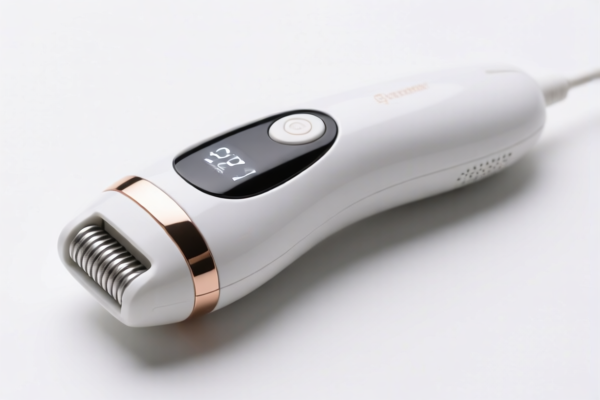

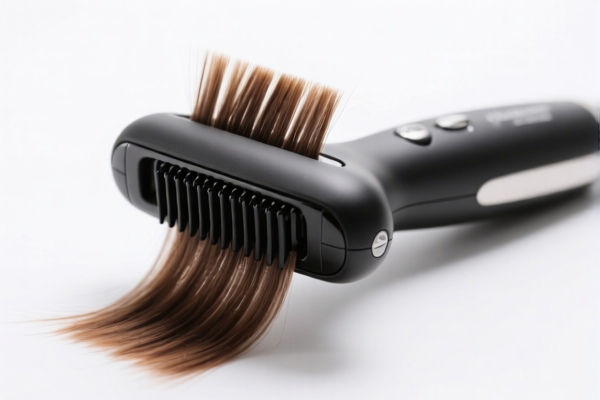
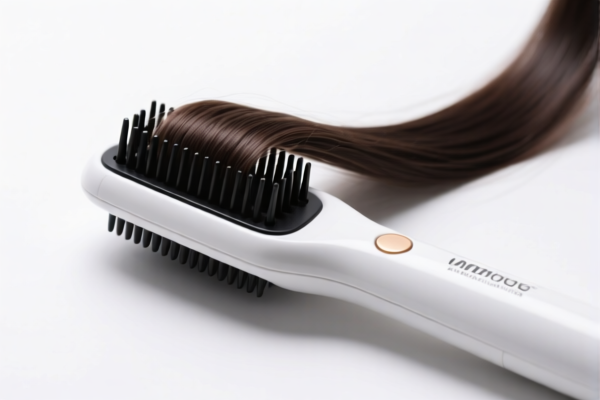
AI Analysis
🚫⚠️ Electric Hair Removal Device: The Ultimate HS Code & Tariff Warzone (2026 Guide)
🌐 Global Trade & Customs Strategy | 2026 Tariff Breakdown | Expert Clearance Tactics
📌 I. The Product Identity: What You Actually Have
The Electric Hair Removal Device is a personal grooming appliance, typically battery-powered or mains-operated, designed to remove unwanted hair via electric motors (shaving), lasers, or IPL (Intense Pulsed Light).
In the world of international trade, one device can have five different HS Codes, leading to wildly different tax bills. The difference between a 14.2% tax and a 39.2% tax depends entirely on how the device is engineered and how you describe it on the invoice.
⚠️ CRITICAL DISTINCTION:
- Is it a "Motorized Shaver" (8510)? → Lower tariff for "Hair-removing appliances."
- Is it a "General Electronic Device" (8543)? → HIGHER tariff due to "Specific Function."
- Is it an "Electrolytic/IPL System" (8510/8543 mix)? → Highest tariff due to "25% Additional Duty."
📦 II. HS Code Classification Matrix (5 Critical Options)
Based on 2026 US Tariff Rules & Chinese Export Data
| HS Code | Device Type | Classification Logic | Total Tax Rate | Who Wins? |
|---|---|---|---|---|
| 8510.30.00.00 | Electric Razor/Epilator | Matches "Hair-removing appliances" perfectly. Simple motor. | 14.2% | 🏆 Best Rate |
| 8543.70.89.00 | Portable Battery Device | "Portable, battery-powered, specific function." | 17.5% | 🥈 Good Rate |
| 8510.90.55.00 | IPL/Laser with Motor | "Epilator" with motor, but classified under accessories/complex parts. | 39.2% | ❌ High Risk |
| 8510.20.90.00 | Electric Clippers | Misclassified as "Electric Hair Clippers" (for humans). | 39.0% | ❌ High Risk |
| 8543.70.98.60 | Independent Apparatus | "Independent functional device" (excluding amplifiers). | 37.6% | ❌ High Risk |
🔍 Key Insight:
- 8510.30.00.00 is the golden ticket (14.2% total). It treats the device as a simple shaver/epilator. - 8543 codes (Portable/Electronic) attract Section 301 (25%) + Section 122 (10%), pushing rates to 37%+. - 8510.90 and 8510.20 are trap codes for devices that look like shavers but have complex internal electronics or are marketed as "clippers."
💰 III. 2026 Tariff Breakdown: The "Hidden" 35% Surprise
Applies to US Imports from China (CN)
Let's dissect the math. Why does the same device cost 39.2% tax in one case but 14.2% in another?
🎯 1. The "Golden" Option: 8510.30.00.00 (Lowest Tax)
Description: "Hair-removing appliances" (e.g., basic electric shavers/epilators). | Component | Rate | Source | |:---|:---|:---| | Base Duty | 4.2% | Standard MFN Tariff | | Section 301 (Additional) | 0.0% | Exempt for this specific sub-category! | | Section 122 (Add-on) | 10.0% | China-specific surcharge | | ✅ TOTAL | 14.2% | Best Case Scenario |
💡 Why it works: This HS Code is treated as a basic grooming tool, avoiding the aggressive "Section 301" 25% hike applied to high-tech electronics.
🎯 2. The "Trap" Options: 8543.70.89.00 & 8543.70.98.60 (High Tax)
Description: "Portable electronic devices" or "Independent functional apparatus." | Component | Rate | Source | |:---|:---|:---| | Base Duty | 0.0% ~ 2.6% | Varies by sub-class | | Section 301 (Additional) | 25.0% | Applied heavily | | Section 122 (Add-on) | 10.0% | China surcharge | | ✅ TOTAL | 17.5% ~ 37.6% | Expensive! |
⚠️ The Danger: If the device has a microprocessor, complex sensor array, or is marketed as a "high-tech beauty machine," Customs may force it into the 8543 category. You pay the 25% extra immediately.
🎯 3. The "Confusion" Options: 8510.90.55.00 & 8510.20.90.00 (Highest Tax)
Description: "Parts of hair removal appliances" or "Electric Hair Clippers." | Component | Rate | Source | |:---|:---|:---| | Base Duty | 4.0% ~ 4.2% | Standard | | Section 301 (Additional) | 25.0% | Applied | | Section 122 (Add-on) | 10.0% | China surcharge | | ✅ TOTAL | 39.0% ~ 39.2% | Avoid at all costs! |
🚨 Why so high?: These codes often imply the device is a tool for animals or clippers, or it's a complex part that doesn't qualify for the "simple appliance" exemption. 39.2% is a killer for profit margins.
🛠️ IV. Customs Clearance Strategy: How to Pay 14.2% Instead of 39.2%
✅ Step 1: Technical Preparation (The "Product Specs")
To claim 8510.30.00.00, your product MUST be described as a Hair-removing appliance with a self-contained motor. - Do NOT emphasize "IPL," "Laser," or "AI Technology" in the description if possible. - Do emphasize "Electric Motor," "Cordless," "Shaving/Epilating." - Structure: Ensure the device is sold as a complete unit (not a kit of parts).
✅ Step 2: Declaration Wording (The "Invoice Trick")
❌ BAD Description:
"Advanced Smart Beauty Device, IPL Hair Removal, 5 Modes, 5W LED, AI Sensor."
(Result: Customs will suspect 8543 → 37.6% Tax)
✅ GOOD Description:
"Electric Hair Removal Device (Epilator), Battery Powered, Self-Contained Motor, For Human Use."
(Result: Customs sees 8510.30.00.00 → 14.2% Tax)
✅ Step 3: Documentation Checklist
| Document | Requirement | Why? |
|---|---|---|
| Product Data Sheet | Must show "Motor" and "No Laser Source" | Proves it's a shaver/epilator, not a medical device. |
| Technical Manual | Highlight "Hair Removal Function" | Supports HS Code 8510.30. |
| Photos | Clear shots of the head/nozzle | Must look like a shaver/trimmer, not a medical laser gun. |
| Bill of Lading | Mark "Hair Removal Appliance" | Consistency with invoice. |
🌍 V. Global Market Comparison (2026)
| Market | Recommended HS Code | Total Tax (China) | Notes |
|---|---|---|---|
| 🇺🇸 USA | 8510.30.00.00 |
14.2% | Critical: Avoid 8543 codes at all costs. |
| 🇪🇺 EU | 8510.30.00 |
~4% + VAT | No Section 301, but CE certification required. |
| 🇨🇦 Canada | 8510.30.00 |
0% (FPA) + HST | Generally lower tariffs if FTA applies. |
| 🇦🇺 Australia | 8510.30.00 |
5% + GST | Similar to US logic, avoid "Medical Device" classification. |
📌 Key Takeaway:
The USA is the most aggressive market. If you get your HS Code wrong here, you lose 25% of your revenue overnight. Precision is profit.
📌 VI. Common Pitfalls & "Blood" Lessons
❌ Mistake 1: Calling it a "Laser Device"
👉 Result: Customs reclassifies it as a medical device or high-tech electronics (8543).
Tax Jump: 14.2% → 37.6% (+23.4% cost!).
❌ Mistake 2: Selling "Parts Only"
👉 Result: If the device is sold as "Motor + Head," it might be classified as parts (8510.90).
Tax Jump: 14.2% → 39.2%.
❌ Mistake 3: Vague Description
👉 Result: "Beauty Machine."
Result: Customs has to ask questions, causing delays + storage fees.
🎯 VII. Conclusion: The Winning Formula
🔥 THE MANTRA:
"Motor, Not Laser. Appliance, Not Machine. 8510.30.00.00 is the King!"
- Check your internal motor: Is it a simple electric motor? Yes → 8510.30.00.00.
- Avoid "High-Tech" keywords: Don't over-describe sensors or AI in the HS code description.
- Declare as "Hair-removing appliance": Be specific, be simple, be safe.
Final Calculation:
- Wrong Code (8543): $100 Product → $37.60 Tax
- Right Code (8510.30): $100 Product → $14.20 Tax
- Savings: $23.40 per unit! (23.4% margin recovery)
📣 Action Item:
Review your product packaging and marketing materials immediately.
If you see words like "Laser," "IPL," "Medical," or "Smart AI," rephrase your HS Code declaration to focus on the motorized hair removal aspect to secure the 14.2% rate.
Don't let a wrong letter in the HS Code cost you thousands! 💰📉
✨ Customs Precision = Profit Maximization
💼 Your next shipment starts with the right HS Code!
Customer Reviews
About HS Code Classification
The Harmonized System (HS) is an internationally standardized nomenclature developed by the World Customs Organization (WCO) to classify traded products. Over 200 countries use the HS system as the basis for customs tariffs, trade statistics, and import/export regulations.
Each HS code follows a hierarchical structure:
- Chapter (2 digits) — Broad category of goods (e.g., Chapter 84: Machinery and Mechanical Appliances)
- Heading (4 digits) — More specific grouping within the chapter
- Subheading (6 digits) — Internationally standardized breakdown, used by all WCO member countries
- National subdivisions (8-10 digits) — Country-specific extensions for further classification, such as US HTSUS 10-digit codes
Correct HS code classification is essential for smooth customs clearance, accurate duty payment, and compliance with trade regulations. Misclassification can lead to customs delays, overpayment of duties, or penalties.
When importing from CN to US, the applicable tariff rates may include:
- Most-Favored-Nation (MFN) rate — The standard duty rate applied to WTO members
- General rate — Applied to countries without trade agreements
- Trade remedy duties — Additional tariffs such as Section 301 (anti-dumping), Section 232 (national security), or countervailing duties
The information provided on this page is for reference purposes only. For official classification, please consult with your local customs authority or a licensed customs broker.