Electric Heating
CN → US| HS Code | Tariff Rate | Origin | Destination | Doc |
|---|---|---|---|---|
| 8516290060 | 38.7% | CN | US | Official Doc |
| 8516290030 | 38.7% | CN | US | Official Doc |
| 8419190160 | 35.0% | CN | US | Official Doc |
| 7321116000 | 85.0% | CN | US | Official Doc |
| 7321111030 | 90.7% | CN | US | Official Doc |
Product Images
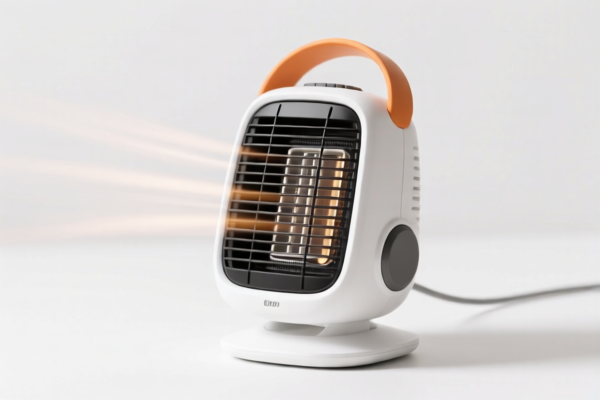
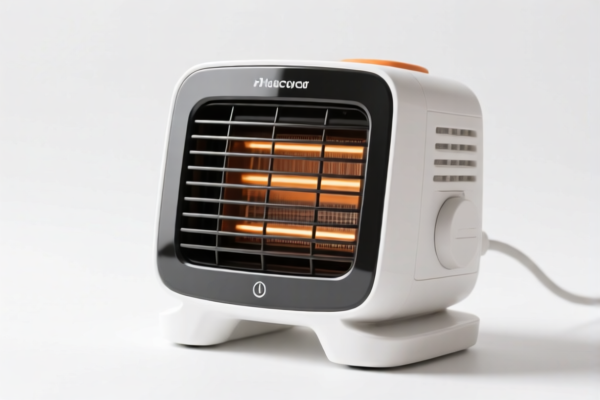
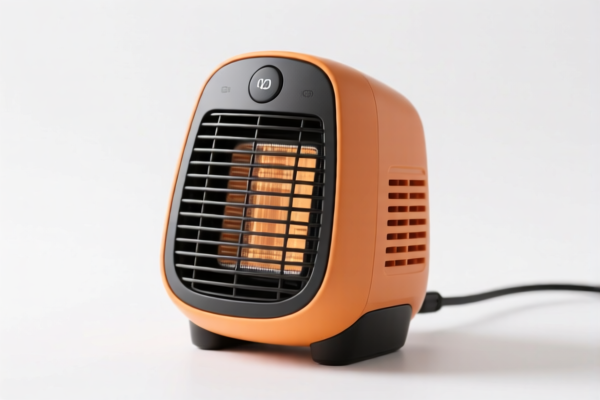
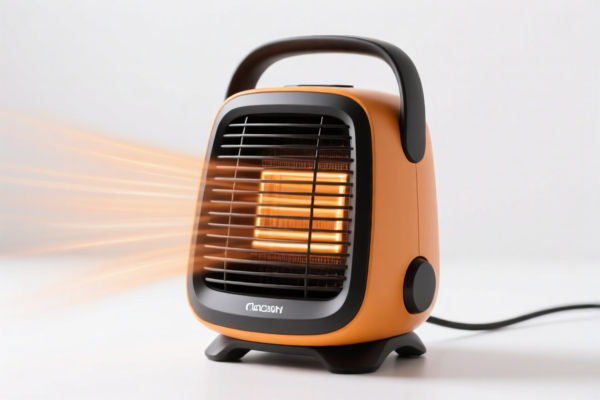
AI Analysis
🔥 Electric Heaters: HS Code Classification & Customs Clearance Guide (2026)
🌐 HS Code Reference & Customs Strategy | Latest Tariff Analysis | Professional Clearance Protocol
📌 I. Product Definition & Classification: Do You Really Know "Electric Heaters"?
"Electric Heaters" is a broad category in international trade, ranging from small personal desk warmers to large industrial space heating units. In customs classification, the key differentiators are power source (Electric vs. Non-Electric) and application (Space Heating vs. Industrial Processing).
Key Distinctions: * Electric Space Heaters: Devices that use electricity to generate heat for warming rooms or personal spaces. These typically fall under HS 8516. * Gas/Stove Heaters: Devices that burn fuel (gas, oil) for heating, often used in homes or cooking. These fall under HS 7321 or HS 8419. * Industrial Heating Equipment: Machinery that heats materials or processes goods (e.g., drying, sterilizing) using any heat source. These fall under HS 8419.
⚠️ Critical Classification Point:
- If it is Electric and used for Space Heating → Most likely 8516.29 (Other Electric Space Heaters).
- If it is Electric but used for Industrial Processing (not just warming air) → Likely 8419.19 (Non-electric or other machinery).
- If it is Gas/Fuel based → Likely 7321 (Iron/Steel gas stoves) or 8419 (Gas-fired machinery).
📦 II. HS Code Classification Details (2026 Latest Tariff Authority Comparison)
Based on the provided data, here are the five potential HS Codes for "Electric Heating" products, along with their specific use cases and tax implications.
| HS Code | Product Description | Application/Context | Tax Rate |
|---|---|---|---|
8516.29.00.60 |
Other Electric Space Heaters | General electric heaters; no specific form indicated. Matches "Other" category rules. | 38.7% |
8516.29.00.30 |
Other Electric Space Heaters | Electric space heating devices; assumed electric based on common sense. No conflict with "forced fan" or specific attributes. | 38.7% |
7321.11.60.00 |
Gas-Fired Stoves/Ranges (Iron/Steel) | Note: Data implies inference of Iron/Steel material & Gas usage. Used for heating/cooking. | 85.0% |
8419.19.01.60 |
Other Non-Electric Heating Machinery | Heating equipment; assumes non-electric heat source based on "non-electric" category match. | 35.0% |
7321.11.10.30 |
Gas-Fired Stoves/Ranges (Iron/Steel) | Household cooking-related heating devices; inferred metal (iron/steel) material. | 90.7% |
🔍 Key Insight:
- Electric Heaters generally fall under 8516.29. The two codes8516.29.00.60and8516.29.00.30both apply to electric space heaters with a total tariff of 38.7%.
- Non-Electric/Gas Heaters fall under 7321 or 8419, with significantly higher tariffs (85.0% - 90.7%) due to additional steel/aluminum duties.
- Industrial Non-Electric Heaters fall under 8419.19 with a slightly lower tariff of 35.0%.
💰 III. 2026 Latest Tariff Rate Breakdown (Including Surtaxes & Policy Additions)
✅ Applicable Country: USA (US)
✅ Origin: China (CN)
✅ Effective Date: From November 10, 2025 (and subsequent imports)
🎯 1. 8516.29.00.60 & 8516.29.00.30 — Electric Space Heaters
| Item | Detail |
|---|---|
| Base Tariff | 3.7% |
| USITC Surtax (Section 301) | +25.0% |
| IEEPA Surtax (122-Clause) | +10.0% |
| Total Tariff Rate | 38.7% |
| Tax Calculation | CIF Value × 38.7% |
| De Minimis Exemption | ❌ Not Eligible |
| Legal Basis Path | USITC:8516.29.00.60 → FOOTNOTE:301 → IEEPA:122 |
📌 Explanation:
- Base Tariff (3.7%): Standard MFN rate for electric heaters.
- Section 301 Surtax (25%): Applied to Chinese-made goods under US Trade Law Section 301.
- IEEPA 122-Clause (10%): Additional surtax targeting specific Chinese goods under the International Emergency Economic Powers Act.
- Total: 38.7% is the final duty rate. This is a high-cost category requiring precise classification to avoid misdeclaration.
🎯 2. 7321.11.60.00 — Gas-Fired Stoves/Ranges (Iron/Steel)
| Item | Detail |
|---|---|
| Base Tariff | 0.0% |
| USITC Surtax (Section 301) | +25.0% |
| IEEPA Surtax (122-Clause) | +10.0% |
| Steel/Aluminum/Copper Surtax | +50.0% |
| Total Tariff Rate | 85.0% |
| Tax Calculation | CIF Value × 85.0% |
| De Minimis Exemption | ❌ Not Eligible |
| Legal Basis Path | USITC:7321.11.60.00 → FOOTNOTE:Steel → IEEPA:122 |
📌 Warning:
- This high rate is due to the additional 50% surtax on steel/aluminum/copper products.
- If the heater is made of iron/steel, this surtax applies in addition to the 301 and 122 tariffs.
- Misclassification from Electric (38.7%) to Steel Gas (85.0%) will double your tax burden.
🎯 3. 8419.19.01.60 — Other Non-Electric Heating Machinery
| Item | Detail |
|---|---|
| Base Tariff | 0.0% |
| USITC Surtax (Section 301) | +25.0% |
| IEEPA Surtax (122-Clause) | +10.0% |
| Total Tariff Rate | 35.0% |
| Tax Calculation | CIF Value × 35.0% |
| De Minimis Exemption | ❌ Not Eligible |
| Legal Basis Path | USITC:8419.19.01.60 → FOOTNOTE:301 → IEEPA:122 |
📌 Note:
- This code applies if the heating device is not electric and not for domestic space heating (e.g., industrial drying).
- Lower than steel-based codes but still high due to 301/122 tariffs.
🎯 4. 7321.11.10.30 — Gas-Fired Stoves/Ranges (Iron/Steel)
| Item | Detail |
|---|---|
| Base Tariff | 5.7% |
| USITC Surtax (Section 301) | +25.0% |
| IEEPA Surtax (122-Clause) | +10.0% |
| Steel/Aluminum/Copper Surtax | +50.0% |
| Total Tariff Rate | 90.7% |
| Tax Calculation | CIF Value × 90.7% |
| De Minimis Exemption | ❌ Not Eligible |
| Legal Basis Path | USITC:7321.11.10.30 → FOOTNOTE:Steel → IEEPA:122 |
📌 Critical Warning:
- This is the highest tariff bracket in the dataset.
- Applies to steel/iron gas stoves with a 5.7% base rate.
- Avoid this classification for electric heaters to prevent massive cost overruns.
🛠️ IV. Customs Clearance Practical Advice (Real-World Pitfall Guide)
✅ 1. Essential Documentation Checklist (Mandatory)
| Document | Required | Description |
|---|---|---|
| ✅ Product Specification Sheet | ✔️ | Must clearly state Power Source (Electric/Gas), Heating Type (Space/Industrial), and Material (Steel/Plastic). |
| ✅ Technical Diagrams | ✔️ | Show heating element type (e.g., PTC, Ceramic, Gas Burner) to distinguish between 8516 (Electric) and 7321/8419 (Non-Electric). |
| ✅ Product Photos | ✔️ | Include nameplate showing voltage (V), wattage (W), or gas type (Natural Gas/Propane). |
| ✅ Commercial Invoice | ✔️ | Description must match HS Code: e.g., "Electric Space Heater" vs. "Gas-Fired Stove". |
| ✅ Origin Certificate (CO) | ✔️ | Required for origin verification; China origin triggers 301/122 tariffs. |
| ✅ Packing List | ✔️ | Detail contents to prove if parts are shipped separately (avoiding split valuation issues). |
✅ 2. Declaration Strategy (Key Mantras)
🔥 "Classify by Power Source, Not Just Name!"
| Scenario | Correct HS Code | Incorrect Declaration | Consequence |
|---|---|---|---|
| Electric Space Heater | 8516.29.00.60 / 30 |
Declare as "Gas Stove" (7321) |
Overpay: 38.7% → 85.0%+ |
| Gas-Fired Stove (Steel) | 7321.11.60.00 / 10.30 |
Declare as "Electric Heater" (8516) |
Underpay: 85.0% → 38.7% → Penalty + Back Taxes |
| Industrial Non-Electric Heater | 8419.19.01.60 |
Declare as "Space Heater" (8516) |
Misclassification Risk |
| Part of Heater (e.g., Heating Element) | Varies | Declare as "Complete Unit" | Undervaluation Penalty |
✅ 3. Special Handling Cases
| Case | Handling Advice |
|---|---|
| OEM Electric Heaters | Provide client order + design specs to confirm electric nature. Avoid "heating appliance" vagueness. |
| Dual-Fuel Heaters | If it works on both Electric AND Gas, classify based on primary intended use or declare separately. Risk of complex classification. |
| Heaters with Smart Features | If it has Wi-Fi/Bluetooth, it is still an Electric Heater (8516), not a computer peripheral. Do not misclassify as 8517 or 8471. |
| Industrial Drying Machines | If it heats air for drying goods (not just warming people), classify under 8419.19, not 8516. |
🌍 V. Global Market Customs Comparison (2026 Latest)
| Country/Region | Recommended HS Code | Tariff (China Origin) | Certification | Note |
|---|---|---|---|---|
| 🇺🇸 USA | 8516.29.00.60 |
38.7% | UL/ETL | High due to 301/122. |
| 🇨🇳 China | 8516.29.00.60 |
10.0% | CCC | No 301/122 tariffs. |
| 🇪🇺 EU | 8516.29.00.60 |
4.0% | CE | No surtaxes. |
| 🇦🇺 Australia | 8516.29.00.60 |
5.0% | RCM | Low tariff, simple clearance. |
| 🇯🇵 Japan | 8516.29.00.60 |
6.0% | PSE | Moderate tariff. |
📌 Conclusion:
- USA is the most challenging market due to 38.7% effective tariff.
- Electric Heaters are not exempt from Section 301 or IEEPA surtaxes.
- Non-Electric/Gas Heaters face even higher risks due to Steel Surtax (50%).
📌 VI. Common Errors & Pitfall Guide (Lessons Learned)
❌ Error 1: Declaring an Electric Heater as "Heating Element" to lower value.
👉 Consequence: Customs may reclassify as complete unit → 38.7% on full value + penalty.
❌ Error 2: Ignoring the Steel Surtax for Gas Stoves.
👉 Consequence: If steel gas stoves are misclassified as non-steel or electric, you face 85.0% vs 38.7% discrepancy → Heavy back taxes + fines.
❌ Error 3: Vague Description: "Heater".
👉 Consequence: CBP will request additional info → Delay in clearance.
✅ Correct Description: "Electric Space Heater, Model XYZ, 1500W, 120V, PTC Heating Element"
❌ Error 4: Assuming "De Minimis" applies.
👉 Consequence: No de minimis for China-origin goods under IEEPA 122. All shipments are taxable.
🎯 VII. Conclusion: Professional Declaration Saves Money!
🎯 Remember the Mantra:
🔹 "Electric = 8516 (38.7%) | Gas/Steel = 7321 (85-90%) | Industrial = 8419 (35%)"
🔹 "Specify Power Source! Vague names cost thousands!"
📌 Pro Tip:
If your heaters are shipped from Vietnam, Mexico, or Thailand, you may qualify for IEEPA exemptions, reducing tariffs to 0-5%.
Recommend Advance Ruling from CBP if classification is ambiguous between Electric vs. Gas or Space vs. Industrial.
📣 Immediate Action:
📞 Consult a licensed customs broker + Provide Technical Specs + Apply for HS Code Advance Ruling
🚀 Ensure Smooth Customs Clearance, Cost Efficiency, and Profit Maximization!
✨ Professional Clearance Starts with Accurate Classification!
💼 Every dollar of cost deserves precise calculation!
Customer Reviews
About HS Code Classification
The Harmonized System (HS) is an internationally standardized nomenclature developed by the World Customs Organization (WCO) to classify traded products. Over 200 countries use the HS system as the basis for customs tariffs, trade statistics, and import/export regulations.
Each HS code follows a hierarchical structure:
- Chapter (2 digits) — Broad category of goods (e.g., Chapter 84: Machinery and Mechanical Appliances)
- Heading (4 digits) — More specific grouping within the chapter
- Subheading (6 digits) — Internationally standardized breakdown, used by all WCO member countries
- National subdivisions (8-10 digits) — Country-specific extensions for further classification, such as US HTSUS 10-digit codes
Correct HS code classification is essential for smooth customs clearance, accurate duty payment, and compliance with trade regulations. Misclassification can lead to customs delays, overpayment of duties, or penalties.
When importing from CN to US, the applicable tariff rates may include:
- Most-Favored-Nation (MFN) rate — The standard duty rate applied to WTO members
- General rate — Applied to countries without trade agreements
- Trade remedy duties — Additional tariffs such as Section 301 (anti-dumping), Section 232 (national security), or countervailing duties
The information provided on this page is for reference purposes only. For official classification, please consult with your local customs authority or a licensed customs broker.