Electric Heating Equipment
CN → US| HS Code | Tariff Rate | Origin | Destination | Doc |
|---|---|---|---|---|
| 8516290060 | 38.7% | CN | US | Official Doc |
| 8516290030 | 38.7% | CN | US | Official Doc |
| 7321116000 | 85.0% | CN | US | Official Doc |
| 8419190160 | 35.0% | CN | US | Official Doc |
| 7321111030 | 90.7% | CN | US | Official Doc |
Product Images
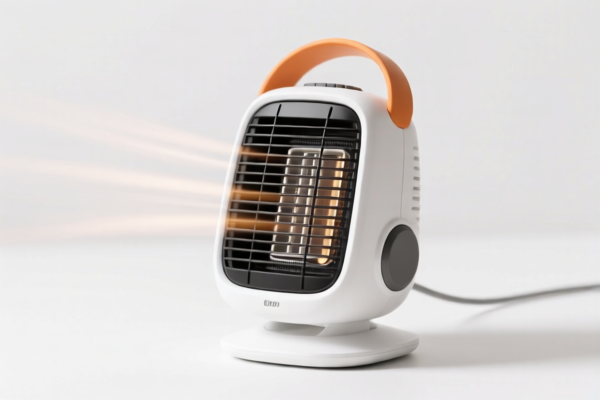
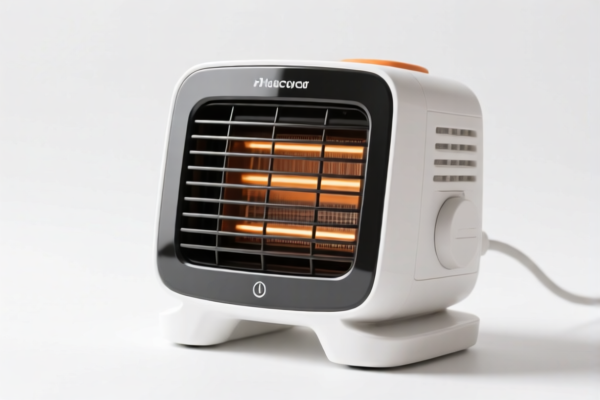
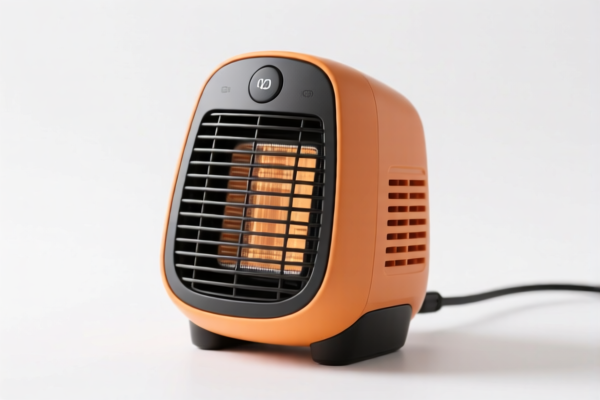
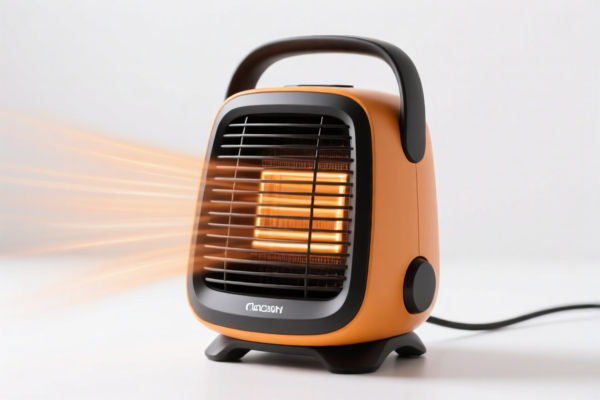
AI Analysis
🔥 Electric Heating Equipment (电热器具)
🌐 HS Code Reference & Customs Clearance Guide | 2026 Latest Tariff Analysis | Professional Customs Strategy
📌 1. Product Definition & Classification: What Exactly Are We Talking About?
Electric heating equipment is a broad category encompassing devices that convert electrical energy into heat for space warming, industrial processes, or household use. In international trade, the classification is not just about "it gets hot," but how it gets hot (electric vs. gas), what it’s made of, and what it’s primarily for.
⚠️ Critical Distinction:
- If the device uses electric resistance coils/wires → It falls under Chapter 85 (Electrical Machinery).
- If the device uses gas/oil but is made of steel/iron → It falls under Chapter 73 (Iron/Steel Articles).
- If it’s a general-purpose heater not specified elsewhere → It may fall under Chapter 84 (Nuclear Reactors, Boilers, Machinery) as a fallback.
📦 2. HS Code Classification Details (2026 Latest Tariff Authority)
Based on the provided data, here are the four distinct classifications for electric heating equipment, each with a different tariff structure due to material and usage nuances.
| HS Code | Product Description | Key Criteria | Total Tax Rate |
|---|---|---|---|
8516.29.00.60 |
Electric Space Heaters | Specific electric heating appliances; no obvious material/shape conflict. | 38.7% |
8516.29.00.30 |
Electric Space Heating Devices | Fits the "other electric heating appliances" catch-all principle. | 38.7% |
8419.19.01.60 |
Heating Equipment (Non-Electric/Fallback) | Used for heating; fits the fallback for non-electric heating categories. | 35.0% |
7321.11.60.00 |
Iron/Steel Gas Heaters | Made of iron/steel; designed for gas fuel (not electric). | 85.0% |
7321.11.10.30 |
Metal Cooking Appliances | Metal material; household cooking-related heating equipment. | 90.7% |
🔍 Important Note:
- Codes8516.29.00.60and8516.29.00.30are the most common for pure electric heaters (like oil-filled radiators, space heaters).
- Code8419.19.01.60is a strategic fallback for heaters that might not strictly fit 8516 but are still for heating.
- Codes7321.11...are NOT for electric devices. They are for gas/oil heaters made of metal. Misdeclaring an electric heater as this will lead to severe penalties.
💰 3. 2026 Latest Tariff Rate Breakdown (Including Surtaxes & Policy Add-ons)
✅ Applicable Country: United States (US)
✅ Origin: China (CN)
✅ Effective Date: November 10, 2025 (and subsequent imports)
🎯 1. 8516.29.00.60 & 8516.29.00.30 —— Electric Heating Devices
| Item | Detail |
|---|---|
| Base Duty | 3.7% |
| Section 301 Surcharge | +25.0% |
| Section 122 Tariff | +10.0% |
| Total Effective Rate | 38.7% |
| Calculation Basis | CIF Value × 38.7% |
| De Minimis Exemption | ❌ Not Applicable (deny_de_minimis) |
| Legal Basis Path | Section 301: 8516.29.00 → Section 122: 10% → Base: 3.7% |
📌 Explanation:
- These are standard electric heating appliances.
- The 3.7% is the standard Most Favored Nation (MFN) rate.
- The 25% is the additional tariff under Section 301 of the Trade Act of 1974.
- The 10% is the additional tariff under Section 122 of the Trade Act of 1974 (specific to certain Chinese imports).
- Total: 38.7%. This is a high but standard rate for electric goods from China.
🎯 2. 8419.19.01.60 —— Heating Equipment (Fallback Category)
| Item | Detail |
|---|---|
| Base Duty | 0.0% |
| Section 301 Surcharge | +25.0% |
| Section 122 Tariff | +10.0% |
| Total Effective Rate | 35.0% |
| Calculation Basis | CIF Value × 35.0% |
| De Minimis Exemption | ❌ Not Applicable |
| Legal Basis Path | Section 301: 8419.19.01 → Section 122: 10% → Base: 0.0% |
📌 Explanation:
- This category often applies to boilers or heat exchangers that don’t fit strictly into 8516 but are still for heating.
- The 0% base rate makes this category slightly cheaper than 8516, resulting in a 35.0% total vs. 38.7%.
- Caution: You can only use this if the device genuinely fits the definition of "heat exchangers" or "processing machinery" and not just a simple electric space heater.
🎯 3. 7321.11.60.00 —— Iron/Steel Gas Heaters (For Reference Only)
| Item | Detail |
|---|---|
| Base Duty | 0.0% |
| Section 301 Surcharge | +25.0% |
| Section 122 Tariff | +10.0% |
| Section 301 Steel/Aluminum/Copper Surtax | +50.0% |
| Total Effective Rate | 85.0% |
| Calculation Basis | CIF Value × 85.0% |
| De Minimis Exemption | ❌ Not Applicable |
📌 Explanation:
- This is for gas-fired stoves/ranges made of iron/steel.
- The 50% additional tariff is specific to steel/aluminum/copper products under Section 301.
- Do NOT use this for electric heaters.
🎯 4. 7321.11.10.30 —— Metal Cooking Appliances (For Reference Only)
| Item | Detail |
|---|---|
| Base Duty | 5.7% |
| Section 301 Surcharge | +25.0% |
| Section 122 Tariff | +10.0% |
| Section 301 Steel/Aluminum/Copper Surtax | +50.0% |
| Total Effective Rate | 90.7% |
| Calculation Basis | CIF Value × 90.7% |
| De Minimis Exemption | ❌ Not Applicable |
📌 Explanation:
- This is for cooking appliances (like gas stoves) made of metal.
- Highest tariff in the list.
- Irrelevant for standard electric heating equipment unless you are selling an electric cooking range made of metal.
🛠️ 4. Customs Clearance Practical Advice (Avoid Pitfalls)
✅ 1. Documentation Checklist (Non-Negotiable)
| Document | Must Provide | Purpose |
|---|---|---|
| ✅ Product Specifications | ✔️ | Voltage, Power (Watts), Heating Element Type |
| ✅ Circuit Diagram | ✔️ | Proves it is electric, not gas. Crucial for avoiding misclassification. |
| ✅ Product Photos | ✔️ | Show brand, model, plugs, and heating components. |
| ✅ FCC Certificate | ✔️ | Mandatory for electronic/electrical devices in the US. |
| ✅ UL/ETL Report | ✔️ | Safety certification strongly recommended to avoid delays. |
| ✅ Commercial Invoice | ✔️ | Clear description: "Electric Space Heater, Model XYZ" |
| ✅ Packing List | ✔️ | Item count, weight, dimensions. |
✅ 2. Classification Strategy (Key Mantra)
🔥 "Electric First, Check Material, Avoid Gas Codes!"
| Situation | Correct HS Code | Wrong Code | Consequence |
|---|---|---|---|
| Standard Electric Space Heater | 8516.29.00.60 or 8516.29.00.30 |
7321.11.60.00 |
Penalty & Retest (Misdeclaration) |
| Heater with Gas Ignition (Dual Fuel) | Likely 8516 or 8419 |
7321.11.10.30 |
High Risk (Needs expert opinion) |
| Industrial Heat Exchanger | 8419.19.01.60 |
8516.29.00.60 |
Underpayment (If classified as 8516) |
| Metal Gas Stove | 7321.11.60.00 |
8516.29.00.60 |
Audit & Seizure (Wrong chapter) |
✅ 3. Special Case Handling
| Scenario | Recommendation |
|---|---|
| OEM Electric Heaters | Provide customer PO + design specs to prove it’s a standard electric heater, not a custom machine. |
| Heaters with Thermostats | Still 8516.29.00.60. The presence of controls doesn’t change the chapter. |
| Portable vs. Fixed | Both are 8516.29.00.60. No difference in classification for small appliances. |
| Importing from Non-China Origin | If shipped from Vietnam/Mexico, IEEPA 10% surtax may not apply, reducing total tax to 38.7% (US) or 25% (Mexico FTAA). Verify country of origin carefully. |
🌍 5. Global Market Comparison (2026)
| Country/Region | Recommended HS Code | Base Tariff | Additional Surtaxes | Total Est. Rate | Notes |
|---|---|---|---|---|---|
| 🇺🇸 USA | 8516.29.00.60 |
3.7% | +35.0% (301+122) | 38.7% | Strict enforcement. |
| 🇨🇳 China | 8516.29.00.60 |
20.0% | 0% | 20.0% | Export market. |
| 🇪🇺 EU | 8516.29.00.60 |
4.0% | 0% | 4.0% | Low risk. CE Mark required. |
| 🇬🇧 UK | 8516.29.00.60 |
4.0% | 0% | 4.0% | Post-Brexit rules apply. |
| 🇨🇦 Canada | 8516.29.00.60 |
0.0% | 0% | 0.0% | CUSMA/USMCA benefits. |
📌 Conclusion:
- The USA is the most challenging market due to cumulative surtaxes (Section 301 + Section 122).
- EU and UK have low tariffs but require strict safety certifications (CE/UKCA).
- China exports are not affected by import tariffs but face high costs when entering the US.
📌 6. Common Mistakes & Pitfalls (Lessons Learned)
❌ Mistake 1: Classifying an electric heater as 7321.11.60.00 because it looks like a "metal box."
👉 Consequence: Customs will reject it, demand reclassification, and impose fines. The device is electric, not gas.
❌ Mistake 2: Claiming "De Minimis" exemption for shipments under $800.
👉 Consequence: Denied. Section 301 and Section 122 tariffs explicitly block de minimis exemptions for Chinese goods.
❌ Mistake 3: Ignoring the Section 122 10% tariff.
👉 Consequence: Underpayment. The 10% is not part of the standard 301 tariff. It is an additional layer.
❌ Mistake 4: Using vague descriptions like "Heater" on the invoice.
👉 Consequence: Customs may hold the shipment for detailed examination. Use "Electric Space Heater, Model XYZ, 1500W."
✅ Correct Approach:
“Electric Space Heater, Resistance Type, 1500W, 120V, Model ABC, FCC ID: XYZ123”
🎯 7. Conclusion: Precise Classification, Efficient Clearance, Cost Savings!
🎯 Remember the Mantra:
🔹 "Electric = 8516, Gas/Steel = 7321, Heat Exchanger = 8419."
🔹 "38.7% for Electric, 35% for Fallback, 85%+ for Steel Gas."
🔹 "No De Minimis! No Excuses!"
📌 Pro Tip:
If your electric heater is shipped from a third country (e.g., Vietnam) but made in China, the 10% IEEPA surtax may still apply if the origin is deemed China. Verify the Substantial Transformation rules.
Consider applying for a Customs Ruling before shipping to confirm the HS Code and tariff applicability.
📣 Immediate Action:
📞 Contact a licensed customs broker.
📄 Prepare FCC/UL certificates.
📝 Clearly state "Electric" in the product description.
🚀 Ensure smooth customs clearance and maximize profit margins!
✨ Professional Customs, Starting from Accurate Classification!
💼 Every Percent Counts in International Trade!
Customer Reviews
About HS Code Classification
The Harmonized System (HS) is an internationally standardized nomenclature developed by the World Customs Organization (WCO) to classify traded products. Over 200 countries use the HS system as the basis for customs tariffs, trade statistics, and import/export regulations.
Each HS code follows a hierarchical structure:
- Chapter (2 digits) — Broad category of goods (e.g., Chapter 84: Machinery and Mechanical Appliances)
- Heading (4 digits) — More specific grouping within the chapter
- Subheading (6 digits) — Internationally standardized breakdown, used by all WCO member countries
- National subdivisions (8-10 digits) — Country-specific extensions for further classification, such as US HTSUS 10-digit codes
Correct HS code classification is essential for smooth customs clearance, accurate duty payment, and compliance with trade regulations. Misclassification can lead to customs delays, overpayment of duties, or penalties.
When importing from CN to US, the applicable tariff rates may include:
- Most-Favored-Nation (MFN) rate — The standard duty rate applied to WTO members
- General rate — Applied to countries without trade agreements
- Trade remedy duties — Additional tariffs such as Section 301 (anti-dumping), Section 232 (national security), or countervailing duties
The information provided on this page is for reference purposes only. For official classification, please consult with your local customs authority or a licensed customs broker.