Electric Inhaler
CN → US| HS Code | Tariff Rate | Origin | Destination | Doc |
|---|---|---|---|---|
| 8424820090 | 37.4% | CN | US | Official Doc |
| 9019102050 | 10.0% | CN | US | Official Doc |
| 8424201000 | 37.9% | CN | US | Official Doc |
| 9019200000 | 10.0% | CN | US | Official Doc |
| 8509805080 | 14.2% | CN | US | Official Doc |
| 8509805070 | 14.2% | CN | US | Official Doc |
Product Images
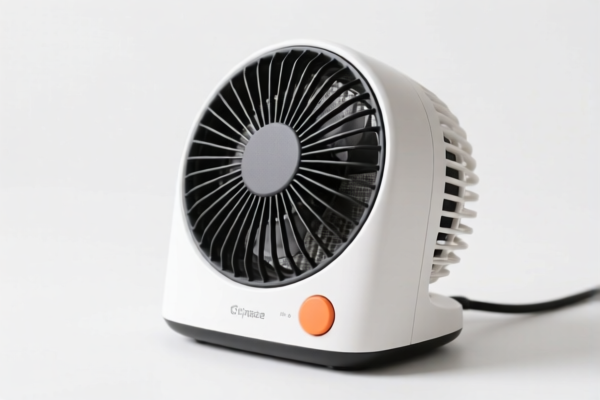
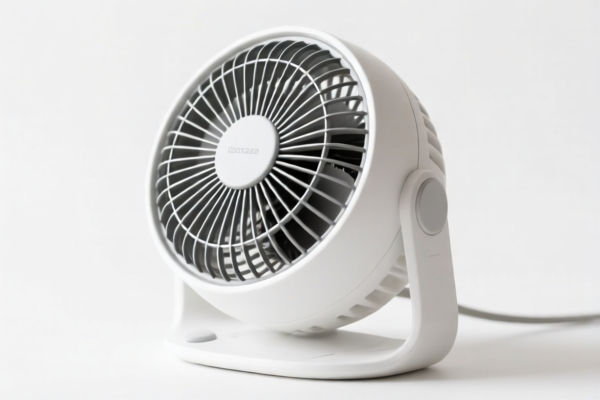
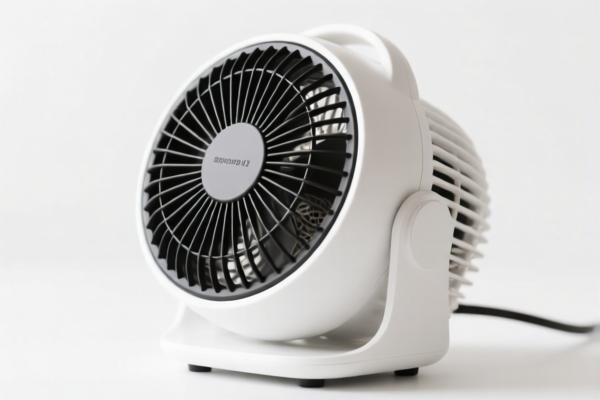
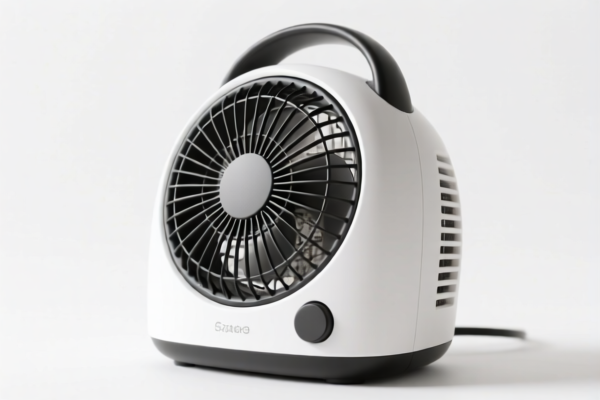
AI Analysis
⚡ Electric Inhaler (Nebulizers & Medical Atomizers)
🌐 HS Code Reference & Clearance Guide | 2026 Latest Tariff Analysis | Professional Customs Strategy
📌 I. Product Definition: What is an "Electric Inhaler"?
An Electric Inhaler (often referred to as a nebulizer in medical contexts or an atomizer in cosmetic/industrial contexts) is a device that converts liquid medication or substances into a fine mist for inhalation or application. In international trade, the classification hinges on whether the device is intended for medical therapy or general mechanical spraying/humidification.
⚠️ Key Distinction:
- Medical Use: Designed for respiratory therapy (asthma, COPD, etc.) → Likely Chapter 90.
- General Use: Designed for humidification, cleaning, or non-medical spraying → Likely Chapter 84 or 85.
📦 II. HS Code Classification Matrix (2026 Latest Tariff Authority)
| HS Code | Product Description | Primary Function | Tax Rate (Total) |
|---|---|---|---|
9019.10.20.50 |
Mechanical Therapy Appliances (Non-Electric Massage/Therapy) | Mechanical massage or therapeutic application | 10.0% |
9019.20.00.00 |
Aerosol Therapy / Respiratory Therapy Appliances | Medical inhalation devices (asthma/nebulizers) | 10.0% |
8509.80.50.70 |
Ultrasonic Humidifiers (Ultrasonic Technology) | Home/Office humidification via ultrasonic雾化 | 14.2% |
8509.80.50.80 |
Other Humidifiers (General) | General air humidification | 14.2% |
8424.20.10.00 |
Spraying Guns & Similar Hand-Held Apparatus | Mechanical spraying devices (industrial/cleaning) | 37.9% |
8424.82.00.90 |
Other Mechanical Appliances for Spraying Liquid/Powder | Catch-all for mechanical spraying devices | 37.4% |
🔍 Critical Note:
- Medical Inhalers (for breathing therapy) generally fall under 9019.20.00.00 or 9019.10.20.50 (depending on specific mechanism), benefiting from lower base tariffs.
- Humidifiers (for air quality) fall under 8509.80.50.xx, with moderate tariffs.
- General Sprayers (paint, garden, cleaning) fall under 8424, incurring high punitive tariffs.
💰 III. 2026 Latest Tariff Rate Details (Including Surcharges)
✅ Applicable Country: United States (US)
✅ Origin: China (CN)
✅ Effective Time: November 10, 2025 onwards
🎯 1. 9019.20.00.00 —— Medical Aerosol/Respiratory Therapy Appliances
| Item | Detail |
|---|---|
| Base Rate | 0.0% (ad valorem) |
| USITC Surcharge | 0.0% (No 301 Tariff for this specific medical subheading) |
| IEEPA Surcharge | +10% (Against China/HK products, effective Nov 10, 2025) |
| Total Rate | 10.0% |
| Calculation | CIF Value × 10% |
| De Minimis Exemption? | ❌ No |
| Legal Path | IEEPA:9903.01.24 → USITC:9019.20.00.00 → FOOTNOTE:9903.64.20 |
📌 Explanation:
- Medical inhalers for respiratory therapy are exempt from the 25% Section 301 tariff.
- Only the 10% IEEPA surcharge applies.
- This is the most cost-effective classification for true medical inhalers.
🎯 2. 9019.10.20.50 —— Mechanical Therapy Appliances (Non-Electric Massage/Therapy)
| Item | Detail |
|---|---|
| Base Rate | 0.0% |
| USITC Surcharge | 0.0% |
| IEEPA Surcharge | +10% |
| Total Rate | 10.0% |
| Calculation | CIF Value × 10% |
| De Minimis Exemption? | ❌ No |
| Legal Path | IEEPA:9903.01.24 → USITC:9019.10.20.50 |
📌 Note:
- Applies to certain non-electric or mechanically operated therapeutic devices.
- If your "electric inhaler" is misclassified here due to specific mechanical components, the rate remains 10%.
🎯 3. 8509.80.50.70 / 8509.80.50.80 —— Humidifiers
| Item | Detail |
|---|---|
| Base Rate | 4.2% |
| USITC Surcharge | 0.0% |
| IEEPA Surcharge | +10% |
| Total Rate | 14.2% |
| Calculation | CIF Value × 14.2% |
| De Minimis Exemption? | ❌ No |
| Legal Path | IEEPA:9903.01.24 → USITC:8509.80.50.xx |
📌 Distinction:
- If the device is marketed as a "Humidifier" (for dry air, not medical therapy), it falls here.
- Slightly higher than medical inhalers but significantly lower than mechanical sprayers.
🎯 4. 8424.82.00.90 / 8424.20.10.00 —— Mechanical Spraying Appliances
| Item | Detail |
|---|---|
| Base Rate | 2.4% - 2.9% |
| USITC Surcharge | +25.0% (Section 301 Tariff Applies) |
| IEEPA Surcharge | +10% |
| Total Rate | 37.4% - 37.9% |
| Calculation | CIF Value × ~37.5% |
| De Minimis Exemption? | ❌ No |
| Legal Path | IEEPA:9903.01.24 → USITC:8424.xx.xx → FOOTNOTE:9903.88.01 |
🚨 WARNING:
- If your "electric inhaler" is classified as a general sprayer (e.g., for paint, cleaning, or cosmetic mist not for medical use), you face high tariffs.
- The 25% Section 301 tariff is heavily applied here.
- Avoid this classification if your product has any medical or humidification intent.
🛠️ IV. Customs Clearance Practical Advice (Avoid Pitfalls)
✅ 1. Documentation Checklist (Essential)
| Document | Required? | Description |
|---|---|---|
| ✅ Product Specifications | ✔️ | Must clearly state: "For Medical Use" or "For Humidification". |
| ✅ Mechanism Diagram | ✔️ | Show how atomization works (Ultrasonic vs. Compressor vs. Jet). |
| ✅ Intended Use Statement | ✔️ | Critical! "Intended for inhalation of asthma medication" vs. "For decorative mist". |
| ✅ FDA Registration (if US) | ✔️ | For medical devices, FDA 510(k) or exemption status is crucial for correct HS code. |
| ✅ Third-Party Test Report | ✔️ | CE, RoHS, FCC, UL. |
| ✅ Commercial Invoice | ✔️ | Use precise terms: "Medical Nebulizer" or "Electric Humidifier". |
✅ 2. Declaration Strategy (Key Mnemonics)
🔥 “Medical goes to 90, Humidifier to 85, Sprayer to 84 (and pay more!)”
| Scenario | Correct HS Code | Incorrect Classification | Risk |
|---|---|---|---|
| Medical Nebulizer | 9019.20.00.00 |
8424.82.00.90 |
Tariff jumps from 10% to 37.4% |
| Home Humidifier | 8509.80.50.xx |
8424.82.00.90 |
Tariff jumps from 14.2% to 37.4% |
| Cosmetic Mist Gun | 8424.20.10.00 |
9019.20.00.00 |
Misdeclaration penalty + 37.9% tax |
| Ultrasonic Nebulizer | 8509.80.50.70 (if non-medical) or 9019.20.00.00 (if medical) |
8424.82.00.90 |
Avoid 37.4% |
✅ 3. Special Cases
| Case | Recommendation |
|---|---|
| OEM Custom Inhalers | Provide customer’s FDA clearance or medical device license to support 9019 classification. |
| Multi-Function Devices | If it does both humidification and therapy, declare as Medical Device (9019) if primary function is therapy. |
| Accessory Parts | Mouthpieces, tubes, and filters are often classified under 9019.90 or 8424.90. Declare separately if possible. |
🌍 V. Global Market Comparison (2026 Latest)
| Country/Region | Recommended HS Code | Tariff (China Origin) | Certification | Notes |
|---|---|---|---|---|
| 🇺🇸 USA | 9019.20.00.00 |
10% (IEEPA only) | FDA + FCC | Avoid 8424 (37.4%) |
| 🇨🇳 China | 9019.20.00.00 |
5% | CCC + RoHS | No 301 tariff |
| 🇪🇺 EU | 9019.20.00 |
0% (MFN) | CE + MDR | No punitive tariffs |
| 🇦🇺 Australia | 9019.20.00 |
5% | TGA + RCM | No punitive tariffs |
| 🇯🇵 Japan | 9019.20.00 |
0% | PSE + PMDA | No punitive tariffs |
📌 Conclusion:
- USA is the only market with significant punitive tariffs for non-medical classifications.
- Properly classifying as Medical (9019) saves ~27.4% in duties compared to mechanical sprayers (8424).
📌 VI. Common Mistakes & Pitfalls (Lessons Learned)
❌ Mistake 1: Calling a medical nebulizer a "Sprayer" or "Mister"
👉 Result: Customs classifies it as 8424 → 37.4% tariff instead of 10%.
👉 Fix: Use "Nebulizer" or "Inhaler" in product title and description.
❌ Mistake 2: Ignoring the "Intended Use" in documentation
👉 Result: Customs assumes general use → 8424 classification.
👉 Fix: Include a "Statement of Intended Use" declaring medical therapy.
❌ Mistake 3: Confusing "Ultrasonic Humidifier" with "Ultrasonic Nebulizer"
👉 Result: If for air moisture only, 8509 (14.2%); if for medication, 9019 (10%).
👉 Fix: Ensure marketing materials differentiate between "Air Humidification" and "Medication Delivery".
❌ Mistake 4: Omitting FDA Clearance Info
👉 Result: Delays in clearance, potential rejection.
👉 Fix: Provide FDA Establishment Registration number or 510(k) number.
✅ Correct Declaration Example:
"Electric Ultrasonic Nebulizer for Medical Respiratory Therapy, Model XYZ, FDA Cleared, Includes Mouthpiece & Tubing."
🎯 VII. Conclusion: Precision Classification Saves Money!
🎯 Remember the Rule:
🔹 "Medical Inhaler → 9019 (10%) | Humidifier → 8509 (14.2%) | Sprayer → 8424 (37.4%)"
🔹 "HS Code is King, Tariff Difference is $27.40 per $100!"
📌 Pro Tip:
If your product can be used for both medical and non-medical purposes, prioritize the medical classification (9019.20.00.00) to save on tariffs, provided you have the necessary medical device certifications.
For OEM/ODM, always confirm the primary intended use with your buyer to avoid misclassification.
📣 Take Action Now:
📞 Consult a Customs Broker + Provide Product Specs + Apply for Advance Ruling
🚀 Ensure your Electric Inhaler clears US Customs smoothly, efficiently, and cost-effectively!
✨ Professional Clearance Starts with Accurate Classification!
💼 Every Dollar Saved in Tariffs is Pure Profit!
Customer Reviews
About HS Code Classification
The Harmonized System (HS) is an internationally standardized nomenclature developed by the World Customs Organization (WCO) to classify traded products. Over 200 countries use the HS system as the basis for customs tariffs, trade statistics, and import/export regulations.
Each HS code follows a hierarchical structure:
- Chapter (2 digits) — Broad category of goods (e.g., Chapter 84: Machinery and Mechanical Appliances)
- Heading (4 digits) — More specific grouping within the chapter
- Subheading (6 digits) — Internationally standardized breakdown, used by all WCO member countries
- National subdivisions (8-10 digits) — Country-specific extensions for further classification, such as US HTSUS 10-digit codes
Correct HS code classification is essential for smooth customs clearance, accurate duty payment, and compliance with trade regulations. Misclassification can lead to customs delays, overpayment of duties, or penalties.
When importing from CN to US, the applicable tariff rates may include:
- Most-Favored-Nation (MFN) rate — The standard duty rate applied to WTO members
- General rate — Applied to countries without trade agreements
- Trade remedy duties — Additional tariffs such as Section 301 (anti-dumping), Section 232 (national security), or countervailing duties
The information provided on this page is for reference purposes only. For official classification, please consult with your local customs authority or a licensed customs broker.