Electric Iron
CN → US| HS Code | Tariff Rate | Origin | Destination | Doc |
|---|---|---|---|---|
| 8516404000 | 12.8% | CN | US | Official Doc |
| 8451300000 | 35.0% | CN | US | Official Doc |
| 8451909010 | 38.5% | CN | US | Official Doc |
Product Images
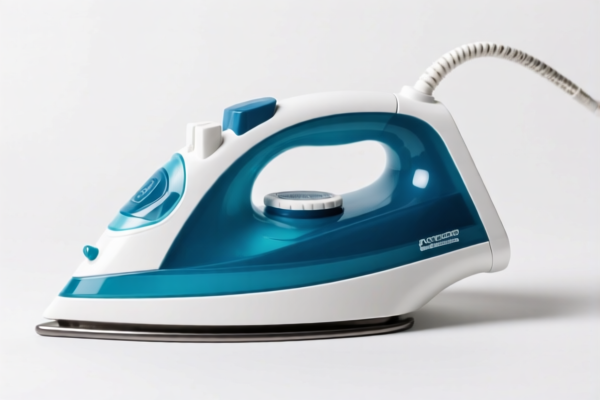
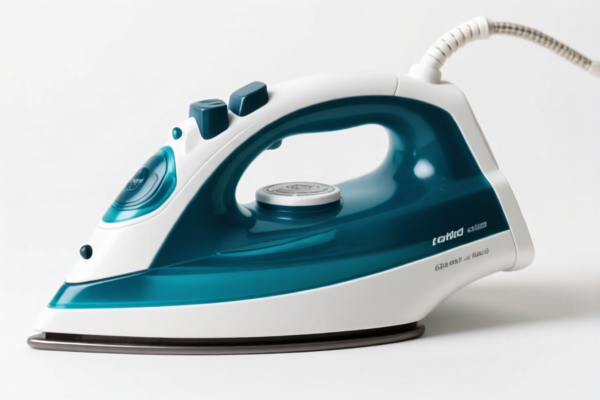
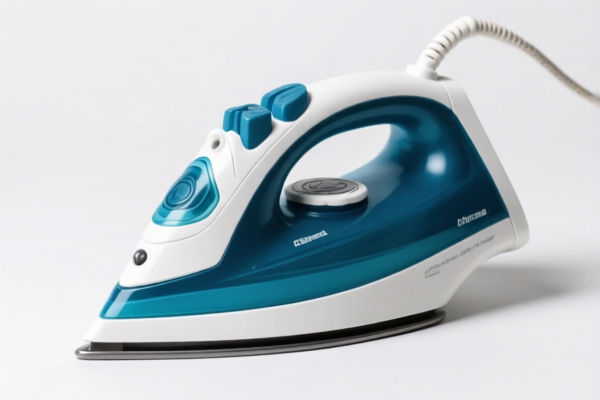
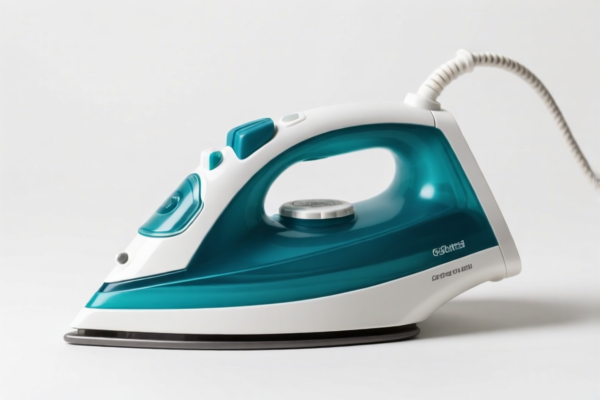
AI Analysis
🔥 Electric Irons & Pressing Equipment (Domestic & Industrial)
🌐 HS Code Reference & Customs Clearance Guide | 2026 Latest Tariff Analysis | Professional Clearance Strategy 📌 I. Product Definition & Classification: Do You Really Know What an "Electric Iron" Is?
In international trade, "Electric Irons" are not a single unified category. The classification depends entirely on the degree of completion and the intended use (Household vs. Industrial/Commercial). Misclassification leads to massive tariff differences (from 12.8% to 38.5%)!
1. Household Electric Irons (8516.40):
Standard steam or dry irons used for home laundry. These are considered Household Electric Appliances. They are typically self-contained units with heating elements and controls.
2. Industrial/Commercial Pressing Machines (8451.30):
Complete pressing machines, vacuum tables, or industrial steam boilers used in factories, dry cleaners, or hotels. These are categorized as Machinery for washing, cleaning, or ironing.
3. Components/Parts for Pressing (8451.90):
Heating plates, soleplates, or other parts of pressing machines that do not function as a complete unit on their own.
⚠️ Key Distinction Point: - If it is a handheld unit for home use →
8516.40.40.00- If it is a complete industrial pressing machine (e.g., a press table with vacuum) →8451.30.00.00- If it is a part/component (e.g., a replacement heating plate) for an industrial machine →8451.90.90.10
📦 II. HS Code Classification Details (2026 Latest Tariff Authority Comparison)
Based on the provided data, here are the three critical classifications for Electric Irons:
| HS Code | Product Description | Intended Use | Category Type |
|---|---|---|---|
8516.40.40.00 |
Electric Irons (Domestic) | Household ironing; classified as Household Electric Appliances. | Appliance |
8451.30.00.00 |
Electric Irons/Pressing Machines (Industrial) | Industrial or home pressing equipment; classified as Complete Pressing Machines. | Machinery |
8451.90.90.10 |
Heating Irons (Parts) | Equipment for pressing garments; classified as Other Parts of Pressing Machines. | Component/Part |
🔍 Critical Reminder: - Do NOT misclassify a commercial steam generator system as a household iron. The tariff difference is significant. - Complete vs. Part: A "heating plate" sold alone is a part (
8451.90). A "handheld iron" is an appliance (8516.40). A "pressing machine" is machinery (8451.30).
💰 III. 2026 Latest Tariff Rate Breakdown (Including Surtaxes & Policy Add-ons)
✅ Applicable Country: United States (US) ✅ Origin: China (CN) ✅ Note: The following tariffs reflect the combination of Base Rates, Section 301 (Added) Tariffs, and Section 122 Tariffs as per the provided data.
🎯 1. 8516.40.40.00 – Household Electric Irons
| Item | Content |
|---|---|
| Base Tariff | 2.8% (Standard MFN Rate) |
| Added Tariff (Section 301) | 0.0% (Exempt or Low List for specific household appliances) |
| Section 122 Tariff | 10.0% |
| Total Effective Tariff | 12.8% |
| Tax Calculation | CIF Value × 12.8% |
| De Minimis Eligibility | ❌ No (Must declare fully) |
| Legal Basis Path | HS:8516.40.40.00 → Base:2.8% + Sec301:0.0% + Sec122:10.0% |
📌 Explanation: - This is the lowest tax option among the three. - Why? Household electric irons are often treated more favorably under certain trade lists, resulting in 0% Section 301 added tariffs, but still subject to the 10% Section 122 tariff. - Strategy: If your product is a standard handheld iron, always strive for this HS Code to save 22-25% in taxes compared to industrial classifications.
🎯 2. 8451.30.00.00 – Complete Industrial Pressing Machines
| Item | Content |
|---|---|
| Base Tariff | 0.0% |
| Added Tariff (Section 301) | 25.0% (High impact on industrial machinery) |
| Section 122 Tariff | 10.0% |
| Total Effective Tariff | 35.0% |
| Tax Calculation | CIF Value × 35.0% |
| De Minimis Eligibility | ❌ No |
| Legal Basis Path | HS:8451.30.00.00 → Base:0.0% + Sec301:25.0% + Sec122:10.0% |
📌 Explanation: - Industrial machinery falls under Section 301 List 4A/4C categories, attracting the full 25% added tariff. - Even though the base rate is 0%, the 35% total is significantly higher than household irons. - Strategy: Clearly label these as "Industrial Pressing Equipment" or "Laundry Presses." Do not attempt to classify complex machinery as household appliances to avoid audits and penalties.
🎯 3. 8451.90.90.10 – Parts/Components for Pressing Machines
| Item | Content |
|---|---|
| Base Tariff | 3.5% |
| Added Tariff (Section 301) | 25.0% |
| Section 122 Tariff | 10.0% |
| Total Effective Tariff | 38.5% |
| Tax Calculation | CIF Value × 38.5% |
| De Minimis Eligibility | ❌ No |
| Legal Basis Path | HS:8451.90.90.10 → Base:3.5% + Sec301:25.0% + Sec122:10.0% |
📌 Explanation: - Parts and components for machinery are often subject to the highest combined rates. - The 3.5% base rate plus 25% Section 301 and 10% Section 122 results in the highest liability (38.5%). - Strategy: Only use this code for actual spare parts (e.g., heating elements, soleplates). If you are shipping a complete unit, never use this code.
🛠️ IV. Customs Clearance Practical Advice (Battle-Tested Pitfall Guide)
✅ 1. Required Documentation Checklist (Mandatory)
| Document | Required? | Description |
|---|---|---|
| ✅ Product Specification Sheet | ✔️ | Must clearly state: Voltage, Wattage, Type (Steam/Dry), Intended Use (Home/Industrial). |
| ✅ Photos (Label & Whole Unit) | ✔️ | Clear view of the nameplate showing Model, Power, and "Made in China". |
| ✅ Commercial Invoice | ✔️ | Description must match HS Code. E.g., "Electric Steam Iron for Household Use" vs. "Industrial Garment Press Machine." |
| ✅ Packing List | ✔️ | Detailing net/gross weight and quantity. |
| ✅ Certifications (if applicable) | ✔️ | ETL, UL, or CE marks (for electrical safety). |
✅ 2. Declaration Tips (Key Mnemonics)
🔥 "Home Irons = 8516 (Low Tax); Industrial Presses = 8451 (High Tax); Parts = 8451 (Highest Tax)!"
| Scenario | Correct HS Code | Wrong Approach | Consequence |
|---|---|---|---|
| Handheld home iron | 8516.40.40.00 |
Declared as "Pressing Machine" | Pay 22-25% more tax unnecessarily |
| Industrial vacuum press table | 8451.30.00.00 |
Declared as "Household Iron" | Customs seizure/fines for misclassification |
| Replacement heating plate | 8451.90.90.10 |
Declared as "Iron" | Tax discrepancy, potential penalty |
| Iron + Steamer Combo (Handheld) | 8516.40.40.00 |
Split into parts | Overcomplicated, high risk of error |
✅ 3. Special Handling Cases
| Case | Handling Advice |
|---|---|
| OEM Private Label | Ensure the marketing materials do not claim "Industrial" if it's a home iron. Keep labels consistent with 8516.40. |
| Garment Steamer (Handheld) | Often classified under 8516.40 if it functions as an iron/dryer combo. Verify with broker. |
| Bulk Industrial Equipment | Provide engineering diagrams to prove it is a "Pressing Machine" (8451.30) to avoid being mistaken for a simple iron. |
| Spare Parts Shipment | Clearly mark "SPARE PARTS FOR INDUSTRIAL IRONING MACHINES" to justify 8451.90.90.10. |
🌍 V. Global Market Comparison (2026 Update)
| Market | Recommended HS Code | Estimated Tariff (China Origin) | Key Requirements |
|---|---|---|---|
| 🇺🇸 USA | 8516.40.40.00 (Home) |
12.8% (Best) | ETL/UL, IEEPA Sec 122 |
| 🇺🇸 USA | 8451.30.00.00 (Ind.) |
35.0% | Section 301 (25%) + Sec 122 (10%) |
| 🇺🇸 USA | 8451.90.90.10 (Parts) |
38.5% (Worst) | Section 301 (25%) + Sec 122 (10%) |
| 🇨🇳 China | 8516.40.40.00 |
~7-10% | CCC Certification |
| 🇪🇺 EU | 8516.40.40.00 |
~0-4% (varies) | CE, RoHS, Ecodesign |
📌 Conclusion: - USA Tariffs are Highly Sensitive to Classification: The difference between a "Household Iron" (12.8%) and an "Industrial Machine/Part" (35-38.5%) is huge. - Home Irons enjoy a 0% Section 301 rate, making them very competitive despite the 10% Section 122 tariff. - Industrial Equipment suffers from the full 25% Section 301 burden.
📌 VI. Common Errors & Pitfalls (Lessons Learned)
❌ Error 1: Calling an industrial press a "Clothes Steamer" to avoid high tariffs. 👉 Result: Customs inspects, finds it's a heavy industrial machine, fines you + back taxes.
❌ Error 2: Shipping replacement soleplates and labeling them as "Electric Irons." 👉 Result: Misclassification. Parts have higher base rates and are subject to Section 301 if not carefully reviewed. (Note: In this data, parts also have 25% added, so it's costly regardless).
❌ Error 3: Ignoring Section 122 Tariffs. 👉 Result: All three codes include a 10% Section 122 tariff. Failing to budget for this leads to cash flow issues at customs.
❌ Error 4: Using "Iron" generically on invoices. 👉 Result: Ambiguity. Customs may choose the highest applicable rate or delay clearance for inspection.
✅ Correct Declaration Examples:
"Handheld Electric Steam Iron for Household Use, 1500W, Model XYZ, UL Certified"→8516.40.40.00"Industrial Vacuum Garment Pressing Machine, 30kW, Model ABC"→8451.30.00.00"Replacement Heating Element for Industrial Pressing Machine, Model DEF"→8451.90.90.10
🎯 VII. Conclusion: Precise Classification = Maximum Profit
🎯 Remember the Mnemonic:
🔹 "Home Iron = 8516 (12.8%); Industrial Machine = 8451.30 (35%); Parts = 8451.90 (38.5%)!" 🔹 "Section 301 is the killer for Industrial & Parts; Section 122 hits everyone (10%)!"
📌 Pro Tip:
If you are exporting household electric irons, ensure your marketing and technical specs emphasize "Household Use" to secure the 8516.40.40.00 classification and the 12.8% rate. Avoid industrial keywords like "factory," "commercial," or "production line" in your product description.
📣 Immediate Action:
📞 Contact your freight forwarder with your Product Spec Sheet + Photos. 🚀 Confirm HS Code Pre-ruling if shipping large volumes of industrial equipment. 💰 Budget for 12.8% (Home) or 35-38.5% (Industrial/Parts) in your landed cost calculations.
✨ Professional Clearance Starts with Accurate Classification! 💼 Every Percentage Point Saved is Pure Profit!
Customer Reviews
About HS Code Classification
The Harmonized System (HS) is an internationally standardized nomenclature developed by the World Customs Organization (WCO) to classify traded products. Over 200 countries use the HS system as the basis for customs tariffs, trade statistics, and import/export regulations.
Each HS code follows a hierarchical structure:
- Chapter (2 digits) — Broad category of goods (e.g., Chapter 84: Machinery and Mechanical Appliances)
- Heading (4 digits) — More specific grouping within the chapter
- Subheading (6 digits) — Internationally standardized breakdown, used by all WCO member countries
- National subdivisions (8-10 digits) — Country-specific extensions for further classification, such as US HTSUS 10-digit codes
Correct HS code classification is essential for smooth customs clearance, accurate duty payment, and compliance with trade regulations. Misclassification can lead to customs delays, overpayment of duties, or penalties.
When importing from CN to US, the applicable tariff rates may include:
- Most-Favored-Nation (MFN) rate — The standard duty rate applied to WTO members
- General rate — Applied to countries without trade agreements
- Trade remedy duties — Additional tariffs such as Section 301 (anti-dumping), Section 232 (national security), or countervailing duties
The information provided on this page is for reference purposes only. For official classification, please consult with your local customs authority or a licensed customs broker.