Electric Kettle Set
CN → US| HS Code | Tariff Rate | Origin | Destination | Doc |
|---|---|---|---|---|
| 7323930015 | 62.0% | CN | US | Official Doc |
| 6911108010 | 38.3% | CN | US | Official Doc |
| 6911104100 | 16.3% | CN | US | Official Doc |
| 9504909080 | 17.5% | CN | US | Official Doc |
| 9506994500 | 20.3% | CN | US | Official Doc |
Product Images
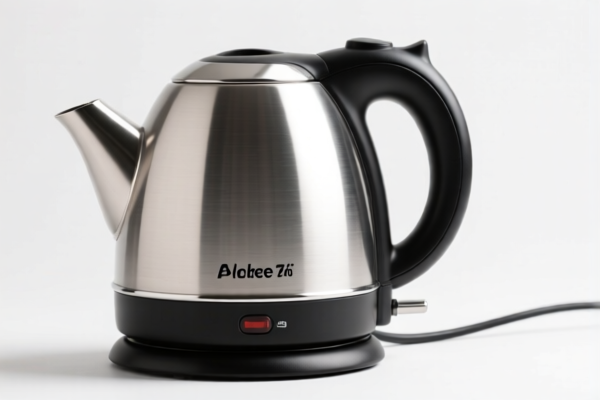
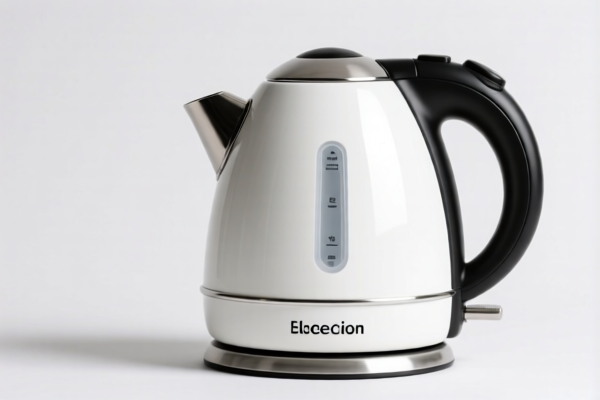
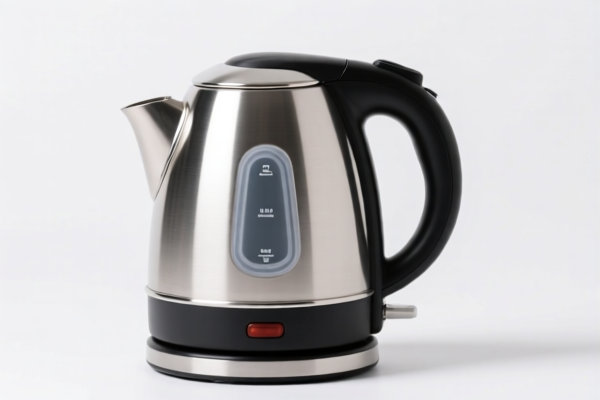
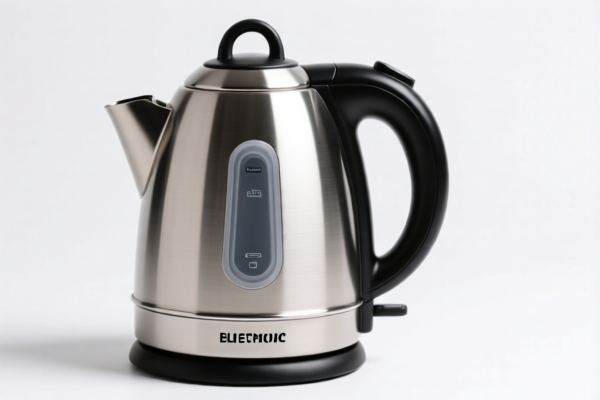
AI Analysis
☕ Electric Kettle Set (Water Heaters & Tableware)
🌐 HS Code Reference & Customs Clearance Guide | 2026 Latest Tariff Analysis | Professional Clearance Strategy
📌 I. Product Definition & Classification: What Exactly is an "Electric Kettle Set"?
An "Electric Kettle Set" typically refers to a set of items used for heating water and preparing beverages. In international trade, the classification heavily depends on the material composition and primary function of the components.
There are three main scenarios for classification: 1. Stainless Steel Components: If the kettle and associated tableware (like cups/pots) are primarily made of stainless steel and function as heating vessels, they are classified under Chapter 73. 2. Ceramic Components: If the items are made of ceramic and used for serving/heating (like a tea set or ceramic kettle liner), they fall under Chapter 69. 3. Specialized/Sporting Equipment: In rare cases, if the item is designed for specific sports or entertainment (e.g., a specialized "curling stone" type heating device, though highly unusual for a "kettle"), it might fall under Chapter 95. Note: For a standard electric kettle, Chapters 73 and 69 are the most common.
⚠️ Key Distinction:
- If the product is a standard electric heating appliance with a plastic/metal body → Chapter 73 (Steel) or Chapter 85 (Electrical, though not in your data, note this for completeness). Based on your provided data, we focus on the steel/ceramic interpretations.
- If the product is ceramic tableware intended for kitchen use → Chapter 69.
- If the product is a sporting good (e.g., novelty heating items for competitions) → Chapter 95.
📦 II. HS Code Classification Details (Based on Provided Data)
| HS Code | Product Description | Application Scenario | Material/Function |
|---|---|---|---|
7323.93.00.15 |
Articles of table, kitchen or other household use, of iron or steel; Stainless steel | Standard electric kettle or stainless steel tableware set | ✅ Stainless Steel |
6911.10.80.10 |
Tableware, kitchenware, other household articles, of porcelain or china; Other | Kitchen utensils where material is not explicitly ceramic but falls under catch-all or specific porcelain use | ⚠️ Ceramic/Porcelain (Catch-all) |
6911.10.41.00 |
Tableware, kitchenware, other household articles, of porcelain or china; Ceramic | Ceramic kettles, teapots, or tableware sets | ✅ Ceramic |
9504.90.90.80 |
Articles and equipment for recreational games (e.g., Curling Stones) | Hypothetical: Specialized sports equipment or novelty items with heating functions for entertainment | ✅ Sporting/Entertainment |
9506.99.45.00 |
Equipment for general physical exercise, indoor games, or sports; Other | Hypothetical: Sports-related equipment with heating features | ✅ Sporting (Catch-all) |
🔍 Important Note:
-7323.93.00.15is the most likely code for a standard Stainless Steel Electric Kettle Set.
-6911.10.41.00applies if the set is primarily Ceramic (e.g., a ceramic tea set with a heating base).
-9504/9506codes are provided in the data with notes indicating they are inferred for "Curling" or similar sports items. Unless your "Electric Kettle Set" is actually a novelty sports item, these codes are unlikely for standard kitchenware.
💰 III. 2026 Latest Tariff Rate Breakdown (Including Surcharges & Policy Add-ons)
✅ Applicable Country: United States (US)
✅ Origin: China (CN)
✅ Effective Date: 2025/2026 Tariff Schedule
🎯 1. 7323.93.00.15 —— Stainless Steel Kitchen/Tableware Articles
| Item | Details |
|---|---|
| Base Tariff | 2.0% |
| Section 301 / 122 Clause Tariff | 50% (Specific to Steel/Aluminum/Copper products under Section 122 or Section 301 interpretations) |
| Additional Surcharges | 0.0% (No additional 7.5% surcharge listed for this specific code in the data) |
| Total Effective Rate | 52.0% (2.0% + 50%) |
| Calculation Basis | CIF Value × 52.0% |
| De Minimis Exemption | ❌ Not Applicable |
| Legal Basis Path | Section 122/301 → USITC:7323.93.00.15 → Base: 2.0% |
📌 Explanation:
- This code incurs a high additional tariff due to the "122 Clause" or similar steel/aluminum provisions, adding 50% on top of the base 2%.
- Total: 52%. This is a significant cost factor. Ensure the product is clearly "Stainless Steel" and not plastic/mixed to avoid misclassification.
🎯 2. 6911.10.80.10 —— Porcelain/China Tableware (Other/Catch-all)
| Item | Details |
|---|---|
| Base Tariff | 20.8% |
| Section 301 / 122 Clause Tariff | 7.5% |
| Additional Surcharges | 0.0% |
| Total Effective Rate | 28.3% (20.8% + 7.5%) |
| Calculation Basis | CIF Value × 28.3% |
| De Minimis Exemption | ❌ Not Applicable |
| Legal Basis Path | Section 301 → USITC:6911.10.80.10 → Base: 20.8% |
📌 Note:
- This is a high base tariff scenario. If your product is misclassified as "Other" porcelain instead of standard ceramic, the tax jumps.
- Total: 28.3%.
🎯 3. 6911.10.41.00 —— Ceramic Tableware (Standard)
| Item | Details |
|---|---|
| Base Tariff | 6.3% |
| Section 301 / 122 Clause Tariff | 0.0% |
| Additional Surcharges | 0.0% |
| Total Effective Rate | 6.3% |
| Calculation Basis | CIF Value × 6.3% |
| De Minimis Exemption | ❌ Not Applicable |
| Legal Basis Path | USITC:6911.10.41.00 → Base: 6.3% |
📌 Advantage:
- This is the most cost-effective code for ceramic/kitchenware in the provided data.
- Total: 6.3%. If your kettle set has ceramic components, ensure they are declared as "Ceramic Tableware" to potentially benefit from lower rates (if the entire set qualifies).
🎯 4. 9504.90.90.80 —— Sporting/Recreational Goods (Inferred for Curling/Sports)
| Item | Details |
|---|---|
| Base Tariff | 0.0% |
| Section 301 / 122 Clause Tariff | 7.5% |
| Additional Surcharges | 0.0% |
| Total Effective Rate | 7.5% |
| Calculation Basis | CIF Value × 7.5% |
| De Minimis Exemption | ❌ Not Applicable |
| Legal Basis Path | Section 301 → USITC:9504.90.90.80 → Base: 0.0% |
📌 Caution:
- Only applicable if the item is genuinely a sporting good (e.g., a novelty "curling" heater). Misclassification here can lead to severe penalties.
- Total: 7.5%.
🎯 5. 9506.99.45.00 —— Sports Equipment (Catch-all)
| Item | Details |
|---|---|
| Base Tariff | 2.8% |
| Section 301 / 122 Clause Tariff | 7.5% |
| Additional Surcharges | 0.0% |
| Total Effective Rate | 10.3% |
| Calculation Basis | CIF Value × 10.3% |
| De Minimis Exemption | ❌ Not Applicable |
| Legal Basis Path | Section 301 → USITC:9506.99.45.00 → Base: 2.8% |
📌 Caution:
- Similar to above, only for genuine sports equipment.
- Total: 10.3%.
🛠️ IV. Customs Clearance Practical Advice (Avoiding Pitfalls)
✅ 1. Required Documentation Checklist
| Document | Mandatory | Description |
|---|---|---|
| ✅ Product Specification Sheet | ✔️ | Detailed material composition (Steel grade, Ceramic type). |
| ✅ Product Photos (Clear) | ✔️ | Show the kettle, handle, base, and any set components. |
| ✅ Commercial Invoice | ✔️ | Must describe items accurately (e.g., "Stainless Steel Electric Kettle Set"). |
| ✅ Packing List | ✔️ | Detail weights and dimensions. |
| ✅ Certificate of Origin | ✔️ | To verify country of origin (China). |
| ✅ Test Reports | ✔️ | FCC (for electrical components), FDA (if food-contact surfaces). |
✅ 2. Declaration Tips (Key Mnemonics)
🔥 "Material First, Function Second, Set Together!"
| Scenario | Correct Declaration | Wrong Practice |
|---|---|---|
| Stainless Steel Kettle | 7323.93.00.15 |
Declare as "Appliance" → Risk of misclassification |
| Ceramic Tea Set | 6911.10.41.00 |
Declare as "Plastic" → Higher tariffs & penalties |
| Mixed Set (Steel Kettle + Ceramic Cups) | Primary Function Rule: Usually classified by the main item (Kettle) or as a Set if they form a complete unit. | Splitting into different HS Codes without justification |
| Novelty Sports Item | 9504.90.90.80 |
Declare as "Kitchenware" → If it's not, risk of fraud |
✅ 3. Special Case Handling
| Scenario | Recommendation |
|---|---|
| Electric Component Included | If the kettle has an electrical base, ensure FCC compliance is documented. |
| Food Contact Materials | Provide FDA compliance statements for steel/ceramic parts. |
| Set Composition | If the set contains both steel and ceramic parts, classify based on the principal character of the set. |
| Origin Labeling | Clearly mark "Made in China" on all items to avoid origin disputes. |
🌍 V. Global Market Comparison (2026 Latest)
| Country/Region | Recommended HS Code | Tariff (CN Origin) | Certification | Remarks |
|---|---|---|---|---|
| 🇺🇸 USA | 7323.93.00.15 (Steel) |
52.0% | FCC + FDA | High tariffs due to steel provisions |
| 🇺🇸 USA | 6911.10.41.00 (Ceramic) |
6.3% | FDA | Lower tariff for ceramic |
| 🇨🇳 China | 7323.93.00.15 |
10% | CCC | Standard import duty |
| 🇪🇺 EU | 7323.93.00 |
6.8% | CE | No Section 301-style tariffs |
| 🇬🇧 UK | 7323.93.00 |
6.5% | UKCA | Post-Brexit standards |
📌 Conclusion:
- USA Tariffs are the highest due to additional clauses on steel and ceramics.
- Ceramic (6911.10.41.00) offers a significantly lower rate (6.3%) compared to Stainless Steel (52.0%).
- If your product is mixed, consider material separation in marketing or packaging to qualify for the lower tax bracket if legally permissible.
📌 VI. Common Mistakes & Pitfalls (Blood Lessons)
❌ Mistake 1: Declaring a Stainless Steel Kettle as "Ceramic"
👉 Consequence: Customs seizure + Heavy Penalties for misdeclaration.
❌ Mistake 2: Ignoring Electrical Compliance (FCC)
👉 Consequence: Goods detained at US border until FCC certification is provided.
❌ Mistake 3: Misclassifying Kitchenware as Sports Equipment
👉 Consequence: Audit trigger. If deemed fraud, additional fines apply.
❌ Mistake 4: Not declaring Set Composition correctly
👉 Consequence: Partial assessment errors. If a set is declared as individual items, each may be taxed differently, leading to underpayment.
✅ Correct Practice:
"Stainless Steel Electric Kettle, 1.7L, BPA-Free, with FDA-Compliant Interior, Model XYZ, FCC Certified"
🎯 VII. Conclusion: Precision Classification for Cost Efficiency
🎯 Remember the Mnemonic:
🔹 "Steel 52%, Ceramic 6%, Sports 7.5%, Kitchen 20.8%!"
🔹 "Material determines Code, Code determines Cost!"
📌 Pro Tip:
If your "Electric Kettle Set" has ceramic components, consider declaring it as Ceramic Tableware (6911.10.41.00) if the ceramic part defines the product's character. This could save you ~45% in tariffs!
Consult with a customs broker to verify if your specific product qualifies for ceramic classification.
📣 Immediate Action:
📞 Contact a licensed customs broker + Provide Product Photos + Request Advance Ruling
🚀 Ensure smooth customs clearance, minimize tax liability, and maximize profit margins!
✨ Professional Customs Clearance Starts with Accurate Classification!
💼 Every Dollar Saved is a Dollar Earned!
Customer Reviews
About HS Code Classification
The Harmonized System (HS) is an internationally standardized nomenclature developed by the World Customs Organization (WCO) to classify traded products. Over 200 countries use the HS system as the basis for customs tariffs, trade statistics, and import/export regulations.
Each HS code follows a hierarchical structure:
- Chapter (2 digits) — Broad category of goods (e.g., Chapter 84: Machinery and Mechanical Appliances)
- Heading (4 digits) — More specific grouping within the chapter
- Subheading (6 digits) — Internationally standardized breakdown, used by all WCO member countries
- National subdivisions (8-10 digits) — Country-specific extensions for further classification, such as US HTSUS 10-digit codes
Correct HS code classification is essential for smooth customs clearance, accurate duty payment, and compliance with trade regulations. Misclassification can lead to customs delays, overpayment of duties, or penalties.
When importing from CN to US, the applicable tariff rates may include:
- Most-Favored-Nation (MFN) rate — The standard duty rate applied to WTO members
- General rate — Applied to countries without trade agreements
- Trade remedy duties — Additional tariffs such as Section 301 (anti-dumping), Section 232 (national security), or countervailing duties
The information provided on this page is for reference purposes only. For official classification, please consult with your local customs authority or a licensed customs broker.