Electric Lamp
CN → US| HS Code | Tariff Rate | Origin | Destination | Doc |
|---|---|---|---|---|
| 9405198010 | 38.9% | CN | US | Official Doc |
| 8539520091 | 12.0% | CN | US | Official Doc |
| 9405490000 | 38.9% | CN | US | Official Doc |
| 9405428440 | 38.9% | CN | US | Official Doc |
| 9405118010 | 38.9% | CN | US | Official Doc |
Product Images
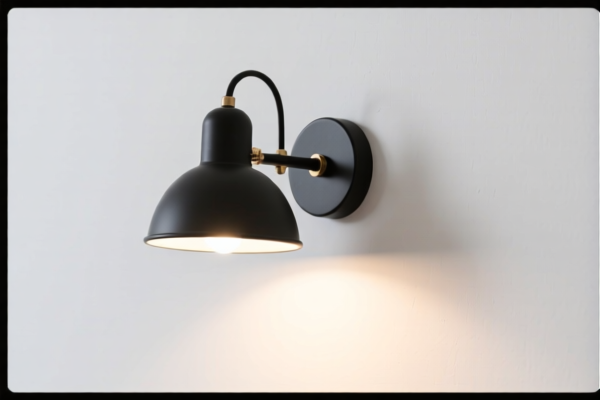
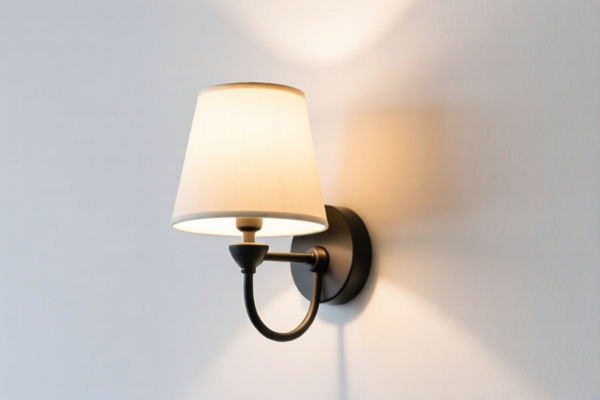
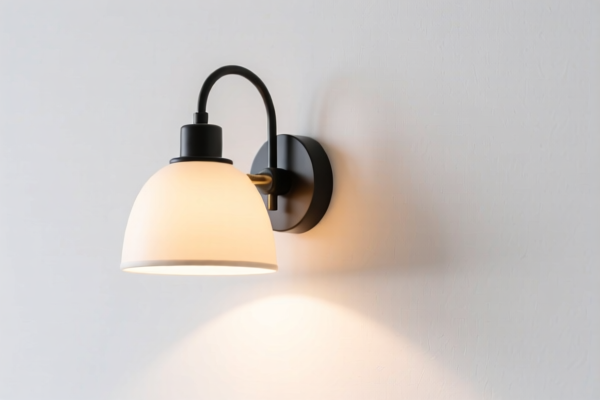
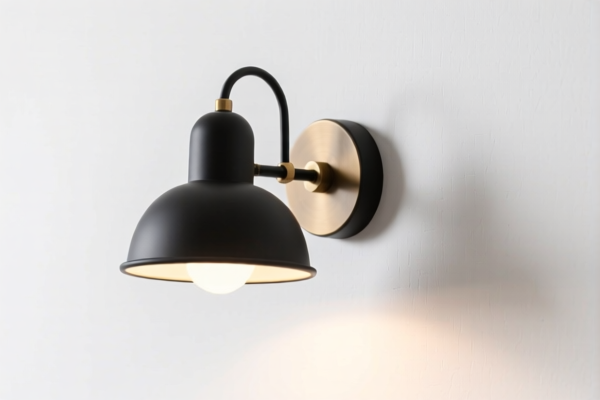
AI Analysis
💡 Electric Lamps (Luminaires & Lighting Fittings)
🌐 HS Code Reference & Customs Clearance Guide | 2026 Latest Tariff Analysis | Professional Strategy for US Imports
📌 I. Product Definition & Classification: What Exactly is an "Electric Lamp"?
"Electric Lamp" is a broad commercial term that encompasses everything from simple replacement bulbs to complex architectural lighting fixtures. In international trade, precise classification is critical because the total landed cost (including duties) can vary drastically based on whether the item is classified as a light source (bulb) or a lighting fixture (luminaire).
Key Distinction: * Light Sources (e.g., LED Bulbs): These are the actual light-emitting components. They often fall under Chapter 85. * Lighting Fittings/Luminaires: These include the housing, wiring, socket, and structure that holds the light source. They typically fall under Chapter 94.
⚠️ Critical Note:
- If the product is an LED Bulb/Light Source only (no complex fixture housing), it is likely 8539.52.00.91.
- If the product is a Complete Fixture (lamp, ceiling light, pendant, etc.), it is likely 9405.19.80.10, 9405.49.00.00, or 9405.42.84.40.
- Misclassification Risk: Declaring a complex fixture as a "bulb" to avoid higher fixture tariffs will trigger customs audits.
📦 II. HS Code Classification Details (2026 Latest Authorized Codes)
The following HS Codes are derived directly from the provided data for "Electric Lamps." Each has a specific tax implication.
| HS Code | Product Description & Scope | Tax Category | Total Tax Rate |
|---|---|---|---|
8539.52.00.91 |
Electric Lamps/Lighting Devices: Highly consistent with LED sources/lamps. Classified under "Other." | Other Category | 12.0% |
9405.11.80.10 |
LED Lamps: Explicitly limited to LED material/source attributes. Classified under Lighting Fixtures. | Fixture Category | 38.9% |
9405.19.80.10 |
Luminaires/Lighting Fittings: General description matching "Electric Lamps & Lighting Devices." | Lighting Category | 38.9% |
9405.42.84.40 |
LED Lamps: Explicitly contains LED material/source attributes. Classified under Lighting Fixtures. | Fixture Category | 38.9% |
9405.49.00.00 |
Luminaires/Lighting Devices: Purpose is completely consistent with lamps and lighting devices. | Core Definition | 38.9% |
🔍 Data Insight:
- There is a massive tax disparity between8539.52.00.91(12.0%) and the9405series (38.9%).
- The9405codes are generally for fixtures (complete lamps with housing/structure).
- The8539code is generally for light sources (bulbs/lamps without complex fixture housing).
💰 III. 2026 Latest Tariff Rate Breakdown (Detailed Policy Analysis)
✅ Applicable Country: USA (US)
✅ Origin: China (CN) (Implied by "122 Clause" and 301-style rates)
✅ Effective Date: Current/2026 Period
🎯 1. The "Low Tax" Option: 8539.52.00.91 (LED Sources)
This is the most favorable code for products that are essentially LED bulbs or simple light sources.
| Item | Detail |
|---|---|
| Base Duty | 2.0% |
| Section 301 Tariff | 0.0% |
| "122 Clause" Tariff | 10.0% |
| Total Tax Rate | 12.0% |
| Calculation Basis | CIF Value × 12.0% |
| De Minimis Exemption | ❌ Not Eligible (Subject to strict valuation) |
📌 Explanation:
- This code benefits from a 0% Section 301 rate, likely due to specific exclusions or a different trade policy application for certain LED components.
- The 10% "122 Clause" is a specific administrative tariff applied here.
- Strategy: If your product is a standalone LED bulb or replaceable light source, prioritize this classification to save 26.9% in duties.
🎯 2. The "High Tax" Options: 9405.11.80.10, 9405.19.80.10, 9405.42.84.40, 9405.49.00.00
These codes apply to complete lighting fixtures (luminaires). They all share the same high tax structure.
| Item | Detail |
|---|---|
| Base Duty | 3.9% |
| Section 301 Tariff | 25.0% |
| "122 Clause" Tariff | 10.0% |
| Total Tax Rate | 38.9% |
| Calculation Basis | CIF Value × 38.9% |
| De Minimis Exemption | ❌ Not Eligible |
📌 Explanation:
- Base Duty (3.9%): The standard Most Favored Nation (MFN) rate for lighting fixtures.
- Section 301 Tariff (25%): A heavy penalty tariff imposed on Chinese-made lighting fixtures. This is the primary driver of the high cost.
- "122 Clause" Tariff (10%): An additional administrative levy applied to these specific subheadings.
- Strategy: For complete lamps (ceiling lights, floor lamps, outdoor fixtures), you must budget for 38.9% total duty. There is no workaround for this rate if the product is classified as a fixture.
🛠️ IV. Customs Clearance Practical Advice (Battle-Tested Strategies)
✅ 1. Essential Documentation Checklist
| Document | Mandatory? | Purpose |
|---|---|---|
| Product Specification Sheet | ✔️ | Must clearly state: "Is this a bulb (8539) or a fixture (9405)?" |
| Product Photos | ✔️ | Show the entire unit. If it has a base/adapter/housing, it’s likely a fixture. |
| Commercial Invoice | ✔️ | Accurately describe the item. Avoid vague terms like "Light." Use "LED Luminaire" or "LED Light Source." |
| Packaging List | ✔️ | Show if items are shipped as complete units or loose bulbs. |
| Origin Certificate | ✔️ | Required to confirm Chinese origin (triggering 301/122 tariffs). |
✅ 2. Classification Strategy: How to Minimize Duty
| Scenario | Correct HS Code | Duty Rate | Risk Level |
|---|---|---|---|
| Replaceable LED Bulb (e.g., A19, BR30) | 8539.52.00.91 |
12.0% | ✅ Low (If truly just a source) |
| Smart Light Bulb (with Wi-Fi chip inside) | 8539.52.00.91 or 9405.42.84.40 |
12.0% vs 38.9% | ⚠️ Medium (Depends on if chip is integral to bulb or fixture) |
| Pendant/Ceiling Light (Complete Unit) | 9405.19.80.10 / 9405.49.00.00 |
38.9% | ✅ High (No alternative) |
| Outdoor Floodlight (Complete Unit) | 9405.42.84.40 |
38.9% | ✅ High |
| Chandelier | 9405.11.80.10 |
38.9% | ✅ High |
🔥 Golden Rule:
"If it holds the bulb, it's a Fixture (38.9%). If it IS the bulb, it's a Source (12.0%)."
- Do not try to classify a complete ceiling light as a "bulb" to save money. US Customs will examine the product, find the housing/wiring, and reclassify it, leading to penalties and delays.
✅ 3. Special Considerations for "LED" Items
9405.42.84.40specifically mentions LED. If you are importing LED fixtures, this code is highly likely.8539.52.00.91is broad ("Other"). It can include LED, CFL, or Incandescent bulbs.- Key Distinction:
- A LED Panel Light (with housing, driver, and diffuser) is a Fixture →
9405series → 38.9%. - A LED Module (bare board, no housing) might be classified differently, but for standard "Electric Lamps," stick to the above.
🌍 V. Market Comparison & Cost Impact
| Market | Product Type | HS Code | Total Duty Rate | Impact |
|---|---|---|---|---|
| 🇺🇸 USA | LED Bulb (Source) | 8539.52.00.91 |
12.0% | Competitive |
| 🇺🇸 USA | LED Fixture (Luminaire) | 9405.xxxx |
38.9% | High Cost |
| 🇪🇺 EU | Lighting Fixture | 9405.xxxx | ~5-15% | Lower than US |
| 🇨🇳 China | Lighting Fixture | 9405.xxxx | ~5-15% | Lower than US |
📌 Conclusion for US Importers:
- The 38.9% rate for fixtures makes Chinese lighting fixtures significantly less competitive in the US market compared to EU or other origins.
- However, LED bulbs (12.0%) remain relatively affordable.
- Supply Chain Strategy: Consider sourcing fixtures from non-China countries (e.g., Vietnam, Mexico) to avoid the 25% Section 301 tariff, or source bulbs from China where the rate is lower.
📌 VI. Common Errors & Pitfalls (Learn from Others' Mistakes)
❌ Error 1: Declaring a Ceiling Fan with Light as just an "Electric Lamp"
👉 Consequence: It should be classified under Chapter 84 (Fan) or 85 (Motor). Misclassification leads to delays and potential mis-duty rates.
❌ Error 2: Calling a Complete LED Spotlight a "LED Bulb"
👉 Consequence: Customs will inspect the item, see the housing and mounting bracket, and reclassify it to 9405.42.84.40. You will owe the difference between 12% and 38.9%, plus penalties.
❌ Error 3: Ignoring the "122 Clause"
👉 Consequence: This 10% tariff is often missed in standard calculators. Always verify if the specific HS code includes this administrative levy.
✅ Best Practice:
When in doubt, provide detailed product photos and a technical datasheet to your customs broker. Clearly state:
"This is a [Bulb/Fixture]. It does/does not include [Housing/Driver/Wiring]."
🎯 VII. Final Recommendation
-
For LED Bulbs/Light Sources:
- Target
8539.52.00.91. - Total Duty: 12.0%.
- Action: Ensure the product is a pure light source without complex fixture integration.
- Target
-
For Complete Lighting Fixtures (Luminaires):
- Expect
9405series codes. - Total Duty: 38.9%.
- Action: Factor this high cost into your pricing. Consider alternative manufacturing locations if margins are thin.
- Expect
-
Documentation:
- Always declare the exact nature of the item (Source vs. Fixture).
- Be transparent about Chinese origin to avoid fraud penalties.
📣 Pro Tip:
🚀 "Classify Smart, Save Big!"
If you are importing LED components that can be used in multiple devices, explore if they fit under8539.52.00.91to benefit from the 26.9% duty savings.
📞 Consult a licensed customs broker for pre-classification rulings on borderline items (e.g., smart bulbs vs. smart fixtures).
✨ Professional clearance starts with accurate classification!
💼 Every percentage point of duty matters. Optimize your HS Code strategy today!
Customer Reviews
About HS Code Classification
The Harmonized System (HS) is an internationally standardized nomenclature developed by the World Customs Organization (WCO) to classify traded products. Over 200 countries use the HS system as the basis for customs tariffs, trade statistics, and import/export regulations.
Each HS code follows a hierarchical structure:
- Chapter (2 digits) — Broad category of goods (e.g., Chapter 84: Machinery and Mechanical Appliances)
- Heading (4 digits) — More specific grouping within the chapter
- Subheading (6 digits) — Internationally standardized breakdown, used by all WCO member countries
- National subdivisions (8-10 digits) — Country-specific extensions for further classification, such as US HTSUS 10-digit codes
Correct HS code classification is essential for smooth customs clearance, accurate duty payment, and compliance with trade regulations. Misclassification can lead to customs delays, overpayment of duties, or penalties.
When importing from CN to US, the applicable tariff rates may include:
- Most-Favored-Nation (MFN) rate — The standard duty rate applied to WTO members
- General rate — Applied to countries without trade agreements
- Trade remedy duties — Additional tariffs such as Section 301 (anti-dumping), Section 232 (national security), or countervailing duties
The information provided on this page is for reference purposes only. For official classification, please consult with your local customs authority or a licensed customs broker.