Electric Lamp Glass Bulb Shell
CN → US| HS Code | Tariff Rate | Origin | Destination | Doc |
|---|---|---|---|---|
| 7020006000 | 40.0% | CN | US | Official Doc |
| 7020004000 | 41.6% | CN | US | Official Doc |
| 7011101000 | 35.0% | CN | US | Official Doc |
| 7011105000 | 39.6% | CN | US | Official Doc |
| 9018200040 | 35.0% | CN | US | Official Doc |
Product Images
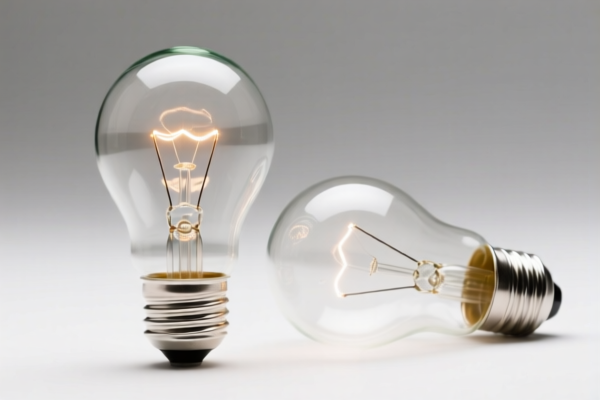
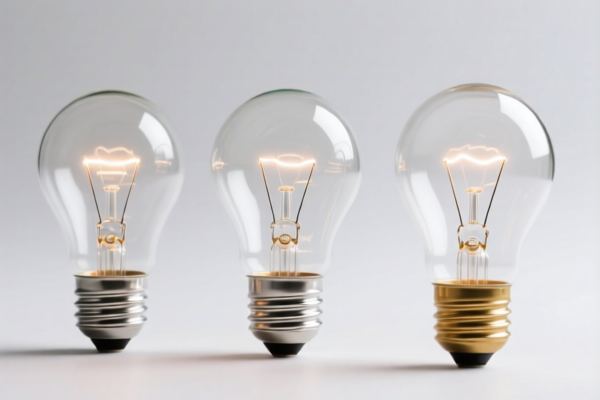
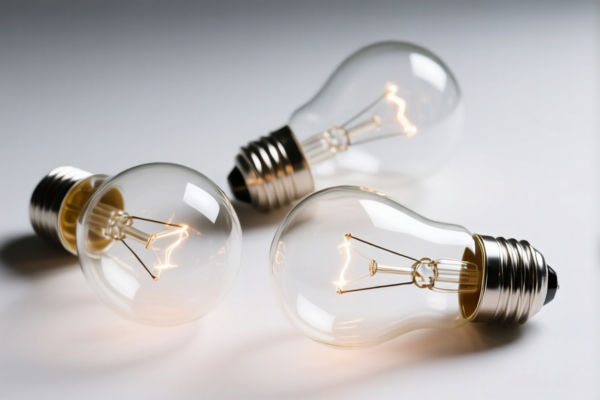

AI Analysis
💡 Electric Lamp Glass Bulb Shell (Glass Enclosures for Lamps and Light Sources)
🌐 HS Code Reference & Customs Clearance Guide | 2026 Latest Tariff Analysis | Professional Import Strategy
📌 I. Product Definition & Classification: What Exactly Is a "Bulb Shell"?
The "Electric Lamp Glass Bulb Shell" refers to the transparent or semi-transparent glass enclosure that houses the filament, gas, or electrodes of an electric lamp. It is a critical component in lighting manufacturing. In international trade, the classification depends heavily on whether the glass piece is considered a "part of a lamp" (Chapter 94) or a "general glass article" (Chapter 70), and specifically for lighting, whether it falls under specific heading 7011.
Key Distinction Points: * Specific Lighting Glass (Heading 7011): Glass envelopes/shells specifically designed for electric lamps (incandescent, halogen, fluorescent, LED housings). These have specific shapes, bases, or connections. * General Glass Articles (Heading 7020): Glass items that do not fit specific headings elsewhere. Sometimes, generic or unprepared glass tubes/balls might be classified here if they lack lamp-specific features. * Parts of Lamps (Heading 9018): Sometimes, if the glass is deemed a "part or accessory" of medical or technical devices (rare for standard lighting), it might be grouped differently, but for general lighting, 7011 is dominant.
⚠️ Critical Note:
- If the glass shell has pre-formed bases, connections, or specific dimensions for lamps → Chapter 7011.
- If it is a generic glass sphere/tube with no lamp-specific features → Chapter 7020.
- Avoid classifying under 9018 unless it is explicitly a part of a medical device (not standard lighting).
📦 II. HS Code Classification Details (2026 Latest Tariff Authority对照)
| HS Code | Product Description | Application Scenario | Tax Rate (Total) |
|---|---|---|---|
7011.10.10.00 |
Glass envelopes for electric lamps or light sources; specifically for incandescent/halogen bulbs | Standard household bulbs, halogen spotlights, automotive bulbs | 35.0% |
7011.10.50.00 |
Glass envelopes for electric lamps or light sources; for other electric lighting (e.g., complex tubes, specialty lamps) | Specialty lighting, industrial lamps, non-standard bulb shapes | 39.6% |
7020.00.60.00 |
Other glass articles, not specified elsewhere; glass bulb shells classified as general glass items | Generic glass balls/tubes, unprepared glass, decorative glass spheres with no lamp function | 40.0% |
7020.00.40.00 |
Other glass articles, glass material & form fits "other glass articles" category | Non-lamp specific glass components, generic glass parts used in various industries | 41.6% |
9018.20.00.40 |
Lamp housings/shells classified as parts and accessories (of apparatus) | Rare; only if explicitly part of a medical/technical device apparatus, not standard lighting | 35.0% |
🔍 重点提醒 (Key Reminders):
- 7011.10.10.00 is the most common code for standard light bulbs (incandescent/halogen).
- 7011.10.50.00 applies to more complex or non-standard electric lamp glass.
- 7020.00.xx codes are for non-specific glass items. Misclassifying a specific lamp bulb as "general glass" can lead to audits, as duties are often higher (40-41.6% vs 35-39.6%).
- 9018.20.00.40 is rare for general lighting. Use only if the glass is a part of a medical device or specific apparatus, not a standalone light bulb.
💰 III. 2026 Latest Tariff Rate Breakdown (Including Additional Duties & Policy Surcharges)
✅ Applicable Country: United States (US)
✅ Country of Origin: China (CN)
✅ Effective Date: From November 10, 2025 (including subsequent imports)
🎯 1. 7011.10.10.00 —— Glass Envelopes for Electric Lamps (Incandescent/Halogen)
| Item | Content |
|---|---|
| Base Tariff | 0.0% (ad valorem) |
| Section 301 Additional Duty | +25.0% (USITC Footnote 9903.88.01) |
| Section 122 Duty | +10.0% (Targeting China) |
| Total Tariff Rate | 35.0% |
| Tax Calculation | CIF Value × 35% |
| De Minimis Exemption Available? | ❌ No (deny_de_minimis) |
| Legal Basis Path | Section 122:10 → Section 301:25 → USITC:7011.10.10.00 |
📌 Explanation:
- The base tariff is low (0%), but the Section 301 (25%) and Section 122 (10%) add-ons significantly increase the cost.
- Total 35% is high for a simple glass component.
- Section 122 is a newer or specific provision targeting Chinese glass/lamp parts.
🎯 2. 7011.10.50.00 —— Glass Envelopes for Electric Lamps (Other Types)
| Item | Content |
|---|---|
| Base Tariff | 4.6% (ad valorem) |
| Section 301 Additional Duty | +25.0% |
| Section 122 Duty | +10.0% |
| Total Tariff Rate | 39.6% |
| Tax Calculation | CIF Value × 39.6% |
| De Minimis Exemption Available? | ❌ No |
| Legal Basis Path | Section 122:10 → Section 301:25 → Base Tariff:4.6% → USITC:7011.10.50.00 |
📌 Note:
- Higher base tariff (4.6%) makes this category more expensive than7011.10.10.00.
- Applies to non-standard or specialty lamp glass.
🎯 3. 7020.00.60.00 —— Other Glass Articles (Generic Bulb Shells)
| Item | Content |
|---|---|
| Base Tariff | 5.0% (ad valorem) |
| Section 301 Additional Duty | +25.0% |
| Section 122 Duty | +10.0% |
| Total Tariff Rate | 40.0% |
| Tax Calculation | CIF Value × 40.0% |
| De Minimis Exemption Available? | ❌ No |
| Legal Basis Path | Section 122:10 → Section 301:25 → Base Tariff:5.0% → USITC:7020.00.60.00 |
📌 Explanation:
- If the product is deemed not a specific lamp part (e.g., a generic glass sphere for decoration or non-lighting use), it falls here.
- 40% is the highest among the common "lamp-like" classifications. Avoid this unless the product truly lacks lamp-specific features.
🎯 4. 7020.00.40.00 —— Other Glass Articles (Form/Material Specific)
| Item | Content |
|---|---|
| Base Tariff | 6.6% (ad valorem) |
| Section 301 Additional Duty | +25.0% |
| Section 122 Duty | +10.0% |
| Total Tariff Rate | 41.6% |
| Tax Calculation | CIF Value × 41.6% |
| De Minimis Exemption Available? | ❌ No |
| Legal Basis Path | Section 122:10 → Section 301:25 → Base Tariff:6.6% → USITC:7020.00.40.00 |
📌 Note:
- This is the highest total tariff in the provided data.
- Only use if the glass item does not fit any other specific description and is classified as a generic "other glass article."
🎯 5. 9018.20.00.40 —— Parts/Accessories of Apparatus (Lamp Housings)
| Item | Content |
|---|---|
| Base Tariff | 0.0% (ad valorem) |
| Section 301 Additional Duty | +25.0% |
| Section 122 Duty | +10.0% |
| Total Tariff Rate | 35.0% |
| Tax Calculation | CIF Value × 35.0% |
| De Minimis Exemption Available? | ❌ No |
| Legal Basis Path | Section 122:10 → Section 301:25 → USITC:9018.20.00.40 |
📌 Caution:
- This code is for parts of apparatus (Chapter 90).
- Do not use for standard light bulbs. It is for glass shells that are parts of medical, scientific, or technical devices. Misclassification here is risky and may trigger audits.
🛠️ IV. Customs Clearance Practical Advice (Battle-Tested Pitfall Guide)
✅ 1. Document Checklist (Must-Haves)
| Document | Required | Description |
|---|---|---|
| ✅ Product Spec Sheet | ✔️ | Dimensions, shape, intended use (e.g., "Incandescent Bulb Shell, Model XYZ") |
| ✅ Photos (Clear) | ✔️ | Show the base, shape, and any markings. Prove it’s a lamp part. |
| ✅ Technical Drawing | ✔️ | If applicable, show base type (e.g., E27, G4) to prove lamp-specific use. |
| ✅ Commercial Invoice | ✔️ | Clearly state "Glass Envelope for Electric Lamp" or "Glass Bulb Shell." Avoid vague terms like "Glass Part." |
| ✅ Packing List | ✔️ | Confirm quantity and weight. |
| ✅ Origin Certificate | ✔️ | If not CN origin, to claim FTA benefits (not applicable for US/China in this context, but good practice). |
✅ 2. Declaration Tips (Key Mnemonic)
🔥 "Lamp Specific = 7011, Generic Glass = 7020, Medical Part = 9018. Don't Mix Up!"
| Scenario | Correct HS Code | Wrong Code & Consequence |
|---|---|---|
| Standard Incandescent/Halogen Bulb Shell | 7011.10.10.00 (35%) |
→ 7020.00.60.00 (40%) → Overpay 5% |
| Specialty/Non-Standard Lamp Glass | 7011.10.50.00 (39.6%) |
→ 7020.00.40.00 (41.6%) → Overpay 2% |
| Generic Glass Sphere (No Lamp Use) | 7020.00.60.00 (40%) |
→ 7011.10.10.00 (35%) → Undervalue Duty Risk |
| Part of Medical Device Lamp | 9018.20.00.40 (35%) |
→ 7011.10.10.00 (35%) → Same rate, but Wrong Chapter → Audit Risk |
📌 Golden Rule:
- Always provide evidence that the glass is specifically designed for lamps (shape, base, connection points).
- If it looks like a light bulb shell, declare as 7011.
- If it’s just a glass ball/tube with no lamp features, declare as 7020.
✅ 3. Special Cases Handling
| Situation | Handling Advice |
|---|---|
| OEM Bulb Shells | Provide customer PO and design specs. Clearly state "For Incandescent Lamp." |
| LED Glass Covers | If it’s a cover for an LED module, still likely 7011.10.50.00 if it’s a lamp part. If generic, 7020. |
| Mixed Containers | If shipping both lamp shells and general glass, separate lines in invoice. Do not lump under one code. |
| Sample vs. Bulk | Samples follow same rules. No de minimis exemption for China-origin glass. |
🌍 V. Global Market Comparison (2026 Latest)
| Country/Region | Recommended HS Code | Tariff (China Origin) | Certification | Notes |
|---|---|---|---|---|
| 🇺🇸 USA | 7011.10.10.00 |
35% (Total) | None Specific | High due to 301 + 122 duties |
| 🇨🇳 China | 7011.10.10.00 |
~5-10% (Import) | CCC (if lamp assembly) | No 301/122 duties |
| 🇪🇺 EU | 7011.10.10.00 |
0-4.5% | CE | No Section 301/122 |
| 🇦🇺 Australia | 7011.10.10.00 |
5% | RCM | Moderate duty |
| 🇯🇵 Japan | 7011.10.10.00 |
0-5% | PSE | Low duty |
📌 Conclusion:
- USA is the most expensive market for Chinese glass bulb shells due to 35% total tariff.
- EU and Japan offer much lower duty rates. Consider supply chain diversification if targeting the US heavily.
📌 VI. Common Mistakes & Pitfalls (Lessons Learned)
❌ Mistake 1: Declaring all glass lamp parts as 7020.00.60.00
👉 Consequence: If the item is clearly a lamp part, CBP may reclassify to 7011.10.10.00 (35%) vs 40%. While 40% is higher, misclassification penalties can be severe.
✅ Fix: Use 7011 if it’s a lamp part.
❌ Mistake 2: Using vague descriptions like "Glass Part"
👉 Consequence: CBP demands more info, delays clearance, may assign higher duty.
✅ Fix: Use "Glass Envelope for Incandescent Lamp, Model XYZ."
❌ Mistake 3: Ignoring Section 122 and 301 duties
👉 Consequence: Under-declaring tax liability.
✅ Fix: Calculate total 35-41.6% cost in your margin model.
🎯 VII. Conclusion: Precise Classification, Cost Optimization!
🎯 Remember:
🔹 "Lamp Specific = 7011 (35-39.6%), Generic = 7020 (40-41.6%), Medical = 9018 (35%)."
🔹 "Total Tax = Base + 301 (25%) + 122 (10%)."
🔹 "Don't under-declare. The 5% difference is not worth the audit risk."
📌 Pro Tip:
If you are importing large volumes, consider Advanced Classification Rulings from CBP to secure the correct HS Code. This provides legal certainty and avoids post-entry audits.
📣 Take Action Now:
📞 Consult a licensed customs broker.
📄 Prepare technical specs showing lamp-specific features.
💰 Factor in 35%+ total duty for US imports.
🚀 Ensure smooth customs clearance and protect your profit margins!
✨ Professional Customs Clearance Starts with Accurate Classification!
💼 Every Dollar Saved on Classification Errors Counts!
Customer Reviews
About HS Code Classification
The Harmonized System (HS) is an internationally standardized nomenclature developed by the World Customs Organization (WCO) to classify traded products. Over 200 countries use the HS system as the basis for customs tariffs, trade statistics, and import/export regulations.
Each HS code follows a hierarchical structure:
- Chapter (2 digits) — Broad category of goods (e.g., Chapter 84: Machinery and Mechanical Appliances)
- Heading (4 digits) — More specific grouping within the chapter
- Subheading (6 digits) — Internationally standardized breakdown, used by all WCO member countries
- National subdivisions (8-10 digits) — Country-specific extensions for further classification, such as US HTSUS 10-digit codes
Correct HS code classification is essential for smooth customs clearance, accurate duty payment, and compliance with trade regulations. Misclassification can lead to customs delays, overpayment of duties, or penalties.
When importing from CN to US, the applicable tariff rates may include:
- Most-Favored-Nation (MFN) rate — The standard duty rate applied to WTO members
- General rate — Applied to countries without trade agreements
- Trade remedy duties — Additional tariffs such as Section 301 (anti-dumping), Section 232 (national security), or countervailing duties
The information provided on this page is for reference purposes only. For official classification, please consult with your local customs authority or a licensed customs broker.