Electric Lock Core
CN → US| HS Code | Tariff Rate | Origin | Destination | Doc |
|---|---|---|---|---|
| 8301406030 | 23.2% | CN | US | Official Doc |
| 8301406060 | 23.2% | CN | US | Official Doc |
| 8301200060 | 40.7% | CN | US | Official Doc |
| 8301200030 | 40.7% | CN | US | Official Doc |
Product Images
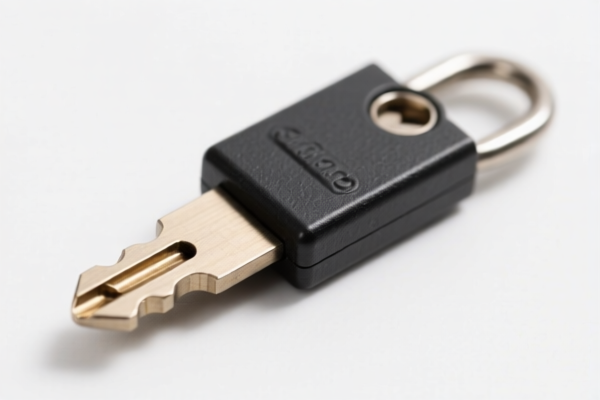
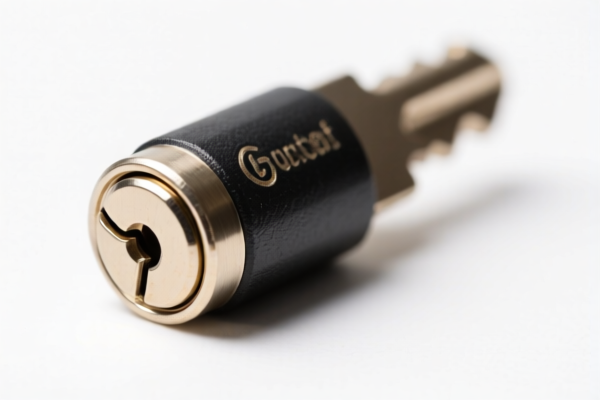
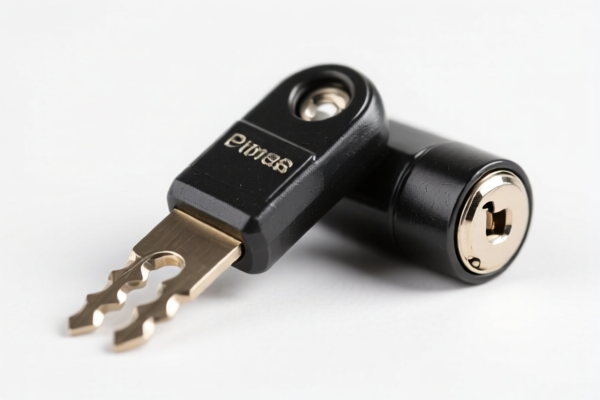
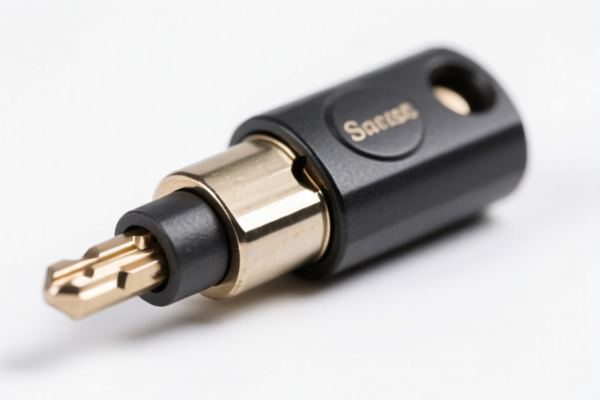
AI Analysis
🔐 Electric Lock Core (Electric Lock Cylinder)
🌐 HS Code Reference & Customs Clearance Guide | 2026 Latest Tariff Analysis | Professional Clearance Strategy
📌 I. Product Definition & Classification: What Exactly is an "Electric Lock Core"?
Electric Lock Cores are the functional core components of modern electronic locking systems. They are the "brain" of the lock, converting electrical signals into mechanical movement to engage or disengage the bolt/latch. In international trade, these are classified under Chapter 83 (Miscellaneous Manufactured Articles of Base Metal), specifically under heading 8301 (Locks, lock-keys, and parts thereof).
However, not all lock cores are created equal. The specific HS Code depends heavily on: 1. Function: Is it for a door (general), a car (ignition/steering), or a specialized mechanism? 2. Material: Is it primarily metal or plastic? 3. Integration: Is it a standalone core or a complete assembly?
⚠️ Key Distinction Point:
- Door Lock Cores (8301.40): Used for residential, commercial, or hotel doors. Typically electrically operated cylinders. - Automotive Ignition Cores (8301.20): Used in vehicles for starting engines or steering locks. These are subject to much higher tariffs due to being classified as automotive parts/accessories.
📦 II. HS Code Classification Details (2026 Latest Tariff Alignment)
Based on the provided data, here are the specific classifications for Electric Lock Cores:
| HS Code | Product Description | Application Scenario | Material Composition |
|---|---|---|---|
8301.40.60.30 |
Electric lock core or electric bolt, functional core of locking systems | General door locks (residential/commercial), smart locks | Metal or Plastic |
8301.40.60.60 |
Electric bolt lock (insert type), other types of locks | Standard electric inserts, supplementary locking mechanisms | Base Metal |
8301.20.00.60 |
Ignition lock core, vehicle-use locks | Car ignition switches, steering column locks | Base Metal |
8301.20.00.30 |
Ignition lock core, functional component of automotive locks | Automotive lock assemblies, key cylinders for ignition | Metal |
🔍 Critical Note:
- Door Locks (8301.40) are generally for building security. - Ignition Locks (8301.20) are strictly for automotive use and are classified under "Locks for vehicles." - Misclassification Risk: Declaring an automotive ignition core as a general door lock (8301.40) to avoid taxes is a serious compliance violation and will likely result in severe penalties and seizures.
💰 III. 2026 Latest Tariff Rate Breakdown (Including Surcharges & Policy Add-ons)
✅ Applicable Country: United States (US)
✅ Origin: China (CN)
✅ Effective Date: Current and ongoing (post-Section 301 and Section 122 rules)
🎯 1. 8301.40.60.30 & 8301.40.60.60 —— Electric Door Lock Cores
These codes apply to electric lock cylinders used in buildings.
| Item | Content |
|---|---|
| Base Duty Rate | 5.7% (ad valorem) |
| Section 301 Additional Tariff | +7.5% |
| Section 122 Additional Tariff | +10% |
| Total Duty Rate | 23.2% |
| Tax Calculation | CIF Value × 23.2% |
| De Minimis Exemption | ❌ Not Eligible (Deny de minimis for Section 301/122 goods) |
| Legal Basis Path | Section 301 → Section 122 → USITC:8301.40.60.30/60 |
📌 Explanation:
- Base 5.7%: Standard MFN duty for locks. - Section 301 (7.5%): Trump-era tariffs on Chinese imports, largely retained. - Section 122 (10%): Additional duties on certain industrial goods. - Total 23.2%: This is a significant cost burden. Importers must budget for this extra ~18% above base duty.
🎯 2. 8301.20.00.60 & 8301.20.00.30 —— Automotive Ignition Lock Cores
These codes apply to ignition locks and automotive lock components.
| Item | Content |
|---|---|
| Base Duty Rate | 5.7% (ad valorem) |
| Section 301 Additional Tariff | +25.0% (Higher rate for auto parts) |
| Section 122 Additional Tariff | +10% |
| Total Duty Rate | 40.7% |
| Tax Calculation | CIF Value × 40.7% |
| De Minimis Exemption | ❌ Not Eligible |
| Legal Basis Path | Section 301 → Section 122 → USITC:8301.20.00.30/60 |
📌 Warning:
- The total tariff of 40.7% is nearly double that of door lock cores. - This is due to the 25% Section 301 rate applied to automotive parts/components. - Do not misdeclare automotive parts as general hardware to save 17.5% in taxes. Customs (CBP) is highly vigilant about automotive part classification.
🛠️ IV. Customs Clearance Practical Advice (Battle-Tested Pitfall Guide)
✅ 1. Required Documentation Checklist (No Exceptions)
| Document | Mandatory? | Purpose |
|---|---|---|
| ✅ Product Specifications | ✔️ | Must specify: Electric vs. Mechanical, Voltage (12V/24V/DC), Material (Metal/Plastic), Intended Use (Door vs. Car). |
| ✅ Technical Diagrams | ✔️ | Proof of functionality. Is it a standalone core or part of a larger assembly? |
| ✅ Commercial Invoice | ✔️ | Must explicitly state: "Electric Lock Core for [Door/Automotive Use]" + HS Code. |
| ✅ Product Photos | ✔️ | Clear shots of the core, wiring, and labeling. |
| ✅ Origin Certificate | ✔️ | To prove Chinese origin (critical for applying correct surcharges). |
✅ 2. Classification Strategy & Declaration Tips
🔥 “Door vs. Car, Two Worlds Apart! Don’t Mix Them Up!”
| Scenario | Correct HS Code | Incorrect Declaration | Risk |
|---|---|---|---|
| Electric cylinder for office doors | 8301.40.60.30 or 8301.40.60.60 |
Misdeclared as 8301.20 (Auto) |
Overpayment of tax (but less likely to be penalized for over-classification). |
| Electric cylinder for car ignition | 8301.20.00.30 or 8301.20.00.60 |
Misdeclared as 8301.40 (Door) |
Severe Penalty. Undervaluation of tax + fraud allegations. |
| Plastic-core electric lock | 8301.40.60.30 |
Misdeclared as 8301.40.60.60 (Metal) |
Minor discrepancy, but must match material description. |
| Lock Core + Housing Assembly | 8301.40.60.30 |
Split into core + housing | Wrong! Must declare as a complete lock assembly/core. |
📌 Pro Tip:
- If the product is plastic-based, ensure it is clearly described as such. Some inspectors might default to metal classifications. - If it is an ignition lock, include the VIN compatibility or vehicle model (e.g., "For Toyota Camry 2020") to justify the automotive classification.
✅ 3. Special Circumstances Handling
| Situation | Handling Advice |
|---|---|
| OEM Electric Locks | Provide the end-user’s specification sheet. CBP may look for "commercial sample" status to apply lower rates, but for Chinese origin, surcharges still apply. |
| Hybrid Locks (Mechanical + Electric) | Declare as Electric Lock Core. The electric function dominates the classification. |
| Small Packages (De Minimis) | ❌ No De Minimis Exemption. Section 301 and Section 122 duties cannot be avoided via Section 321 (800.30) for these goods. Even $1 packages are taxed. |
| Anti-Dumping Duties | Check if specific manufacturers are subject to anti-dumping investigations. While not listed in the base data, some lock cores may face additional ADD. |
🌍 V. Global Market Comparison (2026 Snapshot)
| Country/Region | Recommended HS Code | Base Duty | China Surcharges | Total Est. Tax | Notes |
|---|---|---|---|---|---|
| 🇺🇸 USA | 8301.40.60.30 |
5.7% | +17.5% (Sec 301/122) | 23.2% | High barrier for door locks. |
| 🇺🇸 USA | 8301.20.00.30 |
5.7% | +35.0% (Sec 301/122) | 40.7% | Very high barrier for auto parts. |
| 🇪🇺 EU | 8301.40 |
0-2.5% | 0% (Mostly) | 0-2.5% | No Section 301/122 equivalent. |
| 🇨🇳 China | 8301.40 |
5-10% | 0% | ~5-10% | Import duty into China. |
| 🇨🇦 Canada | 8301.40 |
0-6% | 0% | ~0-6% | No major surcharges. |
📌 Conclusion:
- The US market is uniquely challenging due to the combination of Section 301 and Section 122 tariffs. - Automotive locks (8301.20) are hit hardest with 40.7% total duty. - Door locks (8301.40) are moderately taxed at 23.2%. - If possible, consider third-country manufacturing (Vietnam, Mexico) to mitigate Section 301/122 risks, though rules of origin must be strictly met.
📌 VI. Common Errors & Pitfall Guide (Blood Tears & Lessons)
❌ Error 1: Declaring an Ignition Lock as a Door Lock (8301.40) to save 17.5%.
👉 Consequence: CBP audits, back-taxes, and potential fraud charges. The physical appearance (keyway, electrical connector type) is distinct.
❌ Error 2: Assuming De Minimis (Section 321) applies to small e-commerce shipments.
👉 Consequence: Incorrect. Section 301 and 122 duties do not apply to de minimis. All shipments, regardless of value, are subject to the 23.2% or 40.7% tax.
❌ Error 3: Ignoring Section 122 duties.
👉 Consequence: Many importers remember Section 301 but forget the additional 10% Section 122 duty, leading to underpayment.
❌ Error 4: Vague Description: "Lock Part."
👉 Consequence: CBP will assign the highest possible duty rate or hold the shipment for further inspection. Always specify "Electric Lock Core" and material.
✅ Correct Practice:
"Electric Lock Cylinder, Plastic Core, DC 12V, for Commercial Door Access Control, Model XYZ, Chinese Origin"
HS Code:8301.40.60.30
Total Duty: 23.2%
🎯 VII. Conclusion: Precise Classification, Profit Protection!
🎯 Remember the Golden Rules:
🔹 "Door Lock 23%, Auto Lock 40% - Don't Guess!"
🔹 "No De Minimis for China - Every Penny is Taxed!"
🔹 "Material Matters - Plastic vs. Metal Changes Sub-Headings!"
📌 Pro Tip:
If you are importing large volumes, consider applying for a Customs Binding Ruling from CBP. This provides legal certainty on the HS Code and duty rate, protecting you from future retroactive assessments.
📣 Immediate Action Required:
📞 Verify Product Type: Is it for a door or a car?
📄 Calculate Landed Cost: Include the full 23.2% or 40.7% tax in your pricing model.
🚀 Clearance Ready: Prepare specs, photos, and origin docs before shipment.
✨ Professional Clearance Starts with Accurate Classification!
💼 Every Percentage Point of Duty Affects Your Bottom Line!
Customer Reviews
About HS Code Classification
The Harmonized System (HS) is an internationally standardized nomenclature developed by the World Customs Organization (WCO) to classify traded products. Over 200 countries use the HS system as the basis for customs tariffs, trade statistics, and import/export regulations.
Each HS code follows a hierarchical structure:
- Chapter (2 digits) — Broad category of goods (e.g., Chapter 84: Machinery and Mechanical Appliances)
- Heading (4 digits) — More specific grouping within the chapter
- Subheading (6 digits) — Internationally standardized breakdown, used by all WCO member countries
- National subdivisions (8-10 digits) — Country-specific extensions for further classification, such as US HTSUS 10-digit codes
Correct HS code classification is essential for smooth customs clearance, accurate duty payment, and compliance with trade regulations. Misclassification can lead to customs delays, overpayment of duties, or penalties.
When importing from CN to US, the applicable tariff rates may include:
- Most-Favored-Nation (MFN) rate — The standard duty rate applied to WTO members
- General rate — Applied to countries without trade agreements
- Trade remedy duties — Additional tariffs such as Section 301 (anti-dumping), Section 232 (national security), or countervailing duties
The information provided on this page is for reference purposes only. For official classification, please consult with your local customs authority or a licensed customs broker.