Electric Measuring Pen
CN → US| HS Code | Tariff Rate | Origin | Destination | Doc |
|---|---|---|---|---|
| 9030310000 | 35.0% | CN | US | Official Doc |
| 9030333800 | 35.0% | CN | US | Official Doc |
| 9608404000 | 24.1% | CN | US | Official Doc |
| 9608996000 | 17.5% | CN | US | Official Doc |
| 8515110000 | 37.5% | CN | US | Official Doc |
Product Images
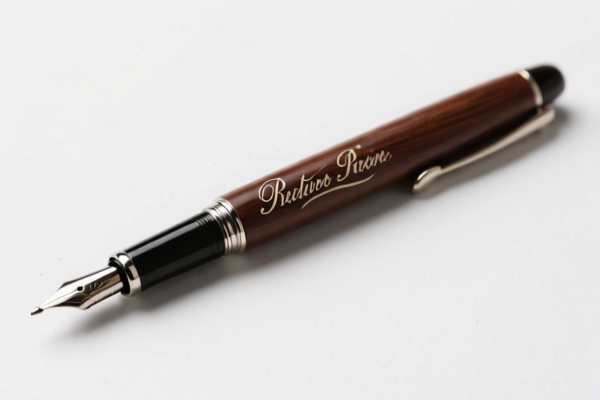

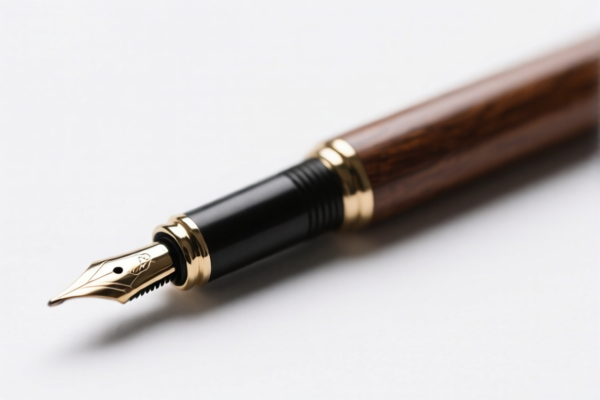
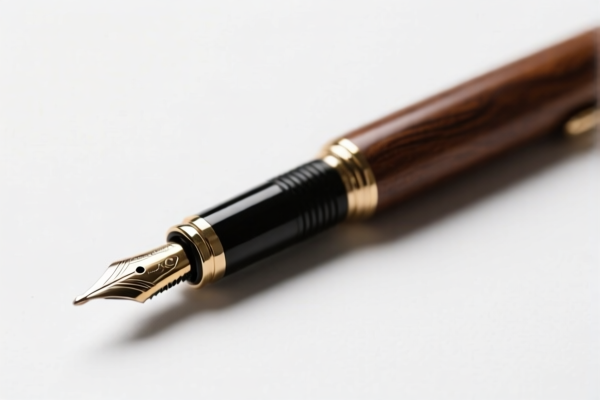
AI Analysis
🔌 Electric Measuring Pen (Voltage Testers / Detecting Pens)
🌐 HS Code Reference & Customs Clearance Guide | 2026 Latest Tariff Analysis | Professional Clearance Strategy
📌 I. Product Definition and Classification: What is an "Electric Measuring Pen"?
An Electric Measuring Pen (commonly known as a voltage tester, test pen, or detecting pen) is a handheld device used to detect the presence of voltage in electrical circuits. In international trade, its classification depends heavily on whether it is a simple non-recordkeeping detector or a more complex measuring instrument.
Based on the provided data, there are three distinct classification paths depending on the specific technical characteristics and intended use:
- Voltage Detection Tool (Non-Recording): Simple pens that indicate voltage presence (e.g., neon bulb type).
- Electronic Testing Device: Digital or advanced electronic pens used for measuring voltage.
- Specialized Tool Misclassification: Items that might look like pens but are actually welding tips or writing instruments (rare for standard "measuring" pens, but critical for avoiding errors).
⚠️ Key Distinction Point:
- If it is a simple voltage detector (non-recording, basic detection) → 9030.31.00.00 or 9030.33.38.00
- If it is mistakenly identified as a writing tool or welding tip → Wrong Classification! (See below for risk analysis)
📦 II. HS Code Classification Details (2026 Latest Tariff Authority Comparison)
| HS Code | Product Description | Application Scenario | Tax Rate (Total) |
|---|---|---|---|
9030.31.00.00 |
Instruments/Apparatus for measuring/checking voltage, non-recording | Basic voltage testers, neon test pens, simple electric pens | 35.0% |
9030.33.38.00 |
Other instruments for measuring/checking voltage, non-recording | Advanced electronic voltage testers, digital electric pens | 35.0% |
9608.40.40.00 |
Mechanical pencils (Misclassification Risk) | Only if the item is actually an automatic pencil with electronic components, NOT for voltage testing | 24.1% |
9608.99.60.00 |
Parts/accessories of pens (Misclassification Risk) | Only if the item is a pen refill or tip, NOT for voltage testing | 17.5% |
8515.11.00.00 |
Electric Welding Torch (Misclassification Risk) | Only if the item is a soldering iron/welding pen, NOT for voltage testing | 37.5% |
🔍 Critical Reminder:
- Electric Measuring Pens are INSTRUMENTS, not writing tools (9608) or welding equipment (8515).
- Misclassifying a voltage tester as a "pen" or "welder" is a major compliance risk.
- Both correct voltage testing codes (9030.31and9030.33) carry the same total tax rate of 35%.
💰 III. 2026 Latest Tariff Rate Breakdown (Including Additional Duties & Policy Surcharges)
✅ Applicable Country: United States (US)
✅ Country of Origin: China (CN)
✅ Effective Date: From November 10, 2025 (for subsequent imports)
🎯 1. 9030.31.00.00 & 9030.33.38.00 —— Electric Measuring Pens (Voltage Detection)
| Item | Content |
|---|---|
| Basic Tariff | 0.0% (ad valorem) |
| Section 301 Additional Duty | +25.0% |
| Section 122 Duty | +10.0% |
| Total Tariff Rate | 35.0% |
| Tax Calculation | CIF Value × 35% |
| De Minimis Exemption | ❌ Not Applicable (deny_de_minimis) |
| Legal Basis Path | USITC:9030.31.00.00 → FOOTNOTE:301 → IEEPA:Section122 |
📌 Explanation:
- "Basic Tariff 0%": The base tariff for voltage measuring instruments is typically 0%.
- "Section 301 Duty 25%": This is the standard additional tariff imposed under U.S. Trade Law Section 301 on Chinese goods.
- "Section 122 Duty 10%": An additional 10% tariff applied to specific Chinese products under Section 122 of the Trade Act.
- Total 35%: This is a high tariff rate. You must factor this into your landed cost calculation immediately.
- No De Minimis: These items cannot use the $800 de minimis exemption (Section 321). They must go through formal customs entry.
⚠️ Why NOT other HS Codes?
| Incorrect HS Code | Why It’s Wrong | Consequence |
|---|---|---|
9608.40.40.00 (24.1%) |
This is for mechanical pencils. An electric measuring pen is not a writing instrument. | Misclassification Penalty: Customs will reclassify, impose 35% + penalties. |
9608.99.60.00 (17.5%) |
This is for pen parts/accessories. A complete measuring pen is a functional instrument, not a part. | Undervaluation Risk: Customs may assess higher duty + interest. |
8515.11.00.00 (37.5%) |
This is for electric welding torches. While a soldering iron looks similar, a measuring pen does not weld. | Overpayment Risk: You pay 37.5% instead of 35%. Also, wrong product description. |
🛠️ IV. Customs Clearance Practical Advice (Battle-Tested Pitfall Guide)
✅ 1. Documentation Checklist (Must-Have)
| Document | Required | Description |
|---|---|---|
| ✅ Product Specification Sheet | ✔️ | Must clearly state: "Voltage Tester," "Non-Recording," "Measuring Instrument." |
| ✅ Product Photos | ✔️ | Clear images showing the device is not a pen or welder. Highlight the probe tip and display/button. |
| ✅ Commercial Invoice | ✔️ | Describe as: "Electric Measuring Pen for Voltage Detection, Non-Recording, Model XYZ" |
| ✅ Origin Certificate (CO) | ✔️ | Required to prove Chinese origin for tariff calculation. |
| ✅ Packing List | ✔️ | Ensure no "pen refills" or "welding tips" are listed if the item is a voltage tester. |
✅ 2. Declaration Tips (Key Mantra)
🔥 "Don't Write, Don't Weld, Just Measure! Declare as 'Voltage Tester'!"
| Scenario | Correct Declaration | Wrong Declaration |
|---|---|---|
| Standard Electric Pen | "Electric Measuring Pen, Voltage Tester, Non-Recording" | "Electric Pen" or "Writing Tool" |
| Digital Voltage Pen | "Voltage Detection Instrument, Digital, Non-Recording" | "Digital Pen" |
| Soldering Iron (Look-alike) | "Electric Soldering Iron, Welding Tool" | "Electric Pen" (High Risk of Confusion) |
📌 Warning:
- If your product is a soldering iron (used for welding/soldering), use8515.11.00.00(37.5%).
- If your product is a voltage tester, use9030.31.00.00or9030.33.38.00(35%).
- Never describe a voltage tester as a "pen" (9608) to save tax. Customs AI flags "pen" items from China for scrutiny.
✅ 3. Special Handling Cases
| Case | Handling Advice |
|---|---|
| OEM Custom Voltage Tester | Provide client order + technical drawing. Ensure description matches "Instrument," not "Consumer Good." |
| Bundle with Multimeter | If sold as a kit, declare the primary function. If the multimeter is the main item, it may have different classification. |
| Low-Value Shipment | ❌ No De Minimis. Even if under $800, you must pay 35% tariff and file formal entry. |
| Mixed Container | Ensure all "electric measuring pens" are grouped under one HS code. Do not mix with actual pens (9608) to avoid audit. |
🌍 V. Global Market Comparison (2026 Latest)
| Country/Region | Recommended HS Code | Tariff (China Origin) | Certification Required | Notes |
|---|---|---|---|---|
| 🇺🇸 USA | 9030.31.00.00 / 9030.33.38.00 |
35% | FCC (if digital/electronic) | Highest Cost. No de minimis. |
| 🇨🇳 China | 9030.31.00.00 |
5%~8% | CCC (if applicable) | Lower tariff, no Section 301/122. |
| 🇪🇺 EU | 9030.31.00.00 |
~3.5% - 6.5% | CE, RoHS | Lower tariff, but strict CE compliance. |
| 🇬🇧 UK | 9030.31.00.00 |
~3.5% - 6.5% | UKCA, RoHS | Post-Brexit rules apply. |
| 🇦🇺 Australia | 9030.31.00.00 |
5% | RCM, ACMA | No additional surcharges. |
📌 Conclusion:
- USA is the most expensive market for electric measuring pens due to 35% combined tariffs.
- EU/UK/Asia have significantly lower tariffs, making them more attractive for price-sensitive markets.
- FCC Certification is mandatory for digital/electronic versions entering the US.
📌 VI. Common Mistakes & Pitfall Guide (Lessons Learned)
❌ Mistake 1: Calling it a "Pen" in the invoice
👉 Result: Customs AI flags it for review, delays shipment, or reclassifies to 9608 (17.5%) then penalizes for misdeclaration.
✅ Fix: Always use "Voltage Tester" or "Electric Measuring Instrument."
❌ Mistake 2: Assuming De Minimis applies (under $800)
👉 Result: Package held by customs, 35% duty demanded, storage fees accrue.
✅ Fix: Budget for formal entry and 35% tax regardless of value.
❌ Mistake 3: Confusing with Soldering Irons
👉 Result: Soldering irons are 8515 (37.5%), testers are 9030 (35%). Wrong description leads to duty difference + penalty.
✅ Fix: Clearly distinguish function: "Testing" vs. "Welding."
❌ Mistake 4: Missing FCC Certification
👉 Result: If the pen has a digital display or electronic circuit, CBP may block entry without FCC.
✅ Fix: Ensure all electronic versions have valid FCC ID.
🎯 VII. Conclusion: Precise Classification, Cost Control!
🎯 Remember the Mantra:
🔹 "It’s a Tester, Not a Pen! Declare Voltage Detection!"
🔹 "35% Tax in US, No De Minimis, Plan Ahead!"
🔹 "FCC for Digital, Photos for Proof!"
📌 Pro Tip:
If you are selling digital voltage testers, ensure your FCC certification is up-to-date. For analog neon pens, FCC is not required, but the tariff is the same (35%).
For US market entry, consider supplier diversification or tariff engineering if possible. Otherwise, factor the 35% cost into your pricing strategy.
📣 Immediate Action:
📞 Contact your customs broker with the product photos and specification sheet.
📄 Apply for a Binding Ruling if unsure about the exact subheading (9030.31vs9030.33).
🚀 Ensure your invoice says "Electric Measuring Pen" or "Voltage Tester," NEVER just "Pen."
✨ Professional Clearance Starts with Accurate Classification!
💼 Your Margins Depend on Precision!
Customer Reviews
About HS Code Classification
The Harmonized System (HS) is an internationally standardized nomenclature developed by the World Customs Organization (WCO) to classify traded products. Over 200 countries use the HS system as the basis for customs tariffs, trade statistics, and import/export regulations.
Each HS code follows a hierarchical structure:
- Chapter (2 digits) — Broad category of goods (e.g., Chapter 84: Machinery and Mechanical Appliances)
- Heading (4 digits) — More specific grouping within the chapter
- Subheading (6 digits) — Internationally standardized breakdown, used by all WCO member countries
- National subdivisions (8-10 digits) — Country-specific extensions for further classification, such as US HTSUS 10-digit codes
Correct HS code classification is essential for smooth customs clearance, accurate duty payment, and compliance with trade regulations. Misclassification can lead to customs delays, overpayment of duties, or penalties.
When importing from CN to US, the applicable tariff rates may include:
- Most-Favored-Nation (MFN) rate — The standard duty rate applied to WTO members
- General rate — Applied to countries without trade agreements
- Trade remedy duties — Additional tariffs such as Section 301 (anti-dumping), Section 232 (national security), or countervailing duties
The information provided on this page is for reference purposes only. For official classification, please consult with your local customs authority or a licensed customs broker.