Electric Motor and Generator
CN → US| HS Code | Tariff Rate | Origin | Destination | Doc |
|---|---|---|---|---|
| 8502120000 | 37.5% | CN | US | Official Doc |
| 8501318100 | 37.5% | CN | US | Official Doc |
| 8501326100 | 37.0% | CN | US | Official Doc |
| 8501322000 | 37.9% | CN | US | Official Doc |
| 8501106080 | 37.8% | CN | US | Official Doc |
Product Images
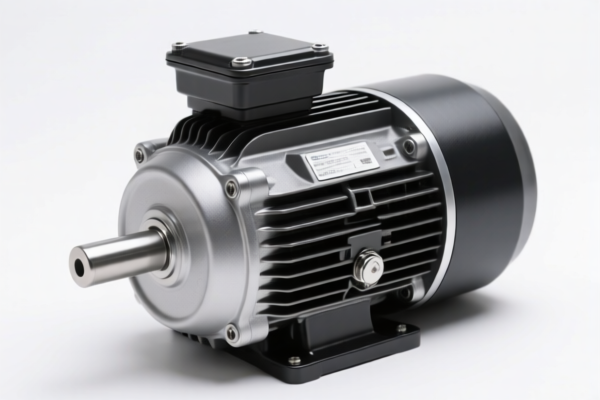
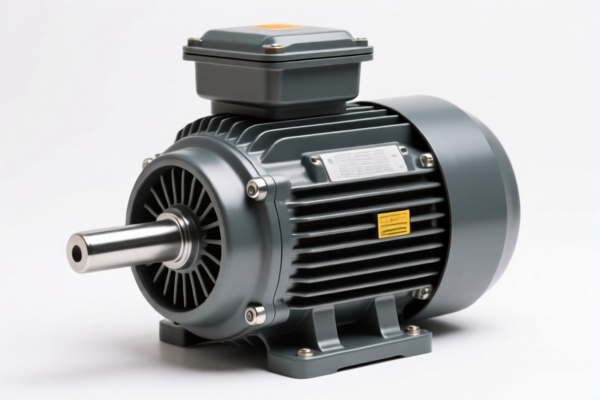
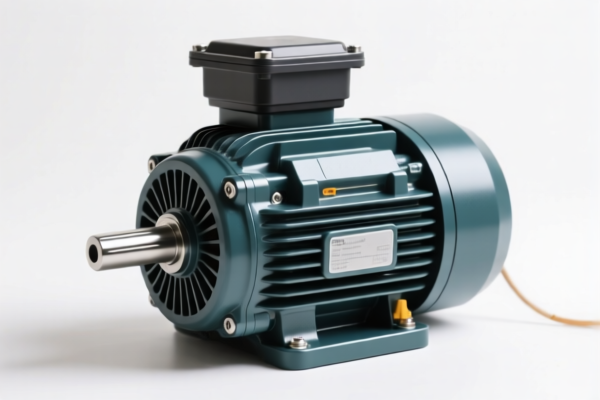
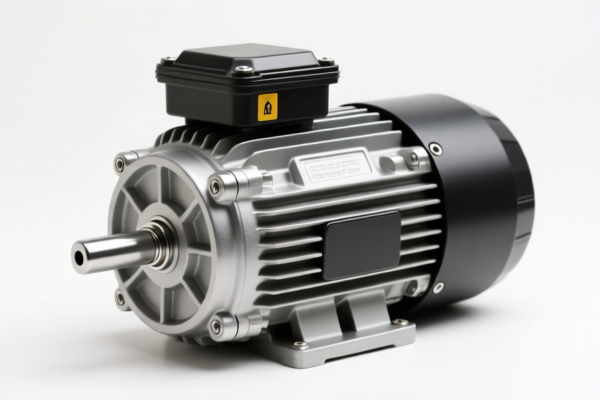
AI Analysis
⚡ Electric Motors & Generators: The Powerhouse Classification Guide | 2026 Customs Clearance Strategy
🌐 HS Code Reference & Customs Guide | 2026 Latest Tariff Analysis | Professional Clearance Strategy
📌 I. Product Definition & Classification: Do You Really Understand "Motors and Generators"?
Electric motors and generators are the heart of industrial automation, renewable energy, and consumer electronics. In international trade, they are often confused, but their classification depends heavily on function, power output, and structure.
Electric Motor (电动机): Converts electrical energy into mechanical energy to drive machinery. Electric Generator (发电机): Converts mechanical energy into electrical energy (often part of a generator set).
⚠️ Critical Distinction:
- If the device is primarily designed to drive a load (pump, fan, compressor) → It is a Motor (HS 8501).
- If the device is primarily designed to generate power (often sold as a set with an engine) → It may be classified as a Generator (HS 8502).
- Confusion Point: Many "generators" are actually motors acting as generators, or vice versa. The key is the principal function and description in commercial invoices.
📦 II. HS Code Classification Details (Based on Provided Data)
| HS Code | Product Description | Application Scenario | Tax Rate (Total) | Key Tax Components |
|---|---|---|---|---|
8502.12.00.00 |
Generator: Matched for generator sets; inferred power range 75 kVA to 375 kVA | Standalone generators, backup power units, industrial generator sets | 37.5% | Base: 2.5% + Section 301: 25% + Section 122: 10% |
8501.31.81.00 |
Generator: Directly corresponds to generator use; no material/form conflict | General-purpose generators, synchronous generators | 37.5% | Base: 2.5% + Section 301: 25% + Section 122: 10% |
8501.32.61.00 |
Generator: Consistent usage; fallback classification under "other" categories | Small to medium generators, asynchronous generators | 37.0% | Base: 2.0% + Section 301: 25% + Section 122: 10% |
8501.32.20.00 |
Motor: Consistent with electric motor use; inferred as motor category | AC/DC motors, induction motors, traction motors | 37.9% | Base: 2.9% + Section 301: 25% + Section 122: 10% |
8501.10.60.80 |
Motor: Fallback category; reasonably inferred as motor products | Universal motors, composite pole motors, small appliances motors | 37.8% | Base: 2.8% + Section 301: 25% + Section 122: 10% |
🔍 Important Note:
- All listed HS codes are subject to US Import Duties due to the significant addition of Section 301 (25%) and Section 122 (10%) tariffs on Chinese-origin goods.
- The "Base Tariff" varies slightly depending on the specific subheading, but the additional tariffs remain constant.
💰 III. 2026 Latest Tariff Rate Breakdown (Including Additional Taxes)
✅ Applicable Country: United States (US)
✅ Origin: China (CN)
✅ Effective Time: Current policy applies (Section 301 and Section 122 tariffs)
🎯 1. 8502.12.00.00 & 8501.31.81.00 —— High-Power Generators (75-375 kVA)
| Item | Details |
|---|---|
| Base Tariff | 2.5% (Ad Valorem) |
| Section 301 Tariff | +25.0% (USITC Footnote 9903.88.01) |
| Section 122 Tariff | +10.0% (IEEPA Section 122, targeting specific goods from China) |
| Total Tariff Rate | 37.5% |
| Tax Calculation | CIF Value × 37.5% |
| De Minimis Exemption | ❌ Not Applicable (High risk of audit) |
| Legal Basis Path | IEEPA:122 → USITC:301 → HS:8502.12.00.00 |
📌 Explanation:
- These codes apply to generators with higher power output.
- The 37.5% rate is critical for cost planning. Even small changes in CIF value significantly impact landed cost.
🎯 2. 8501.32.61.00 —— Medium/Low-Power Generators (Fallback)
| Item | Details |
|---|---|
| Base Tariff | 2.0% |
| Section 301 Tariff | +25.0% |
| Section 122 Tariff | +10.0% |
| Total Tariff Rate | 37.0% |
| Tax Calculation | CIF Value × 37.0% |
| De Minimis Exemption | ❌ Not Applicable |
| Legal Basis Path | IEEPA:122 → USITC:301 → HS:8501.32.61.00 |
📌 Note:
- This code is a "fallback" classification for generators that don't fit higher-specific subheadings.
- Slightly lower base rate (2.0% vs 2.5%) results in a 0.5% total saving compared to8502.12.00.00.
🎯 3. 8501.32.20.00 & 8501.10.60.80 —— Electric Motors
| Item | Details |
|---|---|
| Base Tariff | 2.9% (8501.32.20.00) / 2.8% (8501.10.60.80) |
| Section 301 Tariff | +25.0% |
| Section 122 Tariff | +10.0% |
| Total Tariff Rate | 37.9% (8501.32.20.00) / 37.8% (8501.10.60.80) |
| Tax Calculation | CIF Value × 37.9% / 37.8% |
| De Minimis Exemption | ❌ Not Applicable |
| Legal Basis Path | IEEPA:122 → USITC:301 → HS:8501.xxxx |
📌 Note:
- Motors are generally classified under HS 8501.
- The distinction between8501.32(other motors) and8501.10(universal/composite pole motors) affects the base rate by 0.1%.
🛠️ IV. Customs Clearance Practical Advice (Real-World Pitfall Guide)
✅ 1. Required Documentation Checklist (None Can Be Omitted)
| Document | Mandatory | Description |
|---|---|---|
| ✅ Product Specifications | ✔️ | Must include power (kW/kVA), voltage, frequency, speed, efficiency |
| ✅ Technical Diagrams | ✔️ | To prove if it's a motor or generator (principal function) |
| ✅ Product Photos (with Nameplate) | ✔️ | Clear display of model, brand, input/output parameters |
| ✅ Third-Party Test Reports | ✔️ | UL, CE, RoHS, ENERGY STAR (if applicable) |
| ✅ Commercial Invoice | ✔️ | Clearly state "Electric Motor" or "Generator Set" – be specific |
| ✅ Packing List | ✔️ | Detail if accessories (cables, bases) are included |
✅ 2. Declaration Tips (Key Mnemonic)
🔥 "Function First, Power Clear, Name Accurate, Tax Avoided!"
| Scenario | Correct Declaration | Wrong Practice |
|---|---|---|
| Standalone Generator | 8502.12.00.00 (if 75-375 kVA) |
Misdeclare as "Motor" → Higher risk of audit |
| Motor for Industrial Use | 8501.32.20.00 |
Misdeclare as "Generator" → Wrong HS Code |
| Generator Set (Engine + Generator) | May fall under 8501.31.81.00 or 8502.12.00.00 |
Split declaration → Each item taxed separately (higher cost) |
| Small Appliance Motor | 8501.10.60.80 |
Misdeclare as industrial motor → Base rate difference |
✅ 3. Special Case Handling
| Scenario | Handling Advice |
|---|---|
| OEM Custom Motors/Generators | Provide client order + design drawings. Avoid vague terms like "Electrical Equipment." |
| Generator with Engine (Set) | If the engine is the main value, consider HS 8408/8409, but if generator is primary, use HS 8502. Consult a customs broker. |
| Used Motors/Generators | May require additional inspection. Ensure no environmental hazards (oil, asbestos). |
| High-Voltage Motors | Ensure compliance with safety standards (UL/IEEE). Documentation must reflect voltage class. |
🌍 V. Global Market Clearance Comparison (2026 Latest)
| Country/Region | Recommended HS Code | Tariff (China Origin) | Certification Requirements | Notes |
|---|---|---|---|---|
| 🇺🇸 USA | 8502.12.00.00 / 8501.32.20.00 |
37.5% / 37.9% | UL, CUL, FCC (if electronic control) | High tariffs due to Section 301 & 122 |
| 🇨🇳 China | 8501.32.20.00 |
5-7% | CCC (China Compulsory Certification) | Lower tariff, but strict CCC |
| 🇪🇺 EU | 8501.32.20.00 |
0-2% (MFN) | CE, RoHS, WEEE | No Section 301 tariffs |
| 🇦🇺 Australia | 8501.32.20.00 |
5% | RCM (Regulatory Compliance Mark) | Moderate tariff |
| 🇯🇵 Japan | 8501.32.20.00 |
0-2% | PSE (Product Safety Electrical Appliance) | Low tariff |
📌 Conclusion:
- USA is the most expensive market due to 37%+ tariffs.
- EU, Japan, Australia offer significantly lower tariff barriers.
- Supply Chain Strategy: Consider sourcing from Vietnam, Mexico, or Thailand to avoid US Section 301/122 tariffs.
📌 VI. Common Errors & Pitfall Guide (Lessons Learned)
❌ Error 1: Misclassifying a Generator Set as a Motor.
👉 Consequence: Customs may reclassify, leading to penalties + back taxes.
❌ Error 2: Not specifying Power Range in the invoice.
👉 Consequence: Customs uses fallback codes with potentially higher base rates or stricter scrutiny.
❌ Error 3: Declaring "Electric Machine" without detail.
👉 Consequence: High risk of customs hold for clarification.
❌ Error 4: Ignoring Section 122 Tariff.
👉 Consequence: Unexpected 10% additional tax on top of the 25% Section 301.
✅ Correct Practice:
"Synchronous Generator, 150 kVA, 480V, 3-Phase, Brushless, Model XYZ, UL Certified"
🎯 VII. Conclusion: Professional Declaration, Cost Saving, Efficiency!
🎯 Remember the Mnemonic:
🔹 "Function defines HS, Power sets the Base, 301+122 add 35%, Declare Accurately!"
🔹 "HS Code determines fate, 37% tax is steep, Declare wrong, pay heavy!"
📌 Pro Tip:
If your motors/generators are originally from Vietnam, Mexico, or Thailand, you may be eligible to avoid US Section 301/122 tariffs, reducing the rate to 0-5%.
It is highly recommended to apply for an Advance Ruling with US Customs (CBP) before shipping to avoid clearance risks.
📣 Take Action Now:
📞 Contact a professional customs broker + Provide product specs + Apply for HS Code Advance Ruling
🚀 Let your motors & generators clear smoothly, export efficiently, and maximize profits!
✨ Professional Customs Clearance Starts with Accurate Classification!
💼 Every cent of your cost deserves precise calculation!
Customer Reviews
About HS Code Classification
The Harmonized System (HS) is an internationally standardized nomenclature developed by the World Customs Organization (WCO) to classify traded products. Over 200 countries use the HS system as the basis for customs tariffs, trade statistics, and import/export regulations.
Each HS code follows a hierarchical structure:
- Chapter (2 digits) — Broad category of goods (e.g., Chapter 84: Machinery and Mechanical Appliances)
- Heading (4 digits) — More specific grouping within the chapter
- Subheading (6 digits) — Internationally standardized breakdown, used by all WCO member countries
- National subdivisions (8-10 digits) — Country-specific extensions for further classification, such as US HTSUS 10-digit codes
Correct HS code classification is essential for smooth customs clearance, accurate duty payment, and compliance with trade regulations. Misclassification can lead to customs delays, overpayment of duties, or penalties.
When importing from CN to US, the applicable tariff rates may include:
- Most-Favored-Nation (MFN) rate — The standard duty rate applied to WTO members
- General rate — Applied to countries without trade agreements
- Trade remedy duties — Additional tariffs such as Section 301 (anti-dumping), Section 232 (national security), or countervailing duties
The information provided on this page is for reference purposes only. For official classification, please consult with your local customs authority or a licensed customs broker.