Electric Plastic Roller Blinds
CN → US| HS Code | Tariff Rate | Origin | Destination | Doc |
|---|---|---|---|---|
| 5903902500 | 42.5% | CN | US | Official Doc |
| 5903102500 | 42.5% | CN | US | Official Doc |
| 3926909989 | 22.8% | CN | US | Official Doc |
| 6304930000 | 22.8% | CN | US | Official Doc |
Product Images

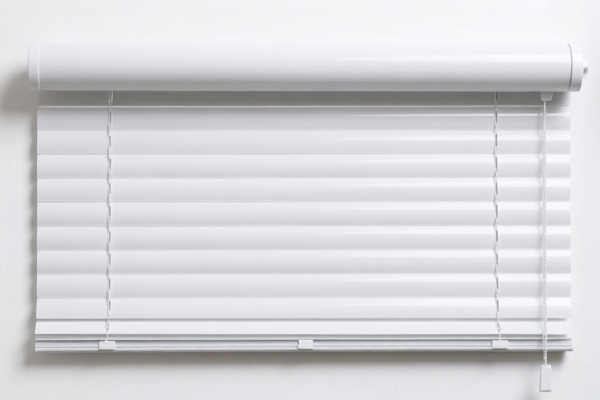
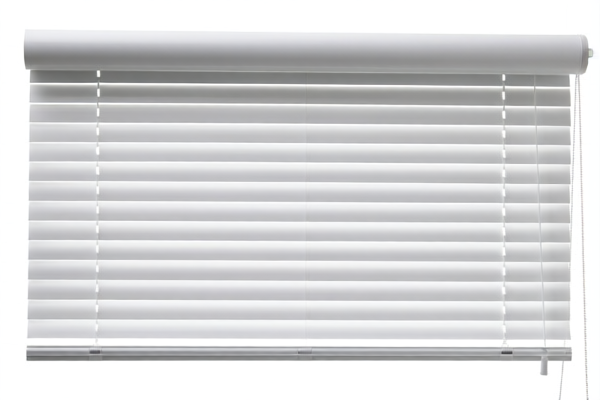
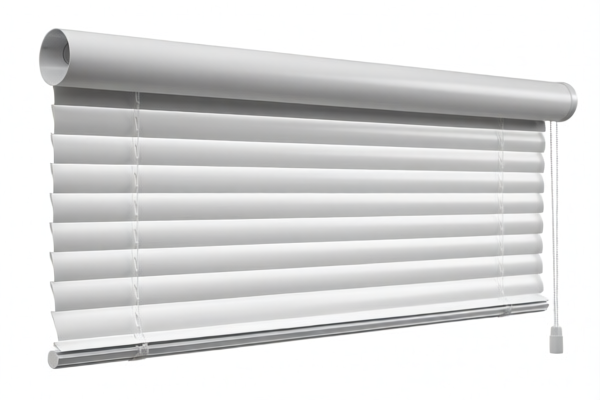
AI Analysis
🏠 Electric Plastic Roller Blinds (Honeycomb/Cellular Shades)
🌐 HS Code Reference & Customs Clearance Guide | 2026 Latest Tariff Analysis | Strategic Entry for US Market
📌 Part 1: Product Definition & Classification – What Are "Electric Plastic Roller Blinds"?
Electric plastic roller blinds, often referred to as honeycomb (cellular) shades, are window covering systems designed to insulate windows and control light. In international trade, the classification depends heavily on the material composition and the manufacturing process (specifically whether they are considered "textile-like" or "plastic articles").
Key Distinction in Classification: * Textile-Like Plastic Fabrics (Chapter 59): If the plastic material (e.g., PVC) is impregnated, coated, or covered with plastic to form a specific functional fabric structure, it may fall under Chapter 59. * Plastic Articles (Chapter 39): If the product is a manufactured plastic item not specifically classified as a textile fabric, it falls under Chapter 39. * Household Textiles/Other (Chapter 63): In some cases, if classified under "other made-up household articles," it might fall here, though less common for pure plastic.
⚠️ Critical Differentiator:
- If the product is PVC-coated fabric or impregnated plastic mesh → Likely Chapter 59.
- If it is a molded or formed plastic screen/curtain → Likely Chapter 39 or 63.
- Electric Motor: The motor is typically declared as an accessory or part of the system, but the primary classification follows the blind material itself.
📦 Part 2: HS Code Classification Details (2026 Latest Tariff Mapping)
| HS Code | Product Description | Material/Feature | Application/Context |
|---|---|---|---|
5903.90.25.00 |
Plastic roller blinds, honeycomb form; non-5902 specific functional fabric category | Plastic, functional fabric structure | Classified as specific functional textile-like plastic |
5903.10.25.00 |
Plastic roller blinds, PVC material; impregnated/coated/laminated textile form | Polyvinyl Chloride (PVC) | Impregnated/coated plastic fabric |
3926.90.99.89 |
Plastic roller blinds; other manufactured plastic articles not elsewhere specified | Plastic, general plastic article | General plastic household article |
6304.93.00.00 |
Plastic roller blinds; synthetic fiber/plastic material; other household articles | Plastic/Synthetic Fiber | Household furnishing article |
🔍 Key Insight:
- Chapter 59 Codes (5903.90.25.00,5903.10.25.00) are typically used when the plastic is treated as a "textile fabric" substitute (impregnated/coated).
- Chapter 39 Code (3926.90.99.89) is used for general plastic articles (e.g., plastic screens/curtains).
- Chapter 63 Code (6304.93.00.00) is a broader category for "other made-up household articles," often used if the product doesn't fit specific plastic or textile definitions precisely.
💰 Part 3: 2026 Latest Tariff Rate Breakdown (Including Additional Duties & Policy Surcharges)
✅ Applicable Country: United States (US)
✅ Country of Origin: China (CN)
✅ Effective Date: From November 10, 2025 (and subsequent imports)
🎯 1. 5903.90.25.00 – Plastic Roller Blinds (Functional Fabric Category)
| Item | Detail |
|---|---|
| Base Tariff Rate | 7.5% (ad valorem) |
| Section 301 Additional Tariff | +25.0% |
| 122 Clause Tariff | +10.0% |
| Total Tariff Rate | 42.5% |
| Tax Calculation | CIF Value × 42.5% |
| De Minimis Eligibility | ❌ Not Eligible (High duty threshold) |
| Legal Basis Path | Base: 5903.90.25.00 → Section 301: 25% → 122 Clause: 10% |
📌 Explanation:
- The base duty is 7.5% for Chapter 59 products.
- Section 301 Tariff (25%) applies to most Chinese-origin goods under this heading.
- 122 Clause Tariff (10%) is an additional surcharge for specific Chinese-origin products under current trade regulations.
- Total: 42.5%. This is a high-cost category. Proper documentation proving the "functional fabric" nature is crucial to avoid misclassification.
🎯 2. 5903.10.25.00 – Plastic Roller Blinds (PVC Impregnated/Coated)
| Item | Detail |
|---|---|
| Base Tariff Rate | 7.5% (ad valorem) |
| Section 301 Additional Tariff | +25.0% |
| 122 Clause Tariff | +10.0% |
| Total Tariff Rate | 42.5% |
| Tax Calculation | CIF Value × 42.5% |
| De Minimis Eligibility | ❌ Not Eligible |
| Legal Basis Path | Base: 5903.10.25.00 → Section 301: 25% → 122 Clause: 10% |
📌 Note:
- Same tariff structure as above.
- Classification depends on whether the PVC is considered "impregnated/coated" (Chapter 59) vs. "general plastic" (Chapter 39).
- If declared as PVC fabric, expect the same 42.5% rate.
🎯 3. 3926.90.99.89 – Plastic Roller Blinds (General Plastic Article)
| Item | Detail |
|---|---|
| Base Tariff Rate | 5.3% (ad valorem) |
| Section 301 Additional Tariff | +7.5% |
| 122 Clause Tariff | +10.0% |
| Total Tariff Rate | 22.8% |
| Tax Calculation | CIF Value × 22.8% |
| De Minimis Eligibility | ❌ Not Eligible |
| Legal Basis Path | Base: 3926.90.99.89 → Section 301: 7.5% → 122 Clause: 10% |
📌 Analysis:
- Base Duty: Only 5.3% for general plastic articles (Chapter 39).
- Section 301: Lower additional tariff of 7.5% (vs. 25% for Chapter 59).
- 122 Clause: Still 10%.
- Total: 22.8%. This is significantly cheaper than Chapter 59 codes.
- Strategy: If the product can be legitimately classified as a general plastic article (e.g., molded plastic screen) rather than a "textile-like fabric," this classification offers a 19.7% savings.
🎯 4. 6304.93.00.00 – Other Household Articles (Plastic/Synthetic)
| Item | Detail |
|---|---|
| Base Tariff Rate | 5.3% (ad valorem) |
| Section 301 Additional Tariff | +7.5% |
| 122 Clause Tariff | +10.0% |
| Total Tariff Rate | 22.8% |
| Tax Calculation | CIF Value × 22.8% |
| De Minimis Eligibility | ❌ Not Eligible |
| Legal Basis Path | Base: 6304.93.00.00 → Section 301: 7.5% → 122 Clause: 10% |
📌 Analysis:
- Same tariff structure as3926.90.99.89.
- Total: 22.8%.
- Use this if the product is considered a "made-up household article" and not specifically a plastic article or textile fabric.
🛠️ Part 4: Customs Clearance Practical Advice (Avoiding Pitfalls)
✅ 1. Documentation Checklist (Mandatory)
| Document | Required? | Notes |
|---|---|---|
| ✅ Product Specification Sheet | ✔️ | Must detail material (PVC, PET, etc.), construction (honeycomb structure), and function (light control/insulation). |
| ✅ Material Composition Proof | ✔️ | Certificate of Analysis or Material Safety Data Sheet (MSDS) to prove if it's "impregnated fabric" (Ch 59) or "molded plastic" (Ch 39). |
| ✅ Product Photos | ✔️ | Clear images of the blind structure, fabric texture, and any plastic components. |
| ✅ Commercial Invoice | ✔️ | Clearly state "Electric Plastic Roller Blinds" or "Honeycomb Shades." Avoid vague terms like "curtain." |
| ✅ Packing List | ✔️ | Include motor/remote if sold together, but ensure they are declared as accessories if possible. |
| ✅ Origin Certificate | ✔️ | To confirm Country of Origin (China) for tariff calculation. |
✅ 2. Classification Strategy (Key Tips)
🔥 "Material Defines Chapter, Structure Defines Subheading!"
| Scenario | Recommended HS Code | Reasoning |
|---|---|---|
| PVC-coated fabric or impregnated mesh | 5903.10.25.00 or 5903.90.25.00 |
Treated as textile-like fabric → 42.5% Tariff. |
| Molded plastic screens or general plastic blinds | 3926.90.99.89 |
General plastic article → 22.8% Tariff. (Recommended for cost saving if applicable). |
| Household furnishing article (mixed material) | 6304.93.00.00 |
Other household article → 22.8% Tariff. |
📌 Critical Warning:
- Do NOT misclassify a "textile-like" plastic blind as a "general plastic" article to save tax. Customs may audit material composition.
- If the plastic is woven or fabric-like, Chapter 59 is more likely correct.
- If the plastic is rigid or formed, Chapter 39 is more likely correct.
✅ 3. Special Considerations
| Issue | Solution |
|---|---|
| Electric Motor Included | Declare motor separately if possible (e.g., as "part of a machine" under Chapter 85), but ensure the main article is classified correctly. If bundled, the whole set follows the main article's classification. |
| Custom Branding | Ensure invoice reflects actual manufacturer and brand. Misleading branding can lead to delays. |
| Pre-Ruling | Strongly Recommended: Apply for an Advance Ruling (CBP Form 5527) to confirm the correct HS Code (Ch 59 vs. Ch 39) before shipment. This reduces audit risk. |
🌍 Part 5: Global Market Comparison (2026)
| Market | Recommended HS Code | Estimated Total Duty (CN Origin) | Notes |
|---|---|---|---|
| 🇺🇸 USA | 5903.90.25.00 / 3926.90.99.89 |
42.5% or 22.8% | High tariffs due to Section 301 & 122 Clause. |
| 🇨🇳 China | 5903.90.25.00 / 3926.90.99.89 |
~5-10% | Lower base duties, no US-style additional tariffs. |
| 🇪🇺 EU | 5903.90.00 / 3926.90.99 |
~5-7% | No Section 301 equivalent; standard MFN rates apply. |
| 🇦🇺 Australia | 5903.90.25.00 / 3926.90.99.89 |
~5% | No significant additional tariffs. |
📌 Conclusion:
- US Market: Tariffs are the biggest cost driver. Choose Chapter 39 if legally possible to save 19.7%.
- Other Markets: Tariffs are manageable. Focus on accurate classification to avoid compliance issues.
📌 Part 6: Common Errors & Pitfalls (Learn from Others' Mistakes)
❌ Error 1: Classifying PVC-coated blinds as "General Plastic" (3926.90.99.89) without proof.
👉 Consequence: Customs may reclassify to Chapter 59 → Back taxes + Penalties (42.5% vs 22.8%).
❌ Error 2: Omitting "Electric" or "Motor" details.
👉 Consequence: Confusion over whether to classify the motor separately → Delays in clearance.
❌ Error 3: Using vague terms like "Window Covering" on the invoice.
👉 Consequence: Customs lacks clarity → Manual inspection required → Shipment delays.
✅ Correct Approach:
"Electric Honeycomb Roller Blinds, Made of Impregnated PVC Fabric, with Motorized Drive System, Model XYZ"
🎯 Part 7: Conclusion – Professional Classification, Cost Optimization!
🎯 Key Takeaways:
🔹 Chapter 59 (Textile-like Plastic): 42.5% Total Duty.
🔹 Chapter 39/63 (General Plastic/Household): 22.8% Total Duty.
🔹 Action: Evaluate if your product can be classified as Chapter 39 to save 19.7%.
🔹 Mandatory: Apply for Advance Ruling if uncertain.
📌 Pro Tip:
If your blinds are originating from Vietnam, Mexico, or Thailand, you may qualify for lower or zero tariffs under USMCA or other FTAs. Always verify Country of Origin for tax optimization.
📣 Immediate Action:
📞 Consult a licensed customs broker.
📄 Submit Product Specifications + Material Composition Proof.
🚀 Classify Correctly, Save Costs, Clear Customs Smoothly!
✨ Precision in Classification, Profit in International Trade!
💼 Every HS Code matters. Get it right from the start.
Customer Reviews
About HS Code Classification
The Harmonized System (HS) is an internationally standardized nomenclature developed by the World Customs Organization (WCO) to classify traded products. Over 200 countries use the HS system as the basis for customs tariffs, trade statistics, and import/export regulations.
Each HS code follows a hierarchical structure:
- Chapter (2 digits) — Broad category of goods (e.g., Chapter 84: Machinery and Mechanical Appliances)
- Heading (4 digits) — More specific grouping within the chapter
- Subheading (6 digits) — Internationally standardized breakdown, used by all WCO member countries
- National subdivisions (8-10 digits) — Country-specific extensions for further classification, such as US HTSUS 10-digit codes
Correct HS code classification is essential for smooth customs clearance, accurate duty payment, and compliance with trade regulations. Misclassification can lead to customs delays, overpayment of duties, or penalties.
When importing from CN to US, the applicable tariff rates may include:
- Most-Favored-Nation (MFN) rate — The standard duty rate applied to WTO members
- General rate — Applied to countries without trade agreements
- Trade remedy duties — Additional tariffs such as Section 301 (anti-dumping), Section 232 (national security), or countervailing duties
The information provided on this page is for reference purposes only. For official classification, please consult with your local customs authority or a licensed customs broker.