Electric Plug in Lock
CN → US| HS Code | Tariff Rate | Origin | Destination | Doc |
|---|---|---|---|---|
| 8301406030 | 23.2% | CN | US | Official Doc |
| 8301406060 | 23.2% | CN | US | Official Doc |
Product Images
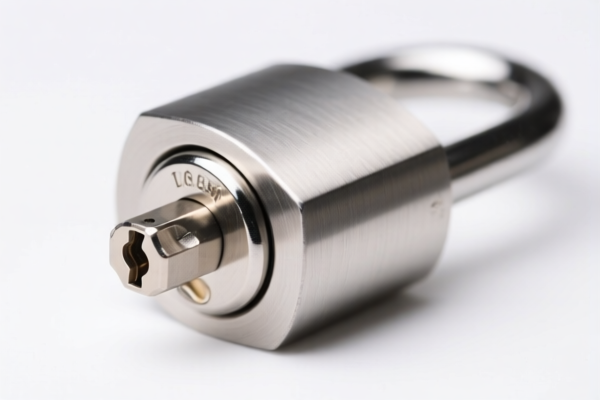
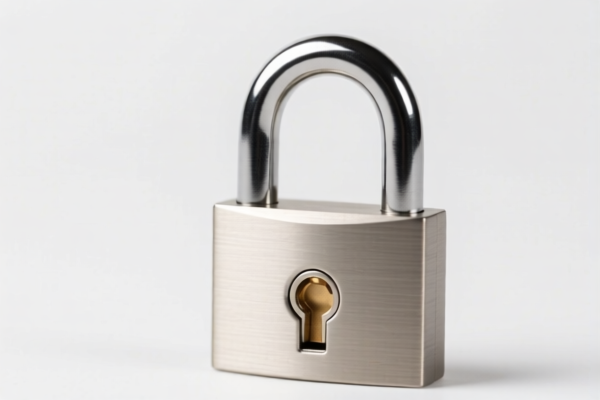
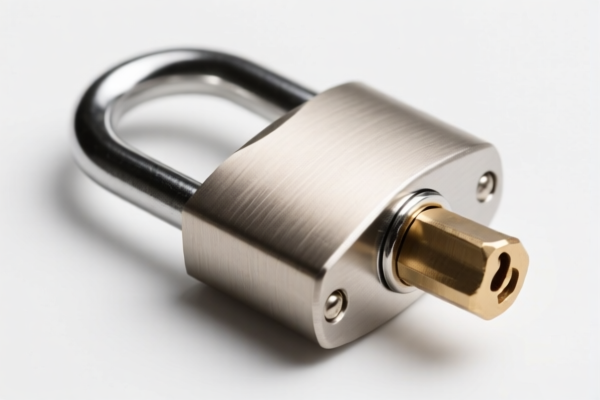
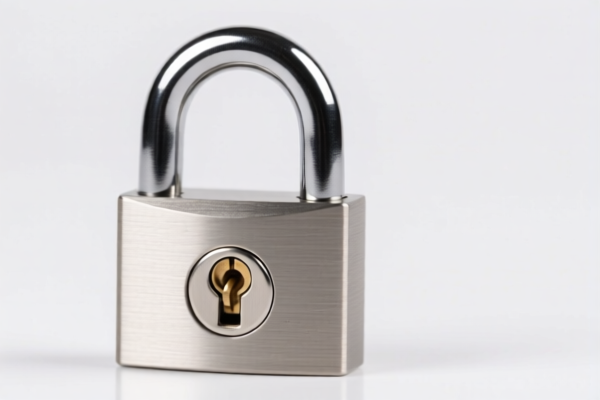
AI Analysis
🔒 Electric Plug-in Locks & Security Hardware (Base Metal)
🌐 HS Code Reference & Clearance Guide | 2026 Latest Tariff Analysis | Professional Customs Strategy
📌 I. Product Definition & Classification: What is an "Electric Plug-in Lock"?
An "Electric Plug-in Lock" in the context of customs classification usually refers to locks, locksets, or locking mechanisms that are constructed primarily of base metal and may include electrical components for operation (key, combination, or electrically operated).
However, it is critical to distinguish between: 1. The Lock Itself: The mechanical/electrical locking mechanism made of base metal. 2. The Electronic Lockset/System: If the product is a complete electronic door locking system with integrated circuits, batteries, and wiring, it might fall under Chapter 85 (Electrical Machinery) or Chapter 90 (Optical/Technical Instruments).
⚠️ Key Distinction Point:
* If the product is primarily a mechanical lock (even if electrically operated for unlocking) made of base metal (zinc, iron, steel, brass), it falls under Chapter 83.
* If the product is a smart lock primarily defined by its electronic components (chips, circuit boards) rather than the metal casing, it may be classified under 8301.90 (parts) or potentially 8517.62 (electronic apparatus) depending on national interpretation.
* For the purpose of this guide, based on the provided <DATA>, we are focusing on the Base Metal Lock classification.
📦 II. HS Code Classification Details (2026 Latest Tariff Authority Comparison)
Based on the provided <DATA>, the specific HS Codes for Door Locks/Locksets of base metal are as follows:
| HS Code | Product Description | Applicable Scenario | Key Feature |
|---|---|---|---|
8301.40.60.30 |
Door locks, locksets, and other locks suitable for use with interior or exterior doors (except garage, overhead, or sliding doors) | Standard residential/commercial door locks, lever handles with integrated locks, mortise locks | ✅ Specific Door Use |
8301.40.60.60 |
Other locks | Padlocks, cabinet locks, lock mechanisms not specifically for interior/exterior doors (e.g., sliding door locks, specialized industrial locks) | ✅ General Purpose |
🔍 Important Note:
- The description "Electric Plug-in Lock" is not a standard HS Code description. You must determine if the lock is specifically for doors (8301.40.60.30) or a general lock (8301.40.60.60). - If the "plug-in" refers to an electrical power connection for an electronic lock mechanism, and the primary material/value is base metal, Chapter 83 is still the most likely correct heading. - Do not classify under 8531 (Indicator/Signaling) or 8517 (Telecommunications) unless the electronic function is the primary character of the goods.
💰 III. 2026 Latest Tariff Rate Detailed Explanation (Including Surtaxes & Policy Surcharge)
✅ Applicable Country: United States (US)
✅ Origin: China (CN)
✅ Effective Date: Current (2024-2026)
🎯 1. 8301.40.60.30 —— Door Locks (Interior/Exterior)
| Item | Content |
|---|---|
| Base Tariff Rate | 0.0% |
| Section 301 Surcharge | 0.0% |
| Total Tax Rate | 0.0% |
| Tax Calculation | CIF Value × 0.0% = $0 |
| De Minimis Eligibility | ✅ Yes (If value ≤ $800) |
| Legal Basis Path | HTSUS:8301.40.60.30 → USITC:0% |
📌 Explanation:
- Door locks of base metal are exempt from the high Section 301 tariffs that affect electronics or certain hardware components. - This is a zero-duty item, making it highly competitive for export to the US.
🎯 2. 8301.40.60.60 —— Other Locks
| Item | Content |
|---|---|
| Base Tariff Rate | 0.0% |
| Section 301 Surcharge | 0.0% |
| Total Tax Rate | 0.0% |
| Tax Calculation | CIF Value × 0.0% = $0 |
| De Minimis Eligibility | ✅ Yes (If value ≤ $800) |
| Legal Basis Path | HTSUS:8301.40.60.60 → USITC:0% |
📌 Explanation:
- Similar to door locks, other base metal locks also enjoy 0% total duty. - No additional IEEPA or Section 301 taxes apply.
🛠️ IV. Customs Clearance Practical Advice (Avoid Pitfalls Guide)
✅ 1. Preparation Material Checklist (None Omitted)
| Material | Must Provide | Explanation |
|---|---|---|
| ✅ Product Specifications | ✔️ | Detailed description: Material (e.g., Zinc Alloy, Brass), Operation (Key/Combination/Electric), Application (Door Type). |
| ✅ Product Photos | ✔️ | Clear images of the lock, key, and any electrical connections. Show scale. |
| ✅ Commercial Invoice | ✔️ | Must state: "Base Metal Lock, Model XYZ, For Interior/Exterior Doors" OR "Other Base Metal Locks". |
| ✅ Customs Declaration Form | ✔️ | Ensure HS Code 8301.40.60.30 or 8301.40.60.60 is correctly selected. |
| ✅ Origin Certificate | ✔️ | Not strictly required for 0% duty, but helpful for audit trail. |
✅ 2. Declaration Tips (Key Mnemonic)
🔥 "Material Matters: Base Metal = Ch 83. Door Specific = .30. Others = .60. Zero Duty!"
| Scenario | Correct Declaration | Wrong Practice |
|---|---|---|
| Door Lock (Electric Mechanism) | 8301.40.60.30 |
Misclassify as "Electronic Device" → Higher Duty Risk |
| Padlock or Cabinet Lock | 8301.40.60.60 |
Misclassify as "Door Lock" → Minor risk, but accuracy is key |
| Smart Lock with Wi-Fi Module | 8301.90 (Parts) or 8517.62? |
RISK! If primarily electronic, may need different classification. Consult customs broker. |
| Plastic Lock | 8301? |
NO! Plastic locks fall under 8301.90 or 3926. Do not use 8301.40 codes. |
✅ 3. Special Handling for "Electric" Features
-
If the lock is "Electric Plug-in":
- If it is a mortise lock with an electric strike or electric motor for unlocking, and the main body is base metal,
8301.40.60.30is typically correct. - Do not describe it as an "Electric Appliance" or "Computer Peripheral."
- Do describe it as: "Electrically Operated Door Lock, Base Metal, Model XYZ."
- If it is a mortise lock with an electric strike or electric motor for unlocking, and the main body is base metal,
-
Certifications:
- UL/ETL Certification: Highly recommended for electric locks in the US to ensure safety compliance (NEC standards).
- FCC: If the lock has wireless communication (Wi-Fi/Bluetooth), FCC certification is mandatory.
- CPSC: If used in residential settings, ensure compliance with Consumer Product Safety Commission standards.
🌍 V. Global Market Comparison (2026 Latest)
| Country/Region | Recommended HS Code | Tariff | Notes |
|---|---|---|---|
| 🇺🇸 United States | 8301.40.60.30 / .60 |
0% | Best market for base metal locks. No 301 tariffs. |
| 🇨🇳 China | 8301.40.60 |
5-10% | Import duties apply. Check local policies. |
| 🇪🇺 European Union | 8301.40 |
3.7% | No anti-dumping duties on locks. CE marking required for electrical parts. |
| 🇬🇧 United Kingdom | 8301.40 |
3.7% | Post-Brexit tariff structure similar to EU. |
| 🇯🇵 Japan | 8301.40 |
3-5% | JIS standard compliance recommended. |
📌 Conclusion:
- The US is the most favorable market for base metal locks due to 0% duty. - Ensure your product is exclusively base metal (or primarily so) to qualify for Chapter 83. - If the product is a complete electronic smart lock system, consider consulting a customs broker for potential Chapter 85 classification, which may have different duties.
📌 VI. Common Errors & Pitfalls (Lessons Learned)
❌ Error 1: Classifying a Smart Lock with Wi-Fi as 8301.40.60.30 without declaring electronic components.
👉 Consequence: Customs may reject the declaration, demand reclassification, or apply higher duties if misdeclared.
Fix: Declare accurately. If primarily electronic, use 8517.62 (but check duty rate).
❌ Error 2: Using "Electric Plug-in Lock" as the product name.
👉 Consequence: Confusion for customs officers.
Fix: Use "Electrically Operated Door Lock, Base Metal".
❌ Error 3: Missing UL/FCC Certifications for electric locks.
👉 Consequence: Product detained at US Customs and Border Protection (CBP) for safety non-compliance.
Fix: Obtain necessary safety certifications before shipping.
✅ Correct Declaration Example:
"Interior Door Lockset, Base Metal, Electrically Operated for Unlatching, Model XYZ, UL Listed, No Electronic Control Circuit"
HS Code:8301.40.60.30
Duty: 0%
🎯 VII. Conclusion: Professional Declaration, Safe & Efficient!
🎯 Remember the Mnemonic:
🔹 "Base Metal Locks = 0% Duty.
Door Specific = .30. Other Locks = .60.
Electric Features? Declare Safety Certs!
Smart Electronics? Check Chapter 85!"
📌 Pro Tip:
If your "Electric Plug-in Lock" includes a battery-powered wireless keypad or Wi-Fi module, consider it a "Smart Lock." While the metal parts are 0% duty, the electronic components might attract scrutiny.
Best Practice:
1. Get Pre-Ruling: Apply for a Customs Ruling Letter from CBP if the product is highly electronic.
2. Certify Safety: UL/ETL for electrical parts, FCC for wireless.
3. Clear Description: Always specify "Base Metal" and "For Doors."
📣 Immediate Action:
📞 Contact Your Customs Broker + Provide Product Photos + Confirm "Primary Character" (Metal vs. Electronics)
🚀 Secure Your 0% Duty Advantage!
✨ Professional Clearance Starts with Precise Classification!
💼 Your Profit Margin Depends on Accurate HS Codes!
Customer Reviews
About HS Code Classification
The Harmonized System (HS) is an internationally standardized nomenclature developed by the World Customs Organization (WCO) to classify traded products. Over 200 countries use the HS system as the basis for customs tariffs, trade statistics, and import/export regulations.
Each HS code follows a hierarchical structure:
- Chapter (2 digits) — Broad category of goods (e.g., Chapter 84: Machinery and Mechanical Appliances)
- Heading (4 digits) — More specific grouping within the chapter
- Subheading (6 digits) — Internationally standardized breakdown, used by all WCO member countries
- National subdivisions (8-10 digits) — Country-specific extensions for further classification, such as US HTSUS 10-digit codes
Correct HS code classification is essential for smooth customs clearance, accurate duty payment, and compliance with trade regulations. Misclassification can lead to customs delays, overpayment of duties, or penalties.
When importing from CN to US, the applicable tariff rates may include:
- Most-Favored-Nation (MFN) rate — The standard duty rate applied to WTO members
- General rate — Applied to countries without trade agreements
- Trade remedy duties — Additional tariffs such as Section 301 (anti-dumping), Section 232 (national security), or countervailing duties
The information provided on this page is for reference purposes only. For official classification, please consult with your local customs authority or a licensed customs broker.