Electric Vehicle Charger Bag
CN → US| HS Code | Tariff Rate | Origin | Destination | Doc |
|---|---|---|---|---|
| 4202920809 | 42.0% | CN | US | Official Doc |
| 4202929336 | 52.6% | CN | US | Official Doc |
| 4202329300 | 52.6% | CN | US | Official Doc |
| 4202321000 | 0.0% | CN | US | Official Doc |
Product Images
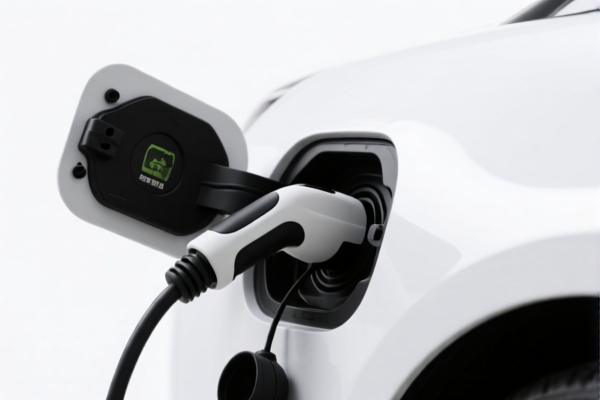
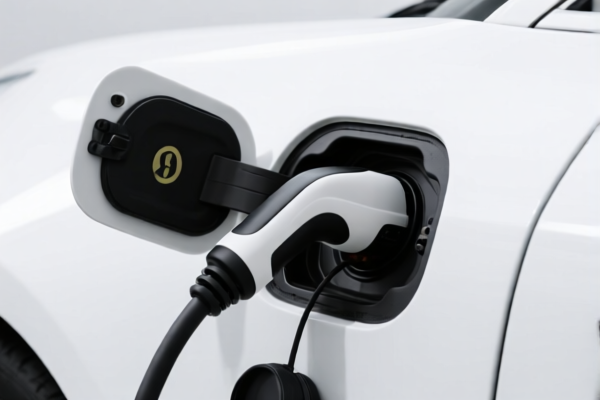
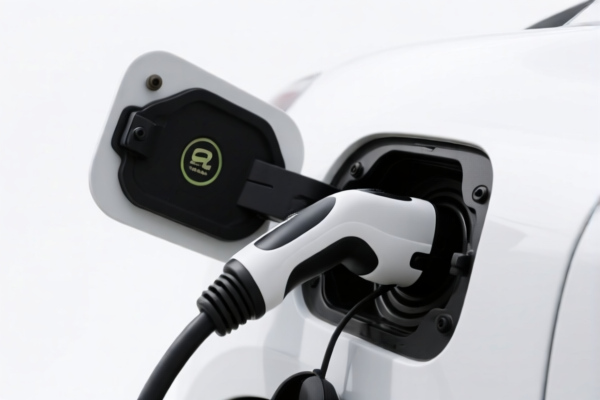
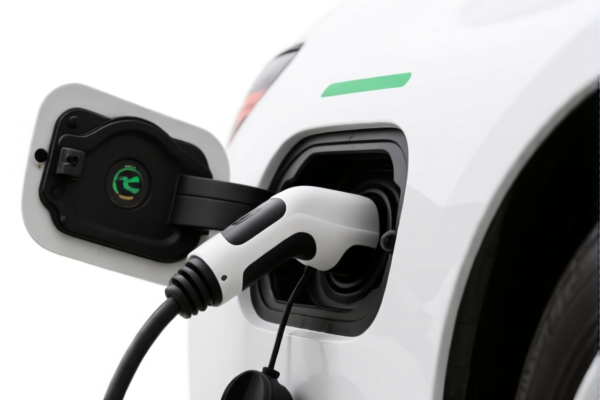
AI Analysis
🔌 Electric Vehicle (EV) Charger Bag
🌐 HS Code Reference & Customs Clearance Guide | 2026 Latest Tariff Analysis | Professional通关 Strategy
📌 Part I: Product Definition & Classification: Do You Really Understand the "EV Charger Bag"?
An Electric Vehicle (EV) Charger Bag is a specialized carrying case designed to transport Level 1 or Level 2 portable EV charging cables and connectors. It is not merely a storage bag but a functional accessory for EV owners. In international trade, its classification depends heavily on its primary function, material, and form.
Key Distinction: * Accessory to a Container: If it is essentially a generic pouch made of textile/plastic meant to hold anything (including EV parts), it falls under "Other containers" or "Other bags." * Specific Utility: While specialized, it rarely gets its own unique HS code under Chapter 42 (Articles of Leather) or 85 (Electrical Machinery). It is typically categorized under 4202 (Trunks, suitcases, handbags, etc.) based on its material and form as a bag/container.
⚠️ Critical Classification Point:
- If the bag is primarily textile-based and used for general carrying → 4202.92.xx or 4202.32.xx.
- The content (EV charger) does not change the classification of the bag itself unless the bag is integral to the charger (e.g., a permanent hard-shell case shipped with the charger as a single unit). If shipped separately, it is a bag.
📦 Part II: HS Code Classification Details (2026 Latest Tariff Authority Comparison)
Based on the provided data, here are the four potential HS Codes for an EV Charger Bag, depending on specific material nuances and regulatory interpretations.
| HS Code | Product Description | Key Characteristics | Estimated Total Tax Rate (China Origin to US) |
|---|---|---|---|
4202.92.08.09 |
Other containers, with outer surface of textile materials | Generic "Catch-all" Category. Suitable if the bag is a simple pouch/tote with textile exterior. | 42.0% |
4202.92.93.36 |
Other bags, with outer surface of textile materials or plastic sheeting | General Bag Category. For bags that don't fit specific handbag/satchel definitions. Fits most soft-sided EV bags. | 52.6% |
4202.32.93.00 |
Other bags, with outer surface of textile materials | Small Containers/Items. Often used for smaller pouches or cases designed to hold specific items. | 52.6% |
4202.32.10.00 |
Trunks, suitcases, handbags, etc. (Specific Textile/Substance) | Higher Duty/Weight-Based. Applies if the bag has specific structural features or falls under a different sub-note. Note: This code often triggers per-kg duties + ad valorem. | 12.1¢/kg + 4.6% + 35.0% |
🔍 Key Takeaway:
- 4202.92.08.09 is often the most competitive for generic textile bags, offering the lowest total tax rate (42.0%) among the ad-valorem options. - 4202.92.93.36 and 4202.32.93.00 carry a higher rate (52.6%), likely due to stricter material verification or specific sub-category definitions. - 4202.32.10.00 is complex, involving both weight-based and value-based tariffs, potentially leading to high costs for heavier bags.
💰 Part III: 2026 Latest Tariff Rate Breakdown (Including Additional Duties & Policies)
✅ Applicable Country: United States (US)
✅ Origin: China (CN)
✅ Effective Date: November 10, 2025 onwards
🎯 1. 4202.92.08.09 —— Other Containers (Textile Exterior) - Recommended for Cost Efficiency
| Item | Details |
|---|---|
| Basic Tariff | 7.0% |
| Section 301 Additional Duty | +25.0% |
| IEEPA Additional Duty | +10.0% (China-specific) |
| Total Tax Rate | 42.0% |
| Calculation Method | CIF Value × 42.0% |
| De Minimis Exemption? | ❌ No (deny_de_minimis). Must be formally entered. |
| Legal Basis Path | IEEPA:9903.01.25 → USITC:4202.92.08.09 |
📌 Explanation:
This is the lowest tariff option among the valid classifications for a textile bag. The 25% Section 301 duty is standard for Chapter 42 goods from China. The additional 10% IEEPA duty further increases the cost. Total 42% is significant but lower than the 52.6% alternative.
🎯 2. 4202.92.93.36 & 4202.32.93.00 —— General Bags (Textile/Plastic)
| Item | Details |
|---|---|
| Basic Tariff | 17.6% |
| Section 301 Additional Duty | +25.0% |
| IEEPA Additional Duty | +10.0% |
| Total Tax Rate | 52.6% |
| Calculation Method | CIF Value × 52.6% |
| De Minimis Exemption? | ❌ No |
| Legal Basis Path | IEEPA:9903.01.25 → USITC:4202.92.93.36 / USITC:4202.32.93.00 |
📌 Explanation:
These codes have a higher base tariff (17.6% vs 7.0%). When combined with the 35% in additional duties, the total cost jumps to 52.6%. Use this only if the bag's material (e.g., specific plastic sheeting) or form strictly requires this classification and cannot be argued under4202.92.08.09.
🎯 3. 4202.32.10.00 —— Specific Bags (Weight + Ad Valorem)
| Item | Details |
|---|---|
| Basic Tariff | 12.1¢/kg + 4.6% |
| Section 301 Additional Duty | +25.0% |
| IEEPA Additional Duty | +10.0% |
| Total Effective Rate | Variable (Depends on weight/value ratio) |
| Calculation Method | (Weight × $0.121) + (CIF × 4.6%) + (CIF × 35%) |
| De Minimis Exemption? | ❌ No |
📌 Explanation:
This is a mixed tariff. For heavy, low-value bags, the per-kg charge can be substantial. For light, high-value bags, the 35% additional duty on the base value dominates. Risk: Unpredictable costs. Avoid unless the bag's specific design mandates this code.
🛠️ Part IV: Customs Clearance Practical Advice (实战避坑指南)
✅ 1. Required Documentation Checklist (Must-Have)
| Document | Required? | Purpose |
|---|---|---|
| ✅ Product Specification Sheet | ✔️ | Detail materials (e.g., "Outer: 600D Polyester, Lining: PVC"), dimensions, capacity. |
| ✅ Material Composition Certificate | ✔️ | Crucial for distinguishing between 4202.92.08 (Textile) and other materials. |
| ✅ Product Photos (Realistic) | ✔️ | Show bag with EV charger inside, empty bag, zippers, handles. Prove it is a "bag." |
| ✅ Commercial Invoice | ✔️ | Clearly state "EV Charger Carrying Bag" not "Charger." Value must reflect bag only. |
| ✅ Packing List | ✔️ | Separate line items if bag and charger are shipped together. |
| ✅ Origin Declaration | ✔️ | Confirm China origin to apply correct IEEPA/301 duties. |
✅ 2. Declaration Strategy (Key Tips)
🔥 "Material is King, Form is Queen. Don't confuse the Bag with the Charger!"
| Scenario | Correct Declaration | Wrong Declaration |
|---|---|---|
| Bag Shipped Separately | HS: 4202.92.08.09Name: "Textile Carrying Bag for EV Charger" |
HS: 8504.40 (Charger)Name: "EV Charger Kit" → Misclassification! |
| Bag + Charger in One Box | Split Lines: 1. HS 4202.92.08.09 - Bag2. HS 8504.40 - Charger |
Single Line HS 8504.40 for both → High Risk of Audit & Penalty. |
| Bag with Plastic Exterior | HS: 4202.92.93.36 |
HS: 4202.92.08.09 → Discrepancy if material is plastic. |
📌 Critical Warning:
- Never classify the bag as an "EV Charger Part" (8504/8543) unless it is permanently attached. Bags are Chapter 42. - Be Precise with Materials: If the outer surface is 90% textile + 10% plastic trim, it is still "Textile" under 4202.92.08.09. If it is a plastic sheet reinforced with fabric, it might fall under 4202.92.93.36. Get your material spec right!
✅ 3. Special Cases & Mitigation
| Situation | Recommendation |
|---|---|
| OEM/Private Label | Ensure invoice lists the bag's value separately from the charger to avoid valuation issues. |
| High-Value Designer Bag | If the bag is a luxury item (e.g., branded leather), re-evaluate under 4202.11 or 4202.12. The provided data focuses on textile/plastic. |
| Kit Packaging | If the bag and charger are a "set" sold together, US CBP may apply the Essential Character Rule. The bag is usually essential for portability, but the charger is the functional core. Risk: They may try to classify the whole kit under the Charger HS code (8504.40). Counter-argument: The bag is a reusable, independent accessory. Ship separately if possible. |
| De Minimis (Section 321) | ❌ Not Applicable. EV chargers and their bags are explicitly excluded from the $800 de minimis exemption for China-origin goods. Formal entry is mandatory. |
🌍 Part V: Global Market Comparison (2026 Overview)
| Market | Recommended HS Code (Bag) | Base Duty | Additional Duties (China) | Total Est. | Notes |
|---|---|---|---|---|---|
| 🇺🇸 USA | 4202.92.08.09 |
7.0% | +35.0% (301+IEEPA) | 42.0% | Highest barrier. Cost-sensitive. |
| 🇨🇳 China | 4202.92.08.09 |
18.0% | None | 18.0% | Import duty for domestic sale. |
| 🇪🇺 EU | 4202.92.08 |
4.0% | None | 4.0% | No Section 301 equivalent. Much cheaper. |
| 🇬🇧 UK | 4202.92.08 |
4.0% | None | 4.0% | Post-Brexit tariff structure favors imports. |
| 🇨🇦 Canada | 4202.92.08 |
0% (CUSMA) | None | 0% | If from Mexico/US. If from China, ~18%. |
📌 Strategic Insight:
- The US market is the most expensive for EV charger bags due to Section 301 and IEEPA tariffs. - Diversify Supply Chain: Consider manufacturing bags in Vietnam, Thailand, or Mexico to avoid the 35% additional US duties. - EU/UK Market offers significantly better margins. If you are selling globally, consider regional packaging (e.g., bags made in EU for EU customers).
📌 Part VI: Common Mistakes & Pitfalls (Lessons Learned)
❌ Mistake 1: Classifying the bag as "Part of the Charger" (8504.40)
👉 Consequence: CBP may reject it, requiring re-classification to 4202, leading to back duties and penalties.
❌ Mistake 2: Ignoring the "Textile" vs "Plastic" distinction
👉 Consequence: Misusing 4202.92.08 for a plastic bag leads to audits and potential fraud allegations.
❌ Mistake 3: Assuming De Minimis ($800) applies
👉 Consequence: Shipment seizure. China-origin EV chargers/bags are excluded from Section 321.
❌ Mistake 4: Undervaluing the bag in a Kit
👉 Consequence: CBP will use the World Customs Organization (WCO) valuation rules to assign a value, likely higher than your invoice, resulting in underpayment penalties.
✅ Correct Approach:
"Separate Declaration. Textile Material. Explicit Description. Pre-Ruling if Possible."
🎯 Part VII: Conclusion: Professional Classification, Lower Costs, Smoother Clearance
🎯 Remember:
🔹 "Bag is Bag (Ch 42), Charger is Charger (Ch 85)."
🔹 "Textile Bag = 42.0% Total Duty. Plastic Bag = 52.6%."
🔹 "De Minimis is Dead for China. Formal Entry is Mandatory."
📌 Pro Tip:
If your EV Charger Bag is made in Vietnam or Malaysia, you may avoid the 25% Section 301 and 10% IEEPA duties. Check CUSMA/USMCA rules if shipping to US from Mexico.
Action:
📞 Contact a licensed customs broker to file a Pre-Ruling (CF 511) for your specific bag material.
🚀 Optimize your supply chain to reduce tariff exposure.
✨ Precise Classification Starts with Accurate Data!
💼 Every percentage point saved is pure profit!
Customer Reviews
About HS Code Classification
The Harmonized System (HS) is an internationally standardized nomenclature developed by the World Customs Organization (WCO) to classify traded products. Over 200 countries use the HS system as the basis for customs tariffs, trade statistics, and import/export regulations.
Each HS code follows a hierarchical structure:
- Chapter (2 digits) — Broad category of goods (e.g., Chapter 84: Machinery and Mechanical Appliances)
- Heading (4 digits) — More specific grouping within the chapter
- Subheading (6 digits) — Internationally standardized breakdown, used by all WCO member countries
- National subdivisions (8-10 digits) — Country-specific extensions for further classification, such as US HTSUS 10-digit codes
Correct HS code classification is essential for smooth customs clearance, accurate duty payment, and compliance with trade regulations. Misclassification can lead to customs delays, overpayment of duties, or penalties.
When importing from CN to US, the applicable tariff rates may include:
- Most-Favored-Nation (MFN) rate — The standard duty rate applied to WTO members
- General rate — Applied to countries without trade agreements
- Trade remedy duties — Additional tariffs such as Section 301 (anti-dumping), Section 232 (national security), or countervailing duties
The information provided on this page is for reference purposes only. For official classification, please consult with your local customs authority or a licensed customs broker.