Electric Vehicle Parts
CN → US| HS Code | Tariff Rate | Origin | Destination | Doc |
|---|---|---|---|---|
| 8708295160 | 0.0% | CN | US | Official Doc |
| 8512202080 | 35.0% | CN | US | Official Doc |
| 8708106050 | 87.5% | CN | US | Official Doc |
| 8512909000 | 37.5% | CN | US | Official Doc |
| 8302496055 | 90.7% | CN | US | Official Doc |
Product Images
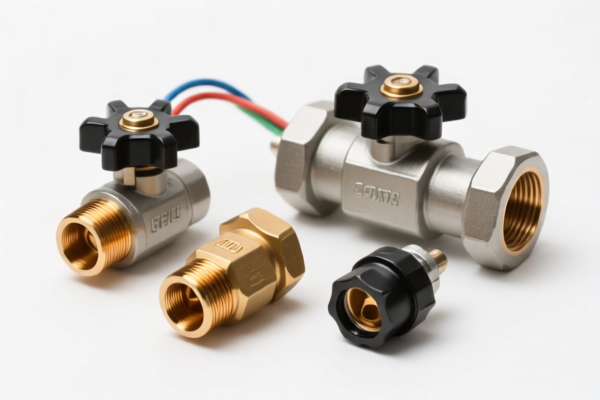
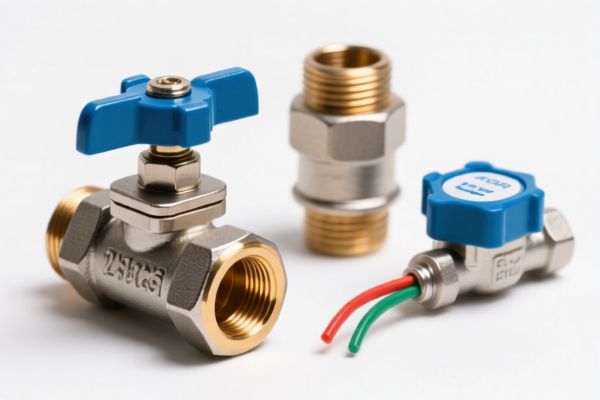
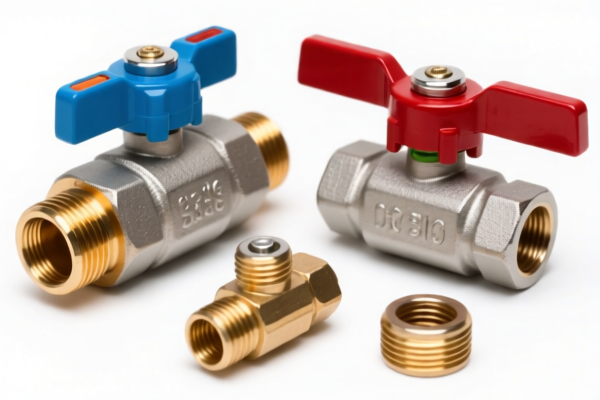
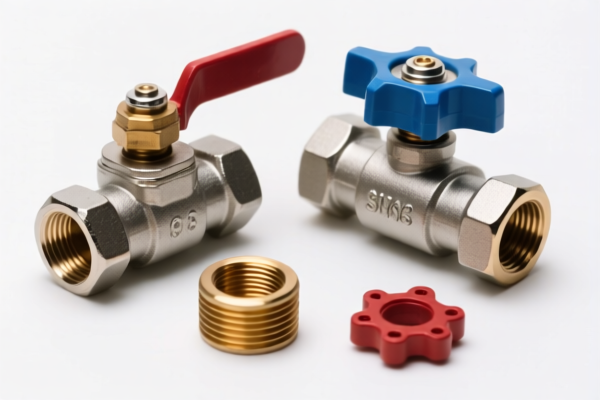
AI Analysis
🔋 Electric Vehicle (EV) Parts: HS Code Classification & Customs Clearance Guide (2026)
🌐 HS Code Reference & Clearance Strategy | 2026 Latest Tariff Analysis | Professional Compliance Guide
📌 I. Product Definition & Classification: Are Your EV Parts Truly "Auto Parts"?
Electric Vehicle (EV) components are complex and often misunderstood in customs classification. Unlike traditional internal combustion engine (ICE) vehicles, EVs rely heavily on specialized electrical, electronic, and structural components. Misclassification can lead to massive tariff shocks due to Section 301 and IEEPA duties.
Key Distinction Categories: * Structural/Mechanical Parts: Body panels, brackets, mounts, hinges. * Electrical/Electronic Parts: Lighting, signaling devices, wiring harnesses, sensors. * General/Undetermined Parts: Accessories not specifically described elsewhere.
⚠️ Critical Warning:
- If the part is a body component (metal/plastic), it falls under 8708.
- If it is a lighting/signal device, it falls under 8512.
- If it is a general accessory with unclear material/shape, it may fall under 8302 or 8512.90.
- Material Matters: Steel, aluminum, and copper components attract additional 50% duties under the "122 Clause"!
📦 II. HS Code Classification Details (2026 Latest Tariff Authority)
Based on your product input ("Electric Vehicle Parts"), here are the five most likely HS Codes and their rationale, strictly derived from the provided data.
| HS Code | Product Description | Summary & Classification Logic | Total Tax Rate (China Origin → US) |
|---|---|---|---|
| 8708.29.51.60 | Body Parts & Accessories | Classified under "Body Parts & Accessories." No material conflict. | 87.5% |
| 8512.20.20.80 | Lighting/Signal Devices | EV lighting/signaling equipment. No material/shape conflict. | 35.0% |
| 8708.10.60.50 | General Vehicle Parts | Name unspecified; tends to fit "Parts & Accessories." | 87.5% |
| 8512.90.90.00 | Other Electrical Parts | "Catch-all" for other EV electrical parts. Consistent usage, no material conflict. | 37.5% |
| 8302.49.60.55 | Mounts & Fittings | Installation parts/accessories. Inferred metal material. | 90.7% |
🔍 Key Insight:
- 8708.29.51.60 & 8708.10.60.50: Both are Body/General Parts. They attract the highest combined duties (87.5%) due to the 122 Clause (Steel/Aluminum/Copper).
- 8512 Series: Lighting and Electrical parts are generally cheaper (35-37.5%) but still heavily taxed.
- 8302.49.60.55: Mounts/Fittings are often metal, triggering the highest duty (90.7%).
💰 III. 2026 Tariff Rate Breakdown (Detailed Tax Clauses)
✅ Applicable Country: USA (US)
✅ Origin: China (CN)
✅ Effective Date: November 10, 2025 onwards
🎯 1. 8708.29.51.60 & 8708.10.60.50 – Body & General Parts
⚠️ HIGH TARIFF ALERT: 87.5% Total
| Item | Rate | Source |
|---|---|---|
| Base Tariff | 2.5% | Standard MFN Rate |
| Section 301 Duty | +25.0% | USITC Footnote 9903.88.01 (China Goods) |
| 122 Clause (Steel/Al/Cu) | +50.0% | Critical! If material is steel, aluminum, or copper |
| IEEPA Duty | +10.0% | International Emergency Economic Powers Act |
| Total Effective Rate | 87.5% | 2.5 + 25 + 50 + 10 = 87.5% |
📌 Explanation:
- The 122 Clause is the game-changer. If your body part (e.g., bumper, bracket, hood) is made of steel or aluminum, you pay an additional 50%.
- This makes EV body parts extremely expensive to import into the US.
- No de minimis exemption applies.
🎯 2. 8512.20.20.80 – Lighting & Signal Devices
💡 MODERATE TARIFF: 35.0% Total
| Item | Rate | Source |
|---|---|---|
| Base Tariff | 0.0% | Standard MFN Rate |
| Section 301 Duty | +25.0% | USITC Footnote 9903.88.01 |
| IEEPA Duty | +10.0% | International Emergency Economic Powers Act |
| Total Effective Rate | 35.0% | 0 + 25 + 10 = 35.0% |
📌 Explanation:
- Lighting parts (LED headlamps, taillights, indicators) do not typically trigger the 122 Clause (unless they are purely metal housings, but the classification focuses on function).
- Cheaper than body parts, but still high due to 301 & IEEPA.
🎯 3. 8512.90.90.00 – Other Electrical Parts
🔌 MODERATE TARIFF: 37.5% Total
| Item | Rate | Source |
|---|---|---|
| Base Tariff | 2.5% | Standard MFN Rate |
| Section 301 Duty | +25.0% | USITC Footnote 9903.88.01 |
| IEEPA Duty | +10.0% | International Emergency Economic Powers Act |
| Total Effective Rate | 37.5% | 2.5 + 25 + 10 = 37.5% |
📌 Explanation:
- This is a "catch-all" for other EV electrical components (e.g., wiring, connectors, sensors).
- Similar to lighting, but base duty is higher (2.5%).
🎯 4. 8302.49.60.55 – Mounts, Brackets & Fittings
🔩 HIGHEST TARIFF: 90.7% Total
| Item | Rate | Source |
|---|---|---|
| Base Tariff | 5.7% | Standard MFN Rate |
| Section 301 Duty | +25.0% | USITC Footnote 9903.88.01 |
| 122 Clause (Steel/Al/Cu) | +50.0% | Critical! Metal material assumed |
| IEEPA Duty | +10.0% | International Emergency Economic Powers Act |
| Total Effective Rate | 90.7% | 5.7 + 25 + 50 + 10 = 90.7% |
📌 Explanation:
- Mounts, hinges, and brackets are typically metal.
- High base duty (5.7%) + 122 Clause (50%) = 90.7%.
- Avoid if possible; consider plastic alternatives if design allows.
🛠️ IV. Customs Clearance Practical Advice
✅ 1. Documentation Checklist (Mandatory)
| Document | Required? | Notes |
|---|---|---|
| Product Specification Sheet | ✅ Yes | Must detail material (e.g., "Aluminum Alloy"), function, and dimensions. |
| Material Composition Certificate | ✅ Yes | Critical for 122 Clause. Prove if it’s steel, aluminum, or copper. |
| Commercial Invoice | ✅ Yes | Must clearly state "Electric Vehicle Part" and HS Code. |
| Packing List | ✅ Yes | Separate body parts from electrical parts to avoid confusion. |
| Technical Drawing/Photo | ✅ Yes | Show if it’s a lighting device, body panel, or mount. |
| FCC/CE Certification | ✅ Yes | For electrical parts (8512 series). |
✅ 2. Classification Strategy & Pitfalls
| Scenario | Correct HS Code | Tariff | Common Mistake |
|---|---|---|---|
| Aluminum Bumper | 8708.29.51.60 |
87.5% | Misclassifying as "Plastic Part" → Fraud Risk |
| LED Headlight | 8512.20.20.80 |
35.0% | Misclassifying as "General Part" → 87.5% |
| Steel Bracket | 8302.49.60.55 |
90.7% | Not declaring material → Heavy Penalty |
| Wiring Harness | 8512.90.90.00 |
37.5% | Misclassifying as "Body Part" → 87.5% |
| Plastic Trim | 8708.29.51.60 |
37.5%* | *If no 122 Clause, rate may drop! |
🔥 Golden Rule:
"Material Defines the 122 Clause, Function Defines the HS Code!"
- If it’s Steel/Aluminum/Copper → Expect 50% Extra.
- If it’s Plastic/Rubber → No 122 Clause, lower duty.
✅ 3. Special Considerations
- Pre-Ruling: Apply for an Advance Ruling from CBP to confirm HS Code and duty rate.
- Supply Chain Diversification: Consider sourcing body parts from Vietnam, Mexico, or Thailand to avoid Section 301 & IEEPA duties.
- Material Substitution: For brackets/mounts, consider high-strength plastic or composite materials to avoid the 122 Clause.
🌍 V. Global Market Comparison (2026)
| Market | Recommended HS Code | Tariff (China) | Notes |
|---|---|---|---|
| 🇺🇸 USA | 8708.29.51.60 / 8512.20.20.80 |
35% - 90.7% | High duties due to 301, IEEPA, and 122 Clause. |
| 🇪🇺 EU | Varies | 0% - 10% | No Section 301. CE Certification required. |
| 🇨🇳 China | Varies | 2.5% - 5% | Low duties. CCC Certification required for EV parts. |
| 🇲🇽 Mexico | Varies | 0% (Under USMCA) | If assembled in Mexico, can enter US duty-free. |
📌 Conclusion:
- USA is the most expensive market for EV parts from China.
- EU and China offer much lower duties.
- Mexico/Vietnam are strategic hubs to avoid US tariffs.
📌 VI. Common Errors & Avoidance Strategies
❌ Error 1: Classifying Aluminum Brackets as "General Plastic Parts"
👉 Consequence: 50% underpayment → Seizure & Penalty.
❌ Error 2: Classifying LED Headlights as "General Electrical Parts"
👉 Consequence: Higher duty (37.5% vs 35%), minor financial loss.
❌ Error 3: Ignoring Material Composition
👉 Consequence: If material is steel, you pay 50% extra (122 Clause).
✅ Correct Approach:
"Aluminum EV Body Panel, Model XYZ, FCC/CE Certified, Origin China"
→ HS Code:8708.29.51.60
→ Duty: 87.5%
🎯 VII. Conclusion: Professional Classification Saves Millions!
🎯 Key Takeaways:
1. Identify Material: Steel/Aluminum/Copper = 50% Extra Duty.
2. Identify Function: Lighting = 8512, Body = 8708, Mounts = 8302.
3. Check 122 Clause: If metal, expect 90.7% max duty.
4. Document Everything: Material certificates are mandatory.
📌 Pro Tip:
"If your EV part is plastic, you save 50%.
If it’s electrical, you pay 35-37.5%.
If it’s metal body/mount, you pay 87.5-90.7%."
📣 Action Item:
📞 Contact a Customs Broker to verify material composition.
📋 Apply for Pre-Ruling before shipping.
🌍 Consider Sourcing from Non-China Origins for metal parts.
✨ Precision in Classification, Profit in Trade!
💼 Don’t let 90% duties kill your EV business!
Customer Reviews
About HS Code Classification
The Harmonized System (HS) is an internationally standardized nomenclature developed by the World Customs Organization (WCO) to classify traded products. Over 200 countries use the HS system as the basis for customs tariffs, trade statistics, and import/export regulations.
Each HS code follows a hierarchical structure:
- Chapter (2 digits) — Broad category of goods (e.g., Chapter 84: Machinery and Mechanical Appliances)
- Heading (4 digits) — More specific grouping within the chapter
- Subheading (6 digits) — Internationally standardized breakdown, used by all WCO member countries
- National subdivisions (8-10 digits) — Country-specific extensions for further classification, such as US HTSUS 10-digit codes
Correct HS code classification is essential for smooth customs clearance, accurate duty payment, and compliance with trade regulations. Misclassification can lead to customs delays, overpayment of duties, or penalties.
When importing from CN to US, the applicable tariff rates may include:
- Most-Favored-Nation (MFN) rate — The standard duty rate applied to WTO members
- General rate — Applied to countries without trade agreements
- Trade remedy duties — Additional tariffs such as Section 301 (anti-dumping), Section 232 (national security), or countervailing duties
The information provided on this page is for reference purposes only. For official classification, please consult with your local customs authority or a licensed customs broker.