Electrical Connector
CN → US| HS Code | Tariff Rate | Origin | Destination | Doc |
|---|---|---|---|---|
| 8536694010 | 35.0% | CN | US | Official Doc |
| 8538908160 | 38.5% | CN | US | Official Doc |
| 8544429090 | 87.6% | CN | US | Official Doc |
| 8538908140 | 38.5% | CN | US | Official Doc |
| 8544429010 | 87.6% | CN | US | Official Doc |
Product Images
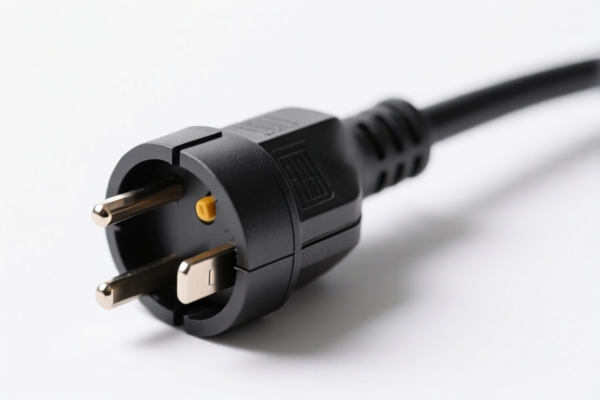
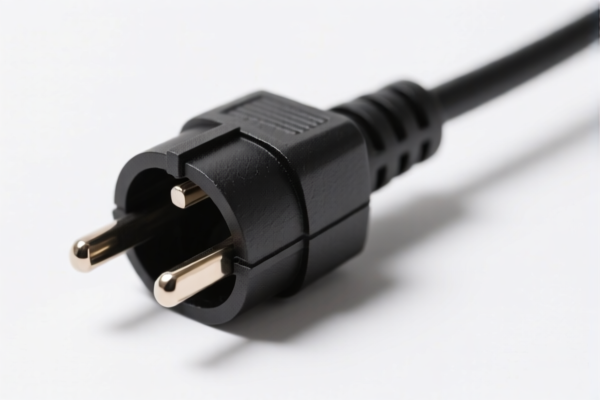
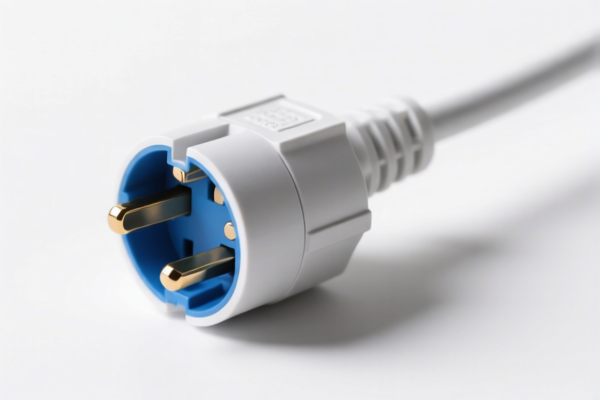
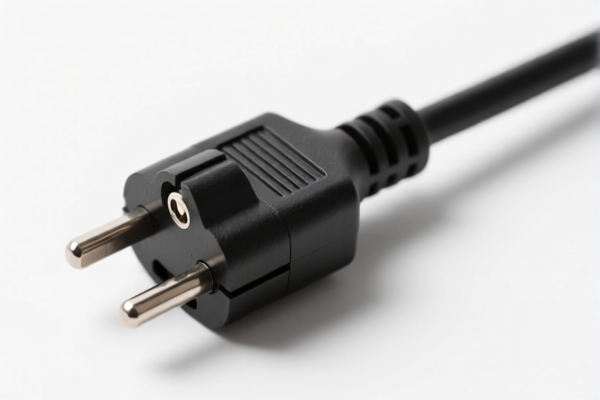
AI Analysis
🔌 Electrical Connectors (Cable Connectors)
🌐 HS Code Reference & Customs Clearance Guide | 2026 Latest Tariff Analysis | Professional Clearance Strategy
📌 I. Product Definition & Classification: Do You Really Understand "Electrical Connectors"?
Electrical connectors, specifically cable connectors, are critical components in industrial, automotive, and consumer electronics. In international trade, their classification depends heavily on their specific function, structure, and intended use.
There are three primary categories for cable connectors under the Harmonized System (HS):
- Coaxial Connectors: Used for high-frequency signal transmission (e.g., TV, internet, radio).
- Parts of Switching Apparatus: Connectors that are integral parts of switches, control panels, or distribution boards.
- Insulated Conductors: Cables/wires that come pre-fitted with connectors at the ends (e.g., power cords with plugs).
⚠️ Key Distinction Points:
- If it is a standalone connector for coaxial cables (like F-type or BNC) → It falls under 8536.69.
- If it is a part of a larger electrical assembly (like a terminal block or switch component) → It falls under 8538.90.
- If it is an insulated wire/cable with connectors attached (like a power cord) → It falls under 8544.42.
📦 II. HS Code Classification Details (2026 Latest Tariff Authority Comparison)
| HS Code | Product Description | Applicable Scenario | Key Feature |
|---|---|---|---|
8536.69.40.10 |
Cable Connectors, matching coaxial connector use | TV antennas, RF equipment, signal transmission | Coaxial type; standalone connector |
8538.90.81.60 |
Cable Connectors, parts of switching apparatus & control panels | Industrial control cabinets, power distribution switches | Component part; no insulation/wire included |
8544.42.90.90 |
Cable Connectors, insulated conductors with connectors | Pre-assembled power cables, appliance leads | Insulated wire + connector; finished wiring |
8538.90.81.40 |
Cable Connectors, parts of electrical connection devices | Terminal blocks, busbar connectors, generic electrical parts | Component part; generic electrical connection |
8544.42.90.10 |
Cable Connectors, insulated conductors with terminals | Metal-clad or copper/aluminum heavy-duty cables with plugs | Insulated wire + terminal; specific material constraints |
🔍 Critical Reminder:
- Do not mix "Connector Only" vs. "Cable with Connector":
- A bare connector (no wire) is classified under 8536 or 8538.
- A cable with connectors on both ends is classified under 8544.
- Material Matters for 8544: Connectors on steel, aluminum, or copper conductors may trigger additional 50% tariffs on top of standard rates.
💰 III. 2026 Latest Tariff Rate Details (Including Surtaxes, Policy Add-ons)
✅ Applicable Country: United States (US)
✅ Origin: China (CN)
✅ Effective Date: 2025年11月10日起 (Includes subsequent imports)
🎯 1. 8536.69.40.10 —— Cable Connectors (Coaxial Type)
| Item | Content |
|---|---|
| Base Tariff | 0.0% (Ad Valorem) |
| Section 301 Surcharge | +25.0% |
| Section 122 Surcharge | +10.0% |
| Total Tax Rate | 35.0% |
| Tax Calculation | CIF Value × 35% |
| De Minimis Eligibility | ❌ No (Denied) |
| Legal Basis Path | Base:0% → Sec301:25% → Sec122:10% → Total:35% |
📌 Explanation:
- 0% Base: Coaxial connectors often enjoy zero base duty.
- 35% Total: This is a high effective rate due to the combination of Section 301 and Section 122 tariffs.
- Note: Even if the base is 0%, the surcharges apply fully.
🎯 2. 8538.90.81.60 & 8538.90.81.40 —— Cable Connectors (Parts of Switching/Control Apparatus)
| Item | Content |
|---|---|
| Base Tariff | 3.5% (Ad Valorem) |
| Section 301 Surcharge | +25.0% |
| Section 122 Surcharge | +10.0% |
| Total Tax Rate | 38.5% |
| Tax Calculation | CIF Value × 38.5% |
| De Minimis Eligibility | ❌ No (Denied) |
| Legal Basis Path | Base:3.5% → Sec301:25% → Sec122:10% → Total:38.5% |
📌 Note:
- Both8538.90.81.60(Switching Apparatus Parts) and8538.90.81.40(Electrical Connection Parts) share the same tax structure.
- These are classified as parts/components, not finished goods, but the high surcharges still apply.
🎯 3. 8544.42.90.90 & 8544.42.90.10 —— Insulated Conductors with Connectors (Pre-assembled Cables)
| Item | Content |
|---|---|
| Base Tariff | 2.6% (Ad Valorem) |
| Section 301 Surcharge | +25.0% |
| Section 122 Surcharge | +10.0% |
| Steel/Aluminum/Copper Surcharge | +50.0% (If material specific) |
| Total Tax Rate (Standard) | 87.6% |
| Total Tax Rate (Metallic Specific) | 137.6% |
| Tax Calculation | CIF Value × Rate |
| De Minimis Eligibility | ❌ No (Denied) |
| Legal Basis Path | Base:2.6% → Sec301:25% → Sec122:10% → Metal:50% → Total:87.6% or 137.6% |
📌 Warning:
- High Risk Category: Insulated conductors (cables) are heavily scrutinized.
- Material Clause: If the conductor is made of steel, aluminum, or copper, an additional 50% tariff is applied.
- Standard Total: 87.6% (2.6% + 25% + 10%).
- Metallic Total: 137.6% (2.6% + 25% + 10% + 50%).
- This is the highest tax bracket for connectors. Avoid misclassifying standalone connectors as cables to escape this, but ensure accurate declaration.
🛠️ IV. Customs Clearance Practical Advice (Real-World Pitfall Avoidance Guide)
✅ 1. Preparation Checklist (Non-negotiable)
| Document | Mandatory | Explanation |
|---|---|---|
| ✅ Product Specifications | ✔️ | Must specify: Connector type (Coaxial, Terminal, etc.), Material (Copper, Aluminum, Plastic), Application. |
| ✅ Technical Diagrams | ✔️ | Differentiate between "Connector Only" and "Cable with Connector". |
| ✅ Product Photos | ✔️ | Clear images of connectors, ends, and any insulation. |
| ✅ Commercial Invoice | ✔️ | Must state "Cable Connectors" and specific HS Code. Do NOT use vague terms like "Electronic Parts". |
| ✅ Packing List | ✔️ | Clearly separate if items are sold as kits vs. individual components. |
✅ 2. Declaration Tips (Key Mnemonics)
🔥 "Function Defines Code, Material Defines Tax, Don't Split, Don't Hide!"
| Scenario | Correct Declaration | Wrong Practice |
|---|---|---|
| Coaxial Connector (e.g., BNC, F-Connector) | 8536.69.40.10 |
Misdeclare as 8538 part → Risk of audit |
| Terminal Block / Switch Part | 8538.90.81.60 / 8538.90.81.40 |
Misdeclare as 8544 cable → Massive tax difference |
| Power Cord with Plug (Pre-terminated) | 8544.42.90.90 / 8544.42.90.10 |
Misdeclare as 8536 connector → 87.6% vs 35% risk |
| Copper/Aluminum Cable with Connector | 8544.42.90.10 + 50% surcharge |
Omit material info → Seizure/Fine |
✅ 3. Special Case Handling
| Scenario | Handling Advice |
|---|---|
| OEM Custom Connectors | Provide customer drawings + BOM (Bill of Materials) to prove specific use. |
| Mixed Containers | If a container has both coaxial connectors (35%) and power cords (87.6%), declare separately. Do not average the HS codes. |
| Material Declaration | For 8544 codes, explicitly state conductor material. If it's copper, expect the 50% surcharge. |
| Pre-assembled vs. Kit | A "connector kit" with separate wires and connectors should be declared by component type if possible, or as a set. If it's a single insulated cable with ends, it's 8544. |
🌍 V. Global Market Comparison (2026 Latest)
| Country/Region | Recommended HS Code | Tariff (China Origin) | Certification Required | Notes |
|---|---|---|---|---|
| 🇺🇸 USA | 8536.69.40.10 / 8538.90.81.60 / 8544.42.90.90 |
35%, 38.5%, or 87.6% | UL, FCC (if RF) | Highest surcharges; 122 & 301 apply. |
| 🇨🇳 China | 8536.69 / 8538.90 / 8544.42 |
0% - 5% | CCC (if applicable) | Low import duty; no surcharges. |
| 🇪🇺 EU | 8536.69 / 8538.90 / 8544.42 |
0% - 2.5% | CE, RoHS | No trade wars; low standard tariffs. |
| 🇬🇧 UK | 8536.69 / 8538.90 / 8544.42 |
0% - 2.5% | UKCA, CE | Post-Brexit rules; stable rates. |
| 🇯🇵 Japan | 8536.69 / 8538.90 / 8544.42 |
0% - 3% | PSE (if electrical) | Low tariffs; strict safety standards. |
📌 Conclusion:
- USA is the most challenging market for electrical connectors due to multiple surcharges.
- China, EU, UK, and Japan offer much more favorable tariff environments.
- If exporting to the US, optimize HS Code selection based on product structure (Coaxial vs. Part vs. Cable) to minimize tax burden within legal limits.
📌 VI. Common Mistakes & Pitfall Guide (Lessons Learned)
❌ Mistake 1: Declaring "Cable Connectors" as 8536 when they are actually 8544 (Insulated Conductors)
👉 Consequence: If misdeclared as 8536 (35%), but customs finds it's 8544 (87.6%), you face back taxes + penalties. Conversely, if you over-declare, you lose profit.
❌ Mistake 2: Ignoring the "Steel/Aluminum/Copper" clause for 8544.42
👉 Consequence: Failure to declare material may lead to audits and fines for underpayment of the 50% surcharge.
❌ Mistake 3: Using generic terms like "Electronic Parts" on the invoice
👉 Consequence: Customs will reclassify, likely picking the highest duty rate available or demanding extensive documentation, causing delays.
❌ Mistake 4: Combining Coaxial Connectors and Switch Parts in one HS Code
👉 Consequence: Different tax rates (35% vs 38.5%). While similar, inaccurate declaration can trigger compliance issues.
✅ Correct Practice:
"Coaxial Cable Connector, Brass Body, Teflon Dielectric, for RF Signal Transmission, Model XYZ"
OR
"Electrical Terminal Block, Part for Switching Apparatus, Nylon Insulator, UL Listed"
OR
"Insulated Power Cable with Plugs, 18AWG Copper Conductor, PVC Insulation, 120V"
🎯 VII. Conclusion: Professional Declaration Saves Money!
🎯 Remember the Mnemonic:
🔹 "Coaxial 35%, Part 38.5%, Cable 87.6% (or 137.6% if metallic)!"
🔹 "HS Code determines destiny, Tariff difference is huge, Declare accurately to avoid fines!"
📌 Pro Tip:
If your connectors are assembled in Vietnam, Mexico, or Malaysia, you may qualify for IEEPA/Section 301 exemptions or reduced rates.
Recommendation: Apply for Advance Ruling (Pre-classification) before shipping to the US to avoid unexpected costs.
📣 Immediate Action:
📞 Contact a professional customs broker + Provide Product Specs + Apply for HS Code Pre-classification
🚀 Let your electrical connectors clear customs smoothly, efficiently, and profitably!
✨ Professional Customs Clearance Starts with Accurate Classification!
💼 Every cent of your cost deserves precise calculation!
Customer Reviews
About HS Code Classification
The Harmonized System (HS) is an internationally standardized nomenclature developed by the World Customs Organization (WCO) to classify traded products. Over 200 countries use the HS system as the basis for customs tariffs, trade statistics, and import/export regulations.
Each HS code follows a hierarchical structure:
- Chapter (2 digits) — Broad category of goods (e.g., Chapter 84: Machinery and Mechanical Appliances)
- Heading (4 digits) — More specific grouping within the chapter
- Subheading (6 digits) — Internationally standardized breakdown, used by all WCO member countries
- National subdivisions (8-10 digits) — Country-specific extensions for further classification, such as US HTSUS 10-digit codes
Correct HS code classification is essential for smooth customs clearance, accurate duty payment, and compliance with trade regulations. Misclassification can lead to customs delays, overpayment of duties, or penalties.
When importing from CN to US, the applicable tariff rates may include:
- Most-Favored-Nation (MFN) rate — The standard duty rate applied to WTO members
- General rate — Applied to countries without trade agreements
- Trade remedy duties — Additional tariffs such as Section 301 (anti-dumping), Section 232 (national security), or countervailing duties
The information provided on this page is for reference purposes only. For official classification, please consult with your local customs authority or a licensed customs broker.