Electrical Insulating Fittings
CN → US| HS Code | Tariff Rate | Origin | Destination | Doc |
|---|---|---|---|---|
| 8547200000 | 35.0% | CN | US | Official Doc |
| 8546900000 | 35.0% | CN | US | Official Doc |
| 3926909987 | 22.8% | CN | US | Official Doc |
| 8547900010 | 89.6% | CN | US | Official Doc |
| 8546200090 | 38.0% | CN | US | Official Doc |
Product Images
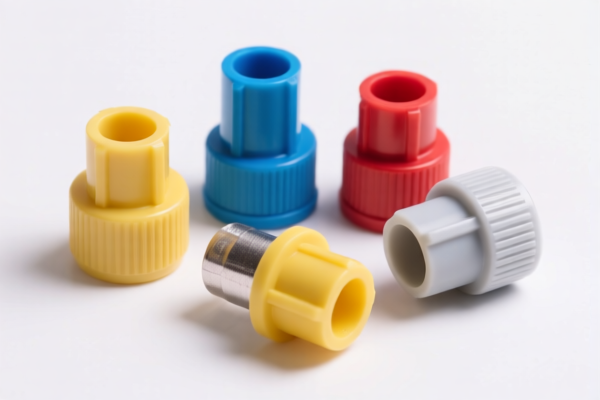
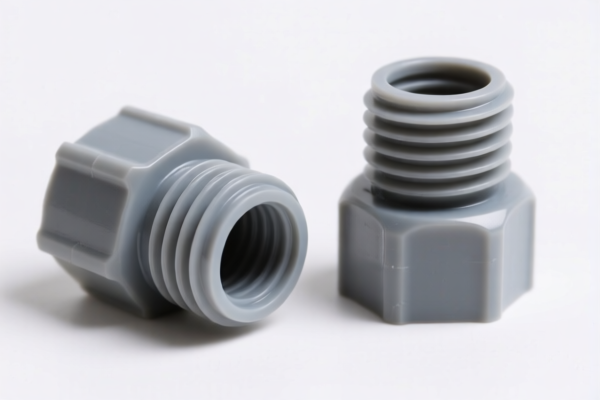
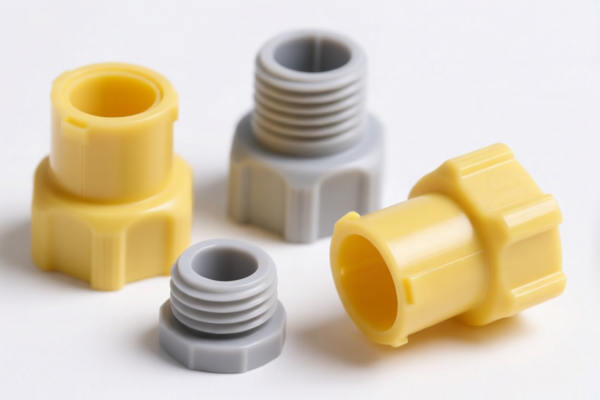
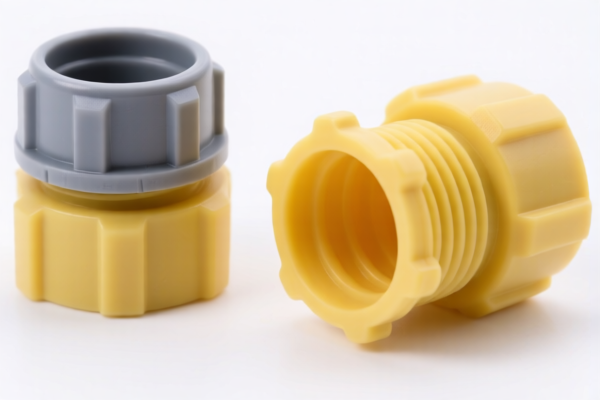
AI Analysis
🔌 Electrical Insulating Fittings
🌐 HS Code Reference & Customs Clearance Guide | 2026 Latest Tariff Analysis | Professional Clearance Strategy
📌 I. Product Definition & Classification: What Exactly Are "Electrical Insulating Fittings"?
Electrical Insulating Fittings are components designed to provide electrical insulation, structural support, or separation for electrical conductors and equipment. In international trade, these products are complex because their classification depends heavily on material composition (ceramic, plastic, glass, etc.) and specific electrical function (insulator vs. general part).
⚠️ Key Distinction Point:
- If the item is specifically an insulator (e.g., ceramic glass insulators used in power lines) →归类 to Chapter 85 (Electrical Machinery).
- If the item is a general plastic component with insulating properties but not primarily an electrical insulator →归 to Chapter 39 (Plastics).
- If the item is made of glass, porcelain, or ceramic solely for insulation →归类 to Chapter 85 (specifically 8546).
📦 II. HS Code Classification Details (2026 Latest Tariff Authority Comparison)
Based on the provided data, here are the 5 most likely HS Codes for "Electrical Insulating Fittings," along with the reasoning for each classification.
| HS Code | Product Description | Logic for Classification | Total Tax Rate (CN→US) |
|---|---|---|---|
| 8547.20.00.00 | Insulating Fittings of Plastic | "Insulating" matches the material/usage requirement; "Fittings" matches the form. Inferred material is plastic or insulating material. | 35.0% |
| 8546.90.00.00 | Other Electrical Insulators | "Insulating" matches the "Electrical Insulator" purpose in the HS code; "Fittings" fits the "Other" category under parts/components. | 35.0% |
| 3926.90.99.87 | Other Articles of Plastic | Classified as electrical fittings, inferred material is plastic/ceramic. No conflict with "Other Plastic Articles." Lower tariff option if not strictly 8546/8547. | 22.8% |
| 8547.90.00.10 | Other Insulating Fittings | Purpose: Electrical insulation; Form: Fitting. Inferred material is insulating material. Note: Higher tax rate due to specific subcategory. | 89.6% |
| 8546.20.00.90 | Insulators of Ceramic | "Insulating" purpose matches "Insulators"; inferred material is likely ceramic based on standard industry types for this HS code. | 38.0% |
🔍 Critical Note:
- 8546 codes are for Insulators (Ceramic, Glass, Mica, etc.).
- 8547 codes are for Insulating Fittings (e.g., bushings, sleeves).
- 3926 is a fallback if the product is primarily a plastic part with incidental insulating properties, but customs may challenge this if the primary function is electrical insulation.
💰 III. 2026 Latest Tariff Rate Breakdown (Including Surcharges & Policy Add-ons)
✅ Applicable Country: United States (US)
✅ Origin: China (CN)
✅ Effective Date: From November 10, 2025 (including subsequent imports)
🎯 1. 8547.20.00.00 – Insulating Fittings of Plastic
| Item | Detail |
|---|---|
| Base Tariff | 0.0% (ad valorem) |
| Section 301 Surcharge | +25.0% |
| IEEPA Surcharge (122 Clause) | +10.0% |
| Total Tariff | 35.0% |
| Calculation Basis | CIF Value × 35% |
| De Minimis Exemption? | ❌ No (Deny de minimis) |
| Legal Path | Section 301: 8547.20.00.00 → IEEPA: 122 Clause |
📌 Explanation:
- Plastic insulating fittings are subject to 301 tariffs (25%) and IEEPA additional tariffs (10%).
- Total burden: 35%.
🎯 2. 8546.90.00.00 – Other Electrical Insulators
| Item | Detail |
|---|---|
| Base Tariff | 0.0% |
| Section 301 Surcharge | +25.0% |
| IEEPA Surcharge (122 Clause) | +10.0% |
| Total Tariff | 35.0% |
| Calculation Basis | CIF Value × 35% |
| De Minimis Exemption? | ❌ No |
| Legal Path | Section 301: 8546.90.00.00 → IEEPA: 122 Clause |
📌 Note:
- This code covers insulators not specifically listed elsewhere (e.g., mica, other materials).
- Same tax structure as plastic fittings: 35%.
🎯 3. 3926.90.99.87 – Other Plastic Articles (Non-Insulator Specific)
| Item | Detail |
|---|---|
| Base Tariff | 5.3% |
| Section 301 Surcharge | +7.5% |
| IEEPA Surcharge (122 Clause) | +10.0% |
| Total Tariff | 22.8% |
| Calculation Basis | CIF Value × 22.8% |
| De Minimis Exemption? | ❌ No |
| Legal Path | Section 301: 3926.90.99.87 → IEEPA: 122 Clause |
📌 Strategic Insight:
- This is the lowest tariff option (22.8%).
- Risk: Customs may reclassify as 8546/8547 (35-38% or higher) if the product’s primary function is clearly electrical insulation.
- Use Case: Only for plastic fittings where insulation is secondary to structural support.
🎯 4. 8547.90.00.10 – Other Insulating Fittings
| Item | Detail |
|---|---|
| Base Tariff | 4.6% |
| Section 301 Surcharge | +25.0% |
| IEEPA Surcharge (122 Clause) | +10.0% |
| Steel/Aluminum/Copper Surcharge | +50.0% (If applicable) |
| Total Tariff | 89.6% (Non-metal) / Up to 100%+ (Metal) |
| Calculation Basis | CIF Value × 89.6% |
| De Minimis Exemption? | ❌ No |
| Legal Path | Section 301: 8547.90.00.10 → IEEPA: 122 Clause |
📌 Warning:
- This is the highest risk category.
- If the fitting contains metal (steel, aluminum, copper), the 50% surcharge applies, making it extremely costly.
- Avoid this classification unless necessary.
🎯 5. 8546.20.00.90 – Insulators of Ceramic
| Item | Detail |
|---|---|
| Base Tariff | 3.0% |
| Section 301 Surcharge | +25.0% |
| IEEPA Surcharge (122 Clause) | +10.0% |
| Total Tariff | 38.0% |
| Calculation Basis | CIF Value × 38.0% |
| De Minimis Exemption? | ❌ No |
| Legal Path | Section 301: 8546.20.00.90 → IEEPA: 122 Clause |
📌 Note:
- Ceramic insulators (e.g., for high-voltage lines) are specifically covered here.
- Slightly higher than plastic/glass insulators due to base tariff (3%).
🛠️ IV. Customs Clearance Practical Advice (Avoiding Pitfalls)
✅ 1. Documentation Checklist (Mandatory)
| Document | Required | Description |
|---|---|---|
| ✅ Product Specification Sheet | ✔️ | Must specify material (Plastic, Ceramic, Glass, Mica) and function. |
| ✅ Technical Data Sheet | ✔️ | Include dielectric strength, voltage rating, temperature resistance. |
| ✅ Product Photos | ✔️ | Clear images showing labeling, model, and material texture. |
| ✅ Material Certificate | ✔️ | Proof of composition (e.g., PVC, Polyethylene, Alumina Ceramic). |
| ✅ Commercial Invoice | ✔️ | Describe item as "Electrical Insulating Fitting – [Material]". Avoid vague terms like "Part". |
| ✅ HS Code Pre-Ruling | ✔️ | Highly recommended to confirm between 8546 vs. 3926. |
✅ 2. Declaration Strategy (Key Mantras)
🔥 "Material First, Function Second, Code Accuracy Saves Money!"
| Scenario | Correct Declaration | Wrong Declaration | Consequence |
|---|---|---|---|
| Plastic Bushing | 8547.20.00.00 (35%) |
3926.90.99.87 (22.8%) |
If customs disagrees, back taxes + penalties. |
| Ceramic Insulator | 8546.20.00.90 (38%) |
6913.10.00.00 (Ceramicware, 0% base) |
Misclassification leads to 38% tax + fines. |
| Metal-Fitted Insulator | 8547.90.00.10 (89.6%+) |
Ignore metal content | Additional 50% surcharge triggers audit. |
| Generic Plastic Part | 3926.90.99.87 (22.8%) |
8546.90.00.00 (35%) |
Overpaying taxes if function is not primary insulation. |
✅ 3. Special Case Handling
| Situation | Recommendation |
|---|---|
| Mixed Materials (Plastic + Metal) | Declare as 8547.90.00.10. Be aware of the 50% metal surcharge. |
| High-Voltage Insulators | Must prove dielectric purpose. Use 8546 series. |
| Low-Voltage/Consumer Electronics | May qualify for 3926 if insulation is not the primary function. |
| Mica Insulators | Usually fall under 8546.10.00.00 or 8546.90.00.00. Check specific mica type. |
🌍 V. Global Market Comparison (2026)
| Country/Region | Recommended HS Code | Tariff (CN Origin) | Certification | Notes |
|---|---|---|---|---|
| 🇺🇸 USA | 8547.20.00.00 |
35% (Plastic) 38% (Ceramic) |
UL, CSA, RoHS | High additional tariffs apply. |
| 🇨🇳 China | 8547.20.00.00 |
0% | CCC | No additional tariffs. |
| 🇪🇺 EU | 8546.90.00.00 |
0% (if eligible) | CE, RoHS | No Section 301 equivalent. |
| 🇬🇧 UK | 8546.90.00.00 |
0% - 4% | UKCA | Post-Brexit rules apply. |
| 🇯🇵 Japan | 8546.90.00.00 |
0% - 3% | PSE | Low tariff burden. |
📌 Conclusion:
- USA has the highest tariff burden (35-89.6%) due to trade policies.
- EU/Japan/China are much more favorable for these products.
- Supply Chain Strategy: Consider sourcing from non-China countries (e.g., Vietnam, Thailand) to avoid Section 301 + IEEPA surcharges, if possible.
📌 VI. Common Mistakes & Pitfalls (Lessons Learned)
❌ Mistake 1: Declaring ceramic insulators as "Ceramic Vessels" (6913)
👉 Result: Customs reclassifies to 8546.20.00.90 (38%) + penalties.
❌ Mistake 2: Declaring plastic insulators as "General Plastic Parts" (3926) without proof
👉 Result: Customs challenges primary function, reclassifies to 8547.20.00.00 (35%), demands back taxes.
❌ Mistake 3: Ignoring metal components in insulators
👉 Result: Additional 50% surcharge triggers under 8547.90.00.10.
❌ Mistake 4: Using vague names like "Insulation Part"
👉 Result: Customs delays, requests extra documentation, risks misclassification.
✅ Correct Practice:
"Plastic Electrical Insulating Fitting, Bushing Type, Material: PBT, Voltage Rating: 600V, Model: XYZ"
🎯 VII. Conclusion: Professional Classification, Cost Optimization!
🎯 Remember These Rules:
🔹 "Plastic → 8547.20 (35%) or 3926 (22.8%)"
🔹 "Ceramic → 8546.20 (38%)"
🔹 "Glass → 8546.30 (Likely ~35%)"
🔹 "Metal + Insulator → 8547.90 (89.6%+)"🔹 "Material dictates Code, Function dictates Tax!"
📌 Pro Tip:
If your Electrical Insulating Fittings are made in Vietnam, India, or Mexico, you may avoid Section 301 + IEEPA tariffs, reducing the total rate to 0-5%.
Recommend Advance Ruling with US CBP to secure classification and cost certainty.
📣 Immediate Action:
📞 Contact a licensed customs broker
📄 Prepare Material Safety Data Sheets (MSDS) & Technical Datasheets
🚀 Optimize supply chain to mitigate tariff risks!
✨ Precision in Classification Saves Thousands!
💼 Every percentage point matters in global trade!
Customer Reviews
About HS Code Classification
The Harmonized System (HS) is an internationally standardized nomenclature developed by the World Customs Organization (WCO) to classify traded products. Over 200 countries use the HS system as the basis for customs tariffs, trade statistics, and import/export regulations.
Each HS code follows a hierarchical structure:
- Chapter (2 digits) — Broad category of goods (e.g., Chapter 84: Machinery and Mechanical Appliances)
- Heading (4 digits) — More specific grouping within the chapter
- Subheading (6 digits) — Internationally standardized breakdown, used by all WCO member countries
- National subdivisions (8-10 digits) — Country-specific extensions for further classification, such as US HTSUS 10-digit codes
Correct HS code classification is essential for smooth customs clearance, accurate duty payment, and compliance with trade regulations. Misclassification can lead to customs delays, overpayment of duties, or penalties.
When importing from CN to US, the applicable tariff rates may include:
- Most-Favored-Nation (MFN) rate — The standard duty rate applied to WTO members
- General rate — Applied to countries without trade agreements
- Trade remedy duties — Additional tariffs such as Section 301 (anti-dumping), Section 232 (national security), or countervailing duties
The information provided on this page is for reference purposes only. For official classification, please consult with your local customs authority or a licensed customs broker.