Electrical Insulation Parts
CN → US| HS Code | Tariff Rate | Origin | Destination | Doc |
|---|---|---|---|---|
| 8547900010 | 89.6% | CN | US | Official Doc |
| 8547200000 | 35.0% | CN | US | Official Doc |
| 3926909987 | 22.8% | CN | US | Official Doc |
Product Images
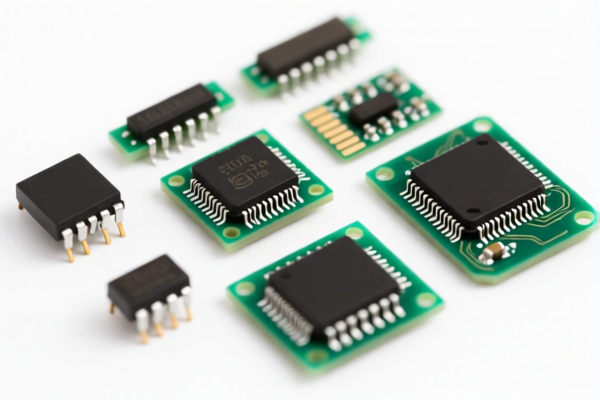
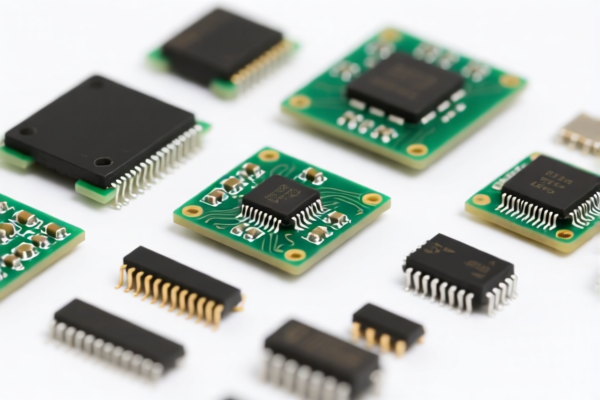
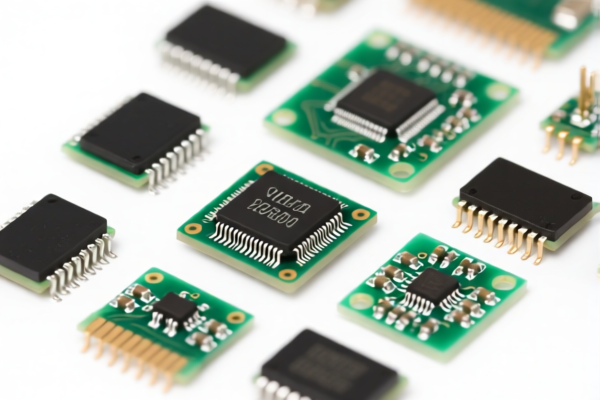
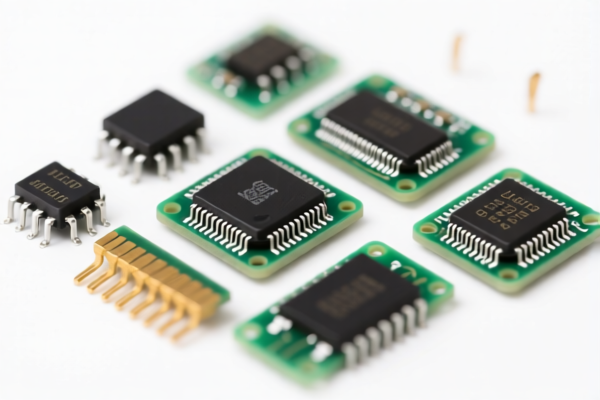
AI Analysis
⚡ Electrical Insulation Parts: The Hidden Tax Trap in US Customs Clearance
🌐 HS Code Reference & Customs Clearance Guide | 2026 Latest Tariff Analysis | Strategic Compliance for Insulating Components
📌 One Product, Three Fates: Why "Insulation" Is Not Enough
In the world of international trade, "Electrical Insulation Parts" is a generic term that triggers different HS Codes based on material composition, structural integrity, and specific function. For exporters to the US, misclassification here is dangerous because the tax rates range from 35% to a staggering 89.6%.
The key to saving money and ensuring smooth clearance lies in answering three questions: 1. What is it made of? (Ceramic, Plastic, or Insulated Metal?) 2. Is it a standalone component or part of a larger machine? 3. Does it have a metal substrate?
Below is the definitive breakdown for 2026 customs compliance.
📦 Part I: HS Code Classification Matrix (2026 Latest Tariff)
| HS Code | Product Description | Material & Structure | Critical Distinction |
|---|---|---|---|
| 8547.90.00.10 | Insulated Electrical Components | Insulating material, no metallic base conflict. | For components where insulation is the primary function and there is no structural metal core that would classify it as metalware. |
| 8547.20.00.00 | Insulating Fittings for Electrical Machines | Insulating material (e.g., ceramics, plastics). | Specifically for fittings used within or on electrical machines/devices. General-purpose insulators. |
| 3926.90.99.87 | Other Plastic Articles | Plastic or rubber-based. | If the part is primarily a "plastic article" rather than a specialized electrical component, or if the insulation is incidental to its plastic nature. |
🔍 Strategic Note:
- 8547.90.00.10 is the highest risk/highest cost category due to multiple surcharges.
- 3926.90.99.87 is often the lowest cost option but requires proving the item is primarily a "plastic article" rather than a specialized electrical component.
- 8547.20.00.00 is the standard for general insulating fittings.
💰 Part II: 2026 Tariff Rate Deep Dive (China Origin → US)
✅ Applicable Country: USA (US)
✅ Origin: China (CN)
✅ Effective Date: Post-2025 policies (Section 301, Section 232, IEEPA)
🎯 1. 8547.90.00.10 —— The "Premium Penalty" Category
Total Tax Rate: 89.6%
This is the most expensive classification. It applies when the item is deemed a specialized electrical component with specific insulating properties.
| Component | Rate | Legal Basis |
|---|---|---|
| Base Duty | 4.6% | US Harmonized Tariff Schedule (HTSUS) Base |
| Section 301 Surcharge | +25.0% | USITC Footnote 9903.88.01 (Trade Remedy) |
| Section 232 Surcharge | +10% | IEEPA/Section 232 (Steel, Aluminum, Copper Products) |
| Total Effective Rate | 89.6% |
📌 Explanation:
- The 25% is the standard Section 301 tariff on Chinese electrical goods.
- The 10% is added under Section 232 because customs may interpret "insulated components" as involving base metals (steel/aluminum/copper) or being integral to metal-based electrical infrastructure.
- Result: This rate is prohibitive. You must avoid this code unless legally mandated.
🎯 2. 8547.20.00.00 —— The Standard Insulator
Total Tax Rate: 35.0%
Applies to insulating fittings (like bushings, insulators) used in electrical machinery.
| Component | Rate | Legal Basis |
|---|---|---|
| Base Duty | 0.0% | HTSUS Base (Many insulators are duty-free) |
| Section 301 Surcharge | +25.0% | USITC Footnote 9903.88.01 |
| Section 232 Surcharge | 0% | Not applied (No metal conflict identified) |
| Total Effective Rate | 35.0% |
📌 Explanation:
- Since the base duty is 0%, the total tax is just the 25% Section 301 surcharge.
- No Section 232 applies because the item is clearly identified as an insulating fitting without a metal substrate conflict.
- Strategic Advantage: This is 54.6 percentage points lower than code 8547.90.00.10!
🎯 3. 3926.90.99.87 —— The "Plastic Article" Loophole (Lowest Cost)
Total Tax Rate: 22.8%
Applies if the part is primarily a plastic article (e.g., plastic housing, plastic insulating sleeve) and not a specialized electrical component.
| Component | Rate | Legal Basis |
|---|---|---|
| Base Duty | 5.3% | HTSUS Base for Other Plastic Articles |
| Section 301 Surcharge | +7.5% | USITC Footnote 9903.88.01 (Reduced rate for some plastics) |
| Section 232 Surcharge | 0% | Not applied (Plastic) |
| Total Effective Rate | 22.8% |
📌 Explanation:
- The base duty is higher (5.3%), but the Section 301 surcharge is lower (7.5%) compared to the 25% on electrical goods.
- No Section 232 applies because it is plastic.
- Strategy: If your part is purely plastic and can be described as a "plastic fitting" or "plastic accessory," this code saves significant money.
🛠️ Part III: Customs Clearance Strategy & Risk Mitigation
✅ 1. Documentation Checklist (Mandatory for All Codes)
| Document | Requirement | Why It Matters |
|---|---|---|
| Product Specification Sheet | Must detail material composition (e.g., "Ceramic," "PVC," "Epoxy"). | Determines if it falls under 8547 (Electrical) or 3926 (Plastic). |
| Technical Diagram | Shows if there is a metal core or if it is purely insulating. | Critical for avoiding Section 232 (89.6% tax). If metal is present, it may trigger 8547.90.00.10. |
| Commercial Invoice | Description must be precise. Avoid vague terms like "Electrical Part." Use "Ceramic Insulator for Transformer" or "Plastic Cable Sleeve." | Vague descriptions lead to海关 (Customs) discretion, often resulting in the highest tariff code. |
| Country of Origin Certificate | Must state "Made in China." | Triggers Section 301 and 232 assessments. |
| Usage Statement | "Used for insulation in electrical wiring," not "Used as a structural support." | Helps argue for 8547.20.00.00 or 3926.90.99.87 over 8547.90.00.10. |
✅ 2. Classification Optimization Tactics
🚫 Avoid 8547.90.00.10 (89.6%)
- Why? It incurs Section 232 (10%) on top of Section 301 (25%) and base duty.
- How to Avoid?
- Ensure the product has no metal substrate that could be considered "steel, aluminum, or copper."
- Clearly state it is an insulating fitting (8547.20) or plastic article (3926).
- If the part is purely plastic, argue for 3926.90.99.87.
⚖️ Choose Between 8547.20.00.00 (35%) and 3926.90.99.87 (22.8%)
- If it’s Ceramic or Hard Plastic: Aim for 8547.20.00.00. It’s a standard electrical part.
- If it’s Flexible Plastic/Sleeve/Housing: Aim for 3926.90.99.87. Argue it is a "plastic article" rather than an electrical component.
- Tip: Provide photos showing the material flexibility or plastic texture to support 3926.
💡 Golden Rule for Description
Bad Description: "Electrical Insulation Part"
Good Description (for 3926): "Plastic Cable Insulation Sleeve, Flexible PVC, No Metal Components"
Good Description (for 8547.20): "Ceramic Insulator Bushing for Electrical Transformer, Non-Metallic"
🌍 Part IV: Global Market Context (2026)
| Market | Recommended HS Code | Effective Tax Rate | Notes |
|---|---|---|---|
| 🇺🇸 USA | 8547.20.00.00 or 3926.90.99.87 |
35.0% or 22.8% | Avoid 8547.90.00.10 (89.6%) unless no other option exists. |
| 🇪🇺 EU | 3926.90.99 or 8547.90 |
0% - 4.5% | No Section 301/232 equivalents. Lower tariffs overall. |
| 🇨🇳 China | 3926.90.99 or 8547.20 |
0% - 5% | Import duties are low. Focus on VAT (13%). |
📌 Conclusion:
The US market is the hardest for insulation parts due to layered tariffs.
Strategy:
1. Material First: If it’s plastic, push for 3926 (22.8%).
2. Function Second: If it’s ceramic/hard plastic, push for 8547.20 (35%).
3. Never Default: Do not let customs default to 8547.90.00.10 (89.6%) by using vague descriptions.
📌 Part V: Common Pitfalls & Blood-Tear Lessons
❌ Pitfall 1: Vague Descriptions
"Insulation Part" → Customs assumes worst-case scenario → 89.6%
Fix: Specify "Plastic" or "Ceramic" in the title.
❌ Pitfall 2: Ignoring Section 232
Assuming 25% is the max → Surprise 89.6%
Fix: Ensure no metal conflict. If the part has a metal clip, it may trigger Section 232.
❌ Pitfall 3: Misusing "Electrical Component"
Calling a plastic sleeve an "Electrical Component" → 8547.90.00.10
Fix: Call it a "Plastic Accessory" or "Insulation Sleeve" → 3926.90.99.87
✅ Pro Tip:
"Plastic is Cheap, Metal is Expensive, Vague is Dead."
Use precise material keywords to lower your tax bracket.
🎯 Part VI: Final Action Plan
- Audit Your Product: Is it plastic, ceramic, or insulated metal?
- Draft Precise Descriptions: Use the "Good Descriptions" above.
- Pre-Submit Documentation: Provide specs and diagrams to your customs broker before shipment.
- Request Advance Ruling: For high-volume shipments, apply for a Binding Ruling to lock in the 22.8% or 35% rate.
📣 Immediate Action Required:
📞 Contact your customs broker today.
📄 Update your invoice descriptions.
🚀 Stop paying 89.6% when you can pay 22.8%!
✨ Smart Classification Saves Thousands!
💼 Every percentage point matters in global trade.
Customer Reviews
About HS Code Classification
The Harmonized System (HS) is an internationally standardized nomenclature developed by the World Customs Organization (WCO) to classify traded products. Over 200 countries use the HS system as the basis for customs tariffs, trade statistics, and import/export regulations.
Each HS code follows a hierarchical structure:
- Chapter (2 digits) — Broad category of goods (e.g., Chapter 84: Machinery and Mechanical Appliances)
- Heading (4 digits) — More specific grouping within the chapter
- Subheading (6 digits) — Internationally standardized breakdown, used by all WCO member countries
- National subdivisions (8-10 digits) — Country-specific extensions for further classification, such as US HTSUS 10-digit codes
Correct HS code classification is essential for smooth customs clearance, accurate duty payment, and compliance with trade regulations. Misclassification can lead to customs delays, overpayment of duties, or penalties.
When importing from CN to US, the applicable tariff rates may include:
- Most-Favored-Nation (MFN) rate — The standard duty rate applied to WTO members
- General rate — Applied to countries without trade agreements
- Trade remedy duties — Additional tariffs such as Section 301 (anti-dumping), Section 232 (national security), or countervailing duties
The information provided on this page is for reference purposes only. For official classification, please consult with your local customs authority or a licensed customs broker.