Electrical Resistors
CN → US| HS Code | Tariff Rate | Origin | Destination | Doc |
|---|---|---|---|---|
| 8534000095 | 35.0% | CN | US | Official Doc |
| 8533290000 | 35.0% | CN | US | Official Doc |
| 8533210090 | 35.0% | CN | US | Official Doc |
Product Images
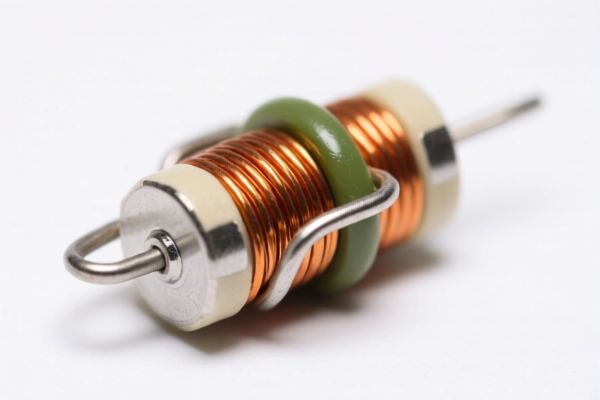
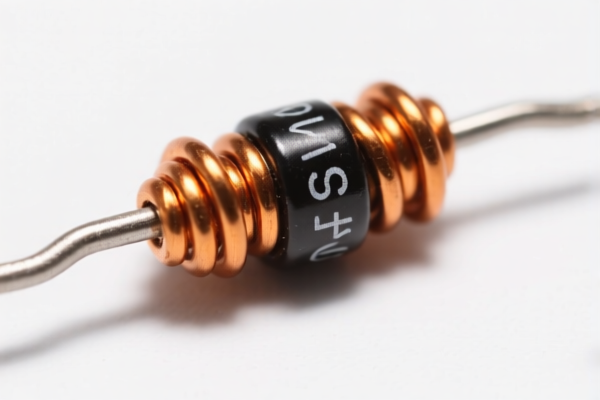
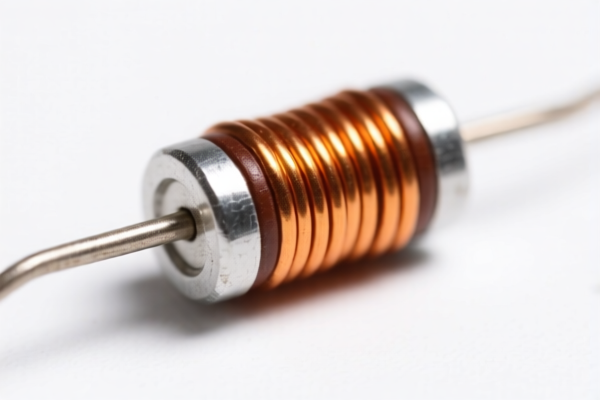
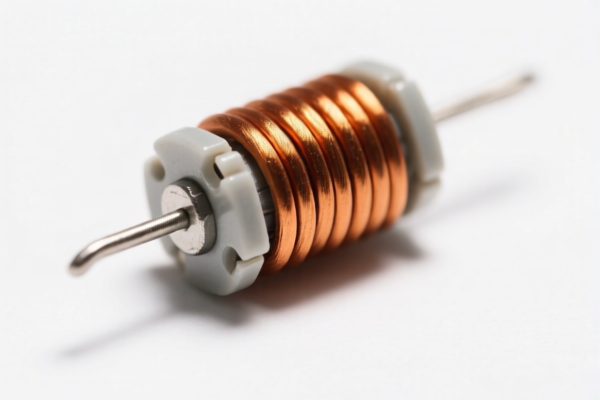
AI Analysis
⚡ Electrical Resistors (Resistors)
🌐 HS Code Reference & Customs Clearance Guide | 2026 Latest Tariff Analysis | Professional Clearance Strategy
📌 I. Product Definition: What Exactly Are "Electrical Resistors"?
Electrical resistors are fundamental passive electronic components used to reduce current flow, adjust signal levels, divide voltages, bias active elements, and terminate transmission lines. In international trade, they are primarily classified under Chapter 85 (Electrical machinery and equipment).
Key Classification Logic: - Fixed Resistors: The most common type (carbon film, metal film, wirewound, thick film). These fall under Heading 8533. - Resistor Networks/Arrays: Often treated similarly to individual resistors if not assembled into specific circuits. - Printed Circuit Boards (PCBs) with Resistors: If the resistors are already mounted on a PCB, the classification may shift to Heading 8534 (Printed Circuits).
⚠️ Critical Distinction:
- Discrete Components (loose or packed) → Go to 8533 (Electrical Resistors).
- Mounted Components (on a PCB) → Go to 8534 (Printed Circuits).
- Incorrect Classification Risk: Misdeclaring a PCB as a discrete resistor (or vice versa) can lead to customs delays, audits, or penalties due to differing regulatory requirements and tax treatments.
📦 II. HS Code Classification Matrix (2026 Latest Tariff Authority)
Based on the provided data, here are the three specific HS Codes referenced for electrical resistors and their associated tax structures.
| HS Code | Product Description | Summary of Logic | Total Tax Rate |
|---|---|---|---|
8534.00.00.95 |
Printed Circuits (Resistors Mounted on PCB) | Resistors are considered part of the "Other" printed circuit category. No material conflict. | 35.0% |
8533.29.00.00 |
Other Fixed Electrical Resistors | Discrete "Other Fixed Resistors" (e.g., carbon, metal oxide, thick film not elsewhere specified). | 35.0% |
8533.21.00.90 |
Other Electrical Resistors (Discrete) | Fallback "Other" category for discrete resistors. No material or form conflict. | 35.0% |
🔍 Key Takeaway:
- All three codes result in the same total tax rate of 35%.
- The choice of HS Code depends on the physical state of the goods:
- Loose/Discrete Resistors: Use 8533.xxxxxxxx codes.
- Resistors Soldered onto PCBs: Use 8534.00.00.95.
💰 III. 2026 Tariff Rate Breakdown (Including Surcharges & Policy Add-ons)
✅ Applicable Country: United States (US)
✅ Origin: China (CN)
✅ Effective Date: Ongoing (Subject to current trade policies)
For ALL listed HS Codes, the tax structure is identical:
🎯 1. Universal Tax Structure for Electrical Resistors
| Item | Content |
|---|---|
| Base Tariff | 0.0% |
| Section 301 Additional Tariff | +25.0% |
| Section 122 Tariff | +10.0% |
| Total Tax Rate | 35.0% |
| Calculation Basis | CIF Value (Cost, Insurance, and Freight) × 35% |
| De Minimis Exemption? | ❌ NO (Denied) |
| Legal Basis Path | Section 301 → Section 122 → USITC HS Code |
📌 Explanation of Tax Components:
- "Base Tariff: 0.0%": Standard MFN (Most Favored Nation) duty for electronic components is generally low or zero.
- "Section 301 Additional Tariff: 25.0%": This is the major trade war tariff imposed on Chinese goods under the U.S. Trade Representative (USTR). It applies to the vast majority of Chinese-manufactured electronics.
- "Section 122 Tariff: 10.0%": This refers to the tariff under Section 122 of the Trade Act of 1974, which allows the President to adjust duties for national security or economic reasons. Note: In some contexts, this may refer to specific bilateral agreements or emergency measures, but here it is explicitly listed as 10%.
- Total Impact: A 35% effective duty rate significantly impacts the landed cost. Importers must factor this into their pricing strategy.
🛠️ IV. Customs Clearance Practical Advice (Avoiding Pitfalls)
✅ 1. Documentation Checklist (Mandatory)
| Document | Required? | Notes |
|---|---|---|
| ✅ Commercial Invoice | ✔️ | Must clearly state: "Electrical Resistor, Fixed, [Value]" |
| ✅ Packing List | ✔️ | Detail quantity, weight, and packaging type (bulk, reel, tape & reel) |
| ✅ Product Specifications | ✔️ | Include resistance value, tolerance, power rating, material type |
| ✅ Certification | ✔️ | RoHS, REACH (if applicable), FCC ID (if part of a larger device) |
| ✅ Proof of Origin | ✔️ | Crucial for verifying Chinese origin for Section 301/122 assessment |
✅ 2. Declaration Best Practices
🔥 "Declare by Form, Not Just Name!"
| Scenario | Correct Declaration | Risk of Error |
|---|---|---|
| Loose Resistors | Use 8533.29.00.00 or 8533.21.00.90 |
Avoid 8534 → Customs may suspect PCB smuggling |
| Resistors on PCB | Use 8534.00.00.95 |
Avoid 8533 → Customs may suspect component smuggling |
| Mixed Shipment | Split invoice and declare correctly | Misdeclaration leads to audits and penalties |
✅ 3. Special Scenarios
| Situation | Advice |
|---|---|
| OEM Resistors | Ensure the supplier provides clear specs. If branded, include brand name in invoice. |
| High-Reliability Resistors (Aerospace/Military) | These may still fall under 8533/8534 but require additional compliance docs. |
| Resistor Arrays/Networks | If not on a PCB, still classifiable under 8533. If on a PCB, under 8534. |
🌍 V. Global Market Comparison (2026)
| Region | Recommended HS Code | Estimated Duty | Notes |
|---|---|---|---|
| 🇺🇸 USA | 8533.xxxxxxxx / 8534.00.00.95 |
35% (China Origin) | Includes 25% Sec 301 + 10% Sec 122 |
| 🇨🇳 China | 8533.20.00.00 |
~0-5% | No additional surcharges |
| 🇪🇺 EU | 8533.20.00 |
~0-2.5% | No Section 301 equivalent |
| 🇨🇦 Canada | 8533.20.00 |
~0% (If USMCA eligible) | Check origin rules |
| 🇬🇧 UK | 8533.20.00 |
~0% | Post-Brexit tariff schedule |
📌 Conclusion:
- The US market is significantly more expensive for Chinese-made resistors due to the 35% effective tariff.
- Importers should consider supply chain diversification (e.g., sourcing from Vietnam, Mexico, or India) if tariffs are prohibitive.
- Pre-Import Customs Ruling: Highly recommended to confirm HS Code classification before shipment.
📌 VI. Common Errors & Pitfalls (Lessons Learned)
❌ Error 1: Declaring PCB-mounted resistors as discrete resistors (8533).
👉 Consequence: Customs may reject the shipment or reclassify it, leading to delays and potential penalties for misdeclaration.
❌ Error 2: Ignoring the Section 122 10% tariff.
👉 Consequence: Underpaying duties → Audit, back taxes, and interest.
❌ Error 3: Vague descriptions like "Electronic Parts".
👉 Consequence: Customs will classify under the highest possible duty rate or hold the goods for inspection.
✅ Correct Declaration Example:
"Electrical Fixed Resistors, Carbon Film, 1/4 Watt, 10k Ohm, Loose Bulk, Made in China"
🎯 VII. Conclusion: Precision Saves Money!
🎯 Key Takeaway:
🔹 "Discrete = 8533, PCB-Mounted = 8534. Both pay 35% if from China."
🔹 "Never underestimate the 10% Section 122 tariff. It adds up!"
📌 Pro Tip:
If your resistors are not from China, you may avoid the 35% tariff entirely.
Action: Verify origin and consider applying for a Customs Ruling to ensure correct HS Code classification.
📣 Immediate Action:
📞 Consult your customs broker.
📄 Ensure your invoice accurately reflects the physical form (discrete vs. mounted).
🚀 Optimize your supply chain to mitigate the 35% tariff impact!
✨ Professional Clearance Starts with Accurate Classification!
💼 Every Percent Matters in Electronics Import!
Customer Reviews
About HS Code Classification
The Harmonized System (HS) is an internationally standardized nomenclature developed by the World Customs Organization (WCO) to classify traded products. Over 200 countries use the HS system as the basis for customs tariffs, trade statistics, and import/export regulations.
Each HS code follows a hierarchical structure:
- Chapter (2 digits) — Broad category of goods (e.g., Chapter 84: Machinery and Mechanical Appliances)
- Heading (4 digits) — More specific grouping within the chapter
- Subheading (6 digits) — Internationally standardized breakdown, used by all WCO member countries
- National subdivisions (8-10 digits) — Country-specific extensions for further classification, such as US HTSUS 10-digit codes
Correct HS code classification is essential for smooth customs clearance, accurate duty payment, and compliance with trade regulations. Misclassification can lead to customs delays, overpayment of duties, or penalties.
When importing from CN to US, the applicable tariff rates may include:
- Most-Favored-Nation (MFN) rate — The standard duty rate applied to WTO members
- General rate — Applied to countries without trade agreements
- Trade remedy duties — Additional tariffs such as Section 301 (anti-dumping), Section 232 (national security), or countervailing duties
The information provided on this page is for reference purposes only. For official classification, please consult with your local customs authority or a licensed customs broker.