Electrical Tape Strip
CN → US| HS Code | Tariff Rate | Origin | Destination | Doc |
|---|---|---|---|---|
| 3919102020 | 40.8% | CN | US | Official Doc |
| 3919905030 | 40.8% | CN | US | Official Doc |
| 3926909989 | 22.8% | CN | US | Official Doc |
| 3926904590 | 38.5% | CN | US | Official Doc |
| 3919102020 | 40.8% | CN | US | Official Doc |
Product Images
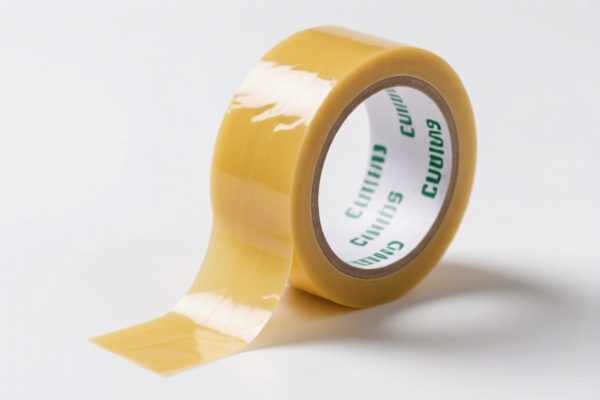
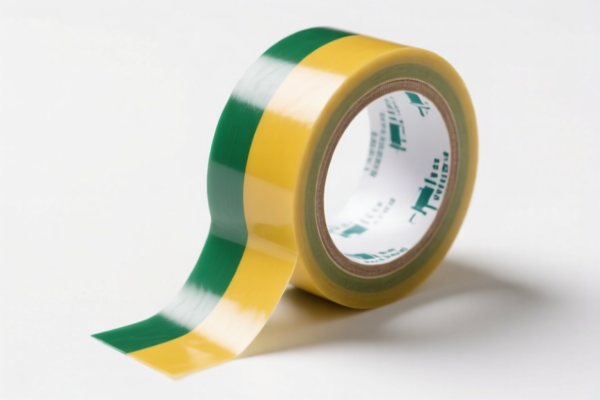
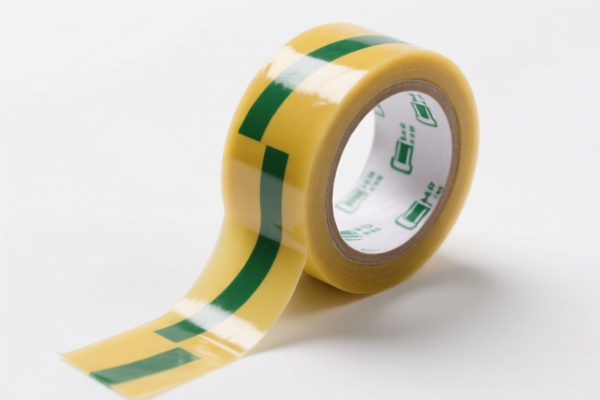
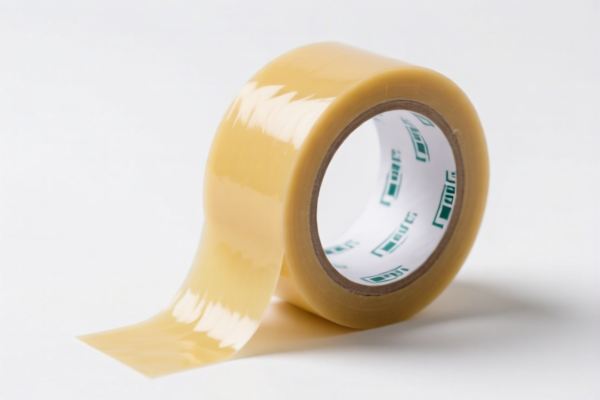
AI Analysis
🛡️ Electrical Tape Strip (Insulation Tape)
🌐 HS Code Reference & Customs Clearance Guide | 2026 Latest Tariff Analysis | Professional Clearance Strategy
📌 One, Product Definition: What is "Electrical Tape Strip"?
Electrical tape (often referred to as insulation tape) is a type of pressure-sensitive tape used for electrical insulation. It is widely used in the automotive, electronics, and construction industries to protect wire bundles, prevent short circuits, and provide mechanical protection.
⚠️ Key Classification Distinction:
- Adhesive & Plastic Base: Most electrical tapes are made of PVC (Polyvinyl Chloride) or similar polymers with a pressure-sensitive adhesive backing. This places them primarily under Chapter 39 (Plastics and Articles Thereof).
- Specific Use: While some tapes might be classified under chemicals (Chapter 35) or rubber (Chapter 40) depending on the exact material, the provided data strongly points to Plastic-based adhesive tapes.
📦 Two, HS Code Classification Details (Based on Provided Data)
According to the provided <DATA>, the product is matched with the following HS Codes. Note that duplicates in the data are merged for clarity.
| HS Code | Product Description | Matching Logic & Material Inference |
|---|---|---|
3919.10.20.20 |
Plastic Self-Adhesive Plates, Sheets, Film, Foil, Tape, Strip and Other Flat Shapes | Logic: Matches "Electrical Tape" as an electrically insulating product. Material: Inferred as Plastic (PVC) self-adhesive tape. Category: Specific plastic adhesive products. |
3919.90.50.30 |
Other Plastic Self-Adhesive Products | Logic: Matches "Electrical Tape" as an electrically insulating product. Material: Inferred as Plastic (PVC) self-adhesive tape. Category: Fallback category for plastic adhesive items not specified elsewhere. |
3926.90.99.89 |
Other Articles of Plastics | Logic: Inferred as Plastic/Polymer (commonly PVC). Category: "Other" plastic articles not specified in earlier subheadings. Used if the tape is viewed as a general plastic accessory rather than a standard adhesive tape. |
3926.90.45.90 |
Other Plastic Articles; Gaskets, Washers, and Other Seals | Logic: Inferred as Plastic/Polymer film. Category: Viewed as a sealing/washing component or generic plastic part. |
3919.10.20.20 (Auto Specific) |
Plastic Self-Adhesive (Automotive Use) | Logic: Specifically for Automotive Electrical Tape. Material: Inferred as Plastic (PVC). Category: Same as above but highlighted for automotive application context. |
🔍 Focus Note:
- The most technically accurate classification for standard PVC Electrical Insulation Tape is usually3919.10(Self-adhesive plates/sheets/film/foil/tape).
-3926.90codes are generally less precise for adhesive tapes unless the product is non-adhesive or classified as a specific accessory (like a seal).3919.10.20.20and3919.90.50.30are the strongest matches provided.
💰 Three, 2026 Latest Tariff Rate Breakdown (Including Surtaxes & Policy Surcharges)
✅ Applicable Country: United States (US)
✅ Origin: China (CN)
✅ Effective Time: Current rates include Section 301 and IEEPA surcharges.
🎯 1. For HS Code 3919.10.20.20 (Plastic Self-Adhesive Tape)
| Item | Content |
|---|---|
| Base Tariff | 5.8% (Ad Valorem) |
| Section 301 Surtax | +25.0% |
| Section 122 Tariff (IEEPA) | +10.0% |
| Total Tax Rate | 40.8% |
| Tax Calculation | CIF Value × 40.8% |
| De Minimis Exemption | ❌ Not Applicable (Denied for these codes under current trade measures) |
| Legal Basis Path | USITC:3919.10.20.20 → Section 301: 25% → IEEPA: 10% |
📌 Explanation:
- Base 5.8%: Standard MFN tariff for plastic self-adhesive tapes.
- Section 301 (25%): Applied due to US-China trade tensions targeting specific plastic products.
- Section 122 / IEEPA (10%): Additional surcharge on Chinese-origin goods.
- Total 40.8%: This is a high-cost item for importers. Cost optimization is critical.
🎯 2. For HS Code 3919.90.50.30 (Other Plastic Self-Adhesive Products)
| Item | Content |
|---|---|
| Base Tariff | 5.8% |
| Section 301 Surtax | +25.0% |
| Section 122 Tariff (IEEPA) | +10.0% |
| Total Tax Rate | 40.8% |
| Tax Calculation | CIF Value × 40.8% |
| De Minimis Exemption | ❌ Not Applicable |
| Legal Basis Path | USITC:3919.90.50.30 → Section 301: 25% → IEEPA: 10% |
📌 Note:
- Identical tariff structure to3919.10.20.20.
- The choice between these two depends on the specific physical form (e.g., roll vs. sheet) and exact composition.
🎯 3. For HS Code 3926.90.99.89 (Other Plastic Articles)
| Item | Content |
|---|---|
| Base Tariff | 5.3% |
| Section 301 Surtax | +7.5% |
| Section 122 Tariff (IEEPA) | +10.0% |
| Total Tax Rate | 22.8% |
| Tax Calculation | CIF Value × 22.8% |
| De Minimis Exemption | ❌ Not Applicable (Likely) |
| Legal Basis Path | USITC:3926.90.99.89 → Section 301: 7.5% → IEEPA: 10% |
📌 Strategic Insight:
- This code has a significantly lower total tax (22.8%) compared to the self-adhesive tape codes (40.8%).
- However, this classification is risky. If Customs determines the item is primarily an "adhesive tape" (which it is), they may reclassify it to 3919 and demand the 40.8% rate + penalties.
- Recommendation: Only use this if the product is non-adhesive or clearly a "plastic accessory" rather than a tape. For standard PVC electrical tape, 3919 is the truthful classification.
🎯 4. For HS Code 3926.90.45.90 (Other Plastic Articles; Seals)
| Item | Content |
|---|---|
| Base Tariff | 3.5% |
| Section 301 Surtax | +25.0% |
| Section 122 Tariff (IEEPA) | +10.0% |
| Total Tax Rate | 38.5% |
| Tax Calculation | CIF Value × 38.5% |
| De Minimis Exemption | ❌ Not Applicable |
| Legal Basis Path | USITC:3926.90.45.90 → Section 301: 25% → IEEPA: 10% |
📌 Note:
- Higher total tax than3926.90.99.89but lower than3919.
- Classification logic is weak for "tape" as it is framed as "gaskets/seals". Risky for clearance.
🛠️ Four, Customs Clearance Practical Advice (Pitfall Avoidance Guide)
✅ 1. Preparation Checklist (Mandatory)
| Document | Required | Description |
|---|---|---|
| ✅ Product Specification Sheet | ✔️ | Must state: Material (e.g., PVC), Thickness, Width, Length, Adhesive Type. |
| ✅ Product Photos | ✔️ | Clear images showing the roll, label, and adhesive side. |
| ✅ Commercial Invoice | ✔️ | Clearly describe as "PVC Electrical Insulation Tape", not just "Tape". |
| ✅ HS Code Pre-Ruling | ✔️ | Highly Recommended due to the 40.8% vs 22.8% discrepancy. |
| ✅ Supply Chain Proof | ✔️ | Bill of Lading, Packing List. |
✅ 2. Declaration Strategy (Key Mnemonics)
🔥 "Be Specific on Material, Adhesive Determines Code!"
| Situation | Correct Declaration | Risk |
|---|---|---|
| Standard PVC Electrical Tape | 3919.10.20.20 or 3919.90.50.30 |
Low (if material matches) |
| Non-Adhesive Plastic Insulation Sleeve | 3926.90.99.89 |
High (if misclassified as tape) |
| Rubber-Based Tape | Chapter 40 (Not in provided data) | N/A |
| Vague Description: "Tape" | Risk of Audit & Penalty | High |
📌 Critical Advice:
- Do NOT use3926.90.99.89(22.8%) for standard adhesive electrical tape to avoid tax. Customs algorithms flag "Tape" →3919. Misclassification leads to back taxes + fines.
- If the product is Automotive Grade, ensure the description highlights "Automotive Wire Harness Insulation Tape" but keep the HS Code consistent with material.
✅ 3. Special Cases
| Case | Handling Suggestion |
|---|---|
| Multi-layer Tapes | Provide detailed layer composition. If primarily plastic adhesive, stick to 3919. |
| OEM/White Label | Provide manufacturer authorization if brand is involved. |
| Sample vs. Bulk | Same HS Code applies. Sample shipments still subject to full tariff if value > De Minimis threshold (currently $800 for US, but many Chinese goods are excluded from De Minimis under Section 301/IEEPA). |
🌍 Five, Global Market Comparison (2026 Latest)
| Country/Region | Recommended HS Code | Tariff Rate | Certification | Notes |
|---|---|---|---|---|
| 🇺🇸 USA | 3919.10.20.20 |
40.8% | None specific | High tariff due to Section 301 & IEEPA. |
| 🇨🇳 China | 3919.10.20.20 |
~5-10% | CCC (if applicable) | Low import duty. |
| 🇪🇺 EU | 3919.10 |
0-6.5% | REACH | No major surcharges. |
| 🇬🇧 UK | 3919.10 |
0-6.5% | UKCA | Post-Brexit standards apply. |
📌 Conclusion:
- USA is the most challenging market for Chinese-made electrical tape due to the 40.8% total tax.
- EU/UK are much more favorable with minimal duties.
📌 Six, Common Errors & Pitfalls (Lessons Learned)
❌ Error 1: Using 3926.90.99.89 (22.8%) for adhesive tape to save taxes.
👉 Consequence: Customs reclassifies to 3919 → Back taxes + 10% penalty.
❌ Error 2: Describing as "Plastic Strip" instead of "Adhesive Tape".
👉 Consequence: If it has adhesive, it must be 3919. Misdescription leads to detention.
❌ Error 3: Ignoring Section 122 / IEEPA 10% surcharge.
👉 Consequence: Underestimating landed cost by 10%.
✅ Correct Practice:
"PVC Electrical Insulation Tape, Self-Adhesive, 19mm x 20m, Flame Retardant, Model XYZ, Chinese Origin"
🎯 Seven, Conclusion: Professional Classification Saves Money
🎯 Remember:
🔹 "Adhesive = 3919; Non-Adhesive = 3926."
🔹 "USA Tax = 40.8% for Tape; Don't Risk It."
🔹 "Truth in Description Avoids Penalties."
📌 Tip:
If you are importing to the US, consider Supplier Diversification (Vietnam, Thailand, Mexico) to mitigate Section 301 and IEEPA tariffs, as goods from these countries may not carry the same surcharges.
📣 Immediate Action:
📞 Consult a licensed Customs Broker
📄 Apply for an HS Code Advance Ruling from CBP
🚀 Clear your electrical tape smoothly, avoid penalties, and protect your margins!
✨ Professional Clearance Starts with Accurate Classification!
💼 Your Cost is Precise; Your Compliance is Key!
Customer Reviews
About HS Code Classification
The Harmonized System (HS) is an internationally standardized nomenclature developed by the World Customs Organization (WCO) to classify traded products. Over 200 countries use the HS system as the basis for customs tariffs, trade statistics, and import/export regulations.
Each HS code follows a hierarchical structure:
- Chapter (2 digits) — Broad category of goods (e.g., Chapter 84: Machinery and Mechanical Appliances)
- Heading (4 digits) — More specific grouping within the chapter
- Subheading (6 digits) — Internationally standardized breakdown, used by all WCO member countries
- National subdivisions (8-10 digits) — Country-specific extensions for further classification, such as US HTSUS 10-digit codes
Correct HS code classification is essential for smooth customs clearance, accurate duty payment, and compliance with trade regulations. Misclassification can lead to customs delays, overpayment of duties, or penalties.
When importing from CN to US, the applicable tariff rates may include:
- Most-Favored-Nation (MFN) rate — The standard duty rate applied to WTO members
- General rate — Applied to countries without trade agreements
- Trade remedy duties — Additional tariffs such as Section 301 (anti-dumping), Section 232 (national security), or countervailing duties
The information provided on this page is for reference purposes only. For official classification, please consult with your local customs authority or a licensed customs broker.