Electrode
CN → US| HS Code | Tariff Rate | Origin | Destination | Doc |
|---|---|---|---|---|
| 8545192000 | 35.0% | CN | US | Official Doc |
| 8545194000 | 35.0% | CN | US | Official Doc |
| 9018199560 | 35.0% | CN | US | Official Doc |
| 8545110010 | 35.0% | CN | US | Official Doc |
| 8545110020 | 35.0% | CN | US | Official Doc |
Product Images
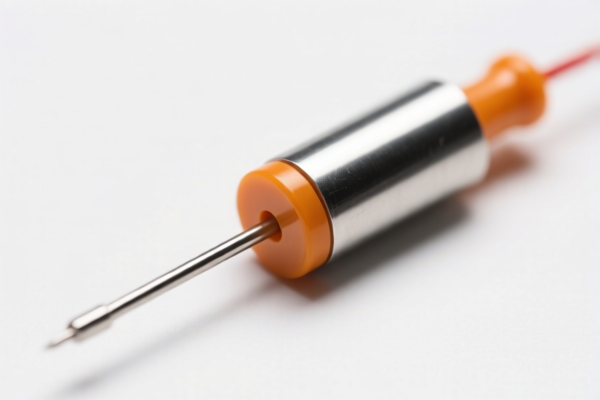
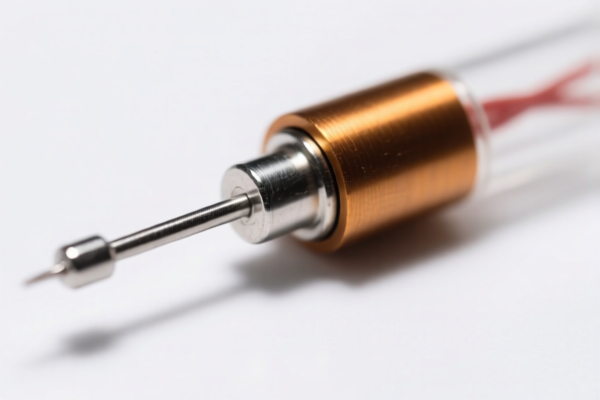
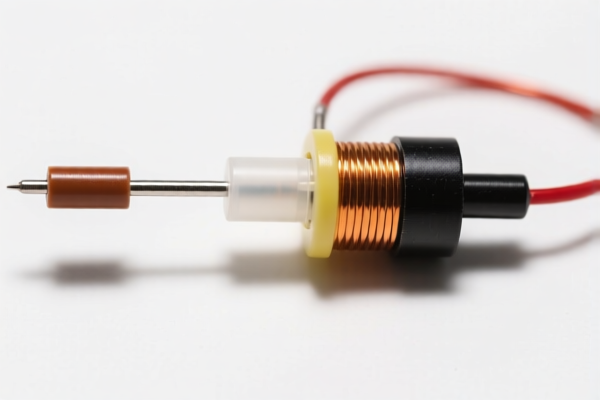
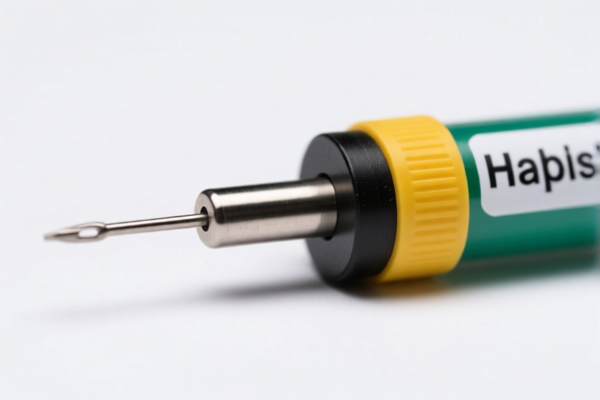
AI Analysis
🔌 Electrodes: The Power Behind Industry & Medicine
🌐 HS Code Reference & Customs Clearance Guide | 2026 Latest Tariff Breakdown | Professional-Level Compliance Strategy
📌 Part 1: Product Definition & Classification: Do You Really Understand "Electrodes"?
Electrodes are conductive terminals used to establish contact with a non-metallic part of a circuit. In international trade, they are broadly categorized by their material, shape, and primary application. Misclassification is a common pitfall because the same physical object can belong to vastly different tariff headings depending on its specific function and composition.
Carbon/Graphite Electrodes (8545.xx): Primarily used in metallurgy (electric arc furnaces), electrolysis, and batteries. They are durable, heat-resistant, and conductive.
Medical/Electrical Diagnosis Electrodes (9018.xx): Used as accessories to diagnostic devices (e.g., ECG, EEG). They are often made of metals or conductive polymers and are strictly medical accessories.
⚠️ Key Distinction Point:
- If used for industrial/electrolytic purposes (heat, chemical reaction) → Likely Chapter 85 (8545)
- If used as a medical diagnostic accessory → Likely Chapter 90 (9018)
📦 Part 2: HS Code Classification Details (2026 Latest Tariff Authority Match)
Based on the provided data, here are the 5 specific HS Codes applicable to "Electrodes," along with their inferred materials and uses.
| HS Code | Product Description | Inferred Material & Shape | Primary Application | Total Tax Rate |
|---|---|---|---|---|
8545.19.20.00 |
Electrode Sheets | Carbon/Graphite; Sheet/Thin form | Electrolysis purposes | 35.0% |
8545.19.40.00 |
Other Electrode Sheets | Graphite or Carbon Products; Sheet form | General industrial/other electrodes | 35.0% |
9018.19.95.60 |
Diagnostic Electrode Parts | Conductive Metal or Conductive Polymer | Medical Diagnostic Devices (Accessories) | 35.0% |
8545.11.00.10 |
Carbon Electrodes | Carbon/Graphite; Standard Electrode Form | Industrial use (Specific Category) | 35.0% |
8545.11.00.20 |
Other Carbon Electrodes | Carbon/Graphite; Standard Electrode Form | Industrial use (Other Category) | 35.0% |
🔍 Critical Reminder:
- All listed items carry a 35.0% Total Tax Rate due to current trade policies.
- Do not confuse Medical Electrodes (9018) with Industrial Electrodes (8545): While the material might overlap (e.g., metal), the intent of use (medical diagnosis vs. industrial processing) dictates the chapter.
- Shape Matters: "Sheets" (8545.19) are distinct from standard "Electrodes" (8545.11).
💰 Part 3: 2026 Latest Tariff Rate Breakdown (Including Surtaxes & Policy Add-ons)
✅ Applicable Country: United States (US)
✅ Origin: China (CN)
✅ Effective Time: Current rates apply to imports post-2025 trade adjustments.
🎯 1. Industrial Carbon/Graphite Electrodes (8545.19.20.00, 8545.19.40.00, 8545.11.00.10, 8545.11.00.20)
| Item | Content |
|---|---|
| Base Tariff | 0.0% (ad valorem) |
| Section 301 Surcharge | +25.0% (USITC Footnote 9903.88.01 equivalent) |
| Section 122 Surtax | +10.0% (Specific Chinese-origin surcharge) |
| Total Effective Rate | 35.0% |
| Tax Calculation | CIF Value × 35% |
| De Minimis Eligibility | ❌ Not Eligible (High-value industrial goods typically excluded or high tax burden applies) |
| Legal Basis Path | USITC:8545.11/19 → Section 301: 25% → Section 122: 10% |
📌 Explanation:
- Base Tariff (0%): Standard MFN rate for carbon electrodes is often low or zero.
- Section 301 (25%): The major tariff imposed on Chinese goods under the U.S.-China trade war.
- Section 122 (10%): An additional administrative surcharge applied to specific Chinese-origin industrial inputs.
- Total (35%): This is a high barrier. Importers must budget for nearly 1/3 of the value in taxes alone.
🎯 2. Medical Diagnostic Electrode Parts (9018.19.95.60)
| Item | Content |
|---|---|
| Base Tariff | 0.0% |
| Section 301 Surcharge | +25.0% |
| Section 122 Surtax | +10.0% |
| Total Effective Rate | 35.0% |
| Tax Calculation | CIF Value × 35% |
| De Minimis Eligibility | ❌ Not Eligible |
| Legal Basis Path | USITC:9018.19.95.60 → Section 301: 25% → Section 122: 10% |
📌 Note:
- Even though medical devices often enjoy favorable treatment, components/electrodes of Chinese origin are currently subject to the same heavy surcharges as industrial goods.
- Conductive Polymers/Metals: Ensure your declaration clearly states "Medical Diagnostic Accessory" to avoid being misclassified as general "conductive materials," which might have different regulatory requirements (FDA) even if the tax rate is similar.
🛠️ Part 4: Customs Clearance Practical Advice (Pitfall Avoidance Guide)
✅ 1. Documentation Checklist (Essential for 35% Tax Items)
| Document | Must Provide | Purpose |
|---|---|---|
| ✅ Product Specification Sheet | ✔️ | Details material (Carbon vs. Graphite vs. Polymer), shape (Sheet vs. Rod), and dimensions. |
| ✅ Intended Use Statement | ✔️ | Crucial for distinguishing 8545 (Industrial) vs. 9018 (Medical). Must explicitly state "For Electrolysis" or "For ECG Diagnosis." |
| ✅ Product Photos (Clear) | ✔️ | Show labels, packaging, and physical form factor to match HS description. |
| ✅ Commercial Invoice | ✔️ | Must declare HS Code and Country of Origin (China) clearly. |
| ✅ Certificate of Origin (CO) | ✔️ | Required to verify Chinese origin for Surtax calculation. |
| ✅ FDA Registration (If Medical) | ✔️ | For 9018 codes, FDA compliance is mandatory for entry, even if tax is high. |
✅ 2. Declaration Tips (Critical Keywords)
🔥 "Material Defines Chapter, Use Defines Subheading, Origin Defines Tax!"
| Scenario | Correct Declaration Approach | Common Mistake |
|---|---|---|
| Graphite Sheets for Batteries | 8545.19.40.00 - "Graphite Electrode Sheets for Battery Manufacturing" |
Calling it "Raw Graphite" (may attract different anti-dumping duties) |
| Medical ECG Pads | 9018.19.95.60 - "Conductive Electrodes for Medical Diagnostic Devices" |
Calling it "Textile Pads" or "Adhesive Labels" → Wrong Chapter |
| Large Carbon Rods for Furnaces | 8545.11.00.10 or .20 - "Carbon Electrodes for Electric Arc Furnaces" |
Calling it "Carbon Blocks" → May delay customs inspection |
| Mixed Containers | Separate Line Items | Mixing medical and industrial electrodes on one line → Seizure Risk |
✅ 3. Special Handling Scenarios
| Scenario | Handling Advice |
|---|---|
| OEM Medical Electrodes | Provide the End-User Device Model (e.g., "Fits Medtronic XYZ Monitor") to prove 9018 classification. |
| Carbon vs. Graphite | Be precise. 8545.11 vs 8545.19 distinctions depend on specific sub-headings. Ensure your supplier's CO matches the exact chemical composition if challenged. |
| Small Samples (De Minimis) | While $800 de minimis exists, high-tax industrial goods may still trigger scrutiny. For electrodes, it is safer to declare fully to avoid delays. |
🌍 Part 5: Global Market Comparison (2026 Context)
| Country/Region | Recommended HS Code | Tariff Burden | Key Requirement | Note |
|---|---|---|---|---|
| 🇺🇸 USA | 8545.19.20.00 / 9018.19.95.60 |
35% Total (25% + 10%) | FDA (if medical), CO | Highest Cost: The 35% rate is steep. Plan cash flow accordingly. |
| 🇨🇳 China | 8545.11.00 / 9018.19.95 |
~0-13% (Import Duty) | CCC (if electronic) | Exporting to China may be cheaper, but we are analyzing US Import from China here. |
| 🇪🇺 EU | 8545.19 / 9018.19 |
~0-2.7% | CE Mark, RoHS, REACH | Much Lower Cost: EU tariffs are significantly lower than US Section 301. Consider EU routing? (Check Rules of Origin). |
| 🇬🇧 UK | 8545.19 / 9018.19 |
~0-2.7% | UKCA Mark | Similar to EU post-Brexit. |
📌 Conclusion:
- The USA presents the highest financial barrier (35%) for Chinese-origin electrodes.
- EU/UK offer favorable tariff rates (often <3%) but require strict regulatory compliance (CE/UKCA, REACH).
- Cost-Benefit Analysis: If margins are thin, the 35% US tax may render exports unprofitable unless value-added abroad or re-routed (with caution regarding trade laws).
📌 Part 6: Common Errors & Pitfalls (Lessons Learned)
❌ Error 1: Declaring Medical Electrodes as "General Carbon Products"
👉 Consequence: Misclassification under 8545 instead of 9018. While the tax is similar (35%), you miss FDA regulatory requirements, leading to port rejection and fines.
❌ Error 2: Failing to Specify "Section 122" Applicable Origin
👉 Consequence: If the origin is China, failing to declare correctly may lead to audits. The 10% surcharge is automatic for Chinese goods in these categories, but misdeclaration can lead to penalties.
❌ Error 3: Confusing "Sheet" vs. "Electrode" Shape
👉 Consequence: 8545.19 (Sheets) vs 8545.11 (Electrodes). Customs may reclassify, causing delays and potential rate disputes (though current rates are uniform, specific sub-headings matter for future changes).
✅ Best Practice:
"Carbon Graphite Electrode Sheet, 5mm Thick, 500x500mm, For Industrial Electrolysis, Made in China, HS Code 8545.19.20.00"
🎯 Part 7: Conclusion: Strategic Compliance for Electrode Exporters
🎯 Key Takeaways:
🔹 "35% is the Price of Entry for China-to-US Electrodes": Factor this into your pricing model immediately.
🔹 "Medical vs. Industrial is a Regulatory Minefield": Use9018only if FDA-compliant; otherwise, risk severe penalties.
🔹 "Documentation is Your Shield": Precise material and use descriptions prevent audits.
📌 Pro Tip:
If your electrodes are shipped from a third country (e.g., Vietnam, Mexico) with significant transformation, you may avoid Chinese surcharges. However, Rules of Origin must be strictly met. Simple transshipment does not qualify.
📣 Immediate Action Required:
📞 Consult a Customs Broker: Verify the exact HS Code for your specific product design.
📑 Secure FDA/CE Certifications: Depending on the HS Code, regulatory approval is as important as tax payment.
🚀 Optimize Logistics: The 35% tax significantly impacts landed cost. Evaluate whether to absorb the cost or adjust pricing.
✨ Professional Customs Clearance Starts with Accurate Classification!
💼 Every percentage point counts in international trade efficiency!
Customer Reviews
About HS Code Classification
The Harmonized System (HS) is an internationally standardized nomenclature developed by the World Customs Organization (WCO) to classify traded products. Over 200 countries use the HS system as the basis for customs tariffs, trade statistics, and import/export regulations.
Each HS code follows a hierarchical structure:
- Chapter (2 digits) — Broad category of goods (e.g., Chapter 84: Machinery and Mechanical Appliances)
- Heading (4 digits) — More specific grouping within the chapter
- Subheading (6 digits) — Internationally standardized breakdown, used by all WCO member countries
- National subdivisions (8-10 digits) — Country-specific extensions for further classification, such as US HTSUS 10-digit codes
Correct HS code classification is essential for smooth customs clearance, accurate duty payment, and compliance with trade regulations. Misclassification can lead to customs delays, overpayment of duties, or penalties.
When importing from CN to US, the applicable tariff rates may include:
- Most-Favored-Nation (MFN) rate — The standard duty rate applied to WTO members
- General rate — Applied to countries without trade agreements
- Trade remedy duties — Additional tariffs such as Section 301 (anti-dumping), Section 232 (national security), or countervailing duties
The information provided on this page is for reference purposes only. For official classification, please consult with your local customs authority or a licensed customs broker.