Electronic Card Paper
CN → US| HS Code | Tariff Rate | Origin | Destination | Doc |
|---|---|---|---|---|
| 4911998000 | 17.5% | CN | US | Official Doc |
| 4823903100 | 35.0% | CN | US | Official Doc |
| 4823908680 | 35.0% | CN | US | Official Doc |
| 4911914040 | 17.5% | CN | US | Official Doc |
| 9504400000 | 10.0% | CN | US | Official Doc |
Product Images
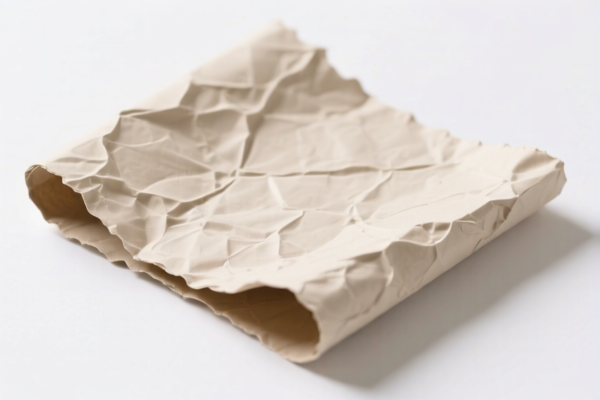
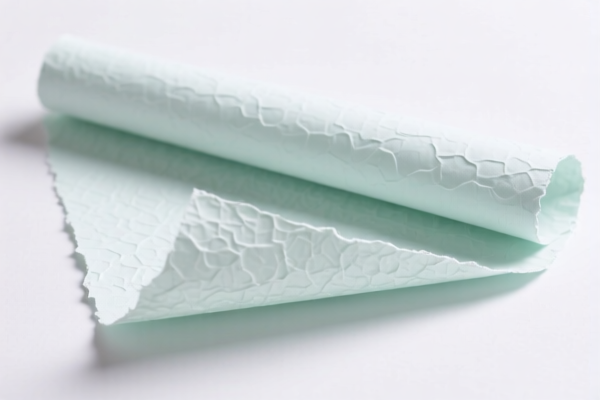
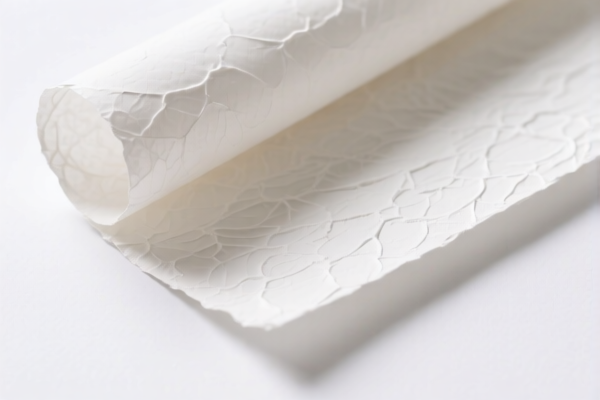

AI Analysis
🃏 Electronic Card Paper (Printed Cards & Paper Products)
🌐 HS Code Reference & Customs Clearance Guide | 2026 Latest Tariff Analysis | Professional Strategy for Printed Goods
📌 I. Product Definition & Classification: What Exactly is "Electronic Card Paper"?
"Electronic Card Paper" is a broad term in international trade that generally refers to paper-based cards used for electronic identification, gaming, or promotional purposes. In the context of US Customs and Border Protection (CBP), the classification hinges heavily on whether the item is viewed primarily as a printed item or a specific paper product.
Key Distinctions: * Printed Cards (Playing/Greeting/Identity): If the card contains text, images, or specific designs (like playing cards, business cards, or ID cards), it falls under Chapter 49 (Printed Books, Newspapers, Pictures, etc.). * Plain Paper Products: If the card is blank or generic paper cut to size without significant print content, it falls under Chapter 48 (Paper and Paperboard). * Playing Cards Specifically: If the item is explicitly for gaming (like poker cards), it may have a dedicated subheading regardless of material, though paper is the standard.
⚠️ Critical Classification Point:
- If the item is a playing card (e.g., poker, bridge) →归入 9504.40.00.00 (Gaming/Playing Cards).
- If the item is a printed card (e.g., business card, greeting card, ID card) →归入 4911.99.80.00 or 4911.91.40.40 (Printed Matter).
- If the item is blank paper cut to size →归入 4823.90.31.00 or 4823.90.86.80 (Paper Articles).
📦 II. HS Code Classification Details (2026 Latest Tariff Authority)
Based on the provided data, here are the valid HS Codes for "Electronic Card Paper," categorized by product nature:
| HS Code | Product Description | Usage Scenario | Material/Feature |
|---|---|---|---|
9504.40.00.00 |
Playing Cards (Paper-based) | Poker, Bridge, Casino Games | Paper material, specific gaming use |
4911.99.80.00 |
Printed Matters (Other) | General printed cards, business cards, promotional cards | Paper material, printed format |
4911.91.40.40 |
Picture Designs (Printed) | Cards with specific image design, ID cards, artistic cards | Paper material, image/design focused |
4823.90.31.00 |
Paper Articles (Other) | Generic paper cards, blank cards, cardboard inserts | Paper/Board material, general purpose |
4823.90.86.80 |
Cut Paper Products | Cards cut to specific sizes/shapes, generic paper stock | Paper material, cut to size/shape |
🔍 Key Reminder:
- "Electronic" does not mean "Electronic Component": If the card has no chips, circuits, or active electronics, it is NOT Chapter 85 (Electrical Machinery). It is a paper product.
- Playing Cards are Special:9504.40.00.00is unique because it is categorized under "Games and Toys," not just paper, often leading to lower base tariffs.
💰 III. 2026 Latest Tariff Rate Breakdown (Including Additional Duties & Policy Surcharges)
✅ Applicable Country: United States (US)
✅ Origin: China (CN)
✅ Effective Date: 2025/2026 (Current Trade Policies)
🎯 1. 9504.40.00.00 —— Playing Cards (Paper)
| Item | Content |
|---|---|
| Base Tariff | 0% (ad valorem) |
| Section 301 Surcharge | 0% (No additional duty for playing cards under this specific code) |
| Section 122 Surcharge | +10% (Specific penalty/tariff clause) |
| Total Rate | 10% |
| Calculation | CIF Value × 10% |
| De Minimis Exemption | ❌ Not Applicable (Usually subject to full duty for Section 122) |
| Legal Basis | Standard Harmonized Tariff Schedule + Section 122 Clause |
📌 Explanation:
- This is the most cost-effective classification for paper-based gaming cards.
- Base tariff is 0%, but the Section 122 clause applies, adding 10%.
- No 301/25% surcharge makes this significantly cheaper than other paper codes.
🎯 2. 4911.99.80.00 —— Printed Matters (Other)
| Item | Content |
|---|---|
| Base Tariff | 0% |
| Section 301 Surcharge | +7.5% |
| Section 122 Surcharge | +10% |
| Total Rate | 17.5% |
| Calculation | CIF Value × 17.5% |
| De Minimis Exemption | ❌ Not Applicable |
| Legal Basis | 301: 7.5% + 122: 10% |
📌 Explanation:
- Applies to general printed cards (business cards, postcards, etc.).
- Moderate tariff. Lower than pure paper products because it is classified as "printed matter" rather than raw material.
🎯 3. 4911.91.40.40 —— Picture Designs (Printed)
| Item | Content |
|---|---|
| Base Tariff | 0% |
| Section 301 Surcharge | +7.5% |
| Section 122 Surcharge | +10% |
| Total Rate | 17.5% |
| Calculation | CIF Value × 17.5% |
| De Minimis Exemption | ❌ Not Applicable |
| Legal Basis | 301: 7.5% + 122: 10% |
📌 Explanation:
- Similar to4911.99.80.00but specifically for items described as "Picture Designs."
- Tariff structure is identical to general printed matters.
🎯 4. 4823.90.31.00 & 4823.90.86.80 —— Paper Articles (Blank/Cut)
| Item | Content |
|---|---|
| Base Tariff | 0% |
| Section 301 Surcharge | +25% |
| Section 122 Surcharge | +10% |
| Total Rate | 35.0% |
| Calculation | CIF Value × 35.0% |
| De Minimis Exemption | ❌ Not Applicable |
| Legal Basis | 301: 25% + 122: 10% |
📌 Explanation:
- Applies if the cards are considered blank paper or generic paper products.
- Highest Tax Burden due to the 25% Section 301 surcharge.
- Risk: If you ship "printed cards" but declare them as "blank paper cards," you risk customs reclassification and penalties.
🛠️ IV. Customs Clearance Practical Advice (Avoiding Pitfalls)
✅ 1. Preparation Checklist (Must-Have Documents)
| Document | Required? | Purpose |
|---|---|---|
| ✅ Product Photos | ✔️ | Show if the card has print, design, or is blank. |
| ✅ Commercial Invoice | ✔️ | Must specify: "Paper Playing Cards" vs "Printed Business Cards." |
| ✅ Product Specification | ✔️ | Describe material (paper weight, type) and usage. |
| ✅ Content Description | ✔️ | If printed, describe the image/text briefly. |
✅ 2. Declaration Strategy (Key Tips)
🔥 "Be Specific About Use!"
| Scenario | Recommended HS Code | Why? |
|---|---|---|
| Poker/Playing Cards | 9504.40.00.00 |
Lowest tax (10%). Clearly state "For Gaming." |
| Business/ID Cards | 4911.99.80.00 |
Medium tax (17.5%). Clearly state "Printed Matter." |
| Blank Paper Cards | 4823.90.86.80 |
High tax (35%). Only if truly blank. |
⚠️ Common Mistake:
- Declaring printed cards as blank paper (4823) to avoid higher taxes on print?
👉 NO! Customs will inspect, see the print, reclassify, and fine you.
- Declaring gaming cards as general paper?
👉 NO! You lose the 0% base tariff benefit of9504.40.00.00.
✅ 3. Special Case Handling
| Situation | Advice |
|---|---|
| Cards with Chips (Smart Cards) | ❌ Do NOT use these HS Codes. Smart cards fall under Chapter 85 (e.g., 8523). They are electronic, not just paper. |
| Cardboard Boxes vs. Cards | Ensure the item is a "card" (flexible, thin) and not a "box" (rigid). Boxes may have different codes. |
| Mixed Shipments | Separate printed cards from blank paper in different packages or clearly list on invoice. |
🌍 V. Global Market Comparison (2026)
| Market | Best HS Code | Total Tax (China Origin) | Notes |
|---|---|---|---|
| 🇺🇸 USA | 9504.40.00.00 |
10% | Best for gaming cards. Avoid 4823 (35%). |
| 🇪🇺 EU | 4909.00.00 |
~6.5% | Different classification system; "Playing Cards" often in Ch. 49. |
| 🇨🇳 China | 4909.00.00 |
0% | Import tariff is 0% for playing cards. |
| 🇬🇧 UK | 9504.40.00 |
0% | Post-Brexit, still low for games. |
📌 Conclusion:
- The US market is highly sensitive to Section 301 and 122 duties.
- Gaming Cards (9504.40.00.00) are the most tariff-efficient for paper-based electronic-style cards.
- Printed Matter (4911) is acceptable for business/ID cards but costs more.
- Blank Paper (4823) is the most expensive and risky if misdeclared.
📌 VI. Common Errors & Pitfalls (Lessons Learned)
❌ Error 1: Calling "Smart Cards" (with chips) "Paper Cards."
👉 Result: Customs seizes goods for incorrect classification (should be Ch. 85).
❌ Error 2: Declaring "Printed Business Cards" as "Blank Paper Cards."
👉 Result: Fine for misdeclaration + back-tariff difference.
❌ Error 3: Ignoring Section 122 (10% tariff).
👉 Result: Unexpected 10% cost on all items, regardless of 301 status.
✅ Correct Approach:
"Paper Playing Cards, 52 standard decks, printed on coated paper, for casual gaming."
→ HS: 9504.40.00.00 | Tax: 10%
🎯 VII. Conclusion: Smart Classification, Lower Costs!
🎯 Golden Rule:
🔹 "Gaming Cards = 10% | Printed Cards = 17.5% | Blank Paper = 35%"
🔹 "If it has a chip, it’s not paper! Use Chapter 85!"
📌 Tip:
If you are exporting large volumes of printed cards to the US, consider Advance Rulings from CBP to confirm the exact HS Code and avoid post-clearance audits.
📣 Action Item:
📞 Confirm product nature: Gaming, Printed, or Blank?
🚀 Choose9504.40.00.00for gaming,4911.99.80.00for printed.
✨ Save 15-25% on tariffs by choosing the right code!
Customer Reviews
About HS Code Classification
The Harmonized System (HS) is an internationally standardized nomenclature developed by the World Customs Organization (WCO) to classify traded products. Over 200 countries use the HS system as the basis for customs tariffs, trade statistics, and import/export regulations.
Each HS code follows a hierarchical structure:
- Chapter (2 digits) — Broad category of goods (e.g., Chapter 84: Machinery and Mechanical Appliances)
- Heading (4 digits) — More specific grouping within the chapter
- Subheading (6 digits) — Internationally standardized breakdown, used by all WCO member countries
- National subdivisions (8-10 digits) — Country-specific extensions for further classification, such as US HTSUS 10-digit codes
Correct HS code classification is essential for smooth customs clearance, accurate duty payment, and compliance with trade regulations. Misclassification can lead to customs delays, overpayment of duties, or penalties.
When importing from CN to US, the applicable tariff rates may include:
- Most-Favored-Nation (MFN) rate — The standard duty rate applied to WTO members
- General rate — Applied to countries without trade agreements
- Trade remedy duties — Additional tariffs such as Section 301 (anti-dumping), Section 232 (national security), or countervailing duties
The information provided on this page is for reference purposes only. For official classification, please consult with your local customs authority or a licensed customs broker.