Electronic Clock
CN → US| HS Code | Tariff Rate | Origin | Destination | Doc |
|---|---|---|---|---|
| 9105195000 | 0.0% | CN | US | Official Doc |
| 9105194000 | 0.0% | CN | US | Official Doc |
| 9106906500 | 0.0% | CN | US | Official Doc |
Product Images
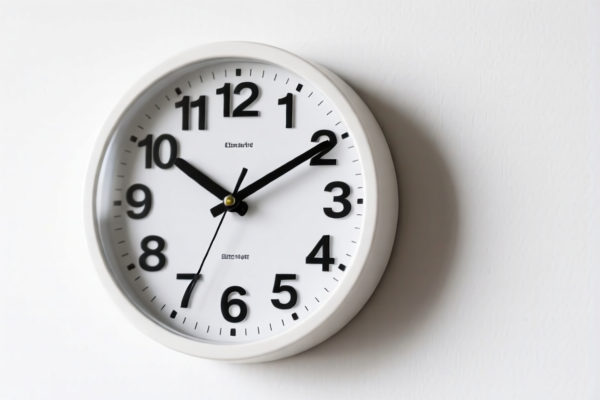
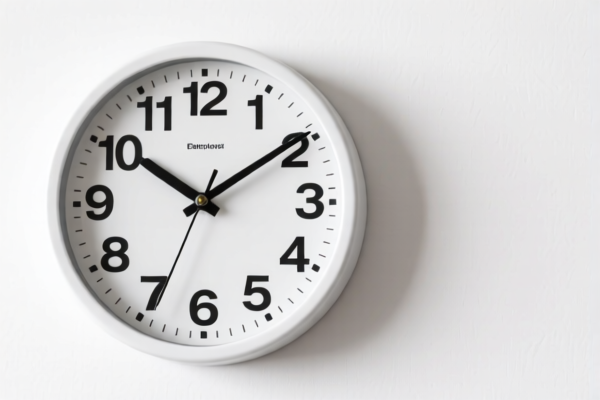
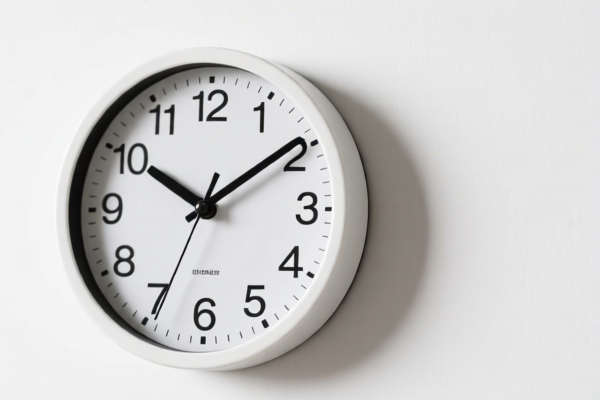
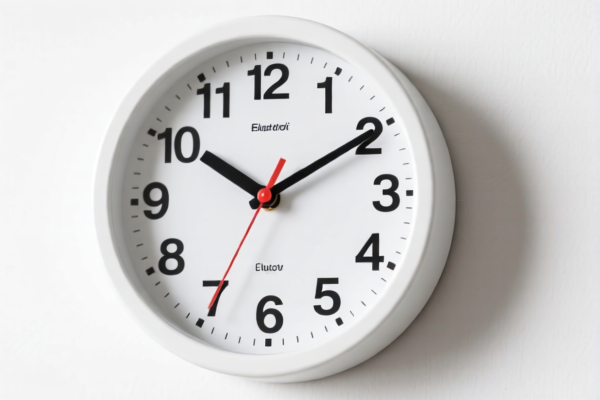
AI Analysis
⏰ Electronic Clocks (Timekeeping Devices)
🌐 HS Code Reference & Customs Clearance Guide | 2026 Latest Tariff Analysis | Professional通关 Strategy
📌 1. Product Definition: Are You Sure It’s Just a "Clock"?
Electronic clocks are ubiquitous timekeeping devices powered by batteries or electricity, utilizing electronic circuits rather than purely mechanical movements. In international trade, classification depends heavily on functionality, form factor, and internal components.
🔍 Key Classification Distinctions: * Alarm Clocks (9105): Devices specifically designed to wake users or signal time intervals, often with alarm functions. * Time Interval Indicators (9106): Devices primarily used to measure or indicate time intervals (duration) rather than continuous time-of-day, often using battery-powered electronic movement. * General Timekeeping (9105 vs 9106): The presence of specific "alarm" features or the nature of the "indication" (continuous time vs. interval) drives the HS Code selection.
⚠️ Critical Checkpoint: - If it has a standard analog/digital display for hours/minutes AND an alarm function → Likely 9105. - If it is a timer, stopwatch, or industrial interval indicator with electronic movement → Likely 9106. - Material conflicts are generally not a primary classifier for these electronic devices, but the purpose is.
📦 2. HS Code Classification Details (2026 Latest Tariff Authority)
Based on the provided data, here are the three potential classifications for "Electronic Clock" products, along with their specific tax implications.
| HS Code | Product Description & Summary | Tax Calculation Model |
|---|---|---|
9105.19.50.00 |
Alarm Clock (Other Type) 📌 Summary: Matches use as an alarm clock; form is other types of alarm clocks; no material conflict. 🔋 Power: Battery/Electric |
23¢ each + 3.2% + 17.5% (Base: 23¢/ea + 3.2%; Section 301: 7.5%; Section 122: 10%) |
9105.19.40.00 |
Electronic Alarm Clock 📌 Summary: Matches use as an alarm clock; form is electronic products within the timekeeping category; no material conflict. 🔋 Power: Electronic |
15¢ each + 6.4% + 10.0% (Base: 15¢/ea + 6.4%; Section 301: 0.0%; Section 122: 10%) |
9106.90.65.00 |
Time Interval Indicator (Electronic) 📌 Summary: Matches use for indicating time intervals; material/power source is battery-operated with electronic timing movement. 🔋 Power: Battery + Electronic Movement |
15¢ each + 2.3% + 0.8¢/jewel + 35.0% (Base: 15¢/ea + 2.3% + 0.8¢/jewel; Section 301: 25.0%; Section 122: 10%) |
🔍 重点提醒 (Key Takeaway): - 9105.19.40.00 offers the lowest total tax burden (16.4% total effective rate) if the product is clearly an electronic alarm clock. - 9105.19.50.00 is more expensive (20.7% total) for "other" alarm clocks, likely non-electronic or hybrid forms. - 9106.90.65.00 is the most expensive (35% total) and complex (per-jewel fee) if misclassified as a simple timer/interval indicator. Avoid this unless it is strictly a timer.
💰 3. 2026 Latest Tariff Rate Details (Including Add-on Taxes)
✅ Applicable Country: United States (US)
✅ Origin: China (CN) (Implied by Section 122/301 context)
✅ Effective Date: Current Regulations Apply
🎯 1. 9105.19.40.00 – Electronic Alarm Clock (Recommended for Most Consumer Electronics)
| Item | Detail |
|---|---|
| Base Duty | 15¢ each + 6.4% ad valorem |
| Section 301 Add-on (China) | 0.0% (No additional Section 301 tax for this specific subheading in the provided data) |
| Section 122 Add-on | 10% |
| Total Effective Rate | 16.4% (+ fixed 15¢ per unit) |
| Tax Calculation | (CIF Value × 6.4%) + (Units × $0.15) + (CIF Value × 10%) |
| De Minimis Eligibility | ❌ Not Eligible (Likely denied due to Section 122/301 complexities) |
| Legal Basis Path | HS:9105.19.40.00 → Section 122: 10% |
📌 Interpretation:
- This is the most cost-effective classification for standard digital/analog electronic alarm clocks. - The 0% Section 301 status is crucial, making it significantly cheaper than many other electronics. - The 10% Section 122 tax still applies, so it is not tax-free.
🎯 2. 9105.19.50.00 – Other Alarm Clocks
| Item | Detail |
|---|---|
| Base Duty | 23¢ each + 3.2% ad valorem |
| Section 301 Add-on (China) | 7.5% |
| Section 122 Add-on | 10% |
| Total Effective Rate | 20.7% (+ fixed 23¢ per unit) |
| Tax Calculation | (CIF Value × 3.2%) + (Units × $0.23) + (CIF Value × 7.5%) + (CIF Value × 10%) |
| De Minimis Eligibility | ❌ Not Eligible |
| Legal Basis Path | HS:9105.19.50.00 → Section 301: 7.5% → Section 122: 10% |
📌 Interpretation:
- Applies to "other" alarm clocks, possibly non-digital or legacy types. - Higher fixed duty per unit (23¢ vs 15¢) and higher ad valorem rate (3.2% + 7.5% + 10%). - Use only if the product does not fit "Electronic" criteria under 9105.19.40.
🎯 3. 9106.90.65.00 – Time Interval Indicator (Battery/Electronic)
| Item | Detail |
|---|---|
| Base Duty | 15¢ each + 2.3% + 0.8¢/jewel |
| Section 301 Add-on (China) | 25.0% |
| Section 122 Add-on | 10% |
| Total Effective Rate | 35.0% (+ fixed fees) |
| Tax Calculation | (CIF Value × 2.3%) + (Units × $0.15) + (Jewels × $0.008) + (CIF Value × 25%) + (CIF Value × 10%) |
| De Minimis Eligibility | ❌ Not Eligible |
| Legal Basis Path | HS:9106.90.65.00 → Section 301: 25.0% → Section 122: 10% |
📌 Interpretation:
- Highest Risk Classification. The 25% Section 301 tax makes this very expensive. - The "per jewel" fee applies if the movement contains jewels (common in mechanical hybrids, but less so in pure electronic). - Only classify here if the product is NOT an alarm clock but rather a timer/interval device. Misclassifying an alarm clock here leads to audit risks.
🛠️ 4. Customs Clearance Practical Advice (Battle-Tested Pitfall Avoidance)
✅ 1. Documentation Checklist (Non-Negotiable)
| Document | Required? | Purpose |
|---|---|---|
| ✅ Product Specification Sheet | ✔️ | Must clearly state: "Electronic Alarm Clock" vs. "Time Interval Timer" |
| ✅ User Manual/Instructions | ✔️ | Proves primary function (alarm vs. timer) |
| ✅ Product Photos (Front/Back/Display) | ✔️ | Visual proof of digital/analog display and alarm buttons |
| ✅ Internal Circuit Diagram (If Asked) | ✔️ | Confirms electronic movement (supports 9105.19.40) |
| ✅ Commercial Invoice | ✔️ | Must use precise description: "Electronic Digital Alarm Clock, Battery Powered" |
| ✅ Packaging List | ✔️ | Shows units clearly; avoid vague terms like "Time Device" |
📌 Tip: If the device has an alarm function, it MUST be classified under 9105. Classifying it as a timer (9106) to avoid taxes is a common customs violation.
✅ 2. Declaration Strategy (Key Mantra)
🔥 "Alarm First, Electronic Second, Timer Last, Avoid High Tax!"
| Scenario | Correct HS Code | Wrong Code & Consequence |
|---|---|---|
| Digital Alarm Clock (Battery) | 9105.19.40.00 (16.4%) | ❌ 9106.90.65.00 → 35% Tax! |
| Analog Alarm Clock (Mains) | 9105.19.50.00 (20.7%) | ❌ 9105.19.40.00 → Audit Risk |
| Pure Timer/Stopwatch (No Alarm) | 9106.90.65.00 (35%) | ❌ 9105.19.40.00 → Misdeclaration |
| Wall Clock (Non-Alarm) | Check 9104/9105/9106 | ❌ Generic "Clock" → Delayed Clearance |
📌 Key Advice:
- Label Clearly: Use "Alarm Clock" in the description if it has an alarm function. - Avoid Vague Terms: Do not use "Smart Time Device" or "Electronic Clock" without specifying function. - Battery Declaration: Ensure battery compliance (UN38.3, MSDS) is attached, as all three codes involve battery/power sources.
✅ 3. Special Cases
| Case | Handling Suggestion |
|---|---|
| Smartwatches with Alarm | May fall under 9102 (Wristwatches), NOT 9105/9106. Check if it fits "Wristwatch" definition. |
| Desk Clocks with Temperature Display | Still 9105 if alarm is primary function. |
| Industrial Timers | If no "wake-up" alarm, use 9106.90.65.00 but be prepared for 35% tax. |
| Gift Sets (Clock + Charger) | Declare as complete set under the primary item (Alarm Clock) to avoid split classification. |
🌍 5. Global Market Comparison (2026 Update)
| Country/Region | Recommended HS Code | Est. Total Tax (China Origin) | Certifications Required |
|---|---|---|---|
| 🇺🇸 USA | 9105.19.40.00 |
16.4% (Best Case) | FCC (if wireless), UL/ETL (if mains) |
| 🇨🇳 China | 9105.19.40.00 |
~5-10% (Varies) | CCC (if applicable) |
| 🇪🇺 EU | 9105.19.40.00 |
~0-10% (VAT Extra) | CE, RoHS, WEEE |
| 🇬🇧 UK | 9105.19.40.00 |
~0-10% (VAT Extra) | UKCA, RoHS |
| 🇦🇺 Australia | 9105.19.40.00 |
~5% + GST | RCM, ACMA |
📌 Conclusion:
- The USA has complex add-on taxes (Section 122/301), making HS Code selection critical for cost control. - 9105.19.40.00 is the sweet spot for electronic alarm clocks entering the US market. - EU/UK have lower duties but stricter environmental certifications (RoHS/WEEE).
📌 6. Common Errors & Pitfalls (Blood & Tears Lessons)
❌ Mistake 1: Declaring an Alarm Clock as a "Timer" (9106) to avoid 10% Section 122.
👉 Consequence: Customs audit, reclassification to 9105, back taxes + penalties.
❌ Mistake 2: Using "General Clock" as a description.
👉 Consequence: Customs may assign the highest duty rate (9106.90.65.00 at 35%) due to ambiguity.
❌ Mistake 3: Ignoring the "Per Jewel" fee in 9106.
👉 Consequence: If your device has a hybrid movement (rare for pure electronic), the 0.8¢/jewel fee adds up. Ensure pure electronic classification (9105.19.40) to avoid this.
❌ Mistake 4: Not declaring battery compliance.
👉 Consequence: Shipment held at border for UN38.3/MSDS inspection.
✅ Correct Approach:
"Digital Electronic Alarm Clock, Battery Operated, with Snooze Function, Model XYZ, FCC Certified"
🎯 7. Conclusion: Precision Classification Saves Money!
🎯 Remember the Mantra:
🔹 "Alarm = 9105, Electronic = .40, Timer = 9106 (Expensive!)"
🔹 "16.4% vs 35%, Choose 9105.19.40.00 for Smart Savings!"
🔹 "Section 122 is 10% Everywhere, but Section 301 is 0% for 9105.19.40!"
📌 Pro Tip:
If your product is a Smartwatch (wearable), it is NOT an alarm clock (9105). It falls under 9102. Misclassification here can lead to severe penalties.
For Desk/Alarm Clocks, stick to 9105.19.40.00 for the lowest US tariff burden.
📣 Immediate Action:
📞 Verify your product's primary function (Alarm vs. Timer)
📦 Prepare FCC/UL certificates
📝 Declare as "Electronic Alarm Clock" to secure 16.4% tax rate
✨ Professional clearance starts with accurate HS codes!
💼 Every percentage point saved is pure profit!
Customer Reviews
About HS Code Classification
The Harmonized System (HS) is an internationally standardized nomenclature developed by the World Customs Organization (WCO) to classify traded products. Over 200 countries use the HS system as the basis for customs tariffs, trade statistics, and import/export regulations.
Each HS code follows a hierarchical structure:
- Chapter (2 digits) — Broad category of goods (e.g., Chapter 84: Machinery and Mechanical Appliances)
- Heading (4 digits) — More specific grouping within the chapter
- Subheading (6 digits) — Internationally standardized breakdown, used by all WCO member countries
- National subdivisions (8-10 digits) — Country-specific extensions for further classification, such as US HTSUS 10-digit codes
Correct HS code classification is essential for smooth customs clearance, accurate duty payment, and compliance with trade regulations. Misclassification can lead to customs delays, overpayment of duties, or penalties.
When importing from CN to US, the applicable tariff rates may include:
- Most-Favored-Nation (MFN) rate — The standard duty rate applied to WTO members
- General rate — Applied to countries without trade agreements
- Trade remedy duties — Additional tariffs such as Section 301 (anti-dumping), Section 232 (national security), or countervailing duties
The information provided on this page is for reference purposes only. For official classification, please consult with your local customs authority or a licensed customs broker.