Electronic Grade Silicon Wafer (Doped)
CN → US| HS Code | Tariff Rate | Origin | Destination | Doc |
|---|---|---|---|---|
| 8541590040 | 60.0% | CN | US | Official Doc |
| 3818000020 | 60.0% | CN | US | Official Doc |
| 3824991900 | 41.5% | CN | US | Official Doc |
| 3824993990 | 35.0% | CN | US | Official Doc |
| 8541100040 | 60.0% | CN | US | Official Doc |
Product Images
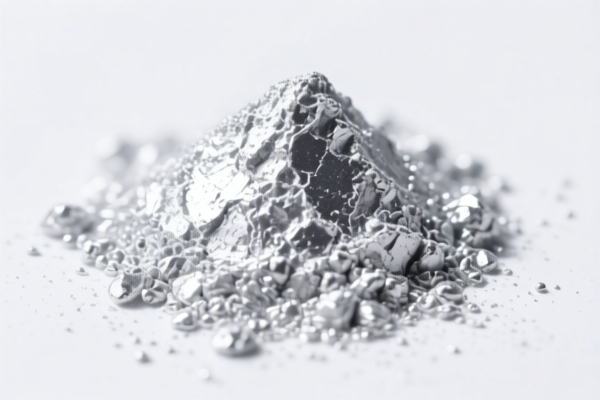
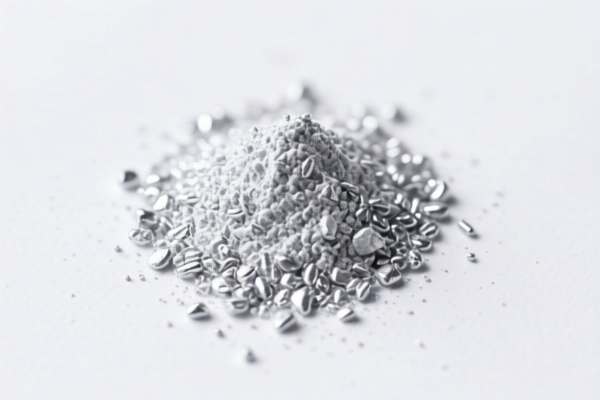
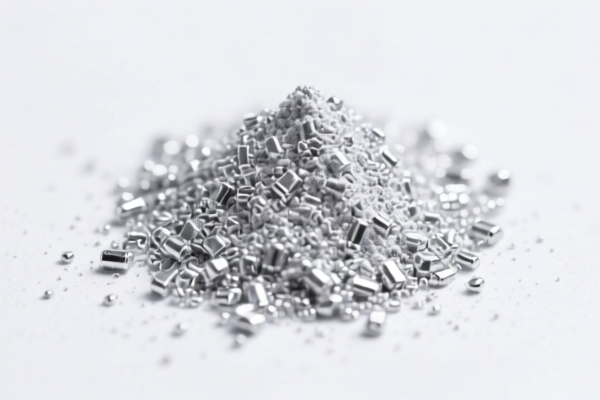
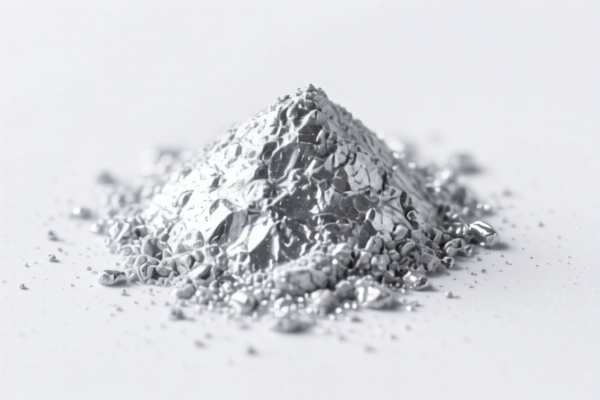
AI Analysis
🧬 Silicon Wafer (Doped) – Electronic Grade
🌐 HS Code Reference & Customs Clearance Guide | 2026 Latest Tariff Breakdown | Professional Clearance Strategy
📌 1. Product Definition: What is "Silicon Wafer (Doped)"?
Electronic Grade Silicon Wafer (Doped) refers to high-purity silicon crystals that have been intentionally impregnated with specific elements (such as Boron, Phosphorus, or Nitrogen) to alter their electrical conductivity. These wafers are the foundational building blocks for semiconductors, solar cells, and microelectronics.
Key Classification Distinctions: * Intrinsic vs. Doped: Pure silicon falls under different categories than doped silicon. Doping is a critical process that changes the chemical and functional nature of the material. * Form Factor: If the product is a finished "wafer" ready for chip fabrication, it may fall under semiconductor devices (Chapter 85). If it is considered a prepared chemical compound or mixture, it may fall under Chemicals (Chapter 38).
⚠️ Critical Clarification Point:
- If the wafer is finished for semiconductor use (cleaned, polished, specific resistivity) → Likely Chapter 85 (Semiconductors).
- If the wafer is considered a prepared chemical material/mixture (especially with specific doping agents like Nitrogen) → Likely Chapter 38 (Miscellaneous Chemical Products).
- US Trade Policy Impact: Both categories are subject to significant Section 301 tariffs and IEEPA surcharges for Chinese origin.
📦 2. HS Code Classification Matrix (2026 Latest Tariff Authority Match)
Based on the provided data, here are the 5 possible classifications for "Silicon Wafer (Doped)" with their matching logic:
| HS Code | Product Description | Matching Logic & Summary |
|---|---|---|
8541.59.00.40 |
Silicon Wafers (General Semiconductor) | Match Success: The term "Silicon Wafer" fully matches the classification explanation's "wafers" key form. Material is Silicon, consistent with semiconductor devices. |
3818.00.00.20 |
Doped Silicon Wafers (Chemical Preparation) | Full Match: "Doped Silicon Wafer" matches "Polysilicon wafers, doped" in both material (Silicon) and usage (Doped). |
8541.10.00.40 |
Uninstalled Chips, Grains, and Wafers | Match Success: Form is "Wafer," belonging to "Uninstalled chips, grains, and wafers." Material is Silicon, fitting semiconductor device attributes. |
3824.99.19.00 |
Nitrogen-Doped Silicon Wafers | Consistency Check: For Nitrogen-doped silicon wafers. Material (Silicon) aligns with chemical preparations/crystal growth categories. No conflict with "other chemical products." |
3824.99.39.90 |
Inorganic Compound Mixtures (Doped Silicon) | Catch-All Fit: Nitrogen-doped silicon wafers are mixed forms of inorganic compounds (Silicon + Doping Elements). Fits the "mixture of two or more inorganic compounds" attribute. Not excluded lithium-nickel-cobalt-manganese oxides. |
🔍 Key Takeaway:
- Chapter 85 (8541) treats the wafer as a semiconductor component.
- Chapter 38 (3818,3824) treats the wafer as a prepared chemical material.
- Doping Agent Matters: Specific mention of "Nitrogen" may push classification toward3824variants, while generic "Doped" often aligns with3818or8541.
💰 3. 2026 Latest Tariff Rate Breakdown (China Origin → US)
✅ Applicable Country: United States (US)
✅ Origin: China (CN)
✅ Effective Time: From November 10, 2025 (including subsequent imports)
🎯 1. Semiconductor Device Classification (8541.59.00.40 & 8541.10.00.40)
These codes treat the wafer as a semiconductor device/component.
| Item | Details |
|---|---|
| Base Tariff | 0.0% |
| Section 301 Surcharge | 50.0% |
| IEEPA Surcharge | 10.0% (Specific to Chinese/ HK products) |
| Total Tariff Rate | 60.0% |
| Calculation | CIF Value × 60% |
| De Minimis Exemption | ❌ DENIED (deny_de_minimis) |
| Legal Basis Path | Section 301 → IEEPA:9903.01.25/9903.01.24 → USITC:8541.x.x.x.x |
📌 Explanation:
- The 50% is from the USITC Section 301 list for specific semiconductor-related goods.
- The 10% is an additional IEEPA surcharge applied to Chinese goods starting Nov 2025.
- Total 60% is extremely high. Misclassification here can lead to massive duty liabilities.
🎯 2. Chemical Preparation Classification (3818.00.00.20)
Specifically for "Doped Silicon Wafers" treated as chemical preparations.
| Item | Details |
|---|---|
| Base Tariff | 0.0% |
| Section 301 Surcharge | 50.0% |
| IEEPA Surcharge | 10.0% |
| Total Tariff Rate | 60.0% |
| Calculation | CIF Value × 60% |
| De Minimis Exemption | ❌ DENIED (deny_de_minimis) |
| Legal Basis Path | Section 301 → IEEPA → USITC:3818.00.00.20 |
📌 Note:
- Despite being under Chapter 38, this specific doped silicon wafer code attracts the same 60% total tariff.
- This reflects the US policy of treating high-tech silicon materials as strategic goods regardless of whether they are classified as chemicals or semiconductors.
🎯 3. Nitrogen-Doped Variants (3824.99.19.00)
For specific Nitrogen-doped silicon wafers classified under miscellaneous chemical products.
| Item | Details |
|---|---|
| Base Tariff | 6.5% |
| Section 301 Surcharge | 25.0% |
| IEEPA Surcharge | 10.0% |
| Total Tariff Rate | 41.5% |
| Calculation | CIF Value × 41.5% |
| De Minimis Exemption | ❌ DENIED (deny_de_minimis) |
| Legal Basis Path | USITC:3824.99.19.00 → FOOTNOTE → IEEPA |
📌 Explanation:
- Slightly Lower (41.5%): This classification benefits from a lower Section 301 rate (25% instead of 50%).
- Applicability: Only valid if the product is explicitly Nitrogen-doped and customs accepts the "miscellaneous chemical product" definition over "semiconductor."
- Risk: High risk of reclassification if not properly documented as a chemical mixture.
🎯 4. Inorganic Mixture Classification (3824.99.39.90)
For Nitrogen-doped silicon wafers viewed as inorganic compound mixtures.
| Item | Details |
|---|---|
| Base Tariff | 0.0% |
| Section 301 Surcharge | 25.0% |
| IEEPA Surcharge | 10.0% |
| Total Tariff Rate | 35.0% |
| Calculation | CIF Value × 35% |
| De Minimis Exemption | ❌ DENIED (deny_de_minimis) |
| Legal Basis Path | USITC:3824.99.39.90 → Section 301 → IEEPA |
📌 Note:
- Lowest Rate (35%): This is the most tariff-efficient option if the product qualifies.
- Strict Criteria: Must be proven as a "mixture of inorganic compounds" and not specifically excluded.
- Caution: US Customs may challenge this if the wafer is clearly a standardized semiconductor product.
🛠️ 4. Customs Clearance Practical Advice (Actionable Checklist)
✅ 1. Documentation Requirements (Essential)
| Document | Required | Purpose |
|---|---|---|
| ✅ Technical Data Sheet | ✔️ | Details doping type (B, P, N), concentration, resistivity, thickness. Critical for distinguishing between 8541 and 3824. |
| ✅ Material Safety Data Sheet (MSDS) | ✔️ | Shows chemical composition. Helps support Chapter 38 classification if claiming "chemical mixture." |
| ✅ Product Photos (Clear Label) | ✔️ | Shows "Wafer," "Doped," specific grade, and any certification marks. |
| ✅ Certificate of Origin | ✔️ | Must clearly state "China" origin to apply correct tariffs. |
| ✅ Commercial Invoice | ✔️ | Description must be precise: e.g., "Nitrogen-Doped Silicon Wafer, Electronic Grade, 4-inch." Avoid vague terms like "Silicon Part." |
| ✅ ** packing List** | ✔️ | Detail packaging to prevent damage and confirm quantity. |
✅ 2. Declaration Strategy (Pro Tips)
🔥 “Be Specific: Doping Type = Tariff Outcome”
| Scenario | Recommended HS Code | Why? |
|---|---|---|
| Generic Doped Wafer (Boron/Phosphorus) | 8541.59.00.40 or 3818.00.00.20 |
High confidence in semiconductor/chemical prep. Tax: 60%. |
| Nitrogen-Doped Wafer (Explicit) | 3824.99.39.90 |
Attempt to claim "inorganic mixture" for lower 35% tax. Requires strong chemical justification. |
| Finished Semiconductor Wafer | 8541.10.00.40 |
If ready for chip fabrication. Tax: 60%. |
| Unclear/General Doped | 3824.99.19.00 |
Fallback for Nitrogen-doped if 3824.99.39.90 is rejected. Tax: 41.5%. |
⚠️ Warning:
- Do NOT use "Silicon" or "Wafer" alone. Must specify "Doped" and the Doping Element.
- If you declare as3824but the wafer is clearly a standard semiconductor product, Customs may reclassify to8541and assess 60% tax + penalties.
✅ 3. Special Cases & Risk Mitigation
| Situation | Handling Advice |
|---|---|
| Small Sample Shipments | ❌ No De Minimis. Even small shipments (e.g., < $800) are subject to full tariffs due to deny_de_minimis status for Chapter 38/85 silicon products. |
| Mixed Containments | If shipping wafers + cleaning chemicals, declare separately. Do not bundle to avoid triggering higher duty rates on the whole shipment. |
| Re-export from Third Country | If shipped from Vietnam/Malaysia but originates in China, still subject to US tariffs. Provide proof of substantial transformation if claiming non-CN origin. |
| IEEPA Surcharge Eligibility | Ensure the "Country of Origin" is marked as China. If any part is processed in a country with IEEPA exemptions, document the supply chain meticulously. |
🌍 5. Global Market Comparison (2026)
| Country/Region | Recommended HS Code | Estimated Tariff (China Origin) | Notes |
|---|---|---|---|
| 🇺🇸 USA | 8541.59.00.40 / 3818.00.00.20 |
60% | Highest duty due to 50% Section 301 + 10% IEEPA. |
| 🇪🇺 EU | 3818.00.29 |
~0-2% | Generally low base tariff. No Section 301 equivalent. |
| 🇨🇳 China | 3818.00.20 |
0% | Import duty may be 0%, but VAT applies. |
| 🇯🇵 Japan | 3818.00.20 |
~0% | Free trade agreement considerations may apply. |
📌 Conclusion for US Market:
- The US is the most expensive market for Silicon Wafer imports due to aggressive trade policies.
- Strategy: Consider Duty Deferral Programs (e.g., Foreign Trade Zones) or Advance Rulings to lock in the lower3824rates if applicable.
📌 6. Common Errors & Pitfalls (Lessons Learned)
❌ Error 1: Declaring "Silicon Wafer" without mentioning "Doped."
👉 Result: Customs may classify as raw silicon (2804.61.00), leading to reclassification, delays, and potential underpayment claims.
❌ Error 2: Using 3824.99.39.90 for non-Nitrogen doped wafers.
👉 Result: High risk of audit. If doping agent is Boron, not Nitrogen, this code may be rejected, forcing a switch to 60% tax codes.
❌ Error 3: Assuming de minimis applies.
👉 Result: Small shipments are NOT exempt. Duty is charged on every package.
✅ Correct Approach:
"Electronic Grade Silicon Wafer, Doped with Nitrogen, 100mm Diameter, Polished, For Semiconductor Use, HS Code 3824.99.39.90, Country of Origin: China."
🎯 7. Conclusion: Precision is Profit
🎯 Remember the Rules:
🔹 "Doped is Key: Specify the Element!"
🔹 "US Tax is High: 60% for Semiconductors, 35-41% for Chemical Mixtures."
🔹 "No De Minimis: Every Shipment Pays."
📌 Pro Tip:
If your product is Nitrogen-Doped, strive to support the 3824.99.39.90 (35% tax) classification with strong chemical documentation. For Boron/Phosphorus-Doped, expect 60%. Always apply for a Pre-Ruling from US Customs to avoid post-import audits.
📣 Immediate Action:
📞 Consult a Customs Broker specializing in semiconductors.
📄 Prepare Technical Data Sheets highlighting doping concentration and method.
🚀 Optimize Your HS Code to legally minimize the 60% tariff burden.
✨ Expert Clearance Starts with Accurate Classification!
💼 Your Supply Chain’s Competitiveness Depends on This 25% Difference!
Customer Reviews
About HS Code Classification
The Harmonized System (HS) is an internationally standardized nomenclature developed by the World Customs Organization (WCO) to classify traded products. Over 200 countries use the HS system as the basis for customs tariffs, trade statistics, and import/export regulations.
Each HS code follows a hierarchical structure:
- Chapter (2 digits) — Broad category of goods (e.g., Chapter 84: Machinery and Mechanical Appliances)
- Heading (4 digits) — More specific grouping within the chapter
- Subheading (6 digits) — Internationally standardized breakdown, used by all WCO member countries
- National subdivisions (8-10 digits) — Country-specific extensions for further classification, such as US HTSUS 10-digit codes
Correct HS code classification is essential for smooth customs clearance, accurate duty payment, and compliance with trade regulations. Misclassification can lead to customs delays, overpayment of duties, or penalties.
When importing from CN to US, the applicable tariff rates may include:
- Most-Favored-Nation (MFN) rate — The standard duty rate applied to WTO members
- General rate — Applied to countries without trade agreements
- Trade remedy duties — Additional tariffs such as Section 301 (anti-dumping), Section 232 (national security), or countervailing duties
The information provided on this page is for reference purposes only. For official classification, please consult with your local customs authority or a licensed customs broker.