Electronic Instruments
CN → US| HS Code | Tariff Rate | Origin | Destination | Doc |
|---|---|---|---|---|
| 9031200000 | 36.7% | CN | US | Official Doc |
| 9031808085 | 10.0% | CN | US | Official Doc |
| 9025198060 | 35.0% | CN | US | Official Doc |
| 9025114000 | 10.0% | CN | US | Official Doc |
| 9017304000 | 40.8% | CN | US | Official Doc |
| 9017308000 | 38.9% | CN | US | Official Doc |
Product Images
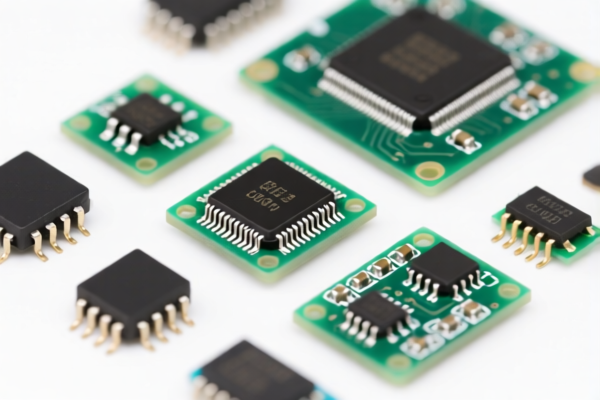
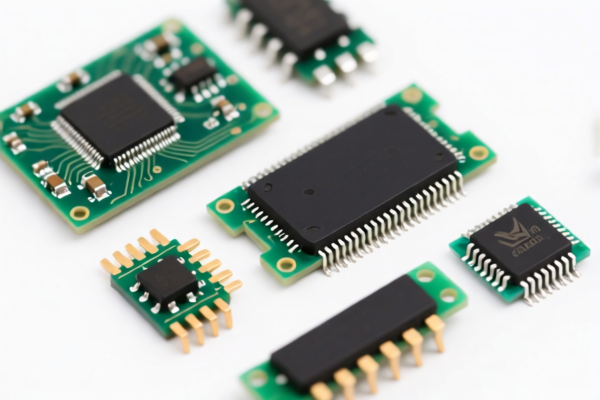
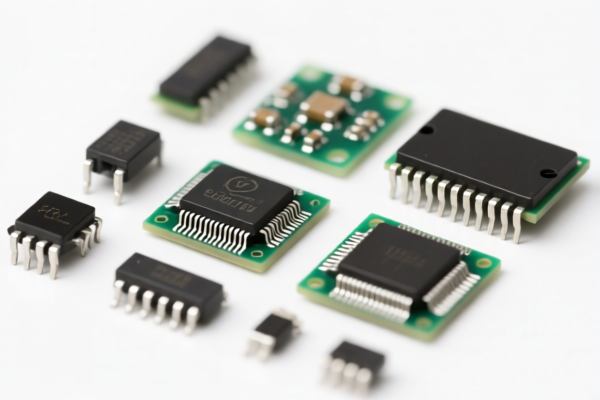
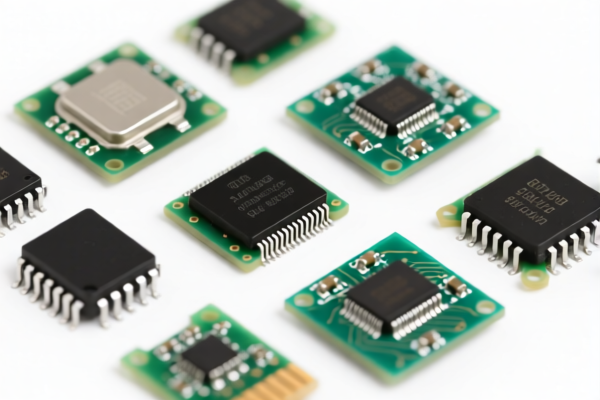
AI Analysis
⚡ Electronic Instruments (测量仪器/电子仪表)
🌐 HS Code Reference & Customs Clearance Guide | 2026 Latest Tariff Analysis | Professional Clearance Strategy 📌 1. Product Definition & Classification: What are "Electronic Instruments"?
Electronic Instruments are a broad category of devices used to measure, test, inspect, or control physical quantities (such as temperature, pressure, length, electrical parameters, or other physical properties). In international trade, these products are primarily classified under Chapter 90 (Optical, photographic, cinematographic, measuring, checking, precision, medical or surgical instruments).
Due to the diversity of measurement principles and applications, these instruments fall into several specific HS Code subheadings. The key differentiators are: * Function: Are they for general measurement, specific temperature checks, or precision length tools? * Clinical Use: Is it for medical diagnostics (e.g., clinical thermometers) or industrial/commercial use? * Material/Composition: Does the material cause any conflict with specific prohibitions? (Note: In the provided data, there are no material conflicts).
⚠️ Key Distinction Point: - If it’s a general-purpose measuring instrument → Often falls under 9031. - If it’s a thermometer/hygrometer for industrial use → Falls under 9025. - If it’s a mechanical measuring tool (calipers, micrometers) → Falls under 9017.
📦 2. HS Code Classification Details (2026 Latest Tariff Authority Comparison)
Based on the provided data, here are the valid HS Codes for "Electronic Instruments," along with their summaries and tax implications.
| HS Code | Product Description | Application Scenario | Summary Match Logic |
|---|---|---|---|
9031.20.00.00 |
Measuring or checking instruments, appliances and machines (Not specified elsewhere) | General-purpose electronic measuring devices (e.g., multimeters, oscilloscopes, sensors) | ✅ Purpose Match: No material conflict. |
9031.80.80.85 |
Other instruments, apparatus, and machines (General "Catch-all") | Specialized or less common electronic measuring devices not covered by other specific subheadings | ✅ Catch-all Category: No material conflict. |
9025.19.80.60 |
Thermometers, pyrometers, etc. (Non-clinical) | Industrial infrared thermometers, non-medical temperature sensors | ✅ Category Match: Non-clinical thermometers fall here. |
9025.11.40.00 |
Thermometers, pyrometers, etc. (Specific subcategory) | Specific types of thermometers/pressure gauges with consistent usage attributes | ✅ Attribute Match: Purpose-aligned. |
9017.30.40.00 |
Measuring instruments for length (e.g., calipers, micrometers) | Precision length measurement tools (digital calipers, laser distance meters) | ✅ Logical Inclusion: Contains measuring tools. |
🔍 Important Reminder: - 9031.20.00.00 and 9031.80.80.85 are the most common for general electronic measurement devices. - 9025.19.80.60 is critical for non-clinical thermometers. Do not confuse with clinical thermometers (which have different codes and potentially different regulations). - 9017.30.40.00 applies specifically to length measurement. If your device measures something else (e.g., voltage), do not use this code.
💰 3. 2026 Latest Tariff Rate Details (Including Surtaxes & Policy Additions)
✅ Applicable Country: USA (US) ✅ Country of Origin: China (CN) ✅ Effective Time: Current (Includes subsequent imports)
🎯 1. 9031.20.00.00 —— Measuring/Checking Instruments (General)
| Item | Content |
|---|---|
| Base Tariff | 1.7% (ad valorem) |
| Section 301 Surtax | +25.0% (from USITC Footnote 9903.88.01) |
| Section 122 Tariff | +10.0% (Specific policy surcharge) |
| Total Tax Rate | 36.7% |
| Tax Calculation | CIF Value × 36.7% |
| De Minimis Exemption | ❌ Not Eligible (deny_de_minimis) |
| Legal Basis Path | Base Tariff: 1.7% → Surtax: 25.0% → 122 Clause: 10% |
📌 Explanation: - This code applies to general-purpose electronic measuring devices. - The total rate of 36.7% is high due to the combination of base tariff and multiple surtaxes. - Section 301 (25%) is the standard Trump-era/Biden-era tariff on Chinese goods. - Section 122 (10%) is an additional surcharge mentioned in the data, likely related to specific trade policies or national security provisions.
🎯 2. 9031.80.80.85 —— Other Instruments (Catch-all)
| Item | Content |
|---|---|
| Base Tariff | 0.0% |
| Section 301 Surtax | 0.0% |
| Section 122 Tariff | +10.0% |
| Total Tax Rate | 10.0% |
| Tax Calculation | CIF Value × 10.0% |
| De Minimis Exemption | ❌ Not Eligible |
| Legal Basis Path | Base Tariff: 0.0% → Surtax: 0.0% → 122 Clause: 10% |
📌 Note: - This is a highly favorable code if your product qualifies. - It has no Section 301 surtax (0%), only the 122 Clause (10%). - Use this code only if the device does not fit more specific categories like thermometers (9025) or length tools (9017).
🎯 3. 9025.19.80.60 —— Non-Clinical Thermometers
| Item | Content |
|---|---|
| Base Tariff | 0.0% |
| Section 301 Surtax | +25.0% |
| Section 122 Tariff | +10.0% |
| Total Tax Rate | 35.0% |
| Tax Calculation | CIF Value × 35.0% |
| De Minimis Exemption | ❌ Not Eligible |
| Legal Basis Path | Base Tariff: 0.0% → Surtax: 25.0% → 122 Clause: 10% |
📌 Warning: - Applies to non-clinical use only (e.g., industrial infrared guns). - If used clinically, different codes and potentially different tariffs apply. - Total rate is 35.0%, slightly lower than general instruments (36.7%) due to 0% base tariff.
🎯 4. 9025.11.40.00 —— Specific Thermometers/Pressure Gauges
| Item | Content |
|---|---|
| Base Tariff | 0.0% |
| Section 301 Surtax | 0.0% |
| Section 122 Tariff | +10.0% |
| Total Tax Rate | 10.0% |
| Tax Calculation | CIF Value × 10.0% |
| De Minimis Exemption | ❌ Not Eligible |
| Legal Basis Path | Base Tariff: 0.0% → Surtax: 0.0% → 122 Clause: 10% |
📌 Optimization Tip: - This code offers the lowest tax rate (10%) among all options. - If your product can be classified here (e.g., specific industrial thermometers or pressure gauges with consistent attributes), prioritize this code.
🎯 5. 9017.30.40.00 —— Length Measuring Instruments
| Item | Content |
|---|---|
| Base Tariff | 5.8% |
| Section 301 Surtax | +25.0% |
| Section 122 Tariff | +10.0% |
| Total Tax Rate | 40.8% |
| Tax Calculation | CIF Value × 40.8% |
| De Minimis Exemption | ❌ Not Eligible |
| Legal Basis Path | Base Tariff: 5.8% → Surtax: 25.0% → 122 Clause: 10% |
📌 Caution: - This code has the highest total tax rate (40.8%). - Only use if the product is strictly a length measurement tool (e.g., digital calipers, laser measurers). - Higher base tariff (5.8%) contributes to the higher total cost.
🛠️ 4. Customs Clearance Practical Advice (Avoid Pitfalls Guide)
✅ 1. Documentation Checklist (All Required)
| Document | Required | Description |
|---|---|---|
| ✅ Product Specification Sheet | ✔️ | Must clearly state measurement range, accuracy, power supply, and application (e.g., "Industrial Infrared Thermometer"). |
| ✅ Product Photos (with Nameplate) | ✔️ | Clear view of model number, brand, and input/output parameters. |
| ✅ Commercial Invoice | ✔️ | Must accurately describe the product using the HS Code definition (e.g., "Electronic Measuring Instrument" or "Non-clinical Thermometer"). |
| ✅ Packing List | ✔️ | Show relationship between main item and accessories. |
| ✅ Certificate of Origin (CO) | ✔️ | For China origin, required for surtax assessment. |
| ✅ Test Reports (if applicable) | ✔️ | FCC (for electronic devices), CE, ISO calibration certificates. |
✅ 2. Declaration Tips (Key Mantras)
🔥 "Accurate Description, Right Code, Lower Tax!"
| Scenario | Correct Declaration | Incorrect Practice |
|---|---|---|
| General Electronic Meter | 9031.20.00.00 (36.7%) |
Misdeclare as 9031.80 to avoid 25% → High Risk of Penalty |
| Industrial Infrared Thermometer | 9025.19.80.60 (35.0%) |
Declare as 9025.11.40.00 (10%) without justification → Audit Risk |
| Digital Caliper | 9017.30.40.00 (40.8%) |
Declare as 9031 (36.7%) → Misclassification |
| Specific Pressure Gauge/Thermometer | 9025.11.40.00 (10.0%) |
Declare as 9031.20 (36.7%) → Overpaying Tax |
📌 Strategy: - If your product is a thermometer but not clinical, check if it fits
9025.11.40.00(10%) first. If not, use9025.19.80.60(35%). - If your product is a general measuring device,9031.80.80.85(10%) is the best option if it qualifies as "other instruments." - Avoid9017.30.40.00unless it’s strictly a length tool, due to the high tax rate (40.8%).
✅ 3. Special Cases
| Scenario | Handling Advice |
|---|---|
| Multi-function Device | If it measures multiple parameters (e.g., temp + humidity), declare based on the primary function. If equal, use the catch-all 9031.80.80.85 (10%) if possible. |
| OEM/White Label | Ensure the product description matches the physical item. Customs may inspect samples. |
| Pre-Clearance | Apply for Advance Ruling to confirm the HS Code, especially for borderline cases like 9031.80 vs 9025. |
| De Minimis | ❌ Not Eligible: All listed codes deny de minimis exemption. Plan for full duty payment. |
🌍 5. Global Market Comparison (2026 Latest)
| Country/Region | Recommended HS Code | Tariff Rate (China Origin) | Certification Requirements | Notes |
|---|---|---|---|---|
| 🇺🇸 USA | 9031.80.80.85 or 9025.11.40.00 |
10% (Best Case) / 35-40.8% (Worst Case) | FCC, IEC/UL | High scrutiny on "electronic" goods. |
| 🇨🇳 China | 9031.20.00.00 or 9025.19.80.60 |
~1.7% - 10% (Varies) | CCC (if applicable) | Lower tariffs, no Section 301. |
| 🇪🇺 EU | 9031.80 or 9025.19 |
0% - 2.7% (Most FTA) | CE, RoHS, WEEE | No Section 301/122. |
| 🇬🇧 UK | 9031.80 or 9025.19 |
0% - 2.7% | UKCA, CE | Post-Brexit rules apply. |
| 🇨🇦 Canada | 9031.80 or 9025.19 |
0% - 3.5% | IC, Health Canada (if medical) | CUSMA benefits if non-CN origin. |
📌 Conclusion: - USA is the highest cost market due to Section 301 and 122 surtaxes. - Optimize HS Code Selection: Aim for
9031.80.80.85(10%) or9025.11.40.00(10%) to minimize costs. - Avoid9017.30.40.00unless necessary, due to 40.8% tax.
📌 6. Common Mistakes & Pitfalls (Lessons Learned)
❌ Mistake 1: Declaring all electronic instruments as 9031.20.00.00 (36.7%) when 9031.80.80.85 (10%) applies.
👉 Result: Overpaying 26.7% in taxes unnecessarily.
❌ Mistake 2: Declaring a general-purpose device as 9017.30.40.00 (40.8%) because it has a "measuring" function.
👉 Result: Highest tax rate. Only use for length measurement tools.
❌ Mistake 3: Ignoring the Section 122 Clause (10%). 👉 Result: Underestimating total landed cost. All codes in the data include this surcharge.
❌ Mistake 4: Using "Medical Thermometer" description for non-clinical devices. 👉 Result: Regulatory compliance issues (FDA) and potential code misclassification.
✅ Correct Practice:
"Electronic Non-Clinical Infrared Thermometer, Model XYZ, Range -50°C to 500°C, Industrial Use, FCC Certified"
🎯 7. Conclusion: Smart Classification, Cost Savings!
🎯 Remember the Mantra:
🔹 "Catch-all 10%, General 36.7%, Length 40.8%!"
🔹 "Check for 10% Option First:9031.80or9025.11!"
🔹 "Always Include Section 122 in Cost Calculation!"
📌 Tips:
- If your product is not strictly a length tool and not a clinical thermometer, prioritize 9031.80.80.85 (10%) or 9025.11.40.00 (10%) to save significant costs.
- Apply for Advance Ruling from US Customs (CBP) to confirm the HS Code before shipment.
- Consult a Professional Customs Broker to review product specifications and ensure accurate classification.
📣 Take Action Now:
📞 Contact a Licensed Customs Broker + Provide Product Specs + Request HS Code Pre-Ruling 🚀 Ensure Smooth Clearance, Minimize Duties, Maximize Profits!
✨ Professional Clearance Starts with Accurate Classification! 💼 Every Dollar Saved is a Dollar Earned!
Customer Reviews
About HS Code Classification
The Harmonized System (HS) is an internationally standardized nomenclature developed by the World Customs Organization (WCO) to classify traded products. Over 200 countries use the HS system as the basis for customs tariffs, trade statistics, and import/export regulations.
Each HS code follows a hierarchical structure:
- Chapter (2 digits) — Broad category of goods (e.g., Chapter 84: Machinery and Mechanical Appliances)
- Heading (4 digits) — More specific grouping within the chapter
- Subheading (6 digits) — Internationally standardized breakdown, used by all WCO member countries
- National subdivisions (8-10 digits) — Country-specific extensions for further classification, such as US HTSUS 10-digit codes
Correct HS code classification is essential for smooth customs clearance, accurate duty payment, and compliance with trade regulations. Misclassification can lead to customs delays, overpayment of duties, or penalties.
When importing from CN to US, the applicable tariff rates may include:
- Most-Favored-Nation (MFN) rate — The standard duty rate applied to WTO members
- General rate — Applied to countries without trade agreements
- Trade remedy duties — Additional tariffs such as Section 301 (anti-dumping), Section 232 (national security), or countervailing duties
The information provided on this page is for reference purposes only. For official classification, please consult with your local customs authority or a licensed customs broker.