Electronic Keyboard
CN → US| HS Code | Tariff Rate | Origin | Destination | Doc |
|---|---|---|---|---|
| 9503000073 | 10.0% | CN | US | Official Doc |
| 9503000071 | 10.0% | CN | US | Official Doc |
| 9207100065 | 22.9% | CN | US | Official Doc |
| 9207100060 | 22.9% | CN | US | Official Doc |
| 8543709860 | 37.6% | CN | US | Official Doc |
Product Images
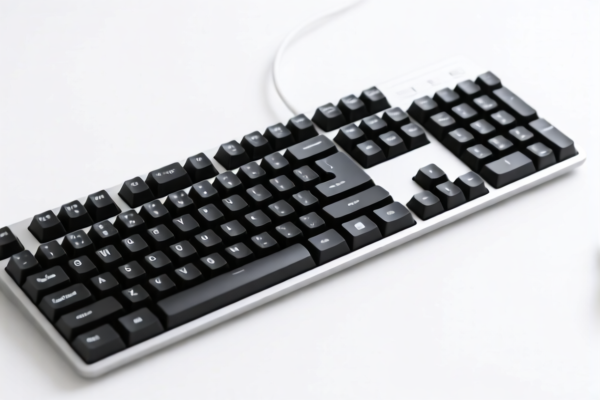
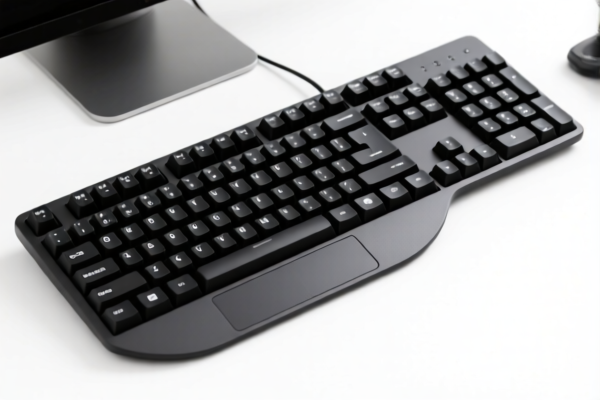
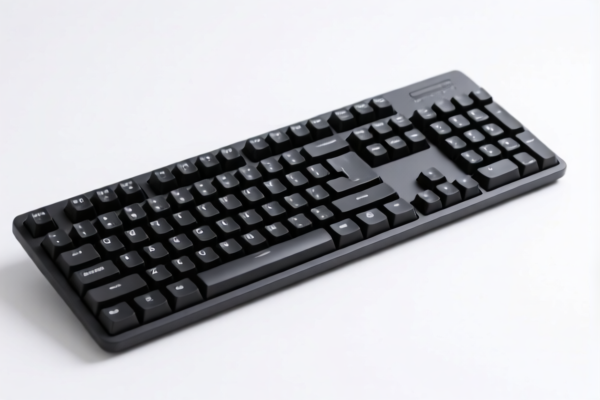
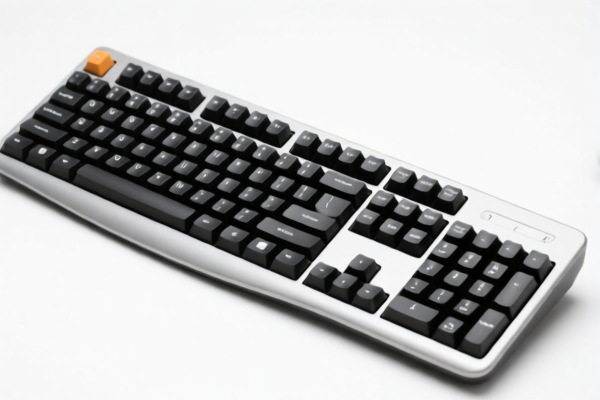
AI Analysis
🎹 Electronic Keyboard: HS Code Classification & Customs Clearance Guide
🌐 HS Code Reference & Customs Clearance Guide | 2026 Latest Tariff Analysis | Professional Strategy
📌 I. Product Definition & Classification: Do You Really Understand “Electronic Keyboard”?
An Electronic Keyboard is a musical instrument that generates sound electronically, typically featuring a piano-style keyboard layout. In international trade, it is crucial to distinguish whether the product is classified as a Toy (for entertainment/children) or a Musical Instrument (for musical production/performance). This distinction drastically affects the HS Code and tariff rate.
⚠️ Key Distinction Point:
- If the product is designed primarily for children’s play, lacks complex musical features, or is marketed as a toy → Classified under Chapter 95 (Toys).
- If the product functions as a musical instrument (generates sound via electronic means, portable, single manual) → Classified under Chapter 92 (Musical Instruments).
- If the product is an electrical apparatus that doesn’t fit standard instrument or toy definitions (e.g., complex electronic assemblies) → May fall under Chapter 85.
📦 II. HS Code Classification Details (2026 Latest Tariff Authority Reference)
Based on the provided data for "Electronic Keyboard", here are the four possible classifications with their respective tax implications:
| HS Code | Product Description | Applicable Scenario | Total Tax Rate | Tax Composition |
|---|---|---|---|---|
9503.00.00.73 |
Toy: Electronic keyboard classified as a toy, consistent with entertainment purpose, no material conflict. | Children’s toy, simple functions, marketed for play. | 10.0% | Base: 0%, Surtax: 0%, Section 301: 10% |
9503.00.00.71 |
Toy: Electronic keyboard classified as a toy; name and purpose are consistent; belongs to electronic finished goods. | Children’s toy, electronic finished product, entertainment focus. | 10.0% | Base: 0%, Surtax: 0%, Section 301: 10% |
9207.10.00.65 |
Musical Instrument: Toy electronic keyboard classified as a keyboard instrument, fits definition of single manual non-accordion, low-value range. | Entry-level electronic piano, single manual, portable, considered a musical instrument. | 22.9% | Base: 5.4%, Surtax: 7.5%, Section 301: 10% |
9207.10.00.60 |
Musical Instrument: Electronic keyboard classified as a keyboard instrument; fits electric sound generation feature, portable single manual device. | Standard electronic keyboard, portable, electric sound generation. | 22.9% | Base: 5.4%, Surtax: 7.5%, Section 301: 10% |
8543.70.98.60 |
Electrical Apparatus: Electronic keyboard classified as an electro-acoustic device; fits “other machines/apparatus” classification, made of plastic & electronic components. | Complex electronic device, not strictly a toy or standard musical instrument; industrial/commercial electronic assembly. | 37.6% | Base: 2.6%, Surtax: 25.0%, Section 301: 10% |
🔍 Key Reminder:
- Toys (9503) have the lowest tariff (10%) but require strict proof of “toy” nature (e.g., marketing, target age, simplicity).
- Musical Instruments (9207) carry a medium tariff (22.9%) and are standard for portable electronic pianos/keyboards.
- Electrical Apparatus (8543) incur the highest tariff (37.6%) and should be avoided unless the product does not fit other categories.
- Misclassification Risk: Declaring a musical instrument as a toy to save taxes can lead to severe penalties and customs delays.
💰 III. 2026 Latest Tariff Rate Details (Including Surtaxes & Policy Add-ons)
✅ Applicable Country: United States (US)
✅ Origin: China (CN)
✅ Effective Date: From November 10, 2025 (inclusive)
🎯 1. 9503.00.00.73 & 9503.00.00.71 — Electronic Keyboard as Toy
| Item | Content |
|---|---|
| Base Tariff | 0% (ad valorem) |
| Surtax (Section 301) | +0% |
| Section 301 Add-on Tariff | +10% (Specific to this subheading) |
| Total Tariff | 10.0% |
| Tax Calculation | CIF Value × 10% |
| De Minimis Eligibility | ✅ Eligible (Under $800, subject to Section 301 exclusions if any) |
| Legal Basis Path | HTSUS:9503.00.00.73/71 → Section 301 Tariff: 10% |
📌 Explanation:
- Base Tariff: Toys generally enjoy 0% base duty under US HTSUS.
- Section 301: A specific 10% tariff applies to these toy keyboard subheadings, likely due to trade policy adjustments.
- Total Cost: Only 10%, making this the most cost-effective classification if the product qualifies as a toy.
🎯 2. 9207.10.00.65 & 9207.10.00.60 — Electronic Keyboard as Musical Instrument
| Item | Content |
|---|---|
| Base Tariff | 5.4% |
| Surtax (Section 301) | +7.5% |
| Section 301 Add-on Tariff | +10% (Specific to this subheading) |
| Total Tariff | 22.9% |
| Tax Calculation | CIF Value × 22.9% |
| De Minimis Eligibility | ❌ Not Eligible (Standard musical instruments often excluded or subject to higher duties) |
| Legal Basis Path | HTSUS:9207.10.00.65/60 → Section 301 Tariff: 17.5% (5.4+7.5+10) |
📌 Explanation:
- Base Tariff: Portable electronic musical instruments have a 5.4% base duty.
- Section 301: An additional 17.5% is applied (7.5% surtax + 10% specific tariff).
- Total Cost: 22.9%, significantly higher than the toy classification.
🎯 3. 8543.70.98.60 — Electronic Keyboard as Electrical Apparatus
| Item | Content |
|---|---|
| Base Tariff | 2.6% |
| Surtax (Section 301) | +25.0% |
| Section 301 Add-on Tariff | +10% (Specific to this subheading) |
| Total Tariff | 37.6% |
| Tax Calculation | CIF Value × 37.6% |
| De Minimis Eligibility | ❌ Not Eligible |
| Legal Basis Path | HTSUS:8543.70.98.60 → Section 301 Tariff: 35% (2.6+25+10) |
📌 Explanation:
- Base Tariff: Low base duty of 2.6%.
- Section 301: Heavy surtax of 25% plus 10% specific tariff due to being classified as a general electrical apparatus.
- Total Cost: 37.6%, the highest tariff among the options. Avoid this unless no other classification fits.
🛠️ IV. Customs Clearance Practical Advice (Battle-Tested Pitfall Guide)
✅ 1. Required Documentation Checklist (All Must Be Provided)
| Document | Required | Notes |
|---|---|---|
| ✅ Product Specification Sheet | ✔️ | Must detail: Number of keys, sound generation method, power source, age recommendation. |
| ✅ Product Photos (Clear Labeling) | ✔️ | Show brand, model, inputs/outputs, and any “Toy” or “Musical Instrument” labeling. |
| ✅ Commercial Invoice | ✔️ | Clearly state the product name: “Electronic Toy Keyboard” vs. “Portable Electronic Keyboard.” |
| ✅ Packing List | ✔️ | Confirm contents; ensure no separate musical accessories are declared separately if part of the unit. |
| ✅ CE/FCC Certification | ✔️ | Essential for electronic products entering the US market. |
| ✅ Age Recommendation Statement | ✔️ | Critical for Toy Classification: If declaring as Toy (9503), must state intended for children (e.g., “3+ years”). |
✅ 2. Declaration Tips (Key Mantras)
🔥 “Define by Purpose, Not Just Appearance”
| Scenario | Correct Declaration | Wrong Practice |
|---|---|---|
| Simple toy with few sounds | 9503.00.00.73 (Toy) |
Declaring as Musical Instrument → 22.9% tax |
| Portable electronic piano | 9207.10.00.60 (Musical Instrument) |
Declaring as Toy → Penalty for Misclassification |
| Complex electronic assembly | 8543.70.98.60 (Apparatus) |
Only if it doesn’t fit Toy or Instrument definitions |
📌 Critical Note:
- If the keyboard has 61+ keys, full-size weighted keys, or advanced musical features, it is NOT a toy. It must be declared under9207.
- If it is a compact, plastic, limited-function device aimed at children, it can be declared under9503.
✅ 3. Special Handling Cases
| Situation | Handling Advice |
|---|---|
| OEM/White Label Products | Provide brand authorization and design specs to justify classification. |
| Bundled Accessories | If sold with a stand or power adapter, declare as a single unit under the main product’s HS Code. |
| Sample vs. Commercial | Samples may qualify for de minimis entry if under $800 and not for resale, but verify Section 301 exemptions. |
| Pre-Ruling Application | Highly Recommended: If unsure, apply for an Advance Ruling from US Customs to confirm the correct HS Code and avoid penalties. |
🌍 V. Global Market Clearance Comparison (2026 Latest)
| Country/Region | Recommended HS Code | Tariff Rate | Certification Required | Notes |
|---|---|---|---|---|
| 🇺🇸 USA | 9503.00.00.73 (Toy) or 9207.10.00.60 (Instrument) |
10% (Toy) / 22.9% (Instrument) | FCC, CPSC (if toy) | High scrutiny on toy vs. instrument classification. |
| 🇨🇳 China | 9503.00.00 or 9207.10.00 |
0-5% | CCC (if applicable) | Lower tariffs, but ensure accurate declaration. |
| 🇪🇺 EU | 9207.10.00 |
0% (if musical instrument) | CE, RoHS | Musical instruments often duty-free in EU. |
| 🇬🇧 UK | 9207.10.00 |
0% | UKCA, CE | Post-Brexit rules apply; musical instruments generally 0%. |
| 🇦🇺 Australia | 9207.10.00 |
5% | RCM | Standard tariff for musical instruments. |
📌 Conclusion:
- USA is the most complex market due to Section 301 tariffs and strict toy vs. instrument distinctions.
- EU/UK favor musical instrument classification with 0% duty, making9207ideal for legitimate electronic keyboards.
- Always prioritize accurate classification to avoid costly penalties and delays.
📌 VI. Common Errors & Pitfall Guide (Lessons from Experience)
❌ Error 1: Declaring a musical instrument as a toy to save taxes.
👉 Consequence: Customs may reject the declaration, impose penalties, and charge 22.9% + back taxes.
❌ Error 2: Declaring a toy as a musical instrument unnecessarily.
👉 Consequence: Pay 22.9% instead of 10%, increasing costs without benefit.
❌ Error 3: Not providing age recommendation for toys.
👉 Consequence: Customs may reclassify as musical instrument or electrical apparatus due to lack of evidence.
❌ Error 4: Using vague names like “Electronic Device” on the invoice.
👉 Consequence: Customs delays for further information, potential detention of goods.
✅ Correct Practice:
“Portable Electronic Keyboard, 37 Keys, Battery Operated, For Ages 3+, Model XYZ, FCC Certified” (For Toy)
“Electronic Musical Keyboard, 61 Keys, AC Powered, Portable, Model ABC, FCC Certified” (For Instrument)
🎯 VII. Conclusion: Professional Declaration Saves Time, Money, and Headaches!
🎯 Remember the Mantras:
🔹 “Toy = 10%, Instrument = 22.9%, Apparatus = 37.6%”
🔹 “Age Recommendation is Key for Toy Classification”
🔹 “Misclassification = Penalties + Delays”
📌 Pro Tip:
If your electronic keyboard is exported to the US, consider applying for an Advance Ruling from US Customs (CBP) to confirm the correct HS Code. This provides legal certainty and avoids unexpected costs.
📣 Take Action Now:
📞 Contact a Professional Customs Broker
📦 Provide Clear Product Photos & Specs
🚀 Ensure Accurate HS Code Declaration
Clear Your Goods Smoothly, Maximize Profits, and Expand Your Market!
✨ Professional Customs Clearance Starts with Accurate Classification!
💼 Every Cent of Cost Deserves Precise Calculation!
Customer Reviews
About HS Code Classification
The Harmonized System (HS) is an internationally standardized nomenclature developed by the World Customs Organization (WCO) to classify traded products. Over 200 countries use the HS system as the basis for customs tariffs, trade statistics, and import/export regulations.
Each HS code follows a hierarchical structure:
- Chapter (2 digits) — Broad category of goods (e.g., Chapter 84: Machinery and Mechanical Appliances)
- Heading (4 digits) — More specific grouping within the chapter
- Subheading (6 digits) — Internationally standardized breakdown, used by all WCO member countries
- National subdivisions (8-10 digits) — Country-specific extensions for further classification, such as US HTSUS 10-digit codes
Correct HS code classification is essential for smooth customs clearance, accurate duty payment, and compliance with trade regulations. Misclassification can lead to customs delays, overpayment of duties, or penalties.
When importing from CN to US, the applicable tariff rates may include:
- Most-Favored-Nation (MFN) rate — The standard duty rate applied to WTO members
- General rate — Applied to countries without trade agreements
- Trade remedy duties — Additional tariffs such as Section 301 (anti-dumping), Section 232 (national security), or countervailing duties
The information provided on this page is for reference purposes only. For official classification, please consult with your local customs authority or a licensed customs broker.