Electronic Parts (HS 8543908885)
CN → US| HS Code | Tariff Rate | Origin | Destination | Doc |
|---|---|---|---|---|
| 8543906500 | 35.0% | CN | US | Official Doc |
| 8548000000 | 35.0% | CN | US | Official Doc |
| 8543906800 | 35.0% | CN | US | Official Doc |
| 8539900000 | 37.6% | CN | US | Official Doc |
Product Images
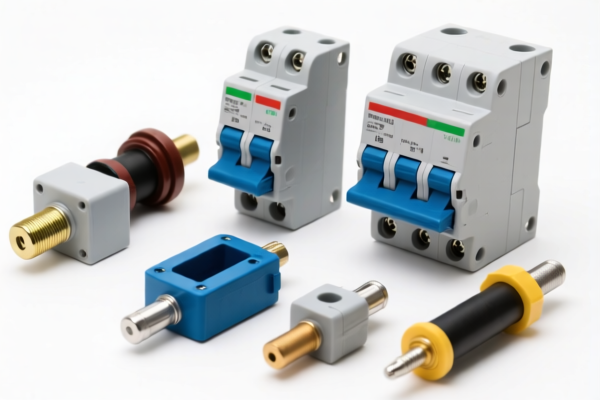
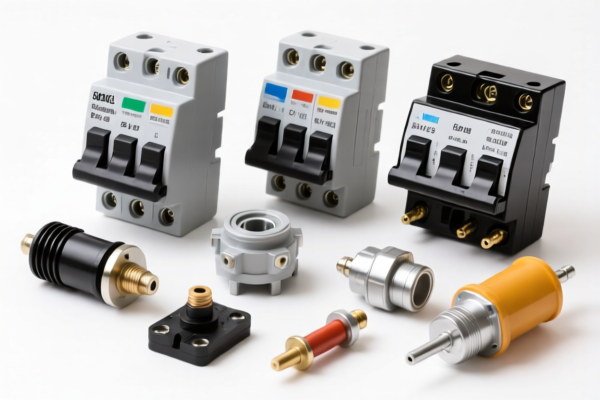
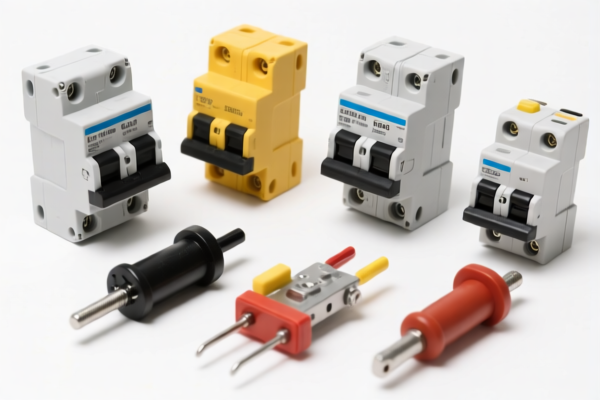
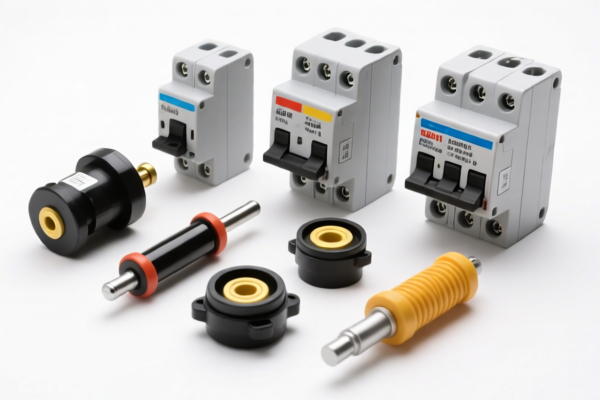
AI Analysis
⚡ Electronic Parts: Electrical Machine Components (HS 8543.90.65/68 & 8548.00.00)
🌐 HS Code Reference & Customs Clearance Guide | 2026 Latest Tariff Analysis | Professional Clearance Strategy
📌 I. Product Definition: What Are These "Electronic Parts"?
The term "Electronic Parts" in this context specifically refers to parts and accessories for electrical machines and apparatus (typically under Chapter 85 of the HTSUS). These are not standalone consumer electronics but components designed to function within or support larger electrical systems.
In international trade, they are broadly categorized by their specific function: 1. Parts of Electrical Machines/Apparatus (Other than General): Often classified under heading 8543 (Electrical machinery and apparatus, having individual functions, not specified elsewhere). 2. Parts of Electrical Machines/Devices (General): Classified under heading 8548 (Waste and scrap of electrical/electronic apparatus; parts of machinery/apparatus). 3. Lighting Parts: If specifically for lamps, under heading 8539.
⚠️ Key Distinction:
- If the part is a general component for any electrical machine (e.g., insulators, brackets, non-specialized connectors) → 8548.00.00.00
- If the part has a specific function within an electrical apparatus (e.g., control boards, specialized regulators) → 8543.90.xxxx
- If the part is strictly for lamps/lighting → 8539.90.00.00
📦 II. HS Code Classification Details (2026 Official Tariff Alignment)
Based on the provided data, the following HS Codes are recommended for "Electronic Parts" (specifically electrical machine components):
| HS Code | Product Description | Applicability Summary | Tax Rate (China Origin) |
|---|---|---|---|
8543.90.65.00 |
Parts of Electrical Machines/Apparatus | Functional attributes match "parts"; no material conflict. Specific to apparatus with individual functions. | 35.0% |
8548.00.00.00 |
Parts of Electrical Machines/Apparatus (General) | Matches "electrical parts of machines/devices"; fits the "parts/accessories" catch-all principle. | 35.0% |
8543.90.68.00 |
Other Parts of Electrical Machines/Apparatus | Explicitly belongs to parts of electrical machines/apparatus; fully consistent with "parts" attribute. | 35.0% |
8539.90.00.00 |
Parts of Electric Lamps | Specifically for lighting components; usage aligns with HS definition for lamp parts. | 37.6% |
🔍 Critical Note:
- 8543.90.65/68 and 8548.00.00 are the primary candidates for general electrical machine parts. - 8539.90.00 is only applicable if the part is specifically for electric lamps/lighting fixtures. Misclassification here can lead to higher duties (37.6% vs 35%). - All codes above incur significant additional tariffs due to US-China trade policies.
💰 III. 2026 Latest Tariff Rate Breakdown (Including Surcharges & Policy Add-ons)
✅ Applicable Country: United States (US)
✅ Origin: China (CN)
✅ Effective Date: November 10, 2025 (and onwards)
🎯 1. HS Codes 8543.90.65.00, 8543.90.68.00, 8548.00.00.00
Product Category: General Electrical Machine Parts & Apparatus Components
| Item | Content |
|---|---|
| Base Duty Rate | 0.0% (ad valorem) |
| Section 301 Surcharge | +25.0% (Under USITC Footnote for Chinese imports) |
| Section 122 Tariff / IEEPA Add-on | +10.0% (Specific policy add-on for Chinese origin) |
| Total Duty Rate | 35.0% |
| Calculation | CIF Value × 35% |
| De Minimis Exemption | ❌ Not Eligible (deny_de_minimis applies) |
| Legal Basis Path | USITC:8543.90/8548.00 → Section 301: +25% → 122 Clause/IEEPA: +10% |
📌 Explanation:
- The 25% Section 301 tariff is the major component, applied to most Chinese-made electrical goods. - The 10% additional tariff (referenced as "122条款关税" or IEEPA add-on) further increases the cost. - Base duty is 0%, but the total landed duty cost is 35%. This is a high-cost category for importers.
🎯 2. HS Code 8539.90.00.00
Product Category: Parts of Electric Lamps
| Item | Content |
|---|---|
| Base Duty Rate | 2.6% (ad valorem) |
| Section 301 Surcharge | +25.0% (Under USITC Footnote for Chinese imports) |
| Section 122 Tariff / IEEPA Add-on | +10.0% (Specific policy add-on for Chinese origin) |
| Total Duty Rate | 37.6% |
| Calculation | CIF Value × 37.6% |
| De Minimis Exemption | ❌ Not Eligible |
| Legal Basis Path | USITC:8539.90.00.00 → Section 301: +25% → 122 Clause/IEEPA: +10% |
📌 Note:
- If your "electronic parts" are specifically for lighting (e.g., lamp sockets, ballasts, drivers), the base rate is slightly higher (2.6%), leading to a 37.6% total rate. - Ensure you do not miscategorize general electrical parts as lamp parts to avoid audit risks.
🛠️ IV. Customs Clearance Operational Advice (Practical Pitfall Guide)
✅ 1. Documentation Checklist (Essential)
| Document | Required? | Description |
|---|---|---|
| ✅ Product Specification Sheet | ✔️ | Must detail: Function, voltage, current, compatibility, and whether it's a complete unit or a component. |
| ✅ Technical Diagram/Circuit Board Layout | ✔️ | Critical for proving it's a "part" and not a "finished apparatus." |
| ✅ Product Photos | ✔️ | Clear images showing labels, connectors, and branding. |
| ✅ Commercial Invoice | ✔️ | Must explicitly state "Parts of Electrical Machines" or "Components for [Specific Machine]." |
| ✅ Packing List | ✔️ | Ensure no finished goods are mixed with parts to avoid misclassification. |
✅ 2. Classification Strategy (Key Mnemonic)
🔥 “Function First, Base Rate Low, Surcharges High! 35% is the Baseline!”
| Scenario | Correct HS Code | Wrong Classification | Consequence |
|---|---|---|---|
| General electrical component (e.g., regulator, controller) | 8543.90.65.00 or 8543.90.68.00 |
8548.00.00.00 |
Both are 35%, but specificity helps avoid audits. |
| Generic part/accessory (no specific function) | 8548.00.00.00 |
8543.90.xxxx |
Same rate, but 8548 is the safer "catch-all." |
| Lamp part (e.g., socket, driver) | 8539.90.00.00 |
8543.90.65.00 |
Wrong if clearly for lighting; 37.6% vs 35% (minor diff, but compliance issue). |
| Finished Electrical Machine | Not in list | 8543.90.65.00 |
Severe Penalty! Finished machines may have different rates/certifications. |
✅ 3. Special Handling Tips
| Situation | Recommendation |
|---|---|
| Mixed Shipments | Separate electrical parts from mechanical parts in packaging if possible to avoid complex classification. |
| OEM Parts | Provide the end-user’s machine specification to prove the part’s specific function. |
| High-Value Components | Given the 35-37.6% duty, consider Advance Rulings from CBP to lock in the classification before shipment. |
| Origin Marking | Ensure all parts are marked "Made in China" to avoid origin fraud penalties, which compound with high tariffs. |
🌍 V. Global Market Comparison (2026 Overview)
| Country/Region | Recommended HS Code | Total Duty (China Origin) | Key Certification | Notes |
|---|---|---|---|---|
| 🇺🇸 USA | 8543.90.65.00 / 8548.00.00.00 |
35.0% | FCC (if applicable) | Highest cost due to 301 + 122/IEEPA tariffs. |
| 🇺🇸 USA (Lighting Parts) | 8539.90.00.00 |
37.6% | UL/ETL | Slightly higher base rate. |
| 🇪🇺 EU | 8543.90 / 8548.00 |
0% - 2% | CE Mark | No Section 301 equivalent; much cheaper. |
| 🇨🇳 China (Import) | 8543.90 / 8548.00 |
0% - 3% | CCC | Low duty, but import restrictions may apply. |
| 🇯🇵 Japan | 8543.90 / 8548.00 |
0% - 2% | PSE | Competitive rates. |
📌 Conclusion:
- USA is the most expensive market for these parts due to geopolitical tariffs.
- EU and Japan offer significant cost advantages if your supply chain can diversify.
- For US imports, cost optimization is critical due to the 35-37.6% effective duty rate.
📌 VI. Common Mistakes & Pitfall Prevention (Lessons Learned)
❌ Mistake 1: Classifying a finished control panel as "parts" to avoid higher duties on finished goods.
👉 Result: CBP reclassification + penalties. Finished goods often require additional certifications (FCC, UL).
❌ Mistake 2: Ignoring the 10% IEEPA/122 Clause Surcharge.
👉 Result: Underpayment of duties. Many importers only account for 25% (Section 301) and forget the additional 10%.
❌ Mistake 3: Using vague descriptions like "Electronic Part" on the invoice.
👉 Result: CBP requests further documentation, causing delays.
✅ Fix: Use precise terms: "Electronic Control Module for [Machine Name]" or "Electrical Insulator for Transformer."
❌ Mistake 4: Assuming de minimis ($800) applies.
👉 Result: These items are explicitly excluded from de minimis treatment under current US trade policies. All duties apply regardless of value.
🎯 VII. Conclusion: Precision is Profit
🎯 Remember:
🔹 “Parts are 35%, Lamps are 37.6%, Base is 0% but Surcharges Kill!”
🔹 “FCC Certification + Accurate Description = Smooth Customs!”
🔹 “Don’t Guess the HS Code – Advance Rulings Save Money!”
📌 Pro Tip:
If your parts are assembled or processed in Vietnam, Malaysia, or Mexico, verify if they qualify for origin changes that may exempt them from Section 301/IEEPA tariffs. This could reduce duties from 35% to 0-10%.
📣 Immediate Action:
📞 Consult a Licensed Customs Broker to validate your HS Code.
📄 Request an HTSUS Advance Ruling from CBP for high-volume shipments.
📊 Calculate Landed Cost including 35-37.6% duty + freight + insurance.
✨ Professional Clearance Starts with Accurate Classification!
💼 Every percent of duty counts in your margin!
Customer Reviews
About HS Code Classification
The Harmonized System (HS) is an internationally standardized nomenclature developed by the World Customs Organization (WCO) to classify traded products. Over 200 countries use the HS system as the basis for customs tariffs, trade statistics, and import/export regulations.
Each HS code follows a hierarchical structure:
- Chapter (2 digits) — Broad category of goods (e.g., Chapter 84: Machinery and Mechanical Appliances)
- Heading (4 digits) — More specific grouping within the chapter
- Subheading (6 digits) — Internationally standardized breakdown, used by all WCO member countries
- National subdivisions (8-10 digits) — Country-specific extensions for further classification, such as US HTSUS 10-digit codes
Correct HS code classification is essential for smooth customs clearance, accurate duty payment, and compliance with trade regulations. Misclassification can lead to customs delays, overpayment of duties, or penalties.
When importing from CN to US, the applicable tariff rates may include:
- Most-Favored-Nation (MFN) rate — The standard duty rate applied to WTO members
- General rate — Applied to countries without trade agreements
- Trade remedy duties — Additional tariffs such as Section 301 (anti-dumping), Section 232 (national security), or countervailing duties
The information provided on this page is for reference purposes only. For official classification, please consult with your local customs authority or a licensed customs broker.