Electronic Waste
CN → US| HS Code | Tariff Rate | Origin | Destination | Doc |
|---|---|---|---|---|
| 7204490080 | 35.0% | CN | US | Official Doc |
| 7204410080 | 35.0% | CN | US | Official Doc |
| 8548000000 | 35.0% | CN | US | Official Doc |
Product Images
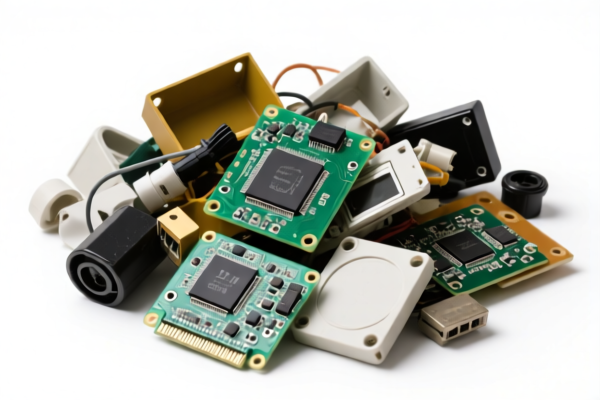
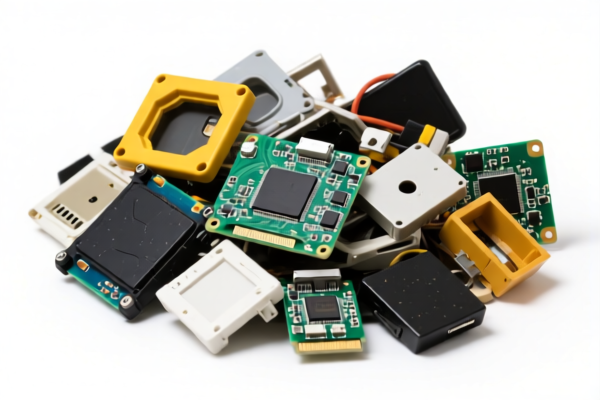
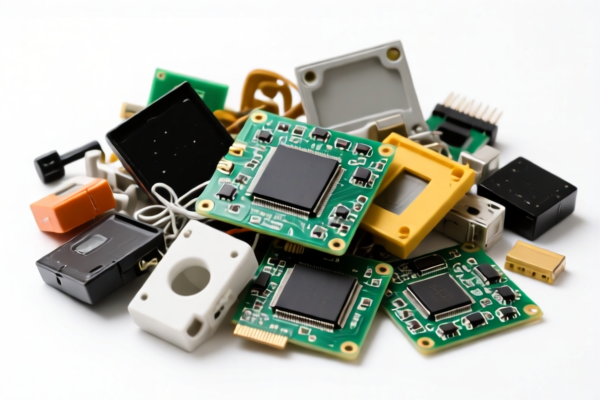
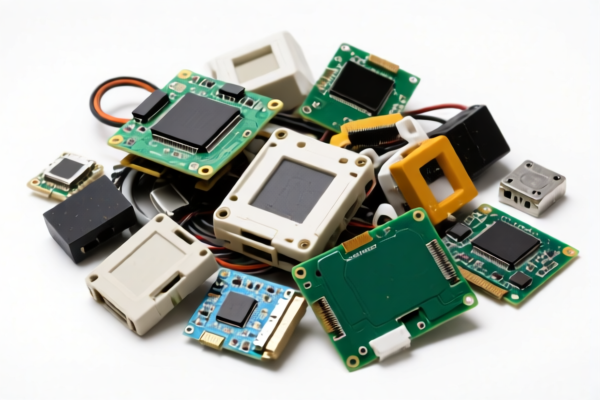
AI Analysis
🗑️ Electronic Waste & Ferrous Scrap (E-Waste Recycling)
🌐 HS Code Reference & Customs Clearance Guide | 2026 Tariff Structure Analysis | Strategic Trade Solutions
📌 I. Product Definition & Classification: Decoding "Electronic Waste"
Electronic waste, often referred to as e-waste, is a complex category involving discarded electrical equipment. In international trade, precise classification is critical because the tax treatment varies significantly based on whether the item is considered "finished machinery parts" or "raw metallic scrap."
For customs purposes, we distinguish between: 1. Electrical Machinery Parts: Components that may still have functional value or are specific to electrical apparatus. 2. Ferrous Waste and Scrap: Iron or steel waste resulting from manufacturing or consumption, used primarily for remelting.
⚠️ Key Distinction Point:
- If the item is "waste/scrap" specifically identified as iron/steel remelting material → It falls under Chapter 72 (Ferrous Scrap).
- If the item is "other waste" from electrical machinery not specified elsewhere → It falls under HS 8548.00.
📦 II. HS Code Classification Details (2026 Authorized Tariff Data)
Based on the provided data, here are the three specific HS codes associated with electronic waste and ferrous scrap:
| HS Code | Product Description | Category | Application Scenario |
|---|---|---|---|
8548.00.00.00 |
Electrical parts of machinery or apparatus, not specified or included elsewhere in this chapter | E-Waste (Non-Ferrous/General) | Waste from electrical apparatus not classified as iron/steel scrap. |
7204.49.00.80 |
Ferrous waste and scrap; remelting scrap ingots of iron or steel: Other waste and scrap: Other | Ferrous Scrap (Mixed) | General ferrous waste/scrap not specified in other subheadings (e.g., mixed metal scrap). |
7204.41.00.80 |
Ferrous waste and scrap; remelting scrap ingots of iron or steel: Other waste and scrap: Turnings, shavings, chips, milling waste... | Ferrous Scrap (Shavings/Chips) | Industrial by-products like turnings, shavings, filings, and trimmings. |
🔍 Important Note:
- All three items in the source data have a Total Tax Rate of 25.0%.
- The distinction between7204.49.00.80and7204.41.00.80lies in the form of the scrap:7204.41is for specific machined by-products (shavings/chips), while7204.49is for "Other" ferrous waste.
💰 III. 2026 Latest Tariff Rate Breakdown
✅ Applicable Country: United States (US)
✅ Origin: China (CN) (Implied by the 25% surcharge structure)
✅ Effective Date: Current tariff schedule (Section 301/USITC)
🎯 1. HS Code 8548.00.00.00 – Electrical Parts Waste
| Item | Content |
|---|---|
| Base Duty Rate | 0.0% |
| Additional Duty | 25.0% |
| Total Tax Rate | 25.0% |
| Tax Calculation | CIF Value × 25% |
| De Minimis Exemption | ❌ Not Eligible (High tariff rate blocks small package relief) |
| Legal Basis | USITC Tariff Schedule / Section 301 Tariffs |
📌 Explanation:
- The 0% base duty reflects the general tariff for waste/scrap parts.
- The 25% additional duty is a punitive tariff often applied to Chinese-origin goods under trade remedy measures.
- Total Liability: For every $10,000 CIF value, $2,500 in duties is due.
🎯 2. HS Code 7204.49.00.80 – Other Ferrous Waste & Scrap
| Item | Content |
|---|---|
| Base Duty Rate | 0.0% |
| Additional Duty | 25.0% |
| Total Tax Rate | 25.0% |
| Tax Calculation | CIF Value × 25% |
| De Minimis Exemption | ❌ Not Eligible |
| Legal Basis | USITC Tariff Schedule / Section 301 Tariffs |
📌 Explanation:
- "Other waste and scrap" covers ferrous metals not explicitly listed as turnings or shavings.
- Identical tax structure to8548.00.00.00.
🎯 3. HS Code 7204.41.00.80 – Ferrous Turnings & Shavings
| Item | Content |
|---|---|
| Base Duty Rate | 0.0% |
| Additional Duty | 25.0% |
| Total Tax Rate | 25.0% |
| Tax Calculation | CIF Value × 25% |
| De Minimis Exemption | ❌ Not Eligible |
| Legal Basis | USITC Tariff Schedule / Section 301 Tariffs |
📌 Explanation:
- Applies specifically to turnings, shavings, chips, millings, sawdust, filings, trimmings, and stampings.
- Even if bundled, the rate remains 25%.
🛠️ IV. Customs Clearance Practical Advice (Avoid Pitfalls)
✅ 1. Documentation Checklist
| Document | Required | Description |
|---|---|---|
| ✅ Commercial Invoice | ✔️ | Must clearly describe goods as "Waste" or "Scrap" to avoid misclassification as "Used Machinery." |
| ✅ Packing List | ✔️ | Detail weight per package, especially if separating ferrous scrap from non-ferrous parts. |
| ✅ Product Description | ✔️ | Specify if it is "Turnings," "Shavings," or "Other Scrap" to determine between 7204.41 and 7204.49. |
| ✅ Certificate of Origin | ✔️ | Confirms origin; if not China, check for preferential treatment. |
| ✅ Photos/Inspection Report | ✔️ | Proves goods are indeed "Waste/Scrap" and not "Used Electrical Equipment" (which may require EPA/NERC compliance). |
✅ 2. Declaration Tips (Key Strategies)
🔥 "Declare Form, Not Function! Waste is Waste!"
| Scenario | Correct HS Code | Error to Avoid |
|---|---|---|
| Iron shavings from factory | 7204.41.00.80 |
Misdeclare as "Recycled Steel" without specifying "Shavings" → Risk of reclassification. |
| Mixed ferrous scrap | 7204.49.00.80 |
Misdeclare as 8548 (Electrical) → Incorrect chapter, potential penalty. |
| Broken motor parts (non-ferrous) | 8548.00.00.00 |
Misdeclare as ferrous scrap → Customs may reject or audit. |
| Whole used computers | Not Listed | ⚠️ Warning: Whole used electronic equipment may fall under 8473.30 or 8544 and have different regulations (e.g., EPA ban on e-waste imports). Do NOT use scrap codes for whole devices. |
✅ 3. Special Considerations
| Situation | Handling Advice |
|---|---|
| Mixed Shipment | Separate ferrous and non-ferrous scrap into different containers or clearly labeled lots to avoid complex audits. |
| Environmental Compliance | Ensure goods meet EPA standards for importation of solid waste. Some forms of e-waste are restricted or prohibited. |
| Value Declaration | Declare Scrap Value, not functional value. Customs may assess if the declared value is too high for "scrap." |
| Bundled Items | If 7204.41 (shavings) are bundled with other waste, ensure the description matches the majority or split the shipment. |
🌍 V. Global Market Comparison (2026)
| Country/Region | Recommended HS Code | Tariff (China Origin) | Notes |
|---|---|---|---|
| 🇺🇸 USA | 8548.00.00.00 / 7204.41.00.80 / 7204.49.00.80 |
25% (Total) | High tariff due to Section 301. |
| 🇨🇳 China | 8548.00.00 / 7204.41 / 7204.49 |
0% (Import Duty) | China allows import of certain scrap, but checks for contamination. |
| 🇪🇺 EU | 8548 / 7204 |
0% - 5% | Strict Basel Convention controls on e-waste import. |
| 🇬🇧 UK | 8548 / 7204 |
0% - 2% | Post-Brexit tariffs; similar to EU but less restrictive on some scrap. |
| 🇻🇳 Vietnam | 8548 / 7204 |
0% - 5% | Often used for recycling; check for anti-dumping duties on steel. |
📌 Conclusion:
- USA imposes a flat 25% surcharge on these items, regardless of base duty.
- E-Waste Import Restrictions: Many countries (including China and EU nations) have strict bans on importing foreign e-waste. Ensure your shipment complies with Basel Convention guidelines if exporting from developed to developing nations.
📌 VI. Common Mistakes & Pitfalls (Blood Lessons)
❌ Mistake 1: Declaring "Used Electronic Equipment" as "Scrap"
👉 Consequence: Customs may reject the shipment as illegal waste import or impose heavy environmental fines.
✅ Fix: Ensure items are truly scrap (non-functional, broken down) and declared as such.
❌ Mistake 2: Misclassifying "Turnings" (7204.41) as "Other Scrap" (7204.49)
👉 Consequence: Minor classification error, but may lead to audit if weights don't match typical scrap forms.
✅ Fix: Be specific in description: "Steel Turnings and Shavings."
❌ Mistake 3: Ignoring the 25% Additional Duty
👉 Consequence: Underpayment of duties → Seizure, penalties, and back-taxes.
✅ Fix: Budget for 25% total duty on all shipments of these HS codes from China.
❌ Mistake 4: Bundling Ferrous and Non-Ferrous Waste
👉 Consequence: Complexity in valuation and classification.
✅ Fix: Separate ferrous (iron/steel) and non-ferrous (copper, aluminum, electrical parts) waste in declaration.
🎯 VII. Conclusion: Professional Clearance, Cost Control
🎯 Remember the Key Points:
🔹 "Scrap is 25%: Base 0% + Add 25% = Total 25%"
🔹 "Form Matters: Shavings (41) vs. Other Scrap (49) vs. Electrical Parts (8548)"
🔹 "Check EPA Rules: E-Waste is highly regulated globally."
📌 Tips:
- If your scrap is not from China, the additional duty may not apply. Check the Country of Origin.
- For large volumes, consider Advance Rulings from US Customs and Border Protection (CBP) to confirm classification.
- Ensure Environmental Compliance: Some forms of e-waste are banned under the EPA’s Solid Waste Import Regulations.
📣 Immediate Action:
📞 Consult a licensed customs broker.
📄 Provide detailed product photos and material composition (e.g., % Iron, % Copper, % Plastic).
🚀 Ensure compliant declaration to avoid delays and penalties.
✨ Precise Classification, Smooth Clearance!
💼 Every dollar of duty is calculated with precision.
Customer Reviews
About HS Code Classification
The Harmonized System (HS) is an internationally standardized nomenclature developed by the World Customs Organization (WCO) to classify traded products. Over 200 countries use the HS system as the basis for customs tariffs, trade statistics, and import/export regulations.
Each HS code follows a hierarchical structure:
- Chapter (2 digits) — Broad category of goods (e.g., Chapter 84: Machinery and Mechanical Appliances)
- Heading (4 digits) — More specific grouping within the chapter
- Subheading (6 digits) — Internationally standardized breakdown, used by all WCO member countries
- National subdivisions (8-10 digits) — Country-specific extensions for further classification, such as US HTSUS 10-digit codes
Correct HS code classification is essential for smooth customs clearance, accurate duty payment, and compliance with trade regulations. Misclassification can lead to customs delays, overpayment of duties, or penalties.
When importing from CN to US, the applicable tariff rates may include:
- Most-Favored-Nation (MFN) rate — The standard duty rate applied to WTO members
- General rate — Applied to countries without trade agreements
- Trade remedy duties — Additional tariffs such as Section 301 (anti-dumping), Section 232 (national security), or countervailing duties
The information provided on this page is for reference purposes only. For official classification, please consult with your local customs authority or a licensed customs broker.