Electroplating Machine
CN → US| HS Code | Tariff Rate | Origin | Destination | Doc |
|---|---|---|---|---|
| 8479909565 | 35.0% | CN | US | Official Doc |
| 8479909596 | 85.0% | CN | US | Official Doc |
Product Images
AI Analysis
⚙️ Electroplating Machines (Metal Treatment Equipment)
🌐 HS Code Reference & Customs Clearance Guide | 2026 Latest Tariff Analysis | Professional Clearance Strategy
📌 I. Product Definition: What Exactly is an "Electroplating Machine"?
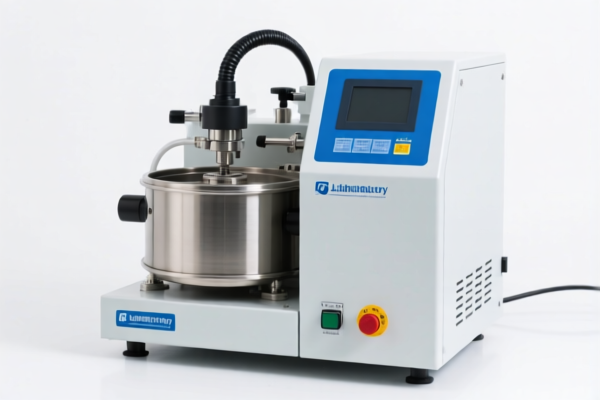
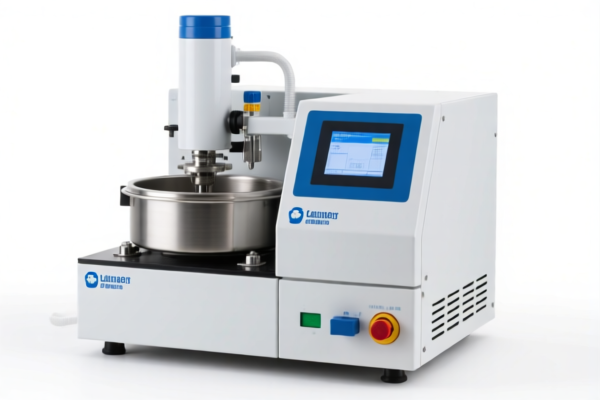
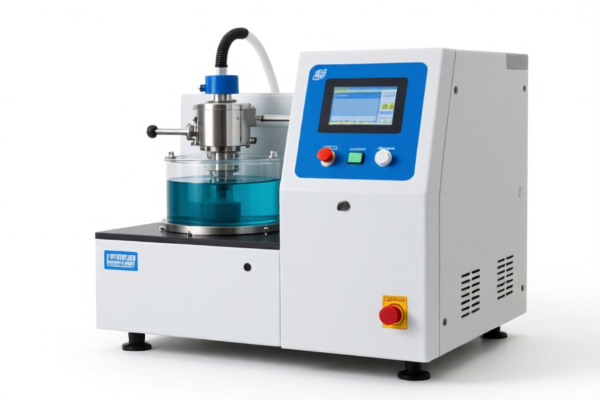
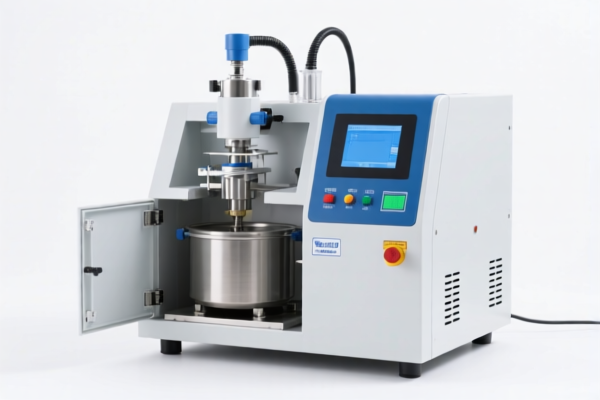
Electroplating machines are industrial equipment designed to deposit a thin layer of metal onto a conductive substrate via an electrolytic process. In international trade, these are classified under Chapter 84: Nuclear reactors, boilers, machinery and mechanical appliances; parts thereof.
Crucially, these machines fall under the heading 8479: "Machines and mechanical appliances having individual functions, not specified or included elsewhere in this chapter." Since electroplating is not explicitly listed in Headings 84.01–84.78, they fall into the residual "Other" category.
The classification depends heavily on the intended application: * Metal Treatment: Machines used for cleaning, plating, or treating metals → HS 8479.90.95.65 * Other Applications: Machines used for non-metal treatment or general mechanical functions → HS 8479.90.95.96
⚠️ Key Distinction:
- If the machine's primary function is treating metal (cleaning, plating, anodizing), it falls under 8479.90.95.65.
- If it is a part of such a machine but doesn't fit the specific "metal treatment" sub-category, or is a general mechanical part, it falls under 8479.90.95.96.
📦 II. HS Code Classification Details (Based on Provided Data)
| HS Code | Product Description | Target Audience | Applicable Scope |
|---|---|---|---|
8479.90.95.65 |
Parts of machines for treating metal | Metal finishing industry | Specific to machines cleaning/plating metals |
8479.90.95.96 |
Other parts (General) | General machinery | All other parts not specified above |
🔍 Critical Insight:
- 8479.90.95.65 is a specific subset of parts dedicated to metal treatment machinery.
- 8479.90.95.96 is the residual bucket for other parts.
- Parts are always classified under these codes, not the main machine itself (which would be 8479.89 or similar). This guide focuses on the parts as per the provided dataset.
💰 III. 2026 Latest Tariff Rate Breakdown (Detailed Tax Clauses)
✅ Applicable Country: United States (US)
✅ Origin: China (CN)
✅ Effective Time: Current ongoing trade measures
🎯 1. 8479.90.95.65 – Parts of Machines for Treating Metal
| Item | Detail |
|---|---|
| Base Tariff | 0.0% |
| Additional Tariff | 25.0% (Section 301 Duties) |
| Total Tax Rate | 25.0% |
| Tax Detail | 基础关税: 0.0%, 加征关税: 25.0% |
| Legal Basis | USITC Section 301 Action against China |
📌 Explanation:
- This category benefits from a 0% base tariff but is subject to a flat 25% additional duty.
- No steel/aluminum surcharge applies here because it is classified as a "machine part," not raw steel/aluminum products.
- Total Cost Impact: 25% of the CIF value.
🎯 2. 8479.90.95.96 – Other Parts (General)
| Item | Detail |
|---|---|
| Base Tariff | 0.0% |
| Additional Tariff (Section 301) | 25.0% |
| Additional Tariff (Steel/Aluminum) | 50.0% ⚠️ |
| Total Tax Rate | 75.0% |
| Tax Detail | 基础关税: 0.0%, 加征关税: 25.0%钢,铝铜制品加征关税: 50% |
| Legal Basis | USITC Section 301 + Steel/Aluminum Import Duties |
📌 Explanation:
- This is the danger zone for high tariffs.
- It incurs the standard 25% Section 301 duty.
- CRITICAL: If the part is made of steel, aluminum, or copper, an additional 50% duty is applied.
- Total Cost Impact: 75% of the CIF value.
- Why so high? The US government imposes steep tariffs on industrial components made from strategic metals to protect domestic manufacturing.
🛠️ IV. Customs Clearance Practical Advice (Avoiding Pitfalls)
✅ 1. Material Declaration is Key (Avoiding the 75% Trap)
The difference between 25% and 75% hinges entirely on material composition.
| Scenario | HS Code | Tariff | Action Required |
|---|---|---|---|
| Part made of Plastic/Ceramic/Glass (e.g., plating tanks, insulators, pumps with plastic impellers) | 8479.90.95.96 |
25% | Declare as "Non-metallic part of electroplating machine" |
| Part made of Steel/Aluminum (e.g., racks, anodes, structural frames, stainless steel tanks) | 8479.90.95.96 |
75% | Must declare material clearly; expect high duty |
| Any Part of a Metal Treatment Machine | 8479.90.95.65 |
25% | Strategy: If possible, classify under 65 to save 50%! |
💡 Pro Tip:
- Can your part be argued as "specific to metal treatment"? If so, use 8479.90.95.65 (25% total).
- If it’s a general mechanical part (e.g., a motor mount, a generic pipe fitting), it falls under 8479.90.95.96.
- If it’s metal and general, you’re stuck with 75%. Try to redesign or reclassify if possible.
✅ 2. Documentation Checklist
| Document | Requirement | Why It Matters |
|---|---|---|
| Commercial Invoice | Must specify "Parts for Electroplating Machine" | Avoids "General Machinery" misclassification |
| Material Certificate | Explicitly state material (Steel, Aluminum, Plastic, etc.) | Determines if 50% surcharge applies |
| Technical Manual | Show function: "Used for treating metal" | Supports classification under 8479.90.95.65 |
| HS Code Ruling (Optional) | Apply for Advance Ruling | Legally binds CBP to your classification |
✅ 3. Declaration Tips
🔥 Golden Rule:
"Be specific about function, precise about material!"
| Mistake | Consequence | Correct Approach |
|---|---|---|
| Declaring "Machine Part" | CBP may assign worst-case scenario | Declare: "Part for metal electroplating machine, made of plastic" |
| Hiding material composition | Audit risk, penalties, retroactive duties | Clearly state: "Stainless Steel Rack for Plating" |
| Using vague terms like "Industrial Equipment" | Delayed customs clearance | Use exact HS description: "Parts of machines for treating metal" |
🌍 V. Global Market Comparison (2026 Overview)
| Market | Recommended HS Code | Estimated Total Duty | Notes |
|---|---|---|---|
| 🇺🇸 USA | 8479.90.95.65 / .96 |
25% or 75% | High impact of Section 301 & Steel/Aluminum tariffs |
| 🇨🇳 China | 8479.90.95.65 / .96 |
~8-13% | Standard MFN rates, no additional surcharges |
| 🇪🇺 EU | 8479.89 or 8479.90 |
~0-4% | Lower tariffs, but CE certification required |
| 🇬🇧 UK | 8479.89 |
~0-4% | Post-Brexit, similar to EU but separate certification |
📌 Conclusion:
- US market is the most challenging due to the 75% potential rate for metallic parts.
- Optimization Strategy: Try to classify parts as non-metallic or ensure they fit the specific "metal treatment" part category (25%) rather than the general category (75%).
📌 VI. Common Errors & Pitfalls (Blood & Tears Lessons)
❌ Error 1: Classifying a steel plating rack as "8479.90.95.65" (Metal Treatment Part)
👉 Reality: If the rack is a generic steel component, CBP may force it into 8479.90.95.96 + 50% steel surcharge = 75%.
✅ Fix: Ensure it’s a specialized part for metal treatment, or accept the 75% rate.
❌ Error 2: Not declaring material
👉 Reality: CBP assumes worst-case scenario and may audit for hidden steel/aluminum content.
✅ Fix: Provide mill certificates for all metal parts.
❌ Error 3: Confusing "Machine" with "Parts"
👉 Reality: The whole machine might have different duties, but parts are subject to these specific codes.
✅ Fix: Separate the bill of lading if needed, but be consistent.
🎯 VII. Conclusion: Professional Clearance, Maximize Savings!
🎯 Remember the Formula:
25% = Plastic/Ceramic Parts of Metal Treatment Machines
75% = Steel/Aluminum Parts of Other/General Machines
📌 Final Advice:
1. Audit your BOM (Bill of Materials): Identify which parts are metal vs. non-metal.
2. Negotiate with Suppliers: Ask for detailed material composition.
3. Apply for Pre-Ruling: If a part is borderline, file an HTSUS pre-ruling with CBP to lock in the 25% rate if possible.
4. Consider Supply Chain Shift: For heavy steel/aluminum parts, consider sourcing from countries with better US trade agreements (e.g., Mexico under USMCA, if applicable).
📣 Immediate Action:
📞 Contact your customs broker with this data.
📄 Prepare material certificates.
🚀 Save up to 50% on duties by correct classification!
✨ Precision in Classification is Profit in Your Pocket!
💼 Don’t let 50% steel tariffs eat your margins.
Customer Reviews
About HS Code Classification
The Harmonized System (HS) is an internationally standardized nomenclature developed by the World Customs Organization (WCO) to classify traded products. Over 200 countries use the HS system as the basis for customs tariffs, trade statistics, and import/export regulations.
Each HS code follows a hierarchical structure:
- Chapter (2 digits) — Broad category of goods (e.g., Chapter 84: Machinery and Mechanical Appliances)
- Heading (4 digits) — More specific grouping within the chapter
- Subheading (6 digits) — Internationally standardized breakdown, used by all WCO member countries
- National subdivisions (8-10 digits) — Country-specific extensions for further classification, such as US HTSUS 10-digit codes
Correct HS code classification is essential for smooth customs clearance, accurate duty payment, and compliance with trade regulations. Misclassification can lead to customs delays, overpayment of duties, or penalties.
When importing from CN to US, the applicable tariff rates may include:
- Most-Favored-Nation (MFN) rate — The standard duty rate applied to WTO members
- General rate — Applied to countries without trade agreements
- Trade remedy duties — Additional tariffs such as Section 301 (anti-dumping), Section 232 (national security), or countervailing duties
The information provided on this page is for reference purposes only. For official classification, please consult with your local customs authority or a licensed customs broker.