Electrotherapy Device
CN → US| HS Code | Tariff Rate | Origin | Destination | Doc |
|---|---|---|---|---|
| 9018199560 | 35.0% | CN | US | Official Doc |
| 9018907560 | 35.0% | CN | US | Official Doc |
| 9019102050 | 10.0% | CN | US | Official Doc |
| 9019104000 | 10.0% | CN | US | Official Doc |
| 8543708500 | 35.0% | CN | US | Official Doc |
| 8543709810 | 37.6% | CN | US | Official Doc |
Product Images
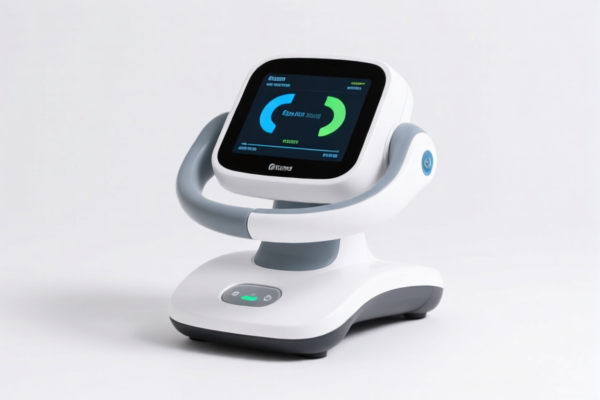
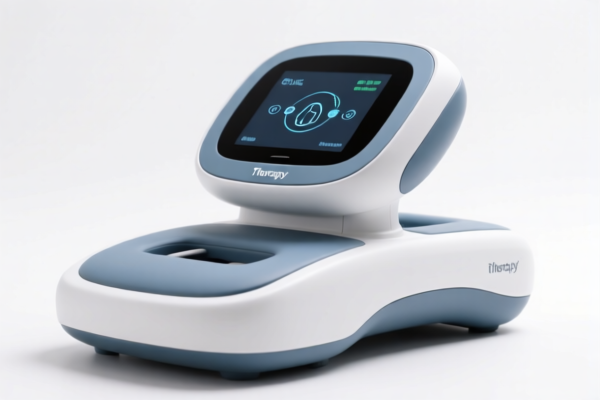
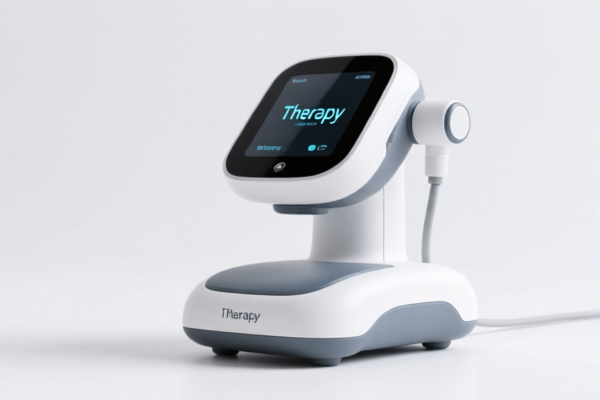
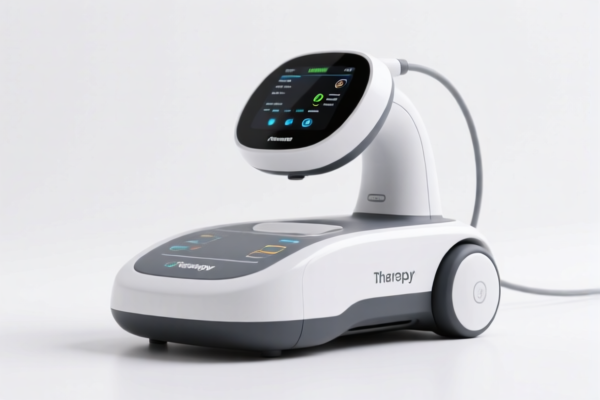
AI Analysis
⚡ Electrotherapy Devices (Medical & Wellness)
🌐 HS Code Reference & Customs Clearance Guide | 2026 Latest Tariff Analysis | Professional Clearance Strategy
📌 I. Product Definition & Classification: What Exactly is an "Electrotherapy Device"?
Electrotherapy devices are broad-spectrum electronic apparatuses used for therapeutic, diagnostic, or wellness purposes. In international trade, they are not a single monolithic category but are split based on their primary function:
- Mechanical/Massage-Based (Non-Electric or Low-Voltage Physical Therapy): Devices that use vibration, percussion, or pneumatic pressure, often with minimal or no electrical control for nerve stimulation.
- Electrical Nerve Stimulation (TENS/EMS): Devices that deliver specific electrical currents to stimulate nerves or muscles for pain relief or rehabilitation.
- Electro-Medical Diagnostic/Therapeutic Equipment: Complex medical apparatus used by professionals for diagnosis (electro-diagnostic) or serious medical treatment (electro-medical instruments).
⚠️ Critical Distinction:
- If the device is primarily a massage chair/roller with simple timers → It likely falls under 9019.10.
- If the device uses electrodes to stimulate nerves/muscles (like a TENS unit) → It likely falls under 8543.70 or 9018.90.
- Misclassification Risk: Declaring a TENS unit as a "Massage Apparatus" (9019) to avoid higher tariffs is a common customs error that leads to audits and penalties.
📦 II. HS Code Classification Details (2026 Authoritative Mapping)
The following HS Codes are strictly derived from the provided data. Note that the tariff rates vary significantly between mechanical massage and electrical therapy.
| HS Code | Product Description | Primary Function | Tariff Profile |
|---|---|---|---|
9019.10.20.50 |
Other Mechano-therapy Appliances; Massage Apparatus | Mechanical massage, vibration, pneumatic therapy. No significant electrical nerve stimulation. | 0.0% |
9019.10.40.00 |
Other Electro-mechanical Apparatus (Electrically Operated) | Electrically operated massage devices (e.g., electric shavers for massage, basic vibration wands without nerve stimulation). | 0.0% |
8543.70.85.00 |
Electrical Nerve Stimulation Apparatus | TENS (Transcutaneous Electrical Nerve Stimulation), EMS units, biofeedback devices. | 25.0% |
8543.70.98.10 |
Other Electrical Machines (Amplifiers) | Electronic amplifiers for medical signals, non-diagnostic electro-medical components. | 27.6% |
9018.19.95.60 |
Electro-Diagnostic Apparatus (Parts) | Parts of electro-diagnostic equipment (e.g., EEG/ECG parts), excluding the main device. | 25.0% |
9018.90.75.60 |
Other Electro-Medical Instruments & Appliances | Professional-grade electro-medical therapeutic appliances and their parts (non-diagnostic). | 25.0% |
🔍 Key Insight:
- Low Tariff Zone (0%):9019.10group covers Mechanical Massage and basic Electrically Operated Massage tools.
- High Tariff Zone (25-27.6%):8543.70and9018.90groups cover Electrical Nerve Stimulation and Medical Electro-Therapy.
- Why the difference? Customs authorities distinguish between "wellness/massage" (often viewed as consumer goods) and "medical/electro-therapy" (regulated medical devices). The latter attracts higher tariffs due to trade restrictions (Section 301).
💰 III. 2026 Latest Tariff Rate Breakdown (US Market)
✅ Applicable Country: United States (US)
✅ Origin: China (CN)
✅ Effective Date: 2025/2026 Tariff Schedules
🎯 1. 9019.10.20.50 & 9019.10.40.00 —— Mechanical & Basic Electric Massage Apparatus
| Item | Content |
|---|---|
| Base Tariff | 0.0% |
| Add-on Tariff (Section 301) | 0.0% |
| Total Tariff | 0.0% |
| Tax Detail | Base: 0.0%, Additional: 0.0% |
| Legal Basis | Chapter 90 (Medical/Surgical Instruments), Heading 9019 (Mechano-therapy) |
📌 Explanation:
- These goods are classified as Mechano-therapy or Massage Apparatus.
- Even if they are "electrically operated" (e.g., electric massagers), as long as they do not function primarily as nerve stimulators or electro-medical diagnostic tools, they often benefit from the 0% duty rate.
- Crucial: The device must be marketed and described as a "Massage Device" or "Mechanical Therapeutic Appliance," not a "Medical Electro-Therapy Unit."
🎯 2. 8543.70.85.00 —— Electrical Nerve Stimulation (TENS/EMS)
| Item | Content |
|---|---|
| Base Tariff | 0.0% |
| Add-on Tariff (Section 301) | +25.0% |
| Total Tariff | 25.0% |
| Tax Detail | Base: 0.0%, Additional: 25.0% |
| Legal Basis | Chapter 85 (Electrical Machinery), Heading 8543 (Other Electrical Machines) |
📌 Explanation:
- This code captures devices that send electrical impulses to nerves or muscles for therapeutic pain relief (TENS) or muscle stimulation (EMS).
- These are subject to the 25% additional tariff under US trade policy.
- Risk: If a TENS unit is incorrectly declared under9019.10(0% tariff), Customs may reclassify it, imposing the 25% retroactively plus penalties.
🎯 3. 8543.70.98.10 —— Other Electrical Machines (Amplifiers)
| Item | Content |
|---|---|
| Base Tariff | 2.6% |
| Add-on Tariff (Section 301) | +25.0% |
| Total Tariff | 27.6% |
| Tax Detail | Base: 2.6%, Additional: 25.0% |
| Legal Basis | Chapter 85, Heading 8543 |
📌 Explanation:
- Applies to electronic amplifiers or other electrical apparatus not specifically covered elsewhere (e.g., signal processors for bio-feedback).
- Highest tariff burden in this list.
🎯 4. 9018.19.95.60 & 9018.90.75.60 —— Electro-Medical Parts & Appliances
| Item | Content |
|---|---|
| Base Tariff | 0.0% |
| Add-on Tariff (Section 301) | +25.0% |
| Total Tariff | 25.0% |
| Tax Detail | Base: 0.0%, Additional: 25.0% |
| Legal Basis | Chapter 90, Heading 9018 (Medical Instruments) |
📌 Explanation:
-9018.19.95.60: Parts of electro-diagnostic apparatus (e.g., parts for ECG/EEG).
-9018.90.75.60: Other therapeutic electro-medical instruments (professional grade).
- Both incur the 25% additional tariff. These are typically B2B or hospital-grade devices.
🛠️ IV. Customs Clearance Practical Advice (Pitfall Avoidance)
✅ 1. Documentation Checklist (Must-Haves)
| Document | Requirement | Why It Matters |
|---|---|---|
| Product Specification Sheet | Must clearly define the mechanism of action. | To distinguish between "Mechanical Vibration" (0%) and "Electrical Nerve Stimulation" (25%). |
| User Manual | Should state intended use (e.g., "For muscle relaxation" vs. "For nerve pain relief"). | Helps Customs classify as "Massage" vs. "Medical Electro-Therapy". |
| Circuit Diagram | Required for high-value electrical devices. | Proves whether the device generates therapeutic electrical impulses or just powers a motor. |
| FDA Status (If US) | 510(k) exemption letter or Class I/II registration. | Electrotherapy devices are often regulated by FDA. Missing documentation causes delays. |
| Commercial Invoice | Accurate description: "Electric Massage Roller" vs. "TENS Unit". | Misleading descriptions lead to misclassification audits. |
✅ 2. Classification Strategy (Key Mnemonic)
🔥 "Vibration is Zero, Electricity for Nerves is Twenty-Five!"
| Scenario | Recommended HS Code | Tariff | Tip |
|---|---|---|---|
| Massage Gun / Vibration Pillow | 9019.10.20.50 |
0% | Emphasize "Mechanical" and "Pneumatic" action. |
| Electric Handheld Massager (Simple Motor) | 9019.10.40.00 |
0% | Ensure no electrodes or nerve stimulation functions. |
| TENS Unit (Pads + Generator) | 8543.70.85.00 |
25% | Cannot avoid this tariff if it stimulates nerves. |
| Professional Electro-Stimulator | 9018.90.75.60 |
25% | For clinic/hospital use. |
| Parts for Diagnostic Machines | 9018.19.95.60 |
25% | Specific to diagnostic equipment parts. |
✅ 3. Special Handling
| Situation | Advice |
|---|---|
| Hybrid Devices (e.g., Heat + Vibration + Mild Electricity) | If the primary function is mechanical massage, argue for 9019.10. Avoid using terms like "Electro-Therapy" in marketing. |
| FDA Clearance | If importing TENS units to the US, ensure you have FDA establishment registration and device listing. Customs may withhold shipment without FDA compliance. |
| Kit Components | Do not split a TENS unit into "Controller" and "Pads" to declare separately. Declare as one complete set. |
🌍 V. Global Market Comparison (2026)
| Country/Region | Recommended HS Code | Tariff (China Origin) | Key Requirement | Notes |
|---|---|---|---|---|
| 🇺🇸 USA | 9019.10 (Massage) |
0% | FDA Exemption/Registration | High scrutiny on "Electrotherapy" claims. |
| 🇺🇸 USA | 8543.70 (Nerve Stim) |
25% | FDA 510(k) / Class I Registration | Strict enforcement of 301 tariffs. |
| 🇨🇳 China | 9019.10 / 8543.70 |
Varies (5-15%) | N/A | Export duty considerations may apply. |
| 🇪🇺 EU | 9019.10 / 8543.70 |
0% - 4% | CE Marking (MDR) | MDR (Medical Device Regulation) compliance is critical for electro-medical devices. |
| 🇬🇧 UK | 9019.10 / 8543.70 |
0% - 4% | UKCA Marking | Post-Brexit rules apply. |
📌 Conclusion:
- The USA is the most tariff-sensitive market for electrotherapy devices.
- The EU and UK focus more on regulatory compliance (CE/UKCA) than high tariffs, but tariffs are low regardless.
- Avoid "Electro-Therapy" terminology if you want the 0% tariff rate, but only if the device is genuinely a mechanical massager.
📌 VI. Common Errors & Pitfalls (Lessons Learned)
❌ Error 1: Declaring a TENS unit as a "Massage Device" (9019.10) to save 25%.
👉 Consequence: Customs inspection reveals electrodes and nerve stimulation. Reclassification + 25% back-tariff + Penalty.
❌ Error 2: Ignoring FDA requirements for electro-medical parts (9018.19.95.60).
👉 Consequence: Shipment detained at US port until FDA compliance is proven. Delays of weeks.
❌ Error 3: Declaring an amplifier (8543.70.98.10) as a general electronic part.
👉 Consequence: Higher base tariff (2.6%) plus 25% additional = 27.6%. Always verify if a more specific code applies.
✅ Correct Approach:
"Electric Massage Gun, 4500 RPM, Lithium Battery, FDA Cleared for Soft Tissue Relaxation, No Electrodes" →
9019.10.20.50(0%)
"TENS Unit, Dual Channel, 1-150Hz, With Electrode Pads, For Pain Relief" →8543.70.85.00(25%)
🎯 VII. Conclusion: Professional Declaration, Cost Optimization
🎯 Remember the Mantra:
🔹 "Mechanical is Free, Electrical Nerve is Stung (25%)."
🔹 "Describe Function, Not Just Form."
🔹 "If it sends electricity to nerves, expect the 25%."
📌 Pro Tip:
If you are marketing a device as a "Wellness Massager" but it has minor electrical components (e.g., for heating), ensure the primary function remains mechanical or thermal, not electro-stimulation. This keeps you in the 0% tariff bracket under 9019.10. However, always consult with a customs broker or legal expert to verify your specific product design.
📣 Immediate Action:
📞 Contact a licensed customs broker to review your product’s technical datasheet.
📄 Apply for an Advance Ruling from US Customs (CBP) if the classification is ambiguous.
🚀 Ensure FDA compliance before shipping to the US to avoid seizure.
✨ Professional Clearance Starts with Accurate Classification!
💼 Your Margins Depend on the Right HS Code!
Customer Reviews
About HS Code Classification
The Harmonized System (HS) is an internationally standardized nomenclature developed by the World Customs Organization (WCO) to classify traded products. Over 200 countries use the HS system as the basis for customs tariffs, trade statistics, and import/export regulations.
Each HS code follows a hierarchical structure:
- Chapter (2 digits) — Broad category of goods (e.g., Chapter 84: Machinery and Mechanical Appliances)
- Heading (4 digits) — More specific grouping within the chapter
- Subheading (6 digits) — Internationally standardized breakdown, used by all WCO member countries
- National subdivisions (8-10 digits) — Country-specific extensions for further classification, such as US HTSUS 10-digit codes
Correct HS code classification is essential for smooth customs clearance, accurate duty payment, and compliance with trade regulations. Misclassification can lead to customs delays, overpayment of duties, or penalties.
When importing from CN to US, the applicable tariff rates may include:
- Most-Favored-Nation (MFN) rate — The standard duty rate applied to WTO members
- General rate — Applied to countries without trade agreements
- Trade remedy duties — Additional tariffs such as Section 301 (anti-dumping), Section 232 (national security), or countervailing duties
The information provided on this page is for reference purposes only. For official classification, please consult with your local customs authority or a licensed customs broker.