Elizabeth Pet Protection Headgear
CN → US| HS Code | Tariff Rate | Origin | Destination | Doc |
|---|---|---|---|---|
| 3926909989 | 22.8% | CN | US | Official Doc |
| 3926901600 | 20.6% | CN | US | Official Doc |
| 4201003000 | 37.4% | CN | US | Official Doc |
| 4201006000 | 37.8% | CN | US | Official Doc |
Product Images
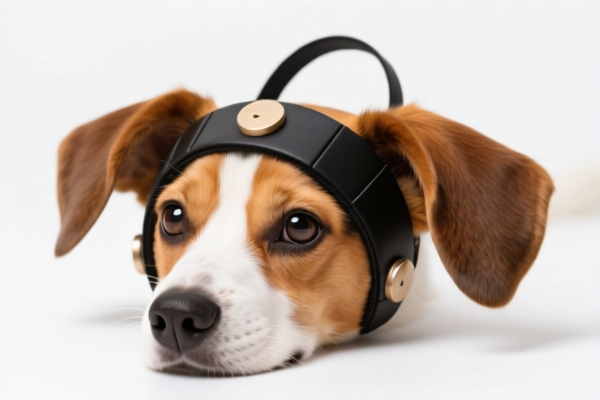
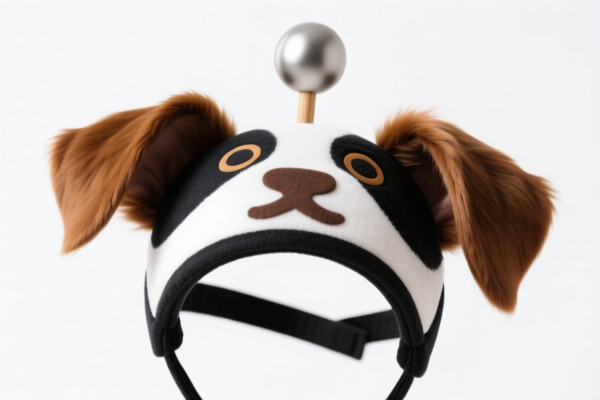
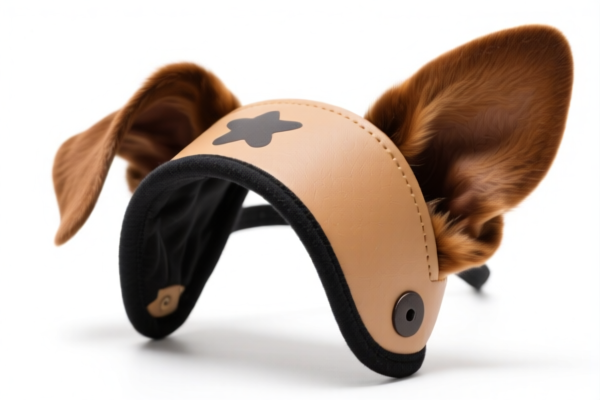

AI Analysis
🐶 Elizabeth Pet Protection Headgear (Elizabethan Collars / E-Collars)
🌐 HS Code Reference & Customs Clearance Guide | 2026 Latest Tariff Analysis | Professional Clearance Strategy
📌 One, Product Definition & Classification: Do You Truly Understand "E-Collars"?
The Elizabethan Collar, commonly known as an E-Collar, Cone of Shame, or Pet Protection Headgear, is a protective device worn by animals to prevent them from licking, biting, or scratching wounds on their bodies. While historically made of stiffened paper or plastic, modern versions vary significantly in material and construction, leading to different HS Code classifications.
In international trade, these products are primarily categorized under two headings based on their material composition:
1. Plastic Articles (Headings 3901–3914): Most standard rigid or semi-rigid plastic cones, soft fabric-covered plastic collars, and inflatable rings fall under Chapter 39 (Plastics and Articles Thereof).
2. Leather/Fabric Saddlery & Harness (Heading 4201): If the item is explicitly designed as a harness, leash, or specific dog equipment made of leather, fabric, or textile materials, it may fall under Chapter 42 (Articles of Leather; Saddlery and Harness).
⚠️ Key Distinction Point:
- If the product is a plastic cone or inflatable ring → Classify under HS 3926.90.99.89 (Other plastic articles).
- If the product is a fabric/leather collar with padding explicitly marketed as "dog harness/equipment" → Classify under HS 4201.00.30.00 (Dog leashes, collars, muzzles, harnesses).
- Crucial Note: The term "Headgear" is ambiguous. Customs will look at the primary material and functional description. Most "E-Collars" are plastic and thus fall under Ch. 39.
📦 Two, HS Code Classification Details (2026 Latest Tariff Authority Comparison)
Based on the provided <DATA>, here are the applicable HS Codes and their corresponding tax implications:
| HS Code | Product Description | Applicable Scenario | Material/Type |
|---|---|---|---|
3926.90.99.89 |
Other articles of plastics: Other: Other Other | Standard plastic E-Collars, inflatable collars, plastic mesh cones | ✅ Plastic |
3926.90.16.00 |
Other articles of plastics: Other: Pacifiers | NOT APPLICABLE (See Warning Below) | ❌ Misclassification Risk |
4201.00.30.00 |
Saddlery & Harness: Dog leashes, collars, muzzles, harnesses | Fabric-covered plastic collars, padded nylon E-Collars marketed as "Pet Harness/Collar" | ✅ Fabric/Leather/Hybrid |
4201.00.60.00 |
Saddlery & Harness: Other | Generic leather/fabric harnesses not specifically for dogs | ⚠️ Low Relevance |
🔍 Critical Clarification:
- Do NOT misclassify E-Collars as "Pacifiers" (3926.90.16.00): While functionally similar (preventing biting/licking), customs authorities distinguish "Pacifiers" (typically for infants) from "Pet Protection Devices." Using this code for pet items may lead to customs audits or reclassification.
- Plastic vs. Fabric: If your E-Collar is 90% plastic (e.g., clear rigid plastic), it MUST go under 3926.90.99.89. If it is a soft, fabric-covered cone or a padded nylon tube, it MAY qualify for 4201.00.30.00, but this depends on strict material composition rules.
💰 Three, 2026 Latest Tariff Rate Breakdown (Including Additional Duties & Policies)
✅ Applicable Country: United States (US)
✅ Country of Origin: China (CN)
✅ Effective Date: 2025–2026 (Based on current USITC & IEEPA regulations)
🎯 1. 3926.90.99.89 —— Plastic E-Collars (Standard)
| Item | Content |
|---|---|
| Base Tariff | 5.3% (Ad valorem) |
| Section 301 Additional Tariff | +7.5% (Current Rate for Plastic Articles) |
| Total Tax Rate | 12.8% |
| Tax Calculation | CIF Value × 12.8% |
| De Minimis Eligibility | ❌ Not Eligible (Section 301 goods do not qualify for $800 de minimis exemption if duty > 0%, but note: Recent policy changes may affect this; however, for B2B, it's fully taxed.) |
| Legal Basis Path | HTSUS: 3926.90.99.89 → Section 301: FTN 9903.88.01 → IEEPA: 9903.01.25 |
📌 Explanation:
- The 5.3% base rate applies to general plastic articles.
- The 7.5% additional tariff is the current rate for many plastic consumer goods under the US-China trade war tariffs (List 4B).
- Total Burden: 12.8% is relatively moderate compared to electronics, but still significant for low-margin pet products.
🎯 2. 4201.00.30.00 —— Fabric/Leather Dog Collars & Harnesses
| Item | Content |
|---|---|
| Base Tariff | 0.0% (Free) |
| Section 301 Additional Tariff | 0.0% |
| Total Tax Rate | 0.0% |
| Tax Calculation | $0 |
| De Minimis Eligibility | ✅ Eligible (If < $800 per person per day, though this is subject to political changes) |
| Legal Basis Path | HTSUS: 4201.00.30.00 → USITC Footnote 5 |
📌 Strategic Advantage:
- If your product can be legitimately classified as a fabric-covered or textile-based pet accessory (not rigid plastic), you benefit from a 0% tariff.
- Caution: Customs officers will inspect the material. If it’s a plastic cone covered in thin nylon, it may still be deemed "Plastic" under Chapter 39. You must ensure the fabric is the essential character or the product is marketed specifically as a "Harness/Collar" in textile chapters.
🎯 3. 3926.90.16.00 —— WARNING: Misclassification Risk
| Item | Content |
|---|---|
| Description | Pacifiers (Infant) |
| Total Tax | 0.0% |
| Risk | HIGH RISK of Customs Audit & Rejection |
📌 Explanation:
- DO NOT USE THIS CODE for pet E-Collars unless explicitly defined as a "pacifier" for animals in your home country’s customs database (rare).
- Misclassification leads to back taxes, penalties, and shipment delays.
- If you attempt to use this code to save costs, CBP (Customs and Border Protection) will likely reclassify it to3926.90.99.89, imposing the 12.8% duty + penalties.
🛠️ Four, Practical Customs Clearance Advice (Real-World Pitfall Avoidance)
✅ 1. Document Preparation Checklist (Non-Negotiable)
| Document | Mandatory? | Purpose |
|---|---|---|
| ✅ Product Photos | ✔️ | Show material (plastic vs. fabric), structure, and use case. |
| ✅ Commercial Invoice | ✔️ | Must clearly state: "Pet Elizabethan Collar, Plastic/Fabric, for Veterinary Use". Avoid vague terms like "Headgear." |
| ✅ Material Composition Statement | ✔️ | Specify % of plastic vs. fabric. Critical for distinguishing between 3926 and 4201. |
| ✅ Packaging Label | ✔️ | Should match the invoice description. |
| ✅ Certifications | ✔️ | If for US market, ensure compliance with CPSIA (if plastic parts may be mouthed) or general pet product safety standards. |
✅ 2. Declaration Tips (Key Mantras)
🔥 “Material Defines Code, Function Defines Description, Accuracy Saves Money!”
| Scenario | Correct Declaration | Incorrect Declaration | Consequence |
|---|---|---|---|
| Plastic Cone | 3926.90.99.89 – Plastic E-Collar |
3926.90.16.00 – Pacifier |
Audit, 12.8% Duty + Penalties |
| Fabric Collar | 4201.00.30.00 – Fabric Dog Collar |
3926.90.99.89 – Plastic Article |
Overpaying 12.8% unnecessarily |
| Mixed Material | 3926.90.99.89 (If plastic is essential) |
4201.00.60.00 – Other Harness |
Misclassification Risk |
✅ 3. Special Case Handling
| Scenario | Advice |
|---|---|
| Inflatable Collars | Classify as Plastic (3926.90.99.89). They are inflated plastic rings. |
| Soft/Fabric E-Collars | If the primary material is fabric and it functions as a collar, try 4201.00.30.00. Provide material specs proving fabric is dominant. |
| Custom/Embroidered Collars | Still subject to 4201.00.30.00 if classified as dog equipment. |
| Samples under $800 | May qualify for De Minimis exemption (Entry Type 86) IF correctly classified and not on prohibited list. However, Section 301 goods sometimes face scrutiny. Confirm with your broker. |
🌍 Five, Global Market Clearance Comparison (2026)
| Country/Region | Recommended HS Code | Tariff (China Origin) | Certification | Notes |
|---|---|---|---|---|
| 🇺🇸 USA | 3926.90.99.89 (Plastic) |
12.8% | No specific pet cert | Avoid 3926.90.16.00 |
| 🇺🇸 USA | 4201.00.30.00 (Fabric) |
0.0% | No specific pet cert | Requires fabric dominance |
| 🇪🇺 EU | 3926.90.99 |
0% | CE/REACH | Lower tax burden in EU |
| 🇨🇳 China | 3926.90.99 |
5.3% | N/A | Export from China has lower entry tax |
| 🇬🇧 UK | 3926.90.99 |
0% | UKCA | Post-Brexit tariffs vary |
📌 Conclusion:
- The US is the most tax-sensitive market for plastic pet accessories due to Section 301 tariffs.
- Material choice is critical: Switching from rigid plastic to fabric-heavy designs can eliminate 12.8% of costs.
- Never misclassify as "Pacifiers" – it’s a high-risk error.
📌 Six, Common Errors & Pitfall Guide (Lessons Learned)
❌ Error 1: Using 3926.90.16.00 (Pacifiers) for Pet E-Collars
👉 Consequence: Customs rejects entry, demands reclassification, imposes 12.8% duty + storage fees.
❌ Error 2: Declaring "Plastic Collar" as "Pet Harness" (4201)
👉 Consequence: Customs inspects and finds plastic dominates → Retroactive 12.8% tax + penalty.
❌ Error 3: Ignoring Material Composition
👉 Consequence: If you claim fabric but ship plastic, shipment is detained for further testing.
✅ Correct Practice:
"Elizabethan Collar, Rigid Plastic, Clear, 8-inch, for Dogs/Cats" → HS 3926.90.99.89
"Soft Fabric Pet Collar, Nylon, Padded, for Dogs" → HS 4201.00.30.00
🎯 Seven, Conclusion: Smart Classification, Higher Profits!
🎯 Remember the Mantra:
🔹 “Plastic E-Collar = 12.8% Tax (US)”
🔹 “Fabric Collar = 0% Tax (US)”
🔹 “Never call it a Pacifier!”
📌 Pro Tip:
If you are a manufacturer, consider designing fabric-based or soft-sided E-Collars to legally qualify for 4201.00.30.00 and reduce US tariffs to 0%. This is a proven strategy in the pet industry to mitigate trade war impacts.
📣 Action Step:
📞 Consult your customs broker before shipping.
📄 Provide clear material specs on invoices.
🚀 Optimize product design to align with lower-tariff HS codes.
✨ Professional Customs Clearance Starts with Accurate Classification!
💼 Every percentage point saved is pure profit!
Customer Reviews
About HS Code Classification
The Harmonized System (HS) is an internationally standardized nomenclature developed by the World Customs Organization (WCO) to classify traded products. Over 200 countries use the HS system as the basis for customs tariffs, trade statistics, and import/export regulations.
Each HS code follows a hierarchical structure:
- Chapter (2 digits) — Broad category of goods (e.g., Chapter 84: Machinery and Mechanical Appliances)
- Heading (4 digits) — More specific grouping within the chapter
- Subheading (6 digits) — Internationally standardized breakdown, used by all WCO member countries
- National subdivisions (8-10 digits) — Country-specific extensions for further classification, such as US HTSUS 10-digit codes
Correct HS code classification is essential for smooth customs clearance, accurate duty payment, and compliance with trade regulations. Misclassification can lead to customs delays, overpayment of duties, or penalties.
When importing from CN to US, the applicable tariff rates may include:
- Most-Favored-Nation (MFN) rate — The standard duty rate applied to WTO members
- General rate — Applied to countries without trade agreements
- Trade remedy duties — Additional tariffs such as Section 301 (anti-dumping), Section 232 (national security), or countervailing duties
The information provided on this page is for reference purposes only. For official classification, please consult with your local customs authority or a licensed customs broker.