Engine Oil Filter
CN → US| HS Code | Tariff Rate | Origin | Destination | Doc |
|---|---|---|---|---|
| 8409915085 | 37.5% | CN | US | Official Doc |
| 8409999990 | 35.0% | CN | US | Official Doc |
| 8413919060 | 35.0% | CN | US | Official Doc |
| 8421290040 | 35.0% | CN | US | Official Doc |
Product Images
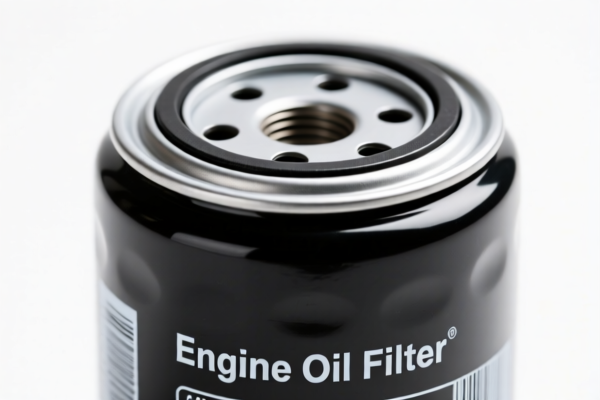
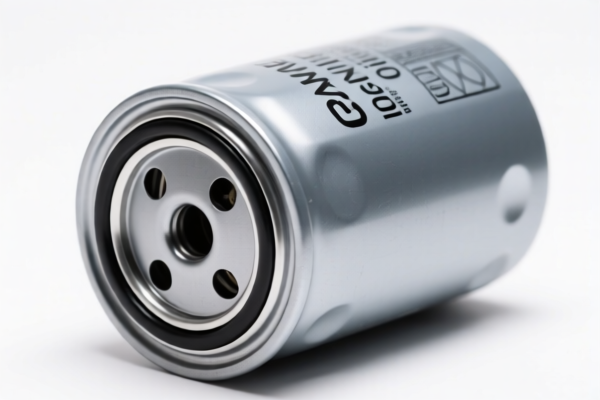
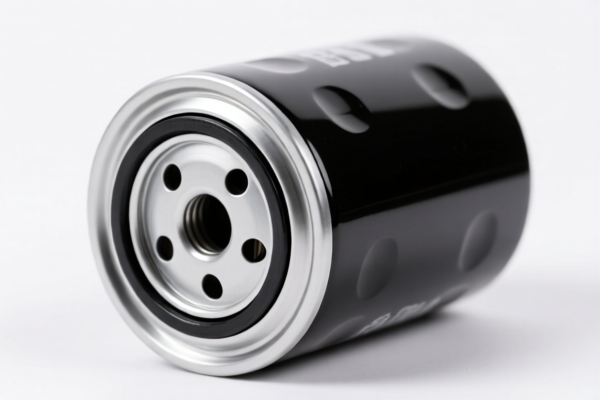

AI Analysis
🛢️ Engine Oil Filter (Industrial & Automotive Components)
🌐 HS Code Reference & Customs Clearance Guide | 2026 Latest Tariff Analysis | Professional Customs Strategy
📌 I. Product Definition & Classification: What Exactly is an "Engine Oil Filter"?
An Engine Oil Filter is a critical component in lubrication systems for internal combustion engines and hydraulic power units. Its primary function is to remove contaminants (metal shavings, dirt, carbon deposits) from engine oil to ensure smooth operation and extend equipment life.
In international trade, classification depends heavily on the specific application context: 1. Automotive/Engine Specific: If designed primarily for internal combustion engines (cars, trucks, generators). 2. General Fluid Filtration: If it functions as a generic hydraulic fluid filter for pumps or industrial machinery, independent of a specific engine block.
⚠️ Key Distinction Point:
- If the filter is specifically designed for engines (e.g., cylindrical spin-on filters for car engines) → It falls under Chapter 84, Heading 8409 (Parts of Engines).
- If the filter is a general-purpose hydraulic/oil filter for pumps or systems not strictly defined as "engine parts" → It may fall under 8421 (Centrifuges, Filtering/Purifying Machinery) or other generic machinery parts.
📦 II. HS Code Classification Details (2026 Latest Tariff Authority Comparison)
Based on the provided data, here are the four possible classification paths with their logical justifications:
| HS Code | Product Description | Logical Justification | Total Tax Rate |
|---|---|---|---|
| 8409.91.50.85 | Parts of Spark-Ignition Engines | Filter is categorized under "Other" parts for engines. Fits the logical use case of engine component protection. | 37.5% |
| 8409.99.99.90 | Other Parts of Engines (General) | Fits the "catch-all" attribute for engine system filtering components when not specifically listed in 8409.91. | 35.0% |
| 8413.91.90.60 | Parts of Hydraulic Power Pumps | Treated as a component of a pump system (hydraulic power unit) rather than an engine. "Other" category logic applies. | 35.0% |
| 8421.29.00.40 | Fluid Filtering Machinery | Classified as a "Hydraulic Fluid Power Filter" unit/component. Direct functional match for liquid filtration equipment. | 35.0% |
🔍 Critical Insight:
- 8409.91.50.85 carries the highest tax rate (37.5%) due to specific engine part tariffs.
- The other three codes (8409.99.99.90, 8413.91.90.60, 8421.29.00.40) all share a 35.0% total tax rate, which is slightly lower but still subject to significant additional duties.
- Classification hinges on documentation proof: Is it sold as an "Engine Part" or a "Filtration System Component"?
💰 III. 2026 Latest Tariff Rate Breakdown (Detailed Policy Additions)
✅ Applicable Country: United States (US)
✅ Origin: China (CN)
✅ Effective Date: Current tariffs apply based on 2025-2026 trade policies.
🎯 1. 8409.91.50.85 – Engine Part (High Risk)
| Item | Content |
|---|---|
| Base Duty | 2.5% |
| Section 301 Duty | +25.0% |
| Section 122 Duty | +10.0% |
| Total Tax Rate | 37.5% |
| Calculation Method | CIF Value × 37.5% |
| De Minimis Exemption | ❌ Not Eligible (High value/duty items usually excluded) |
| Legal Basis Path | USITC:8409.91.50.85 → Section 301: 25% → Section 122: 10% |
📌 Explanation:
- This code attracts the maximum combination of tariffs. The 301 duty (25%) and Section 122 duty (10%) are added to the base rate.
- Risk Level: High. Any misclassification here increases costs unnecessarily if a 35% code is applicable.
🎯 2. 8409.99.99.90 – Other Engine Parts
| Item | Content |
|---|---|
| Base Duty | 0.0% |
| Section 301 Duty | +25.0% |
| Section 122 Duty | +10.0% |
| Total Tax Rate | 35.0% |
| Calculation Method | CIF Value × 35.0% |
| Legal Basis Path | USITC:8409.99.99.90 → Section 301: 25% → Section 122: 10% |
📌 Explanation:
- No base duty, but the 35% additional tariff still applies.
- Suitable if the filter is not specifically for spark-ignition engines (8409.91) but still an engine part.
🎯 3. 8413.91.90.60 – Pump Part
| Item | Content |
|---|---|
| Base Duty | 0.0% |
| Section 301 Duty | +25.0% |
| Section 122 Duty | +10.0% |
| Total Tax Rate | 35.0% |
| Calculation Method | CIF Value × 35.0% |
| Legal Basis Path | USITC:8413.91.90.60 → Section 301: 25% → Section 122: 10% |
📌 Explanation:
- Applies if the oil filter is part of a hydraulic pump system (e.g., industrial machinery, not vehicle engines).
🎯 4. 8421.29.00.40 – Fluid Filter
| Item | Content |
|---|---|
| Base Duty | 0.0% |
| Section 301 Duty | +25.0% |
| Section 122 Duty | +10.0% |
| Total Tax Rate | 35.0% |
| Calculation Method | CIF Value × 35.0% |
| Legal Basis Path | USITC:8421.29.00.40 → Section 301: 25% → Section 122: 10% |
📌 Explanation:
- This is the most functional classification for "Oil Filter" as a standalone filtration device.
- Strategy: If the product is not strictly an "engine part" (e.g., for general hydraulic systems), this is a viable 35% alternative to avoid the 37.5% engine part rate.
🛠️ IV. Customs Clearance Practical Advice (Operational Pitfall Guide)
✅ 1. Required Documentation Checklist (Non-Negotiable)
| Document | Mandatory? | Description |
|---|---|---|
| ✅ Product Specification Sheet | ✔️ | Must clearly state: "Engine Oil Filter" OR "Hydraulic Fluid Filter". Specify compatibility (e.g., "For CAT 320 Excavator" vs. "General Hydraulic System"). |
| ✅ Technical Drawings/Photos | ✔️ | Show the filter structure. Is it a spin-on canister (engine-like) or a cartridge (pump-like)? |
| ✅ Commercial Invoice | ✔️ | Must match HS Code description. Do NOT write "General Part" if it's a specific filter. |
| ✅ Bill of Lading | ✔️ | Ensure weight/volume matches declaration. |
| ✅ Origin Certificate | ✔️ | Crucial for proving Chinese origin to apply correct 301/122 tariffs. |
✅ 2. Declaration Strategies (Key Tips)
🔥 "Describe the Function, Not Just the Name!"
| Scenario | Recommended HS Code | Reasoning |
|---|---|---|
| Car/Truck Engine Filter | 8409.91.50.85 or 8409.99.99.90 |
Specifically for engines. Expect 35-37.5% duty. |
| Industrial Hydraulic Filter | 8421.29.00.40 |
Described as "Fluid Filtering Machinery". Fits 35% duty. |
| Pump System Component | 8413.91.90.60 |
Linked to hydraulic power pumps. Fits 35% duty. |
⚠️ Warning:
- Do NOT use vague terms like "Metal Part" or "Filter Accessory" without context.
- If you declare8421.29.00.40(Fluid Filter) but customs determines it's exclusively for engines, they may reclassify to8409codes, leading to penalties and back taxes.
✅ 3. Special Considerations
| Situation | Advice |
|---|---|
| OEM Filters | Provide the OEM Part Number and compatible engine model. This supports 8409 classification. |
| Aftermarket Filters | If sold as "Universal Hydraulic Filter", lean towards 8421.29.00.40 to justify functional classification. |
| Kit Packaging | If sold with an engine, the filter is absorbed into the engine's duty. If sold separately, it is taxed independently. |
🌍 V. Global Market Comparison (2026 Context)
| Country/Region | Recommended HS Code | Est. Duty (China Origin) | Notes |
|---|---|---|---|
| 🇺🇸 USA | 8409.91.50.85 / 8421.29.00.40 |
35.0% - 37.5% | High tariffs due to Section 301 & 122. |
| 🇨🇳 China | 8409.99.99.90 |
Low (MFN Rate) | Import duty is low; VAT applies separately. |
| 🇪🇺 EU | 8421.29.00.00 |
~0% - 4% | Generally lower duties for machinery parts. |
| 🇯🇵 Japan | 8421.29.00.00 |
~0% - 5% | Competitive rates for industrial parts. |
📌 Conclusion:
- The US market is the most expensive for Engine Oil Filters due to the layered tariff structure (Base + 301 + 122).
- Cost Optimization: If the filter is versatile, consider classifying under8421.29.00.40(35%) instead of8409.91.50.85(37.5%) if technically defensible.
📌 VI. Common Mistakes & Pitfalls (Lessons Learned)
❌ Mistake 1: Declaring as "General Machinery Part" (8483) to avoid higher duties.
👉 Consequence: Customs will reclassify to 8409 or 8421 based on function, resulting in back taxes + fines.
❌ Mistake 2: Ignoring Section 122 Duty.
👉 Consequence: The 10% Section 122 duty is often overlooked. Failing to account for it leads to budget shortfalls.
❌ Mistake 3: Using inconsistent terminology.
👉 Consequence: Invoice says "Engine Filter", Packing List says "Hydraulic Filter". This triggers customs inspection and delays.
✅ Best Practice:
"Engine Oil Filter, Spin-On Type, For Internal Combustion Engines, Model XYZ, Made in China"
or
"Hydraulic Fluid Filter Element, For Industrial Pumps, Model ABC, Made in China"
🎯 VII. Conclusion: Precision in Classification Saves Money
🎯 Remember the Formula:
🔹 Engine Specific →
8409(Watch for 37.5%)
🔹 Hydraulic/General Filter →8421(Target 35%)
🔹 Always Account for: Base + 301% (25%) + 122% (10%)
📌 Pro Tip:
For high-volume shipments, consider applying for an Advance Ruling (Ruling No.) from US Customs and Border Protection (CBP) to lock in the HS Code and tax rate, avoiding surprise audits.
📣 Immediate Action:
📞 Consult with a licensed customs broker.
📄 Submit technical specs and photos for pre-clearance review.
🚀 Optimize your supply chain by choosing the correct HS Code from Day 1!
✨ Professional Customs Clearance Starts with Accurate Classification!
💼 Every Percentage Point Counts in Global Trade!
Customer Reviews
About HS Code Classification
The Harmonized System (HS) is an internationally standardized nomenclature developed by the World Customs Organization (WCO) to classify traded products. Over 200 countries use the HS system as the basis for customs tariffs, trade statistics, and import/export regulations.
Each HS code follows a hierarchical structure:
- Chapter (2 digits) — Broad category of goods (e.g., Chapter 84: Machinery and Mechanical Appliances)
- Heading (4 digits) — More specific grouping within the chapter
- Subheading (6 digits) — Internationally standardized breakdown, used by all WCO member countries
- National subdivisions (8-10 digits) — Country-specific extensions for further classification, such as US HTSUS 10-digit codes
Correct HS code classification is essential for smooth customs clearance, accurate duty payment, and compliance with trade regulations. Misclassification can lead to customs delays, overpayment of duties, or penalties.
When importing from CN to US, the applicable tariff rates may include:
- Most-Favored-Nation (MFN) rate — The standard duty rate applied to WTO members
- General rate — Applied to countries without trade agreements
- Trade remedy duties — Additional tariffs such as Section 301 (anti-dumping), Section 232 (national security), or countervailing duties
The information provided on this page is for reference purposes only. For official classification, please consult with your local customs authority or a licensed customs broker.