Engineering Machinery Parts
CN → US| HS Code | Tariff Rate | Origin | Destination | Doc |
|---|---|---|---|---|
| 4016996050 | 37.5% | CN | US | Official Doc |
| 3926905900 | 37.4% | CN | US | Official Doc |
| 8431499038 | 85.0% | CN | US | Official Doc |
| 8431499090 | 85.0% | CN | US | Official Doc |
| 4016996010 | 37.5% | CN | US | Official Doc |
Product Images
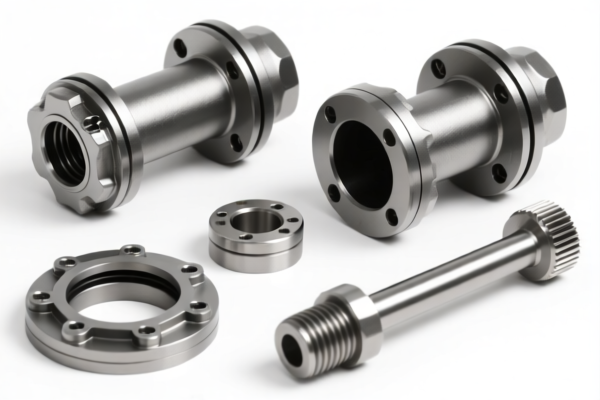
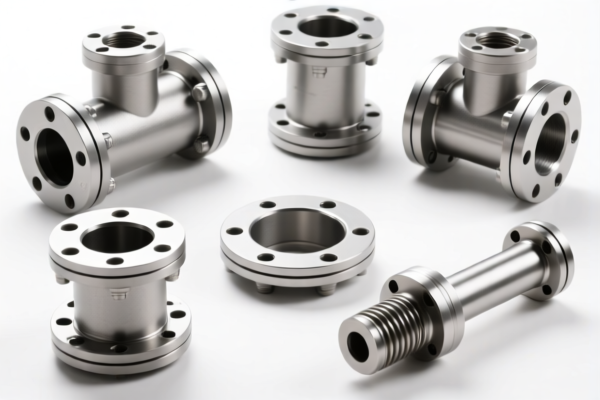
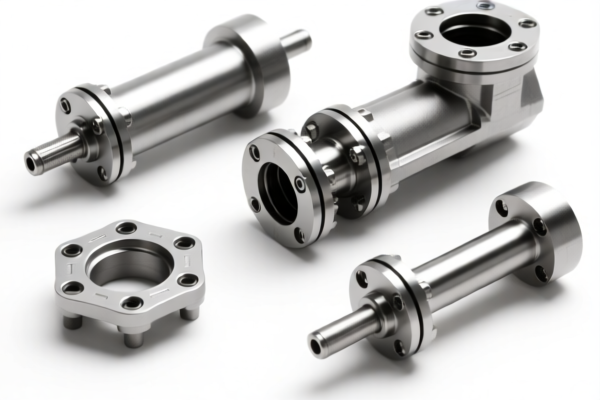
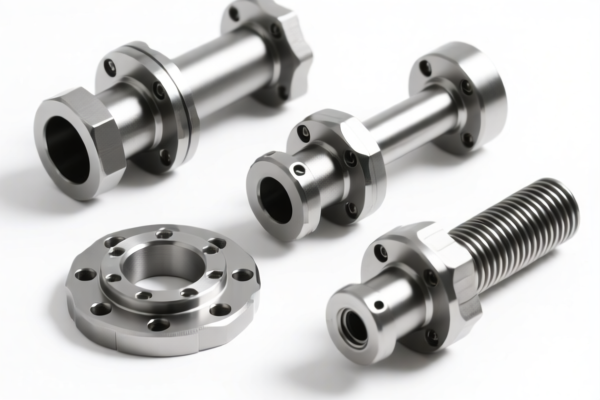
AI Analysis
🏗️ Engineering Machinery Parts
🌐 HS Code Reference & Customs Clearance Guide | 2026 Latest Tariff Analysis | Professional Customs Strategy
📌 I. Product Definition & Classification: Do You Really Understand "Engineering Machinery Parts"?
Engineering machinery parts refer to components specifically designed for use in heavy equipment such as excavators, bulldozers, cranes, loaders, and other construction or industrial machinery. In international trade, these parts are generally classified based on their material composition and functionality.
The two most common material types are: * Rubber Components: Seals, bushings, conveyor belts, tires, and vibration dampeners. * Metal/Plastic Components: Structural brackets, hydraulic fittings, or plastic housings.
⚠️ Key Distinction Point:
- If the part is made of rubber and serves as a generic mechanical accessory (not specific to a single brand/model), it may fall under Chapter 40 (Rubber Products) or Chapter 84 (Machinery Parts) depending on specificity. - If the part is made of plastic and is a generic accessory, it may fall under Chapter 39 (Plastics) or Chapter 84. - Crucial Note: The classification heavily depends on whether the "other" (generic) category has a material conflict. For rubber parts, Chapter 40 is often preferred; for plastic, Chapter 39 is considered if no specific machinery part fits better.
📦 II. HS Code Classification Details (2026 Latest Tariff Authority Comparison)
Based on the provided data, here are the potential HS Codes for "Engineering Machinery Parts" (specifically focusing on rubber/plastic generic accessories):
| HS Code | Product Description | Material | Applicability & Logic |
|---|---|---|---|
4016.99.60.50 |
Other vulcanized rubber articles, n.e.s. | Rubber | Best Fit for Rubber Parts. • Matches material: "Rubber" is explicitly vulcanized rubber. • Matches form: "Mechanical accessories" fit the "other" (general) category logic. • No material conflict within Chapter 40. • Lowest Risk/Lowest Base Tax. |
4016.99.60.10 |
Other vulcanized rubber articles, n.e.s. | Rubber | Alternative for Rubber Parts. • Matches material: Rubber. • Matches form: Accessories/Parts. • Based on "default preference for accessories" and "material priority" principle. • Similar tax profile to ...50. |
3926.90.59.00 |
Other articles of plastics, n.e.s. | Plastic (Logically Linked) | Alternative for Plastic/Generic Parts. • Matches form: "Parts/Components". • Material mismatch (Plastic vs. Rubber), but accepted under "fallback category" logic because rubber/plastic are both polymer materials. • High logical correlation between Chapter 39 and 40. • Slightly Lower Base Tax than Rubber. |
8431.49.90.38 |
Parts suitable for use solely or principally with machinery of heading 84.30 or 84.31 | Rubber (Generic) | General Machinery Parts Category. • Matches form: "Parts/Accessories". • Material: Rubber is accepted under "other" category with no specific conflict. • Follows default tendency for machinery parts. • HIGH TAX RISK (See Below). |
8431.49.90.90 |
Other parts suitable for use solely or principally with machinery of heading 84.30 or 84.31 | Rubber (Generic) | General Machinery Parts Category. • Matches form: "Accessories/Parts". • Material: Rubber accepted under "other" (other) category. • No material conflict with mechanical parts. • HIGH TAX RISK (See Below). |
🔍 Key Insight:
- Chapter 40 (Rubber) codes (4016...) are generally safer and have lower base tariffs (2.5%) compared to Chapter 84 (Machinery) codes (8431...) which have 0% base but higher punitive risks. - Chapter 39 (Plastic) code (3926...) is a logical fallback if the item is plastic or if a rubber-specific code is unavailable, due to the polymer material similarity.
💰 III. 2026 Latest Tariff Rate Details (Including Additional Taxes & Policies)
✅ Applicable Country: United States (US)
✅ Origin: China (CN)
✅ Effective Date: November 10, 2025 (and onwards)
🎯 1. 4016.99.60.50 & 4016.99.60.10 —— Other Vulcanized Rubber Articles
| Item | Content |
|---|---|
| Base Tariff | 2.5% (ad valorem) |
| USITC Additional Tariff (Section 301) | +25.0% |
| IEEPA Additional Tariff | +10.0% (Against China/HK products, effective Nov 10, 2025) |
| Total Tariff Rate | 37.5% |
| Tax Calculation | CIF Value × 37.5% |
| De Minimis Eligibility | ❌ Not Eligible (deny_de_minimis) |
| Legal Basis Path | USITC:4016.99.60.50 → FOOTNOTE:301 → IEEPA:9903.01.25 → IEEPA:9903.01.24 |
📌 Explanation:
- These are the most favorable options for rubber machinery parts due to the lower base tariff. - The 37.5% total rate is high but significantly lower than machinery parts with metal components. - No additional "Steel/Aluminum/Copper" surcharge applies here because the primary material is rubber.
🎯 2. 3926.90.59.00 —— Other Plastic Articles
| Item | Content |
|---|---|
| Base Tariff | 2.4% (ad valorem) |
| USITC Additional Tariff (Section 301) | +25.0% |
| IEEPA Additional Tariff | +10.0% |
| Total Tariff Rate | 37.4% |
| Tax Calculation | CIF Value × 37.4% |
| De Minimis Eligibility | ❌ Not Eligible |
| Legal Basis Path | USITC:3926.90.59.00 → FOOTNOTE:301 → IEEPA:9903.01.25 → IEEPA:9903.01.24 |
📌 Note:
- Only 0.1% cheaper than the rubber codes. - Use this if the part is primarily plastic or if customs argues rubber codes are too specific. - Still subject to all punitive tariffs.
🎯 3. 8431.49.90.38 & 8431.49.90.90 —— Parts of Earthmoving Machinery (Other)
| Item | Content |
|---|---|
| Base Tariff | 0.0% (ad valorem) |
| USITC Additional Tariff (Section 301) | +25.0% |
| IEEPA Additional Tariff | +10.0% |
| Steel/Aluminum/Copper Surcharge | +50.0% (If any metal components are present or if classified as metal-containing) |
| Total Tariff Rate | 85.0% (If metal components trigger the 50% surcharge) |
| Tax Calculation | CIF Value × 85.0% |
| De Minimis Eligibility | ❌ Not Eligible |
| Legal Basis Path | USITC:8431.49.90.38 → FOOTNOTE:301 → IEEPA:9903.01.25 → FOOTNOTE:METAL_SURCHARGE |
📌 CRITICAL WARNING:
- While the base tariff is 0%, the total rate can reach 85% if the code is interpreted to include metal components or if customs applies the 50% surcharge for steel/aluminum/copper products. - Even if the part is rubber, if it is classified under Chapter 84 (machinery parts), customs may scrutinize it for metal content. If it is pure rubber, the 50% surcharge might not apply, but the risk of audit and reclassification is extremely high. - The 85% rate is punitive and must be avoided if possible.
🛠️ IV. Customs Clearance Practical Advice (Avoid Pitfalls)
✅ 1. Document Checklist (Mandatory)
| Document | Required | Description |
|---|---|---|
| ✅ Product Specification Sheet | ✔️ | Must clearly state material composition (e.g., "100% Vulcanized Rubber", "EPDM", "NBR"). |
| ✅ Product Photos (Clear) | ✔️ | Show the part clearly, highlighting its shape, texture, and any markings. |
| ✅ Commercial Invoice | ✔️ | Describe the item accurately: "Rubber Bushing for Excavator" or "Plastic Housing Cover", NOT just "Machinery Part". |
| ✅ Certificate of Origin (CO) | ✔️ | Essential for proving China origin (to confirm applicable tariffs). |
| ✅ Packing List | ✔️ | Detail contents to avoid confusion with metal parts. |
| ✅ Third-Party Test Report | ✔️ | Material composition report (e.g., SGS) proving it is rubber/plastic and not metal. |
✅ 2. Declaration Tips (Key Mantras)
🔥 “Material First, Form Second, Avoid ‘Metal’ Label, Save 50%!”
| Scenario | Correct Declaration | Wrong Practice |
|---|---|---|
| Rubber Seal/Bushing | 4016.99.60.50 - "Rubber Bushing" |
8431.49.90.38 - "Machinery Part" → 85% tax! |
| Plastic Cover | 3926.90.59.00 - "Plastic Cover" |
8431.49.90.90 - "Part" → 85% risk! |
| Mixed Material (Rubber + Metal) | Declare metal content accurately; likely 8431... but with 50% surcharge risk. |
Hide metal content → Seizure/Fine. |
| Generic Accessory | Use Chapter 40/39 if function is secondary to material. | Force into 8431 for "zero base tax" → Audit risk. |
✅ 3. Special Circumstances Handling
| Scenario | Handling Advice |
|---|---|
| Part Contains Metal Hardware | If the rubber part has a metal insert, customs may classify it as a metal product under Chapter 84, triggering the 50% surcharge. Consider separating if possible. |
| OEM Specific Parts | If the part is uniquely shaped for one machine brand, it is more likely to be classified under 8431. Provide OEM documentation to support generic 4016 or 3926 classification. |
| High-Value Parts | For expensive parts, the 85% vs 37.5% difference is critical. Always opt for material-specific classification (4016/3926) if legally justifiable. |
| Customs Audit | If audited, provide material test reports proving the item is primarily rubber/plastic, not metal. |
🌍 V. Global Market Comparison (2026 Latest)
| Country/Region | Recommended HS Code | Tariff Rate (China Origin) | Notes |
|---|---|---|---|
| 🇺🇸 USA | 4016.99.60.50 |
37.5% | Lowest risk for rubber parts. Avoid 8431 if possible. |
| 🇨🇳 China | 4016.99.60.50 |
5-10% (Import Duty) | No punitive tariffs. |
| 🇪🇺 EU | 4016.99.60.50 |
0-6.5% (Depends on Free Trade) | No US-style punitive tariffs. |
| 🇯🇵 Japan | 4016.99.60.50 |
0-6% | Check JCEP benefits. |
| 🇦🇺 Australia | 4016.99.60.50 |
5% | No punitive tariffs. |
📌 Conclusion:
- The US market is the most challenging due to Section 301 and IEEPA tariffs. - Chapter 84 codes (8431) in the US are a trap for rubber/plastic parts due to the potential 50% metal surcharge, leading to an 85% effective tariff. - Chapter 40 (4016) is the safest and most cost-effective for rubber machinery parts in the US.
📌 VI. Common Mistakes & Pitfalls (Lessons Learned)
❌ Mistake 1: Classifying all "Machinery Parts" under 8431.49.90.38
👉 Consequence: Potential 85% tariff if metal components are detected or surcharge applied. Loss of 50% margin!
❌ Mistake 2: Describing items vaguely as "Parts" without specifying material
👉 Consequence: Customs will assign the highest risk code (8431) or demand physical inspection, causing delays.
❌ Mistake 3: Assuming "0% Base Tax" means "0% Total Tax"
👉 Consequence: Ignoring IEEPA (10%) and Section 301 (25%) and Metal Surcharge (50%) leads to severe underpayment and penalties.
❌ Mistake 4: Using Plastic Codes (3926) for Rubber Parts
👉 Consequence: Material mismatch can lead to rejection or misdeclaration fines. Stick to 4016 for rubber.
✅ Correct Approach:
"Vulcanized Rubber Bushing, No Metal Insert, for Excavator Undercarriage, Model XYZ, 100% Rubber Material Certified"
🎯 VII. Conclusion: Precision Classification, Cost Savings, Efficiency!
🎯 Remember the Mantra:
🔹 "Rubber goes to 40, Plastic to 39, Metal to 84 with Caution!"
🔹 "Base Tax is 0%, but Total Tax is 85% if you ignore the Metal Surcharge!"
🔹 "Material Declaration is Key to Saving 50%!"
📌 Pro Tip:
If your parts are originating from Vietnam, Mexico, or Thailand, you may be eligible for IEEPA Exemptions or lower Section 301 rates.
Recommendation: Apply for Advance Ruling from US Customs (CBP) before shipping to confirm the correct HS Code and avoid unexpected 85% tariffs.
📣 Immediate Action:
📞 Contact a professional customs broker + Provide Material Test Reports + Apply for HS Code Advance Ruling
🚀 Ensure your engineering machinery parts clear customs smoothly, avoid 85% traps, and maximize profits!
✨ Professional Customs Clearance Starts with Accurate Classification!
💼 Every Cent of Cost Deserves Precise Calculation!
Customer Reviews
About HS Code Classification
The Harmonized System (HS) is an internationally standardized nomenclature developed by the World Customs Organization (WCO) to classify traded products. Over 200 countries use the HS system as the basis for customs tariffs, trade statistics, and import/export regulations.
Each HS code follows a hierarchical structure:
- Chapter (2 digits) — Broad category of goods (e.g., Chapter 84: Machinery and Mechanical Appliances)
- Heading (4 digits) — More specific grouping within the chapter
- Subheading (6 digits) — Internationally standardized breakdown, used by all WCO member countries
- National subdivisions (8-10 digits) — Country-specific extensions for further classification, such as US HTSUS 10-digit codes
Correct HS code classification is essential for smooth customs clearance, accurate duty payment, and compliance with trade regulations. Misclassification can lead to customs delays, overpayment of duties, or penalties.
When importing from CN to US, the applicable tariff rates may include:
- Most-Favored-Nation (MFN) rate — The standard duty rate applied to WTO members
- General rate — Applied to countries without trade agreements
- Trade remedy duties — Additional tariffs such as Section 301 (anti-dumping), Section 232 (national security), or countervailing duties
The information provided on this page is for reference purposes only. For official classification, please consult with your local customs authority or a licensed customs broker.