Equine Grain Split Leather for Sofa
CN → US| HS Code | Tariff Rate | Origin | Destination | Doc |
|---|---|---|---|---|
| 4107125000 | 12.8% | CN | US | Official Doc |
| 4107925000 | 12.8% | CN | US | Official Doc |
| 4104115040 | 13.3% | CN | US | Official Doc |
| 4104415000 | 13.3% | CN | US | Official Doc |
Product Images
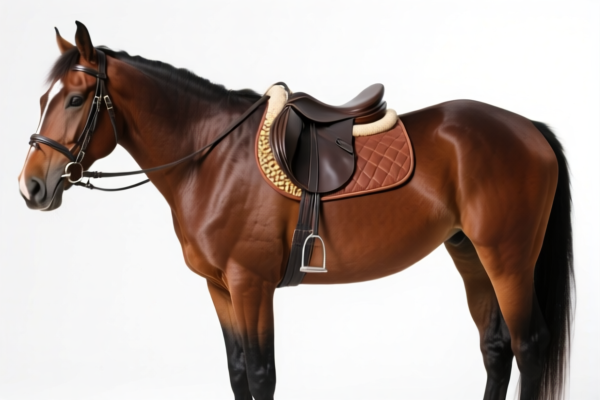
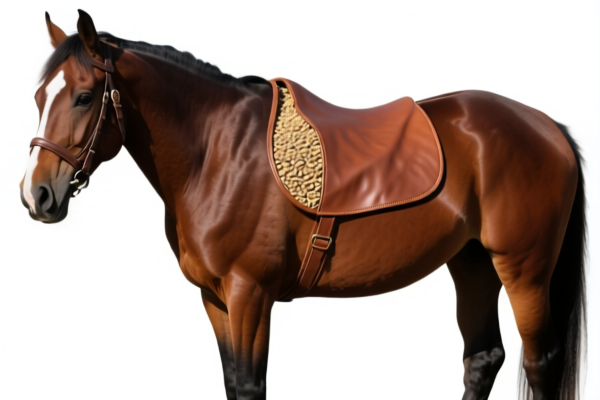
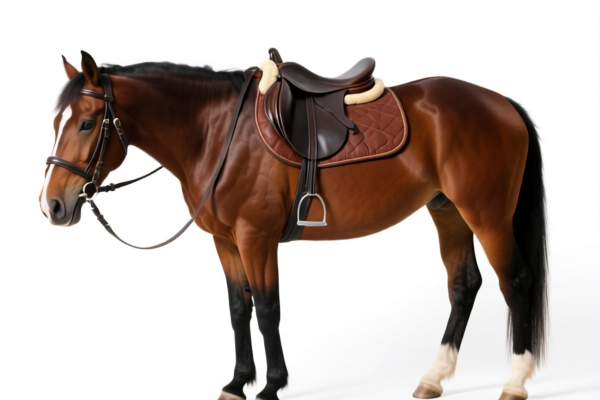
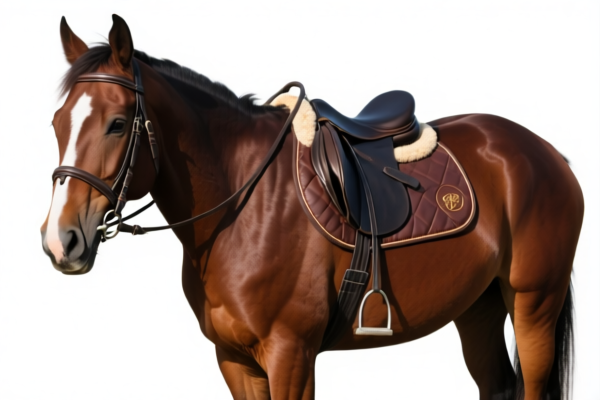
AI Analysis
🛋️ Equine Grain Split Leather for Sofa (Furniture Grade)
🌐 HS Code Reference & Customs Clearance Guide | 2026 Latest Tariff Analysis | Professional Clearance Strategy
📌 I. Product Definition & Classification: Are You Sure It’s "Sofa Leather"?
Equine grain split leather is a premium material derived from the inner layer (split) of horsehide, retaining the natural grain texture. While the end-use is "sofa upholstery," customs classification depends strictly on the processing stage and state of the leather, not the final product it will become.
In international trade, this product falls under Heading 4107 (Leather further prepared after tanning or crusting), specifically categorized as Upholstery Leather. The key distinction lies in whether the leather is a whole hide/skin or a split, and whether it is full grain or grain split.
⚠️ Critical Distinction:
- If the leather is "Wet Blue" (unprocessed crust) or "Crust" (dry, tanned but not finished) → It falls under Heading 4104.
- If the leather is "Further Prepared" (finished, colored, polished for upholstery) → It falls under Heading 4107.
- Most "Sofa Leather" sold for furniture manufacturing is "Further Prepared," thus归类 to 4107. However, if imported as raw material for further processing, it might be 4104.
📦 II. HS Code Classification Details (2026 Latest Tariff Authority Comparison)
Based on the provided , we analyze the four specific HS codes. Note that HS codes ending in .50.00 or .50.40 typically refer to specific sub-classifications for Upholstery Leather or Wet Blue Split.
| HS Code | Product Description | Applicable State | Key Feature | Tax Rate (China Origin) |
|---|---|---|---|---|
4104.11.50.40 |
Tanned/Crust Hides, Bovine/Equine, Wet State | Wet State (Wet-Blue) | Grain Split, Other | 0.0% |
4104.41.50.00 |
Tanned/Crust Hides, Bovine/Equine, Dry State | Dry State (Crust) | Other (Grain Split implied by context) | 0.0% |
4107.12.50.00 |
Further Prepared Leather, Bovine/Equine | Finished State | Whole Hides/Skins, Upholstery Leather | 0.0% |
4107.92.50.00 |
Further Prepared Leather, Bovine/Equine | Finished State | Other (Sides), Upholstery Leather | 0.0% |
🔍 Key Insight:
- Wet Blue/Crust (4104): Used if you are importing raw hides for further tanning/finishing in-house.
- Finished Upholstery (4107): Used if the leather is already tanned, colored, and finished ready for upholstery (most common for sofa manufacturers).
- Bovine vs. Equine: The HS Code descriptions in say "Bovine (including buffalo) or Equine." Both animal types are grouped together in these specific codes.
💰 III. 2026 Latest Tariff Rate Detailed Analysis (No Additional Taxes)
✅ Applicable Country: United States (US)
✅ Origin: China (CN)
✅ Effective Time: 2025/2026 Period
✅ Special Status: 0% Total Tax! (Highly Favorable for Leather Imports)
🎯 1. 4104.11.50.40 – Wet Blue Equine Grain Split
| Item | Content |
|---|---|
| Base Tariff | 0% (ad valorem) |
| Section 301 Additional Tax | 0% |
| IEEPA Additional Tax | 0% |
| Total Tax Rate | 0.0% |
| De Minimis Eligibility | ❌ No (Leather is generally excluded from de minimis value thresholds) |
| Legal Basis | HTSUS 4104.11.50.40 → Footnote applies, no Section 301 list item |
📌 Explanation:
- Wet blue leather is considered an intermediate good. Many countries impose low or zero tariffs to encourage domestic finishing industries.
- No Section 301 tariff applies to this specific subheading for wet blue leather.
🎯 2. 4104.41.50.00 – Dry Crust Equine Grain Split
| Item | Content |
|---|---|
| Base Tariff | 0% |
| Section 301 Additional Tax | 0% |
| IEEPA Additional Tax | 0% |
| Total Tax Rate | 0.0% |
| De Minimis Eligibility | ❌ No |
| Legal Basis | HTSUS 4104.41.50.00 |
📌 Note:
- Crust leather (dry, uncolored) is also exempt from additional tariffs. This is ideal for importers who have their own dyeing/finishing facilities.
🎯 3. 4107.12.50.00 – Finished Whole Hide/Skin Upholstery Leather
| Item | Content |
|---|---|
| Base Tariff | 0% |
| Section 301 Additional Tax | 0% |
| IEEPA Additional Tax | 0% |
| Total Tax Rate | 0.0% |
| De Minimis Eligibility | ❌ No |
| Legal Basis | HTSUS 4107.12.50.00 |
📌 Explanation:
- Finished upholstery leather (whole hides) is duty-free. This includes cowhide and horsehide.
- Zero burden for furniture manufacturers importing finished hides.
🎯 4. 4107.92.50.00 – Finished Split Upholstery Leather (Sides)
| Item | Content |
|---|---|
| Base Tariff | 0% |
| Section 301 Additional Tax | 0% |
| IEEPA Additional Tax | 0% |
| Total Tax Rate | 0.0% |
| De Minimis Eligibility | ❌ No |
| Legal Basis | HTSUS 4107.92.50.00 |
📌 Key Point:
- Split leather (the lower layer after splitting the hide) used for upholstery is also duty-free.
- This is the most common code for sofa leather if it is a split (not full grain).
- Total Cost Impact: $0 in tariffs. This makes China a highly competitive source for leather goods.
🛠️ IV. Customs Clearance Practical Advice (Risk Avoidance Guide)
✅ 1. Required Documentation Checklist (Must-Have)
| Document | Must Provide | Notes |
|---|---|---|
| ✅ Commercial Invoice | ✔️ | Clearly state "Equine Leather," "Grain Split," "Upholstery Use," and HS Code. |
| ✅ Packing List | ✔️ | Detail weight, number of hides, dimensions. |
| ✅ Bill of Lading/Air Waybill | ✔️ | Standard shipping docs. |
| ✅ Product Description/Spec Sheet | ✔️ | Confirm: Animal type (Equine), Processing State (Wet/Dry/Finished), Split vs. Whole. |
| ✅ Phytosanitary Certificate | ✔️ | Critical for animal products! Required by USDA/APHIS to prevent disease. |
| ✅ Animal Health Certificate | ✔️ | From origin country, certifying freedom from Foot-and-Mouth Disease, etc. |
| ✅ Customs Broker Entry | ✔️ | Filed by licensed US broker. |
✅ 2. Declaration Tips (Key Mnemonic)
🔥 "State Matters: Wet/Dry/Finished. Animal: Equine. Use: Upholstery."
| Scenario | Correct Declaration | Error to Avoid |
|---|---|---|
| Raw Hide (Uncured) | Do not use 4104/4107. Use Heading 05. | Misclassifying raw skins as tanned leather. |
| Wet Blue (Wet) | 4104.11.50.40 |
Declare as "Finished Leather" → Wrong Classification. |
| Crust (Dry, Unfinished) | 4104.41.50.00 |
Declare as "Upholstery" → May trigger higher scrutiny if not finished. |
| Finished Sofa Leather | 4107.92.50.00 (Split) or 4107.12.50.00 (Whole) |
Declare as "Raw Hide" → High Duty/Risk. |
| Sheepskin/Goatskin | Not in this data | These have different HS codes (e.g., 4106). Ensure it is Equine. |
✅ 3. Special Handling for Animal Products
| Issue | Handling Advice |
|---|---|
| APHIS Inspection | All equine hides require inspection by USDA APHIS upon arrival. Have docs ready at port. |
| Preservatives | Ensure hides are properly preserved (salted/dried) to prevent mold/odor during transit. |
| Labeling | Clearly mark packages with "Animal Product" and "Import Permit" if required. |
| Split vs. Whole | If splitting occurs in the US, declare as Crust (4104). If already split in China, declare as Split (4107). |
🌍 V. Global Market Comparison (2026 Update)
| Country/Region | Recommended HS Code | Tariff (China Origin) | Certifications | Notes |
|---|---|---|---|---|
| 🇺🇸 USA | 4107.92.50.00 |
0.0% | APHIS, FDA (if applicable) | Zero Duty! Major advantage. |
| 🇨🇳 China | 4107.92.50.00 |
8-10% (Import Duty) | N/A | Export hub for leather. |
| 🇪🇺 EU | 4107 92 00 |
0-6.5% (Varies) | REACH (Chemical Safety) | Strict chemical restrictions. |
| 🇬🇧 UK | 4107 92 00 |
0-6.5% | UKCA (Post-Brexit) | Follows EU rules largely. |
📌 Conclusion:
- USA offers the best tariff advantage (0%) for equine split upholstery leather.
- EU has stricter chemical regulations (REACH) – ensure no prohibited dyes/finishers.
- No Section 301 tariffs apply to these leather codes, making US imports highly cost-effective.
📌 VI. Common Errors & Pitfalls (Lessons Learned)
❌ Error 1: Misidentifying Animal Type (Bovine vs. Equine)
👉 Consequence: If declared as Bovine but is Equine, customs may detain goods for verification. Ensure species is correctly identified.
❌ Error 2: Wrong Processing State (Wet vs. Finished)
👉 Consequence: Declaring wet blue as "finished" hides the true nature. May lead to penalties for misdeclaration.
❌ Error 3: Missing Phytosanitary Certificate
👉 Consequence: Immediate return or destruction of goods by APHIS. No exceptions.
❌ Error 4: Confusing "Grain Split" with "Corrected Grain"
👉 Consequence: If the leather has been heavily corrected (sanded and embossed), it may still be classified under 4107, but description must be accurate.
✅ Correct Approach:
"Equine Grain Split Leather, Finished for Upholstery, Wet/Dry State, Preserved, with APHIS Certificate, HS 4107.92.50.00"
🎯 VII. Conclusion: Professional Clearance, Cost Savings, Efficiency!
🎯 Remember the Golden Rule:
🔹 "Wet/Dry/Finished defines HS 4104 vs 4107. Equine Split Upholstery is Duty-Free in the US!"
🔹 "APHIS Docs are Non-Negotiable! No Certificate = No Entry."
📌 Pro Tip:
If you are importing large volumes, consider applying for an Advance Ruling from CBP to confirm the exact HS code (especially if the leather is partially processed). This provides legal certainty and avoids delays.
📣 Action Required:
📞 Contact your US Customs Broker + Provide APHIS Certs + Submit Pre-Arrival Documentation
🚀 Ensure Smooth Clearance, Zero Tariffs, and Timely Delivery for Your Sofa Manufacturing!
✨ Professional Customs Clearance Starts with Accurate Classification!
💼 Your Cost Efficiency Depends on Precision!
Customer Reviews
About HS Code Classification
The Harmonized System (HS) is an internationally standardized nomenclature developed by the World Customs Organization (WCO) to classify traded products. Over 200 countries use the HS system as the basis for customs tariffs, trade statistics, and import/export regulations.
Each HS code follows a hierarchical structure:
- Chapter (2 digits) — Broad category of goods (e.g., Chapter 84: Machinery and Mechanical Appliances)
- Heading (4 digits) — More specific grouping within the chapter
- Subheading (6 digits) — Internationally standardized breakdown, used by all WCO member countries
- National subdivisions (8-10 digits) — Country-specific extensions for further classification, such as US HTSUS 10-digit codes
Correct HS code classification is essential for smooth customs clearance, accurate duty payment, and compliance with trade regulations. Misclassification can lead to customs delays, overpayment of duties, or penalties.
When importing from CN to US, the applicable tariff rates may include:
- Most-Favored-Nation (MFN) rate — The standard duty rate applied to WTO members
- General rate — Applied to countries without trade agreements
- Trade remedy duties — Additional tariffs such as Section 301 (anti-dumping), Section 232 (national security), or countervailing duties
The information provided on this page is for reference purposes only. For official classification, please consult with your local customs authority or a licensed customs broker.