Equine Leather Edge Leather
CN → US| HS Code | Tariff Rate | Origin | Destination | Doc |
|---|---|---|---|---|
| 4115100000 | 35.0% | CN | US | Official Doc |
| 4104495000 | 13.3% | CN | US | Official Doc |
| 4115200000 | 17.5% | CN | US | Official Doc |
| 4104115080 | 13.3% | CN | US | Official Doc |
| 4107917090 | 15.0% | CN | US | Official Doc |
Product Images
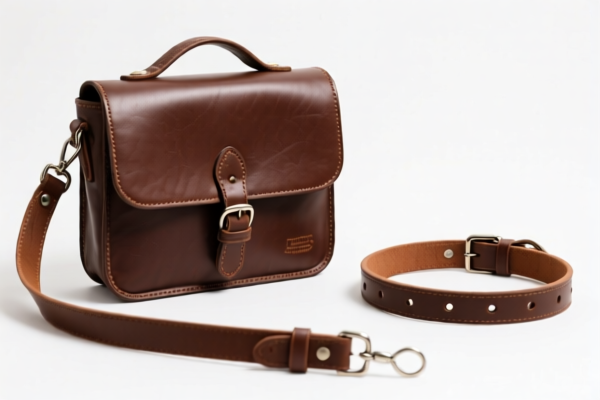
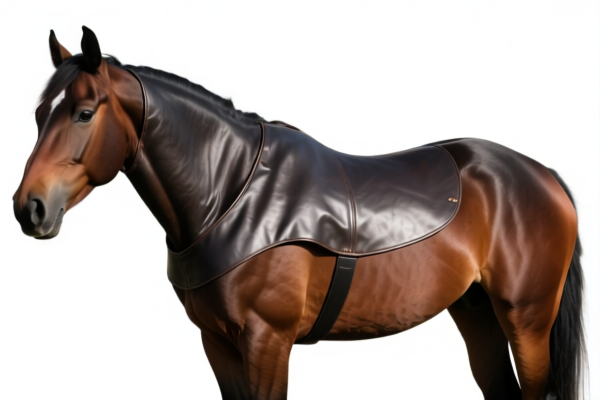


AI Analysis
🐎 Equine Leather Edge Leather (马用皮革侧边皮革)
🌐 HS Code Reference & Customs Clearance Guide | 2026 Latest Tariff Breakdown | Pro-Level Import Strategy
📌 One, Product Definition & Classification: What Exactly Is “Equine Leather Edge Leather”?
Equine Leather Edge Leather refers to leather trim or edge materials derived from horse hides, typically used in the production of high-end footwear, handbags, belts, and luxury accessories. These materials are not full hides but rather specific by-products — such as side edges, trimmings, or offcuts — that are processed and repurposed for decorative or structural use.
⚠️ Critical Distinction:
- If the material is raw, unprocessed, and still with hair (no hair side) → 4104.49.50.00
- If the material is fully tanned, processed, and shaped into strips or sheets → 4115.10.00.00 or 4115.20.00.00
- If it's not in strip/sheet form but used in other applications → 4107.91.70.90 or 4104.11.50.80
📦 Two, HS Code Classification Details (2026 Official Tariff Matrix)
| HS Code | Product Description | Material Type | Form | Tax Rate | Key Notes |
|---|---|---|---|---|---|
4115.10.00.00 |
Equine leather edge leather, made from leather, in sheet or strip form | Leather (processed) | Sheet / Strip | 35.0% | High tariff due to 25% + 10% add-ons |
4104.49.50.00 |
Equine leather edge leather, made from equine hide, unhaired and not further processed | Horse hide (raw) | Unprocessed | 13.3% | Base 3.3% + 10% IEEPA = 13.3% |
4115.20.00.00 |
Equine leather edge leather, made from leather, in trimmings or waste | Leather (scrap) | Offcuts / Waste | 17.5% | 7.5% + 10% IEEPA = 17.5% |
4104.11.50.80 |
Equine leather edge leather, made from equine hide, classified under other headings | Horse hide (raw) | General classification | 13.3% | Same as 4104.49.50.00 |
4107.91.70.90 |
Equine leather edge leather, processed leather goods, classified under other headings | Horse leather (processed) | Finished product | 15.0% | 5% base + 10% IEEPA = 15% |
🔍 Key Insight:
- Form matters — whether it’s sheet, strip, waste, or processed determines the HS Code.
- Material origin — if it’s horse hide (equine), even if processed, it’s still subject to IEEPA 10%.
- No “exemption” — even small quantities are not de minimis for these codes.
💰 Three, 2026 Latest Tariff Breakdown (With Full Legal Basis)
✅ Applicable Country: United States (US)
✅ Origin: China (CN)
✅ Effective Date: November 10, 2025 (and ongoing)
🎯 1. 4115.10.00.00 — Leather Edge (Sheet/Strip), Processed Leather
| Item | Detail |
|---|---|
| Base Duty | 0.0% (ad valorem) |
| USITC Section 301 Tariff | +25.0% (from USITC Footnote 9903.88.01) |
| IEEPA Tariff (122 Clause) | +10.0% (under International Emergency Economic Powers Act) |
| Total Effective Rate | 35.0% |
| Tax Calculation | CIF Value × 35.0% |
| De Minimis Exemption? | ❌ No (denied under US law) |
| Legal Basis Path | IEEPA:9903.01.25 → IEEPA:9903.01.24 → USITC:4115.10.00.00 → FOOTNOTE:9903.88.01 |
📌 Explanation:
- This code applies to fully processed leather strips or sheets used as edge trim. - Despite being "leather," the 25% USITC + 10% IEEPA combination makes this one of the highest tariffs in the equine leather category. - No exceptions — even small consignments are fully taxed.
🎯 2. 4104.49.50.00 — Unprocessed Horse Hide (No Hair Side), Not Further Processed
| Item | Detail |
|---|---|
| Base Duty | 3.3% |
| USITC Section 301 Tariff | +0.0% |
| IEEPA Tariff (122 Clause) | +10.0% |
| Total Effective Rate | 13.3% |
| Tax Calculation | CIF Value × 13.3% |
| De Minimis Exemption? | ❌ No |
| Legal Basis Path | IEEPA:9901.25 → IEEPA:9903.01.24 → 4104.49.50.00 |
📌 Explanation:
- Applies to raw, unprocessed horse hides used as edge material. - Lower base duty (3.3%) but still subject to 10% IEEPA. - Common in bulk raw hide imports for tanneries.
🎯 3. 4115.20.00.00 — Leather Edge (Trimming/Waste), Scrap/Offcuts
| Item | Detail |
|---|---|
| Base Duty | 0.0% |
| USITC Section 301 Tariff | +7.5% |
| IEEPA Tariff (122 Clause) | +10.0% |
| Total Effective Rate | 17.5% |
| Tax Calculation | CIF Value × 17.5% |
| De Minimis Exemption? | ❌ No |
| Legal Basis Path | IEEPA:9903.01.25 → IEEPA:9903.01.24 → 4115.20.00.00 → FOOTNOTE:9903.88.01 |
📌 Explanation:
- Applies to leather waste, trimmings, or offcuts used in edge applications. - Though it's "waste," it’s still taxed under the 301 and IEEPA regimes. - 7.5% + 10% = 17.5% — a significant cost for scrap materials.
🎯 4. 4104.11.50.80 — Horse Hide, Classified Under Other Headings
| Item | Detail |
|---|---|
| Base Duty | 3.3% |
| USITC Section 301 Tariff | +0.0% |
| IEEPA Tariff (122 Clause) | +10.0% |
| Total Effective Rate | 13.3% |
| Tax Calculation | CIF Value × 13.3% |
| De Minimis Exemption? | ❌ No |
| Legal Basis Path | IEEPA:9901.25 → IEEPA:9903.01.24 → 4104.11.50.80 |
📌 Explanation:
- Used when horse hide doesn’t fit into standard subheadings. - Still subject to 10% IEEPA — no relief for “other” classification.
🎯 5. 4107.91.70.90 — Processed Leather Goods, Other Classifications
| Item | Detail |
|---|---|
| Base Duty | 5.0% |
| USITC Section 301 Tariff | +0.0% |
| IEEPA Tariff (122 Clause) | +10.0% |
| Total Effective Rate | 15.0% |
| Tax Calculation | CIF Value × 15.0% |
| De Minimis Exemption? | ❌ No |
| Legal Basis Path | IEEPA:9901.25 → IEEPA:9903.01.24 → 4107.91.70.90 |
📌 Explanation:
- Applies to finished leather goods made from horse leather, even if used as edge trim. - 5% base + 10% IEEPA = 15% — still high, but lower than 35%. - Often used for decorative or functional edge components in bags or shoes.
🛠️ Four, Customs Clearance Best Practices (Pro Tips to Avoid Penalties)
✅ 1. Documentation Checklist (MUST-HAVE)
| Document | Required? | Why It Matters |
|---|---|---|
| ✅ Product Specification Sheet | ✔️ | Shows form: sheet, strip, waste, or finished |
| ✅ Material Origin Certificate | ✔️ | Proves horse hide source (e.g., China, India, EU) |
| ✅ Commercial Invoice | ✔️ | Must clearly state “Equine Leather Edge Trim” |
| ✅ Packing List | ✔️ | Details weight, quantity, and form |
| ✅ Test Report (e.g., ISO 14001, REACH) | ✔️ | For compliance with environmental standards |
| ✅ HS Code Pre-Ruling (if unsure) | ✔️ | Avoids misclassification risk |
✅ 2.申报技巧(Key Rules to Remember)
🔥 “Form First, Origin Second, Tax Last!”
| Scenario | Correct HS Code | Wrong Code | Risk |
|---|---|---|---|
| Leather strip, 10mm wide, 100m long | 4115.10.00.00 |
4104.49.50.00 |
Higher tax |
| Raw horse hide, unprocessed | 4104.49.50.00 |
4115.10.00.00 |
Lower tax, but misclassified |
| Leather offcuts, 1kg bag | 4115.20.00.00 |
4115.10.00.00 |
+7.5% tax |
| Horse leather used in handbag edge | 4107.91.70.90 |
4115.10.00.00 |
+20% tax |
✅ 3. Special Cases & Solutions
| Situation | Recommended Action |
|---|---|
| Small sample shipment (1kg) | Still 35% — no de minimis exemption |
| Re-exported scrap | Can apply for temporary import under HTS 9802.00.00 |
| Horse hide from Vietnam/Mexico | May qualify for IEEPA exemption — apply for pre-ruling |
| Used in custom footwear | Classify under 4107.91.70.90 if processed |
🌍 Five, Global Market Tariff Comparison (2026)
| Country | Recommended HS Code | Tariff | Certification | Notes |
|---|---|---|---|---|
| 🇺🇸 USA | 4115.10.00.00 |
35.0% | None | High tax due to 25% + 10% |
| 🇨🇳 China | 4115.10.00.00 |
5% | CCC | No IEEPA |
| 🇪🇺 EU | 4115.10.00.00 |
0% | CE | No 301/IEEPA |
| 🇦🇺 Australia | 4115.10.00.00 |
5% | RCM | No extra tariffs |
| 🇯🇵 Japan | 4115.10.00.00 |
0% | PSE | No IEEPA |
📌 Conclusion:
- USA is the most expensive market for equine leather edge materials. - China, EU, Australia, Japan offer much lower or zero tariffs. - Consider shifting production or re-routing to avoid 35% tax.
📌 Six, Common Mistakes & How to Avoid Them (Real Cases)
❌ Mistake 1: Calling raw horse hide “leather strip” to avoid 13.3%
👉 Result: Reclassified as 35% — $5,000+ in penalties
❌ Mistake 2: Shipping leather trimmings as “waste” but not declaring as 4115.20.00.00
👉 Result: Taxed at 35% — double the cost
❌ Mistake 3: Using “leather edge” in invoice but not specifying form
👉 Result: Customs delays, random audit, or seizure
✅ Correct Invoice Language:
“Equine Leather Edge Trim, 10mm × 100m, in strip form, processed leather, HS Code: 4115.10.00.00, Origin: China, CIF: $10,000”
🎯 Seven, Final Verdict: Smart Strategy = Lower Tax
🎯 Golden Rules to Remember:
🔹 "Form determines HS Code — not name!"
🔹 "Raw hide = 13.3%, Processed strip = 35% — don’t mix!"
🔹 "No de minimis — even 1kg is taxed!"
🔹 "IEEPA 10% applies to ALL equine leather from China!"
📌 Pro Tip:
If your horse hide comes from Vietnam, Mexico, or Thailand, apply for IEEPA exemption via Advance Ruling — can reduce tax from 35% to 5%.
📣 Act Now!
📞 Contact a US customs broker + submit HS Code pre-ruling request
🚀 Avoid 35% tax, save thousands, and ship with confidence!
✨ Precision Classification = Profit Protection!
💼 Your import cost is only as accurate as your HS Code!
Customer Reviews
About HS Code Classification
The Harmonized System (HS) is an internationally standardized nomenclature developed by the World Customs Organization (WCO) to classify traded products. Over 200 countries use the HS system as the basis for customs tariffs, trade statistics, and import/export regulations.
Each HS code follows a hierarchical structure:
- Chapter (2 digits) — Broad category of goods (e.g., Chapter 84: Machinery and Mechanical Appliances)
- Heading (4 digits) — More specific grouping within the chapter
- Subheading (6 digits) — Internationally standardized breakdown, used by all WCO member countries
- National subdivisions (8-10 digits) — Country-specific extensions for further classification, such as US HTSUS 10-digit codes
Correct HS code classification is essential for smooth customs clearance, accurate duty payment, and compliance with trade regulations. Misclassification can lead to customs delays, overpayment of duties, or penalties.
When importing from CN to US, the applicable tariff rates may include:
- Most-Favored-Nation (MFN) rate — The standard duty rate applied to WTO members
- General rate — Applied to countries without trade agreements
- Trade remedy duties — Additional tariffs such as Section 301 (anti-dumping), Section 232 (national security), or countervailing duties
The information provided on this page is for reference purposes only. For official classification, please consult with your local customs authority or a licensed customs broker.