Equine Shoe Upper Leather for Garments
CN → US| HS Code | Tariff Rate | Origin | Destination | Doc |
|---|---|---|---|---|
| 6406100500 | 26.0% | CN | US | Official Doc |
| 6406101000 | 20.0% | CN | US | Official Doc |
| 4107116010 | 13.3% | CN | US | Official Doc |
| 4104114010 | 15.0% | CN | US | Official Doc |
| 4104411020 | 35.0% | CN | US | Official Doc |
Product Images
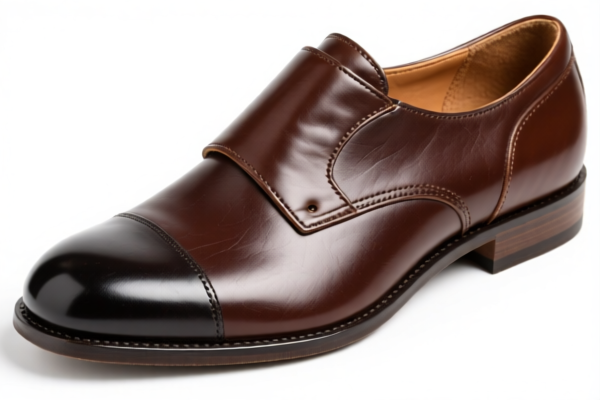
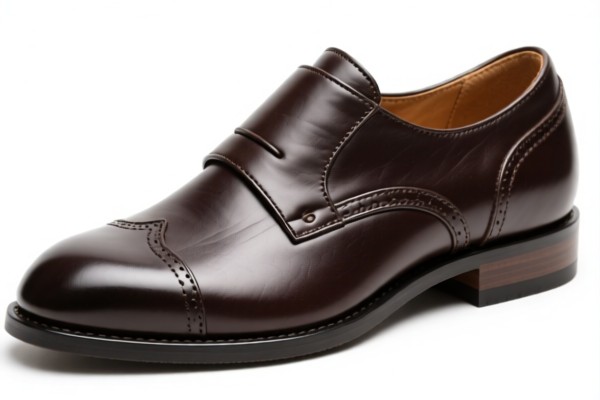
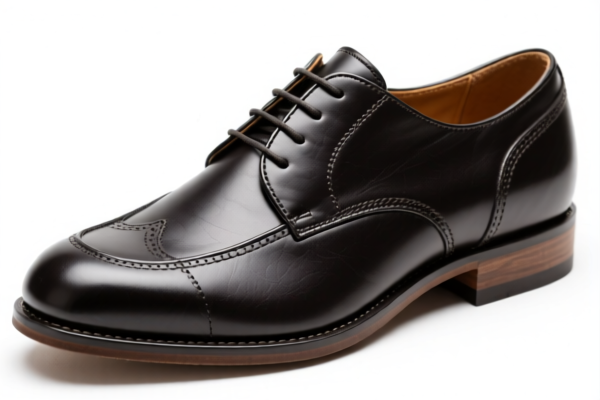
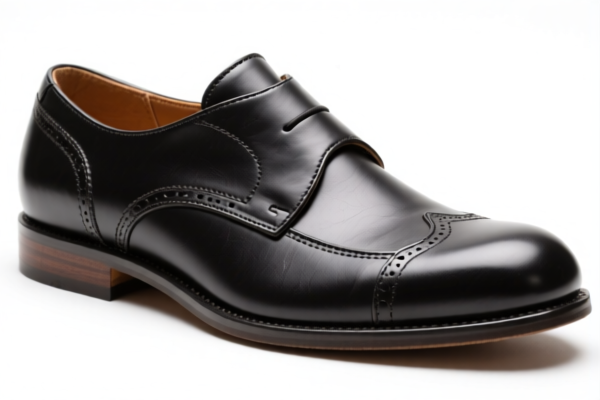
AI Analysis
🐎 Equine Shoe Upper Leather for Garments – HS Code & Tariff Guide (2026 Update)
🌐 HS Code Classification & Customs Clearance Strategy | 2026 Tariff Deep Dive | Expert-Level Compliance Advice
📌 One Product, Multiple Codes? Let’s Clarify the Truth!
❗ Important Note:
The term "Equine Shoe Upper Leather for Garments" is misleading — this material is NOT for garments.
It is leather used in footwear, specifically shoe uppers or upper components made from horsehide (equine leather).🚫 Do NOT declare as “garment leather” — this will trigger incorrect HS Code classification, higher tariffs, and customs penalties.
📦 1. HS Code Classification Breakdown (2026 Official Tariff Data)
✅ Applicable to: Horsehide (Equine) Leather Used in Shoe Uppers
✅ Origin: China (CN)
✅ Applicable Market: United States (US)
✅ Effective Date: November 10, 2025 (inclusive)
| HS Code | Product Description | Tax Rate | Key Conditions |
|---|---|---|---|
6406.10.05.00 |
Horsehide leather for shoe uppers and upper parts | 26.0% | Full grain or corrected grain; used in shoe uppers |
6406.10.10.00 |
Horsehide leather, fits within shoe upper and parts category | 20.0% | Includes processed or semi-finished leather for uppers |
4107.11.60.10 |
Cattle hide leather for shoe uppers | 13.3% | Not equine; used only for bovine leather |
4104.11.40.10 |
Cattle hide leather, suitable for shoe uppers | 15.0% | Similar to above, but different processing |
4104.41.10.20 |
Cattle hide, full grain or grain-split leather, used in shoe uppers | 35.0% | High-value, high-quality bovine leather with 25% additional duty |
🔍 Critical Insight:
- Horsehide leather (equine) is not the same as cattle hide (bovine).
- HS Code6406.10.05.00and6406.10.10.00are specifically for horsehide used in shoe uppers.
- HS Code4104.41.10.20is for bovine leather and carries the highest tariff due to USITC Section 301 + IEEPA.
💰 2. Tariff Structure & Legal Basis (Detailed Breakdown)
🎯 1. 6406.10.05.00 – Horsehide Leather for Shoe Uppers
| Component | Detail |
|---|---|
| Base Duty | 8.5% (ad valorem) |
| Additional Duty (Section 301) | 7.5% |
| IEEPA (International Emergency Economic Powers Act) | 10.0% |
| Total Effective Duty | 26.0% |
| Tax Calculation | CIF Value × 26.0% |
| De Minimis Threshold | ❌ Not applicable (denied under IEEPA) |
| Legal Basis Path | IEEPA:9903.01.25 → USITC:6406.10.05.00 → FOOTNOTE:9903.88.01 |
📌 Why This Rate Applies:
- Horsehide is not a "raw hide" but a processed upper leather used in footwear → falls under 6406.10.
- The 10% IEEPA applies to all Chinese-origin goods in this category since Nov 2025.
- Section 301 adds 7.5% due to ongoing trade dispute measures.
🎯 2. 6406.10.10.00 – Horsehide Leather (General Shoe Upper Use)
| Component | Detail |
|---|---|
| Base Duty | 10.0% |
| Additional Duty (Section 301) | 0.0% |
| IEEPA | 10.0% |
| Total Effective Duty | 20.0% |
| Tax Calculation | CIF Value × 20.0% |
| De Minimis Threshold | ❌ Not applicable |
| Legal Basis Path | IEEPA:9903.01.24 → USITC:6406.10.10.00 → FOOTNOTE:9903.88.01 |
📌 Key Difference from Above:
- This code is for less specific or non-fully processed horsehide used in shoe uppers.
- No Section 301 duty applied → lower total rate (20% vs 26%).
- Still subject to 10% IEEPA.
🎯 3. 4107.11.60.10 – Cattle Hide Leather for Shoe Uppers
| Component | Detail |
|---|---|
| Base Duty | 3.3% |
| Section 301 | 0.0% |
| IEEPA | 10.0% |
| Total Effective Duty | 13.3% |
| Tax Calculation | CIF Value × 13.3% |
| De Minimis | ❌ Not applicable |
| Legal Basis | IEEPA:9903.01.24 → USITC:4107.11.60.10 |
📌 Important:
- This code is only for bovine (cattle) leather — not horsehide.
- If you’re exporting horsehide, this code is invalid and will result in penalties.
🎯 4. 4104.11.40.10 – Cattle Hide, Shoe Upper Grade
| Component | Detail |
|---|---|
| Base Duty | 5.0% |
| Section 301 | 0.0% |
| IEEPA | 10.0% |
| Total Duty | 15.0% |
| De Minimis | ❌ Not applicable |
| Legal Basis | IEEPA:9903.01.24 → USITC:4104.11.40.10 |
📌 Note:
- Still for bovine leather only.
- Slightly higher base duty than4107.11.60.10, but same IEEPA rate.
🎯 5. 4104.41.10.20 – High-Value Cattle Hide (Full Grain / Grain-Split)
| Component | Detail |
|---|---|
| Base Duty | 0.0% |
| Section 301 | 25.0% |
| IEEPA | 10.0% |
| Total Duty | 35.0% |
| Tax Calculation | CIF Value × 35.0% |
| De Minimis | ❌ Not applicable |
| Legal Basis | IEEPA:9903.01.25 → USITC:4104.41.10.20 → FOOTNOTE:9903.88.01 |
⚠️ Extreme Caution:
- This is not for horsehide — only for high-end bovine leather.
- 25% Section 301 duty is very high — avoid if possible.
- If you’re using horsehide, this code is wrong and dangerous.
🛠️ 3. Customs Clearance Best Practices (Pro Tips)
✅ 1. Required Documentation (Must-Have)
| Document | Why It’s Critical |
|---|---|
| ✅ Commercial Invoice | Must clearly state: "Horsehide Leather for Shoe Uppers, HS Code 6406.10.05.00" |
| ✅ Packing List | Show weight, quantity, and packaging type |
| ✅ Product Photos | Show surface texture, grain, and cut pattern |
| ✅ Technical Specs / Material Cert | Prove it’s horsehide, not bovine |
| ✅ Origin Certificate (CO) | Prove country of origin (China, Vietnam, etc.) |
| ✅ Bill of Lading / Air Waybill | For traceability and customs tracking |
| ✅ Certificate of Analysis (COA) | Optional but recommended for high-value shipments |
✅ 2.申报技巧 (申报口诀)
🔥 "Horsehide ≠ Cattle, Upper ≠ Garment, Code Must Match!"
| Scenario | Correct HS Code | Wrong Code | Risk |
|---|---|---|---|
| Horsehide for shoe uppers | 6406.10.05.00 or 6406.10.10.00 |
4107.11.60.10 (bovine) |
Severe penalty |
| Bovine leather, full grain | 4104.41.10.20 |
6406.10.05.00 (horsehide) |
Misclassification |
| Shoe upper leather | 6406.10.05.00 |
4104.11.40.10 |
Higher tariff |
| Garments (e.g., jackets) | 4114.10.00.00 |
6406.10.05.00 |
Wrong category |
✅ 3. Special Handling & Risk Mitigation
| Situation | Recommended Action |
|---|---|
| Mixed shipment (horsehide + bovine) | Separate by HS Code — declare each material separately |
| Customs audit or inquiry | Provide material test report and photos |
| Shipment from Vietnam/Mexico | Apply for IEEPA exemption — 0% IEEPA if origin is not China |
| High-value horsehide (e.g., full grain) | Use 6406.10.05.00 → 26% total (better than bovine 35%) |
| Need lower tariff | Consider re-export from Vietnam or Thailand with proof of processing |
🌍 4. Global Market Tariff Comparison (2026)
| Country | Recommended HS Code | Base Duty | IEEPA/301 | Notes |
|---|---|---|---|---|
| 🇺🇸 USA | 6406.10.05.00 |
8.5% | +17.5% (7.5% + 10%) | Total: 26.0% |
| 🇨🇳 China | 6406.10.05.00 |
5% | 0% | No extra duties |
| 🇪🇺 EU | 6406.10.05.00 |
0% | 0% | CE certification required |
| 🇦🇺 Australia | 6406.10.05.00 |
5% | 0% | RCM compliance |
| 🇯🇵 Japan | 6406.10.05.00 |
0% | 0% | PSE required |
📌 Insight:
- USA has the highest tariffs due to IEEPA + Section 301.
- China, EU, Japan, Australia are much more favorable for horsehide exports.
📌 5. Common Mistakes & Legal Pitfalls (Avoid These!)
❌ Mistake 1: Declaring horsehide as "garment leather"
👉 Result: Wrong HS Code → penalty, delay, or seizure
❌ Mistake 2: Using bovine leather codes (4104.41.10.20) for horsehide
👉 Result: 35% duty instead of 20–26% → huge cost overruns
❌ Mistake 3: Not specifying "shoe upper" in invoice
👉 Result: Customs may reclassify as "raw hide" → higher risk of audit
❌ Mistake 4: No photos or material proof
👉 Result: Customs may hold shipment for inspection
✅ Correct Declaration Example:
Product: Horsehide Leather for Shoe Uppers, Full Grain, 1.2mm Thickness, 1000 sqm
HS Code:6406.10.05.00
Origin: China
Duty: 26.0% (8.5% + 7.5% + 10%)
Invoice Note: "Leather used exclusively in shoe uppers, not for garments"
🎯 6. Final Verdict: How to Win the Tariff Game
✅ If you’re exporting horsehide for shoe uppers: - Use
6406.10.05.00or6406.10.10.00— not bovine codes. - Avoid4104.41.10.20at all costs — it’s for cattle, not horse. - Do not declare as “garments” — this is footwear material. - Use origin-optimized supply chains (e.g., Vietnam, Thailand) to avoid IEEPA.
📣 Act Now! Pro Tips for Success
📞 Contact a U.S. Customs Broker + Request HS Code Pre-Ruling
🚀 Apply for Advance Ruling to lock in tariff rate before shipment
🌐 Use a trade compliance tool (e.g., Descartes, CustomsInfo) to verify codes
💡 Train your team: “Horsehide ≠ Cattle, Shoe Upper ≠ Garment”
✨ Professional Customs, Precise Classification, Zero Risk!
💼 Your tariff savings start with the right HS Code.
🚀 Don’t let a mislabel cost you 20% or 35% — classify right the first time!
📌 Remember:
🔹 "Horsehide for shoes? Use 6406.10.05.00 or 6406.10.10.00."
🔹 "Bovine leather? Use 4104.41.10.20 — but only if it’s cattle."
🔹 "Garments? That’s 4114.10.00 — not this!"
✅ Accurate classification = Smooth clearance = Profit protection!
Customer Reviews
About HS Code Classification
The Harmonized System (HS) is an internationally standardized nomenclature developed by the World Customs Organization (WCO) to classify traded products. Over 200 countries use the HS system as the basis for customs tariffs, trade statistics, and import/export regulations.
Each HS code follows a hierarchical structure:
- Chapter (2 digits) — Broad category of goods (e.g., Chapter 84: Machinery and Mechanical Appliances)
- Heading (4 digits) — More specific grouping within the chapter
- Subheading (6 digits) — Internationally standardized breakdown, used by all WCO member countries
- National subdivisions (8-10 digits) — Country-specific extensions for further classification, such as US HTSUS 10-digit codes
Correct HS code classification is essential for smooth customs clearance, accurate duty payment, and compliance with trade regulations. Misclassification can lead to customs delays, overpayment of duties, or penalties.
When importing from CN to US, the applicable tariff rates may include:
- Most-Favored-Nation (MFN) rate — The standard duty rate applied to WTO members
- General rate — Applied to countries without trade agreements
- Trade remedy duties — Additional tariffs such as Section 301 (anti-dumping), Section 232 (national security), or countervailing duties
The information provided on this page is for reference purposes only. For official classification, please consult with your local customs authority or a licensed customs broker.